HÖRST
Assistive devices for the hearing impaired
August 4, 2025
8 minutes reading time
OSKAR
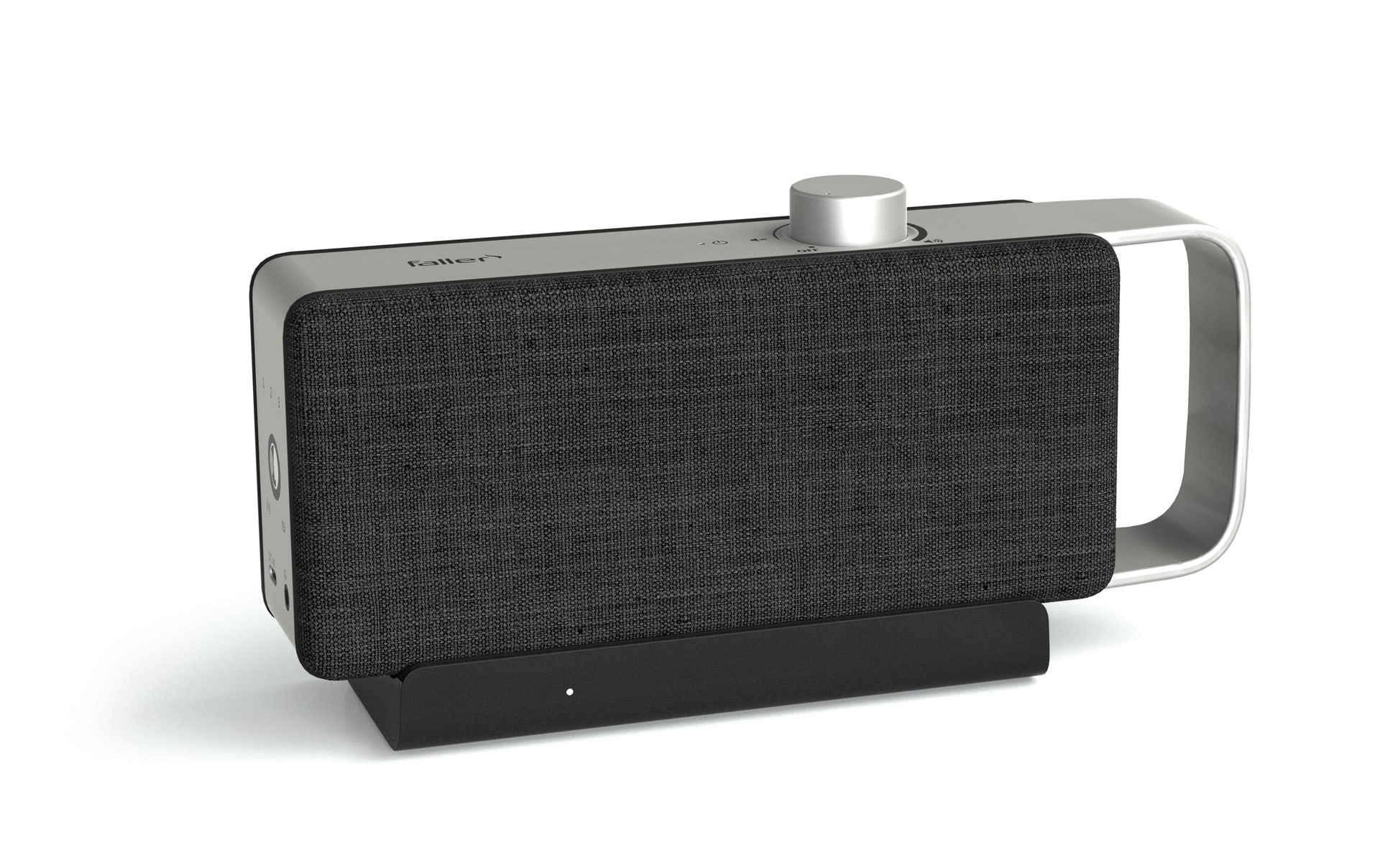
Portable TV voice amplifier
Advertisement
Table of contents
Hearing loss and hearing impairment can significantly affect daily life, but there are a variety of aids available to support people with hearing problems. In this guide, you will learn everything you need to know about the various aids available for the hard of hearing, from hearing aids to practical everyday aids that can improve quality of life. These aids not only help the hard of hearing, but also the deaf and people with hearing impairments to maintain their independence and quality of life.
What are assistive devices for the hearing impaired?
Hearing aids are specially designed devices and technologies that help improve hearing or reduce the effects of hearing loss. They not only assist with hearing, but also with communication and coping with everyday situations. These aids are particularly important for people with hearing impairments, deaf people, and the hearing impaired. They make everyday life easier and improve social participation by enabling communication with the environment, at work, and in private life. Assistive devices for the hearing impaired improve hearing and communication, which leads to a significant increase in quality of life. These devices are indispensable for people with hearing impairments, as they enable them to participate more fully in social interactions. Hearing aids, telephone amplifiers, and other specialized devices help to avoid misunderstandings and promote independence. They enable those affected to better understand conversations in the family, at work, or in social settings.
Another key factor is that assistive devices are not only relevant for everyday life, but also increase safety in daily living. Devices such as smoke detectors with signal transmission, doorbells with light signals, or vibrating alarm clocks are important aids that make life safer and help people with hearing loss to live independently.
Most common aids for the hearing impaired: What options are available?
There are a variety of aids that have been specially developed to make life easier for people with hearing loss. They range from hearing aids and vibrating alarm clocks to special alarm and signaling systems. The most important aids for people with hearing loss include:
- Hearing aids: The most commonly used devices for people with hearing loss. They amplify sounds so that conversations and ambient noise can be heard more clearly.
- Hearing amplifiers: These devices offer a more affordable way to improve hearing in certain situations.
- Vibrating alarm clocks and light signaling systems: These devices are particularly important for people with hearing impairments, as they replace acoustic signals with flashing lights or vibrations.
Hearing aids and their functions
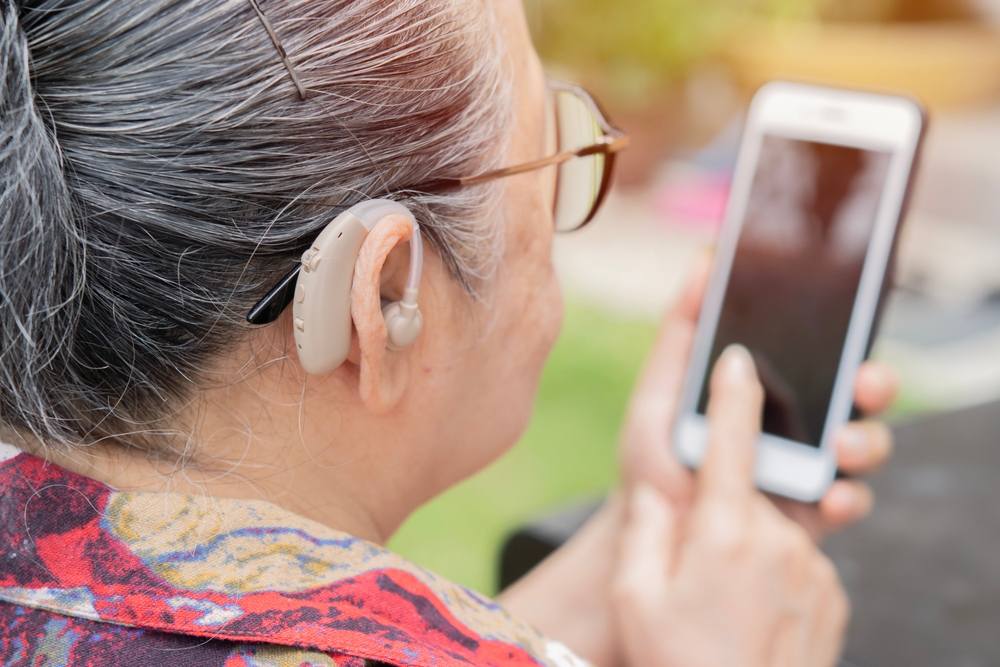
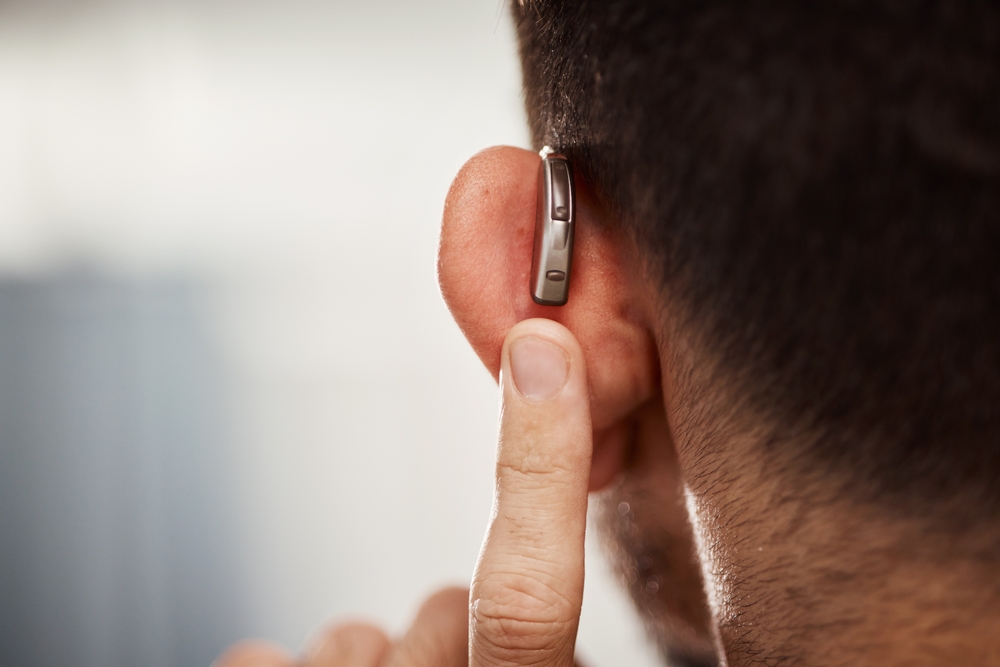
Hearing aids are the classic hearing loss assistance device. They come in various designs, including behind-the-ear, in-the-ear, and in-the-ear canal models. Modern hearing aids offer advanced features such as Bluetooth connectivity to smartphones, televisions, or other devices. This enables
Direct transmission of audio content to hearing aids without the need for additional devices.
These devices offer a significant improvement in communication, especially for people with hearing impairments. In addition, many hearing aids allow the sound quality to be customized depending on whether you are in a quiet environment or a noisy room. This makes it easier to adapt to different acoustic environments and improves the overall listening experience.
Vibrating alarm clocks and other alarm systems
Vibrating alarm clocks are particularly important for people with hearing impairments, as they replace acoustic alarm signals with vibrations or light signals. These devices are especially useful in bedrooms or in medical emergency situations. With this type of alarm clock, the user is woken up by vibrations in the pillow or via a special device worn on the wrist.
In addition to vibrating alarm clocks, there are also light signaling systems that can be combined with smoke detectors, doorbells, or baby monitors. These systems use flashing lights or vibrations to relay important signals to people with hearing impairments so that no important information is overlooked. These devices increase safety and well-being in everyday life.
Other practical everyday aids for people with hearing loss
In addition to traditional aids, there are many other devices that make everyday life easier for people with hearing loss. These devices are important for a variety of situations in daily life, whether at home, at work, or in public areas. The most important ones include:
- Telephone and doorbells: Special telephones and doorbells are designed to provide audible or visual signals when calls or doorbells ring, helping people who are hard of hearing or deaf to maintain communication. Some of these devices work with signaling systems or are directly integrated into the smart home system.
- Smoke detectors with signal transmission: Smoke detectors that send visual or vibrating signals in addition to acoustic alarms increase the safety of people with hearing impairments by ensuring that they are warned in case of danger.
- Baby monitors for the hearing impaired: These devices replace acoustic baby monitor signals with visual or vibrating alerts, allowing people with hearing impairments to respond to their baby's sounds.
Signaling devices and communication aids
Modern communication technologies such as sign language interpreters or speech-to-text interpreters help people with hearing impairments and deaf people to better understand conversations. Smartphone apps also offer a simple way to convert spoken language into text. In addition, there are special light signaling systems that can be used in public and private areas to convey information visually.
The use of these communication aids significantly improves accessibility and social participation. Sign language interpreters and apps are particularly important in public areas such as cinemas or theaters in order to integrate people with hearing impairments or deaf people into normal communication.
Adapting assistive devices to the needs of people with hearing loss
Every person has individual needs when it comes to selecting and adjusting assistive devices. It is therefore important that hearing aids and other assistive devices are regularly adjusted to the user's life situation. Deaf people and people with severe hearing impairments may need specialized devices that offer more intense amplification or visual signals.
Regular adjustment of the devices is also very important to ensure that they always work optimally and meet the needs of the user.
The role of physicians and ENT specialists in selecting assistive devices
The right hearing aid should always be chosen in consultation with an ENT doctor or hearing care professional. These specialists can help you select the devices that best suit your individual needs and hearing situation. They will carry out the necessary diagnosis, offer advice, and ensure that the hearing aids are optimally adjusted to make everyday life easier for those affected.
Support and financing of assistive devices: What is covered?
In Germany, health insurance companies can cover the costs of many assistive devices, especially if they are considered medically necessary. There are subsidies and funding opportunities for people who are hard of hearing, deaf, or have hearing impairments. Health insurance companies cover some of the costs for devices such as hearing aids, vibrating alarm clocks, and smoke detectors.
Some aids can also be supported by the Association for the Hard of Hearing or other aid organizations. Anyone who would like to find out about possible subsidies and funding opportunities should contact their doctor or a specialist advice center.
Tips for caring for and maintaining assistive devices for the hearing impaired
Proper care and maintenance of hearing aids and other assistive devices is crucial to ensuring that they function reliably for a long time. Regular cleaning, changing batteries, and checking for damage are important tasks. Faulty devices should be repaired or replaced immediately to ensure that everyday life is not unnecessarily affected.
It is also advisable to visit your ENT doctor or hearing aid acoustician regularly to check that the devices are working properly and to adjust them if necessary.
Future prospects: Developments and innovations for the hearing impaired
Technology to support people with hearing loss is constantly evolving. Future innovations, such as the integration of Auracast and advanced Bluetooth connections, could make life even easier and more comfortable for people with hearing loss. The further development of apps and smart devices designed specifically for people with hearing impairments will also become increasingly important in the coming years.
Further articles

Healthy candy alternatives for seniors
For many people, craving sweets is part of everyday life. However, traditional sweets often contain large amounts of sugar and provide

Cooking together in old age
As we get older, our everyday lives change in many ways. The children have left home, our partner may be

Protein-rich nutrition in old age
As we age, our bodies change in many ways, and nutrition plays a crucial role in our health.