HÖRST
Bluetooth & Wireless TV Speakers
September 12, 2025
10 minutes reading time

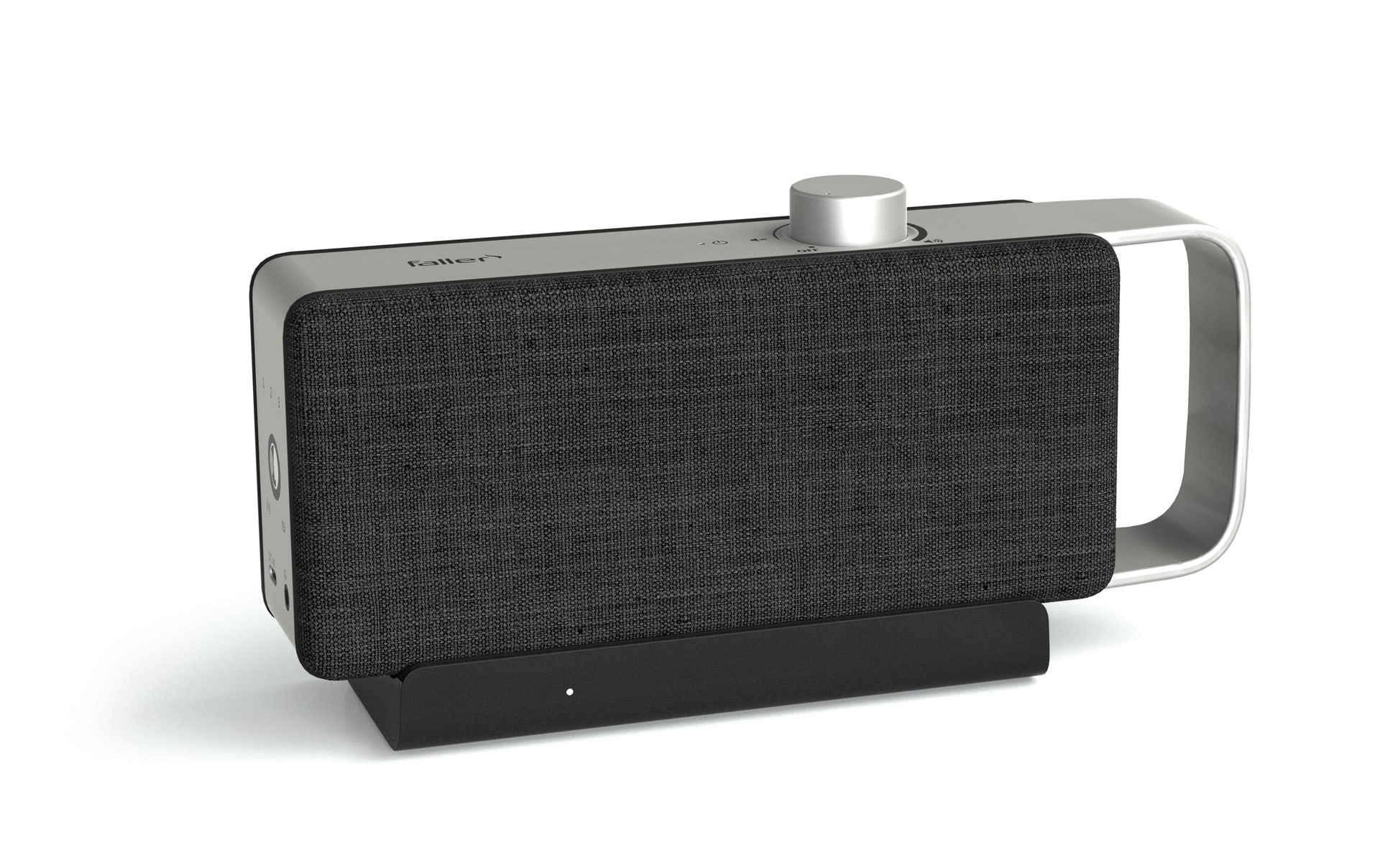
OSKAR
Portable TV voice amplifier
Advertisement
Table of contents
Nowadays, wireless TV speakers are an indispensable part of many households and modern televisions. Bluetooth speakers in particular are growing in popularity as they offer a simple and flexible way to enjoy movies, series, music, and streaming services without annoying cables. But what exactly is behind the technology that makes these TV speakers so practical? Are wireless speakers the same as Bluetooth speakers? In this article, we explain the differences between these technologies, shed light on how Bluetooth speakers work, and provide valuable tips on what to look for when buying one to find the right model for your needs.
The most important information in brief
- Wireless TV speakers use Bluetooth or Wi-Fi for flexible placement without cable clutter and easy device connection.
- Bluetooth is suitable for small to medium-sized rooms, Wi-Fi for larger areas and multi-room systems with a stable connection.
- Modern technologies such as AptX, AAC, and True Wireless Stereo improve sound quality and enable stereo sound.
- Battery life of 6-12+ hours enables mobile use, fast charging function reduces waiting times to 1-2 hours
- Integration into smart homes possible with voice control via Alexa or Google Assistant for convenient operation
- Particularly beneficial for people with hearing problems thanks to speech optimization and clear dialogue reproduction for TV content
What are Bluetooth and wireless speakers?
Wireless speakers are one of the most popular options for enhancing the TV viewing experience. Bluetooth speakers in particular have proven to be especially convenient, as they offer an easy way to wirelessly transmit sound from the TV. Bluetooth speakers connect directly to the TV or other devices, allowing for quick and easy connection without the need for cables. These speakers offer the advantage of flexible placement and a clean, uncluttered setup.
Wireless TV speakers use various connection technologies such as Bluetooth and Wi-Fi to ensure stable, high-quality audio transmission. Bluetooth speakers are particularly known for their ease of use and simple connection to devices such as smartphones and TVs. Wi-Fi-based systems offer greater range and allow speakers to be used in different rooms or over longer distances. Both technologies help to enhance the TV experience by enabling easy installation and offering more flexibility in speaker placement.
Technology & Features of Bluetooth & Wireless Speakers
Bluetooth technology
Bluetooth speakers are a popular choice when it comes to wirelessly transmitting sound from a TV. They offer a simple and fast connection that works particularly well over short to medium distances. Bluetooth transmits the audio signals from the TV to the speaker without the need for a cable connection. Bluetooth versions such as 4.0 or 5.0 improve range and signal strength, ensuring that the signal and thus the sound quality remain stable even over longer distances.
Wi-Fi technology in wireless speakers
Compared to Bluetooth, Wi-Fi speakers offer greater range and a slightly more stable connection, which is particularly advantageous when the TV speaker is integrated into a larger room or a multi-room system. For TV users who want an even better and more flexible audio experience, Wi-Fi speakers allow you to use your home network to take audio quality to a new level. They are also ideal for integration into multi-room systems, where sound can be transmitted to several rooms at the same time. Bluetooth TV speakers are recommended for single rooms.
Battery and battery life
The battery life of wireless speakers plays an important role, especially when used with a TV. For portable speakers or soundbars that can be used flexibly in various scenarios around the TV, a long battery life is an advantage. Bluetooth speakers are generally suitable for longer TV sessions, with battery life of around 6 to 12 hours, depending on the model and volume. Particularly high-quality models also have an even longer battery life. Some models offer a fast-charging function that allows the speakers to be fully charged within 1 to 2 hours, so they are quickly ready for use again. This is particularly useful if the speaker is used regularly in different environments without the need for constant charging breaks.
Technologies in Bluetooth speakers
Bluetooth versions and their impact on sound quality
For an optimal TV experience, it is important that the connection between the TV and the speaker is not only stable, but also fast and of high quality. Newer Bluetooth versions—such as 5.0—offer improved transmission speeds, resulting in a more stable connection and better sound quality. These versions are ideal for TV users who value clear, intelligible sound reproduction. However, the connection also works very well with older Bluetooth versions on most high-quality devices.
AptX and AAC
AptX and AAC are audio codecs that are often used in modern Bluetooth speakers to improve sound quality. When a TV is connected via Bluetooth, these codecs can help make the sound clearer and more detailed without causing delays or loss of quality. This can significantly improve the user experience, especially when transmitting TV sound via Bluetooth.
NFC (Near Field Communication)
Many newer Bluetooth speakers for TVs offer NFC connectivity. This allows you to quickly and easily connect the speaker to your TV by simply holding your smartphone or TV close to the speaker. This simplifies setup and ensures hassle-free use without lengthy adjustments.
True Wireless Stereo (TWS)
True Wireless Stereo (TWS) is a technology that allows two Bluetooth speakers to be connected to a TV at the same time. This creates stereo sound that makes the TV experience even more intense and realistic. TWS is ideal if you want a wider soundstage for your home theater.
Voice control and integration with digital assistants
Modern Bluetooth speakers for TVs increasingly offer voice control integration via digital assistants such as Amazon Alexa or Google Assistant. This allows you to control the speaker via voice command and change the volume or sound mode without operating the TV.
Differences between Bluetooth and Wi-Fi speakers
Bluetooth speaker
Bluetooth speakers are a convenient way to wirelessly transmit sound from your TV. They are easy to connect, offer low latency, and are generally very energy efficient. However, the range of Bluetooth speakers is limited, so the connection can become more unstable over longer distances or when there are obstacles.
Wi-Fi speaker
Compared to Bluetooth, Wi-Fi speakers offer greater range and a more stable connection. They are particularly suitable for TV users who need a reliable connection in larger rooms or for multi-room systems. However, installing Wi-Fi speakers requires more technical knowledge, and they are often more expensive than their Bluetooth counterparts.
Comparison of the two technologies
The choice between Bluetooth and Wi-Fi speakers depends primarily on the area of application and your budget. Bluetooth speakers are ideal for small to medium-sized rooms or for mobile use, while Wi-Fi speakers are particularly advantageous for larger home theater systems or multi-room setups.
Areas of application for Bluetooth and wireless speakers
For mobile use: Portable speakers
Bluetooth speakers are particularly advantageous when the TV is used in different locations, such as in the garden or during outdoor activities. Portable TV speakers offer an easy way to enjoy the TV experience away from the living room without having to rely on cables.
television experience
Bluetooth and wireless TV speakers are particularly well suited to enhancing the home cinema experience. Many TV users opt for Bluetooth speakers or Wi-Fi-based soundbars to transmit the sound from their TV wirelessly and create a more intense soundscape. Surround sound systems also benefit from wireless transmission, as they can be positioned more flexibly. People with hearing problems or older people in particular can benefit from portable TV speakers that feature voice optimization and clear sound reproduction. This technology ensures that dialog and important sounds are easier to understand when watching TV and meets the requirements for clearer acoustics.
For music enjoyment and multimedia devices
In addition to TVs, wireless speakers are also ideal for streaming music via devices such as smartphones or tablets. Many Wi-Fi speakers can be seamlessly integrated into multimedia setups and offer high-quality sound reproduction for music and movies without cables.
Smart homes and IoT
Bluetooth speakers can be easily integrated into a smart home to make the TV experience even more convenient. The speakers can be controlled via voice control using Google Assistant or Amazon Alexa, which is particularly practical if the TV is connected to other smart home devices.
How to choose the right Bluetooth & wireless speaker
When buying a speaker for your TV, sound quality is the most important criterion. Some Bluetooth speakers offer very good sound quality (but not all), especially with modern audio codecs such as AptX, which optimize audio transmission. However, if the speaker is also to be used in a large room or as part of a multi-room system, Wi-Fi speakers or speakers with a base station may be the better choice, as they offer a more stable and longer-range connection.
Another important aspect is speech optimization. Clear speech reproduction plays a crucial role, especially for TV users who often watch movies or series. TV speakers that have been specially developed for speech optimization ensure that dialogues can be heard clearly and distinctly without the music or other sound effects drowning out the speech.
Battery life, design, and size are also important purchasing criteria, especially if the speaker is to be used on the go. If you are using the speaker for a home theater or as a soundbar, you should look for a good balance between performance and design, while longer battery life and robustness are advantageous for mobile use.
The wireless OSKAR TV speaker is an excellent choice for anyone who values clear voice reproduction, ease of use, and long battery life. With its special voice optimization, OSKAR ensures that dialogues are clearly highlighted and easier to understand—even when background noise or music drowns out voices. It connects to the TV via a base station, which is connected by optical cable or jack and transmits the signal wirelessly to the speaker. This allows the speaker to be placed flexibly right next to the seat, making voices sound closer and clearer. The OSKAR is particularly suitable for people who are looking for a compact, powerful speaker that noticeably improves the TV experience through optimized speech intelligibility.
Advantages and disadvantages of Bluetooth and wireless speakers
Advantages:
- No cables, more freedom of movement when listening and placing the speakers.
- Quick and easy connection to TVs, smartphones, and other devices.
- Particularly portable models are easy to transport and are suitable for mobile use.
- Bluetooth, Wi-Fi, and other wireless speakers can be used in different rooms or as part of a multi-room system.
- Particularly useful for people with hearing problems or older people, as it improves sound quality and the intelligibility of dialogue.
- Wireless speakers are available in a variety of designs that blend in well with modern living spaces.
Disadvantages:
- Battery life may be limited on some models, especially with intensive use.
- Many Bluetooth speakers have a limited range, which can lead to connection problems over longer distances or when there are obstacles in the way. (Not so with the OSKAR wireless TV speaker.)
- The sound quality may be poorer on cheaper models compared to wired speakers.
- High-end models with better sound quality and advanced features can be expensive.
Further articles

Healthy candy alternatives for seniors
For many people, craving sweets is part of everyday life. However, traditional sweets often contain large amounts of sugar and provide

Cooking together in old age
As we get older, our everyday lives change in many ways. The children have left home, our partner may be

Protein-rich nutrition in old age
As we age, our bodies change in many ways, and nutrition plays a crucial role in our health.