HÖRST
subwoofer
September 12, 2025
8 minutes reading time
OSKAR
Portable TV voice amplifier
Advertisement
Table of contents
Subwoofers are specialized speakers designed to reproduce low frequencies, also known as bass, with precision and power. They are particularly important for enriching the listening experience in home theater systems or music playback by extending the sound into the low frequency range. Unlike standard speakers or soundbars, which cover a broader sound spectrum, subwoofers focus exclusively on low frequencies and deliver impressive bass reproduction. In this article, we will learn more about the features, different models of subwoofers, important purchase criteria, and how a subwoofer can improve the sound quality of your TV.
The most important information in brief
- Subwoofers are specialized speakers for low frequencies (20-200 Hz) and powerful bass reproduction in home theater systems.
- Available as passive models (requiring an external amplifier) or active versions with integrated amplifier for easier use
- Various connections available: LFE for home theater, HDMI for lossless transmission, optical (Toslink) for interference-free signals
- Room size determines required power – larger rooms require powerful models for optimal bass reproduction
- Significantly expand the sound spectrum of other speakers, but require additional space and increase system costs.
- Modern compact solutions such as OSKAR integrate passive drivers for optimized bass reproduction without a separate subwoofer.
What are subwoofers?
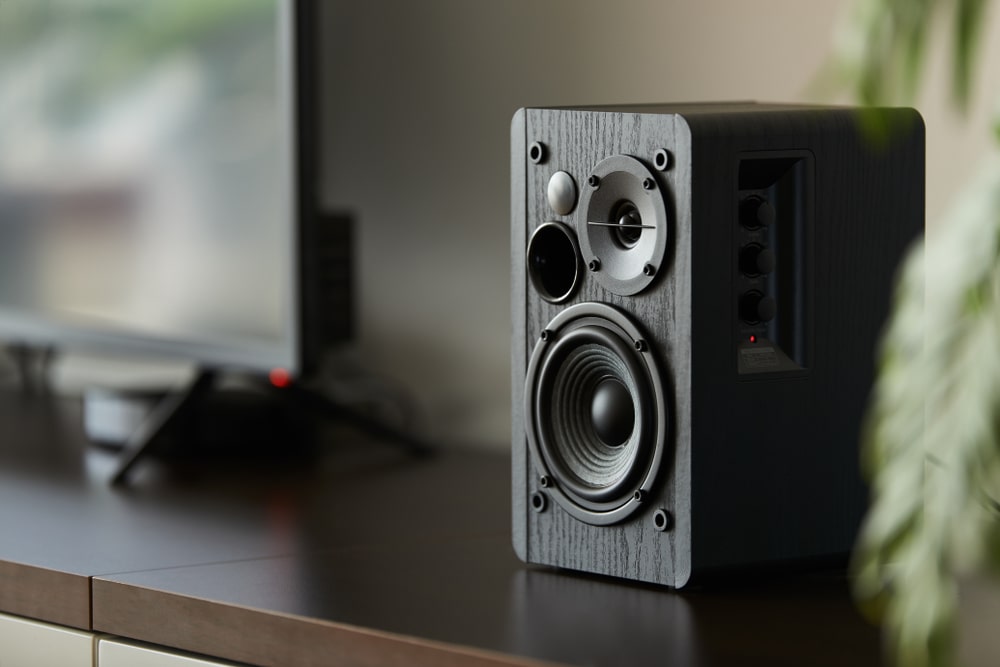
Subwoofers are specialized (TV) speakers designed to reproduce low frequencies—also known as bass—with precision and power. They are particularly important in home theater systems to enrich the soundscape and experience the full sound of movies, music, or other audio sources. Unlike soundbars, standard speakers, or compact speakers, which cover the entire sound spectrum, subwoofers focus exclusively on the lower frequencies, typically in the range of 20 to 200 Hz. They can be used as standalone speakers or combined with other speakers to expand the sound spectrum and create a more dynamic TV sound.
Sound quality of subwoofers
Subwoofers are designed to produce deep, powerful bass tones that play a central role in many action scenes in movies. They enable precise and powerful bass reproduction that cannot be achieved with the integrated speakers of a TV or conventional standard speakers. Especially in movies and scenes that rely on low frequencies, subwoofers deliver the necessary richness of sound that intensifies the listening experience. The difference in sound is also audible in musical elements in the low frequencies, as subwoofers expand the sound dynamics in a way that cannot be fully replicated by other internal and external speakers.
Functions and models of subwoofers
Subwoofers come in various sizes and designs. They can be either passive or active. Passive subwoofers require an external amplifier, while active subwoofers already have a built-in amplifier, making them easier to use. Some subwoofers are available in compact models that are well suited for smaller rooms, while larger models offer more power and deeper bass response. There are also models that have been specially designed for integration into home theater systems and feature special settings for adjusting the sound to the room acoustics.
Some subwoofers are equipped with controls that can adjust the bass intensity and have low-pass filters that ensure that only the low frequencies are transmitted without affecting the sound of the other speakers.
What should you look for when buying a subwoofer?
When purchasing a subwoofer, there are several important factors to consider in order to make the best choice for your home theater system. First, the size of the room plays a significant role. The larger the room, the more powerful the subwoofer should be to ensure that low frequencies are reproduced clearly and powerfully. In small rooms, more compact models may be sufficient. The power and size of the subwoofer are also crucial. Larger models generally offer deeper and more powerful bass reproduction, but smaller subwoofers can also be very effective in less demanding applications.
Another important point is amplifier compatibility. If the subwoofer is passive, it requires an external amplifier to function properly. Active subwoofers, on the other hand, have a built-in amplifier, which simplifies installation and often enables better sound reproduction. The connection options should also be considered. Common connections such as LFE, HDMI, or optical inputs enable simple and lossless audio transmission between the subwoofer and other devices, especially in home theater systems. Modern models often also offer Bluetooth functionality, which enables wireless streaming of audio sources.
In addition, settings such as bass regulation and volume control are important. Many subwoofers offer options for adjusting the sound to suit the acoustics of the room and your personal preferences. Some models even offer automatic room calibration to achieve the best possible bass reproduction. A subwoofer that is well suited to the room and the existing speaker system can significantly improve the sound experience and enhance the overall sound quality.
Subwoofer connections
Subwoofers often offer a variety of connection options for integrating them into different audio systems. The most common connections are:
LFE (Low-Frequency Effects): The LFE connection is specially designed for transmitting low frequencies and is often used in home theater systems to connect the subwoofer to the rest of the audio system. This connection is particularly important for accurately and clearly reproducing the low bass frequencies that play a significant role in many action movies and music tracks. The LFE connection ensures that only the low frequencies are transmitted to the subwoofer, resulting in precise bass reproduction without distortion or interference with the mid and high frequencies.
HDMI: HDMI (High Definition Multimedia Interface) is a digital connection used to transmit both audio and video signals. In subwoofers, the HDMI connection is often used for home theater systems because it enables lossless, high-quality audio transmission. HDMI is the preferred choice, especially for modern home theater systems that offer high sound and image quality. One advantage of HDMI is that it allows for easy integration of subwoofers without the need for separate cables for audio and video. In addition, HDMI ARC (Audio Return Channel) offers the ability to send audio from the TV back to the subwoofer or amplifier, which simplifies setup.
Optical input (Toslink): The optical input, also known as Toslink, is a digital connection that uses light pulses to transmit audio data. This type of transmission is particularly advantageous because it avoids interference and noise that could be caused by electromagnetic interference. The optical connection is often used to connect subwoofers to televisions, Blu-ray players, or other audio devices, ensuring clear and interference-free audio transmission. Since the optical input uses a digital connection, high sound quality is guaranteed, especially with modern audio devices that support this type of transmission.
RCA: The RCA connector, also known as RCA, is an analog connection that is particularly common in passive subwoofers and other audio components. This type of connection usually uses two cables—one for the left channel and one for the right channel—to transmit the audio signals. Although RCA connections are somewhat outdated nowadays and cannot compete with digital options such as HDMI or optical inputs in terms of sound quality and bandwidth, they still offer a simple and inexpensive way to connect subwoofers and other audio devices. The RCA connector is a common solution, especially for older devices or passive subwoofers that do not have a built-in amplifier.
Advantages and disadvantages of subwoofers
Advantages:
- Subwoofers offer the ability to produce deeper and more powerful bass tones, which intensify the listening experience, especially for music and action movies.
- When combined with other speakers, subwoofers expand the sound spectrum and contribute to a fuller and more dynamic sound.
- Many subwoofers can be placed flexibly in the room, depending on the acoustics and preferences.
Disadvantages:
- Subwoofers require more space than smaller speakers, which can be a disadvantage in smaller rooms.
- Subwoofers increase the cost of the entire speaker system, especially in models with higher power output.
- Passive subwoofers require an additional amplifier, which makes setup and installation more complex.
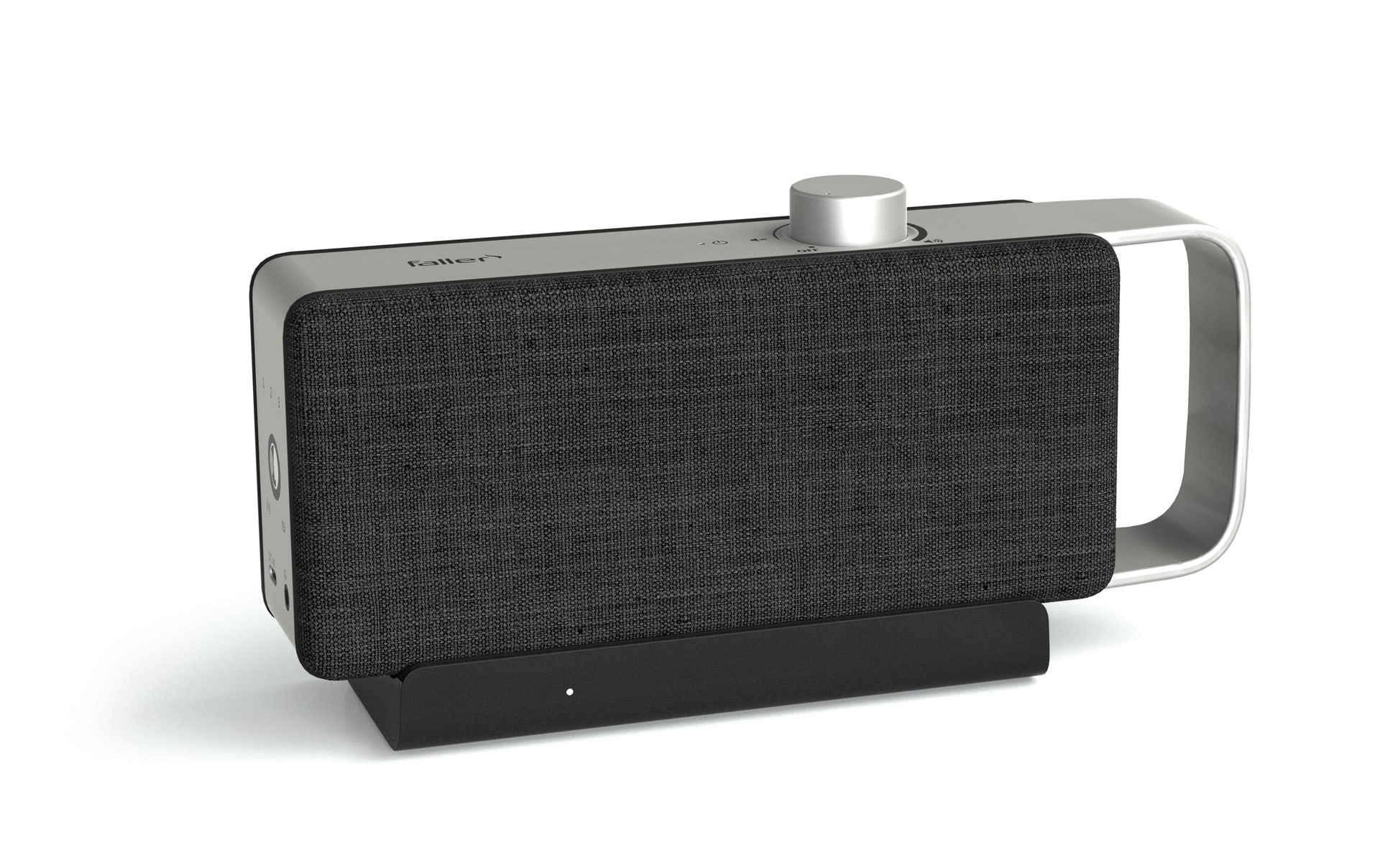
The OSKAR TV speaker also has an integrated subwoofer as a passive driver for optimized bass reproduction.
Further articles

Healthy candy alternatives for seniors
For many people, craving sweets is part of everyday life. However, traditional sweets often contain large amounts of sugar and provide

Cooking together in old age
As we get older, our everyday lives change in many ways. The children have left home, our partner may be

Protein-rich nutrition in old age
As we age, our bodies change in many ways, and nutrition plays a crucial role in our health.