HÖRST
surround sound systems
September 12, 2025
12 minutes reading time

OSKAR
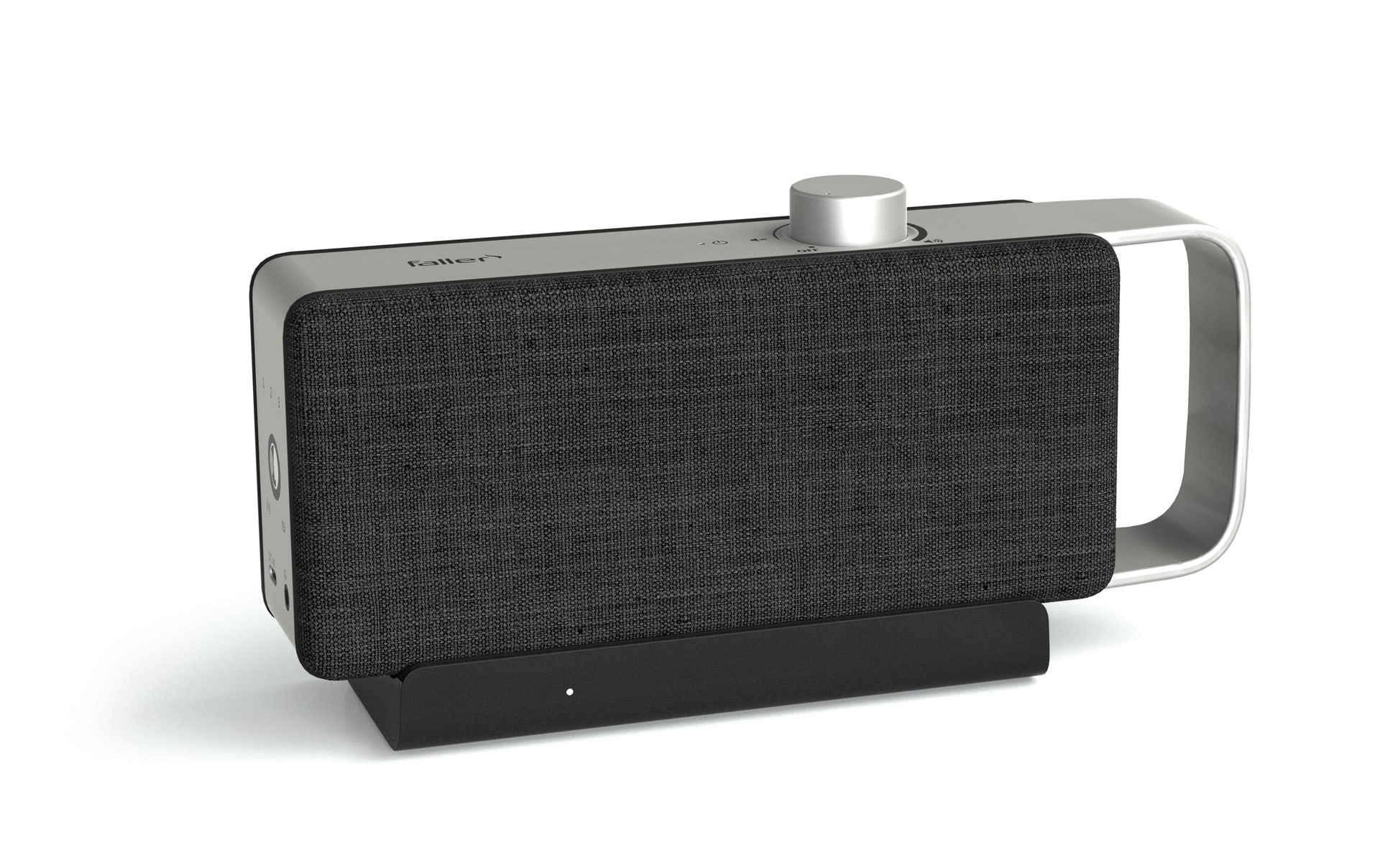
Portable TV voice amplifier
Advertisement
Table of contents
In recent years, the home theater experience has changed significantly, and a key factor in this revolution is both the picture and the sound. While the majority of modern televisions offer impressive picture quality, when it comes to sound, the built-in speakers quickly reach their limits. This is where surround sound systems come in. They offer clear and vivid sound reproduction that takes the TV experience to a whole new level. Surround sound systems are the key to an immersive, cinema-like experience in your own home—and for good reason. This article highlights why surround sound systems are now a useful add-on for anyone who wants to get more out of their TV experience, and how to choose the right system for your needs.
The most important information in brief
- Surround sound systems create three-dimensional spatial sound from multiple strategically placed speakers for a cinema-like home experience.
- Consists of front speakers, center speaker, surround speakers, subwoofer, and AV receiver as the control center.
- Modern technologies such as Dolby Atmos and DTS:X enable vertical sound dimensions and flexible speaker placement.
- Various systems available: from 5.1 complete systems for small rooms to 7.1 systems with Dolby Atmos for large areas
- Installation requires careful planning of speaker positioning and calibration for optimal room acoustics.
- Higher costs and space requirements, but significantly better sound quality than TV speakers and an immersive experience for movies, music, and gaming.
What is a surround sound system?
Surround sound systems are audio systems that reproduce sound from different directions to create a spatial and three-dimensional listening experience. Unlike traditional stereo systems, where sound comes from only two sources—the left and right speakers—surround sound reproduces sound from multiple speakers. These speakers are strategically placed around the room to achieve the effect of "all-around" sound.
The biggest advantage of a surround sound system is that it brings sound reproduction as close as possible to the real cinema experience. This allows viewers to immerse themselves in the action of a movie or series as if they were right in the middle of it. A good surround sound system uses various technologies, including Dolby Atmos and DTS:X, to simulate spatial sound and present sound from all directions.
The different types of surround sound systems
Surround sound systems come in different designs and price ranges. Choosing the right system depends on various factors, such as room size, budget, and individual requirements.
Complete systems vs. individual components
A home theater system, also known as a home theater setup, is a complete solution that includes all the necessary components such as speakers, receivers, and subwoofers. These systems offer particularly high sound quality and are easy to install, as they contain all the components required for an optimal surround sound experience. One advantage of complete systems is that they are usually coordinated with each other, which improves sound quality and user-friendliness.
On the other hand, it can also make sense to choose individual components, especially if you already own some devices. This allows you to flexibly configure your surround sound system and adapt it to your own wishes and needs. For example, a user could add a high-quality soundbar or additional speakers to expand the sound image.
The most important components of a surround sound system
A surround sound system usually consists of several components that work together to deliver the best sound experience. The most important components are speakers, subwoofers, and the receiver.
Speakers: Variety and placement
TV speakers are the foundation of any surround sound system. They come in various designs: front speakers, center speakers, surround speakers, and height speakers. The optimal placement of these speakers in the room is crucial for the sound experience. Front speakers and center speakers provide the main sound reproduction, while surround speakers create the surround sound by reproducing the sound from the sides and behind the listeners. Tweeters are an additional feature that contributes to improving the spatial sound, especially with Dolby Atmos technology.
Subwoofer: Deep bass for perfect sound
The subwoofer provides the lower frequencies, the bass, which makes the listening experience even more intense. A good subwoofer enhances bass reproduction and adds extra depth, which is particularly beneficial for action movies and music with powerful bass. A well-placed subwoofer contributes significantly to the atmosphere by enhancing the feeling of thrust and intensity.
Receiver: The control center
The receiver is the heart of a surround sound system. It receives the audio signal from the TV or other devices and distributes it to the speakers. Modern receivers offer various connection options, such as HDMI, optical inputs, and AV connections, which enable lossless transmission of audio data.
Why is surround sound ideal for home theaters?
A surround sound system transforms your living room into a real cinema experience. The most important advantage of a surround sound system in a home theater is the spatial sound, which creates the illusion of depth and movement. Multi-channel technology reproduces sound from all sides of the room, enhancing the feeling of being right in the middle of the action. This is particularly important for movies and TV series, where sound plays a crucial role in creating the atmosphere.
The latest technologies such as Dolby Atmos even offer a vertical sound dimension, with sound coming from above. This technology contributes significantly to the authenticity of the sound, especially in action scenes or live broadcasts.
How do you choose the right surround sound system?
Choosing the right surround sound system depends on several factors. One key factor is the size of the room. In a small room, a simple 5.1 system may be sufficient, while in larger rooms, a 7.1 system or even a system with Dolby Atmos will provide the best sound quality.
Budget also plays a role. High-quality home theater systems with Dolby Atmos or DTS:X offer excellent sound quality, but they are also more expensive. For smaller budgets, there are good soundbars and simpler external TV speakers that can still deliver an extremely good sound experience.
Compatibility with your TV and other devices is another important consideration. Modern AV receivers and speakers should work seamlessly with current TVs and streaming devices to ensure the best experience.
Installation of a surround sound system
Installing a surround sound system requires planning and precision. First, it is important to place the speakers in the correct positions in the room. The front speakers should be positioned close to the TV and at ear level, while the surround speakers should be placed to the sides or behind the seating area. The subwoofer should be positioned in a location where the bass can be heard clearly without distorting the sound.
The components are usually connected via HDMI or optical cables, although modern systems also support wireless connections. After installation, the system often needs to be calibrated to find the best sound settings for the room.
Areas of application for surround sound systems
For your home theater: The ultimate TV experience
A surround sound system is the perfect addition to any home theater. When playing movies and TV shows, it delivers sound quality that far exceeds what built-in TV speakers can achieve. A surround sound system ensures that sound comes from all sides, giving viewers the feeling of being right in the middle of the action. The effect of a surround sound system is particularly noticeable with blockbusters, which often feature elaborate sound effects and dramatic music. Action scenes are more intense, dialogues are clearer, and the entire film comes to life. Series lovers also benefit from improved audio quality, which perfectly highlights subtle sound nuances such as background noise and music.
Music enjoyment and live broadcasts
Surround sound systems offer advantages not only when watching television, but also when playing music and live broadcasts. With music streams and CDs, the sound becomes much fuller and more vivid thanks to the spatial distribution of the speakers. This is particularly impressive with genres such as classical music, jazz, or live recordings, where the sound of different instruments and voices is reproduced clearly and precisely. For live broadcasts, such as sporting events or concerts, surround sound makes the listener feel like they are in the middle of the stadium or arena. The sound coming from different directions increases the feeling of presence and contributes to an unforgettable experience.
Gaming and virtual worlds
For gamers, surround sound is a great way to make the virtual experience even more intense. Spatial sound reproduction helps to locate the direction and distance of sounds such as gunshots, footsteps, or vehicles, which significantly increases immersion. In games where precise sound placement is important, such as first-person shooters or action-adventure games, surround sound is a real advantage. The ability to perceive sounds from different directions can even offer a tactical advantage, as players can react more quickly and recognize potential threats. This makes surround sound an indispensable element for enhancing the gaming experience.
Technologies in surround sound systems
Dolby Atmos and DTS:X: Surround sound for your home
Two of the most advanced technologies for surround sound systems are Dolby Atmos and DTS:X. Both offer exceptional surround sound reproduction, but in slightly different ways.
Dolby Atmos is particularly known for enabling three-dimensional sound reproduction, where sound comes not only from the front, rear, or sides, but also from above. This is achieved by special speakers that reflect the sound upwards, creating the sensation that the sounds are coming from the ceiling. This technology is particularly impressive in action films, where the sound is so realistic that it immerses the viewer deeply in the action.
DTS:X is a similarly impressive technology, but with an even greater focus on flexibility and adaptability. Unlike Dolby Atmos, DTS:X does not rely on a fixed speaker arrangement, which allows for more freedom during installation. DTS:X delivers excellent sound quality that fills the room evenly and works well with different speaker configurations.
Wireless systems and Bluetooth technology
Nowadays, with wireless technologies becoming increasingly popular, many surround sound systems also offer wireless speakers and subwoofers. These systems not only offer flexible placement, but also much easier installation. With the integration of Bluetooth technology, users can connect their devices, such as smartphones, tablets, or laptops, directly to the surround sound system and stream music or other media wirelessly. These wireless systems are particularly beneficial for people who want a tidy, cable-free environment without sacrificing high-quality sound.
4K and HDMI technology: The combination of image and sound
A surround sound system really comes into its own when combined with a high-quality TV or projector. HDMI plays a key role here, as it offers the best transmission quality and transmits both image and sound in the highest quality. Many modern receivers also support 4K resolutions, which ensures razor-sharp image quality. This technology allows you to experience high-resolution films and series in brilliant picture and sound quality. Support for HDMI 2.1 and 4K also means that future technologies and formats can be easily integrated, making the surround sound system future-proof in the long term.
Price-performance ratio of surround sound systems
Affordable models vs. high-end systems
When purchasing a surround sound system, there are a variety of options in different price ranges. More affordable models offer a good introduction to the world of surround sound without breaking the bank. These systems offer basic features, solid sound quality, and easy installation. However, with the cheaper versions, you often have to compromise on bass reproduction or overall sound quality.
High-end systems, on the other hand, offer the best possible sound quality, often with advanced technologies such as Dolby Atmos and DTS:X, a wide speaker array, and powerful subwoofers. These systems not only offer superior audio quality, but also numerous additional features that enhance the user experience. The higher price reflects the quality of the components used and the overall performance.
Long-term investment
Although more expensive surround sound systems represent a greater investment initially, they offer more value in the long term. High-quality systems are often more robust, have expandable features, and remain compatible with current technologies. They offer a significantly better sound experience and are more durable. Those who opt for a more expensive system usually have less to worry about in terms of future upgrades or quality losses. This can be particularly worthwhile if the system is to be used for many years.
Factors that influence price: brands, technology, sound quality
The price of a surround sound system depends on various factors. Brand and technology play a decisive role. Renowned brands often offer reliable quality and innovative technologies, but smaller manufacturers can also offer competitive models at lower prices. Sound quality is also an important factor, as a good system must not only be loud, but also clear and balanced in order to provide the best listening experience.
Accessories and add-ons: What is necessary?
Depending on the system, additional components may be necessary to achieve the best sound experience. AV receivers, subwoofers, and cables are essential accessories that often need to be purchased separately. When putting together a custom surround sound system, you should also consider the room and the placement of the speakers. These additional components can significantly affect the total price, but at the same time offer the possibility to customize the system according to your own preferences.
Advantages and disadvantages of surround sound systems
benefits
- Improved sound quality: Surround sound systems offer significantly better sound quality compared to built-in speakers, especially when playing movies and music.
- Realistic cinema experience: Surround sound creates an immersive experience that brings the feeling of a real cinema into your living room.
- Flexibility and adaptability: Surround sound systems can be adapted to different room sizes and shapes, allowing them to be optimized individually for each home theater.
disadvantages
- Higher costs: Purchasing a surround sound system, especially high-end models, involves higher costs.
- Complex installation and setup: Larger systems in particular require careful planning and mounting of the speakers as well as their integration.
- Space requirements and cabling issues: In small rooms, it can be difficult to integrate all components, and the cabling can look messy or require additional space.
Further articles

Healthy candy alternatives for seniors
For many people, craving sweets is part of everyday life. However, traditional sweets often contain large amounts of sugar and provide

Cooking together in old age
As we get older, our everyday lives change in many ways. The children have left home, our partner may be

Protein-rich nutrition in old age
As we age, our bodies change in many ways, and nutrition plays a crucial role in our health.