HÖRST
TV Soundbar – Kaufberatung
28. November 2025
20 Minuten Lesezeit

Inhaltsverzeichnis
Die modernen Flachbildfernseher haben das Seherlebnis revolutioniert, doch der Klang hinkt oft hinterher. Die schlanke Bauweise der Geräte lässt wenig Platz für leistungsstarke integrierte Lautsprecher. Genau hier kommen Soundbars ins Spiel. Sie sind eine elegante und effektive Lösung, um den Fernsehton spürbar aufzuwerten und ein immersives Klangerlebnis ins Wohnzimmer zu bringen, ohne dass man dafür ein komplexes Mehrkanal-Lautsprechersystem aufbauen muss. Eine Soundbar verwandelt das Fernsehen von einem reinen Seherlebnis in ein umfassendes audiovisuelles Spektakel.
Das Wichtigste in Kürze
- Soundbars bieten eine kompakte Alternative zu großen Lautsprechersystemen und verbessern die Klangqualität deutlich gegenüber TV-Lautsprechern.
- Wichtige Kaufkriterien sind Raumgröße, Klangformate wie Dolby Atmos, Anzahl der Kanäle und Anschlussmöglichkeiten wie HDMI eARC.
- Die Wahl der richtigen Soundbar hängt vom Einsatzbereich ab – ob Heimkino, Musikgenuss oder alltäglicher Fernsehgebrauch.
- Soundbars gibt es für jedes Budget, von Einsteigermodellen bis zu Premium-Lösungen mit 3D-Audio-Unterstützung.
Warum eine Soundbar?
Eine Soundbar ist weit mehr als nur ein externer Lautsprecher für den Fernseher. Sie ist ein kompaktes Klangwunder, das speziell dafür entwickelt wurde, die Audioqualität von TV-Geräten zu optimieren. Die Vorteile liegen klar auf der Hand und machen sie zu einer beliebten Wahl für viele Haushalte.
Kompakte Alternative zu großen Lautsprechern
Wer den Klang seines Fernsehers verbessern möchte, stand früher oft vor der Wahl, entweder klanglich unzureichende integrierte Lautsprecher zu nutzen oder ein aufwendiges Heimkino-System mit mehreren großen Stand- oder Regallautsprechern sowie einem AV-Receiver zu installieren. Eine Soundbar bietet hier eine ideale Mitte. Sie ist schlank, unauffällig und passt sich nahtlos in das Wohnambiente ein, ohne viel Platz wegzunehmen oder das Zimmer mit Kabeln zu überladen.
Viele Modelle lassen sich diskret vor dem Fernseher platzieren oder direkt an der Wand unterhalb des Bildschirms montieren. Diese platzsparende Eigenschaft macht Soundbars besonders attraktiv für kleinere Räume oder minimalistisch eingerichtete Wohnzimmer, in denen ein ausladendes Lautsprechersystem unerwünscht wäre.
Verbesserte Klangqualität gegenüber TV-Lautsprechern
Der größte und offensichtlichste Vorteil einer Soundbar ist die signifikante Verbesserung der Klangqualität im Vergleich zu den eingebauten Lautsprechern eines Fernsehers. Während TV-Hersteller den Fokus auf das Bild legen, bleibt für den Ton oft nur wenig Raum für große Membranen oder resonante Gehäuse. Soundbars hingegen sind reine Audiogeräte und können daher auf hochwertige Lautsprecherkomponenten und eine ausgefeilte Klangabstimmung setzen.
Das Ergebnis ist ein klarer, detailreicherer Klang, der Dialoge verständlicher macht, Musik dynamischer wiedergibt und Film-Soundtracks mit mehr Tiefe und Immersion untermalt. Insbesondere Bassklänge, die bei TV-Lautsprechern oft fehlen, werden durch eine Soundbar, besonders in Kombination mit einem Subwoofer, deutlich präsenter und kraftvoller.
Einfache Bedienung und Anschlussmöglichkeiten
Ein weiterer Pluspunkt von Soundbars ist ihre unkomplizierte Bedienung und die vielfältigen, nutzerfreundlichen Anschlussmöglichkeiten. Moderne Soundbars lassen sich in der Regel über ein einziges HDMI-Kabel mit dem Fernseher verbinden, oft über den HDMI ARC oder eARC Anschluss. Diese Schnittstellen ermöglichen es, die Soundbar mit der TV-Fernbedienung zu steuern, was den Alltag erheblich vereinfacht. Das lästige Hantieren mit mehreren Fernbedienungen entfällt.
Darüber hinaus bieten Soundbars häufig drahtlose Verbindungsmöglichkeiten wie Bluetooth oder WLAN, die das Streamen von Musik direkt vom Smartphone oder Tablet ermöglichen. Auch die Integration in Multiroom-Systeme ist bei vielen Modellen gegeben, was den Bedienkomfort weiter erhöht.
Kriterien für die Soundbar Kaufberatung
Die Auswahl der passenden Soundbar kann angesichts der Vielfalt an Modellen und Funktionen zunächst überwältigend wirken. Doch mit den richtigen Kriterien lässt sich schnell das ideale Gerät für die eigenen Bedürfnisse finden.
Raumgröße und optimale Klangabstimmung
Die Größe des Raumes, in dem die Soundbar eingesetzt werden soll, spielt eine entscheidende Rolle bei der Auswahl. In kleineren Räumen kann bereits ein kompaktes Modell mit guter Stereo-Performance für ein beeindruckendes Klangerlebnis sorgen. Für größere Wohnzimmer oder offene Wohnbereiche empfiehlt es sich, eine leistungsstärkere Soundbar in Betracht zu ziehen, die in der Lage ist, den Raum adäquat mit Klang zu füllen.
Die Wattzahl ist dabei nicht das alleinige Kriterium, wichtiger ist die Qualität der verbauten Lautsprecher und die Effizienz der Klangverarbeitung. Einige Soundbars verfügen über eine automatische Raumkalibrierung, die den Klang optimal an die Gegebenheiten des Zimmers anpasst und so unabhängig von der Raumgröße ein stimmiges Klangerlebnis gewährleistet.
Klangqualität – Dolby Atmos, DTS und Surround-Sound
Die Klangqualität ist das Herzstück einer Soundbar. Hierbei sind verschiedene Technologien und Standards entscheidend. Der Begriff Surround-Sound steht für ein Klangerlebnis, das den Zuhörer von allen Seiten umgibt und so mitten ins Geschehen versetzt. Dies wird durch die Verteilung des Schalls über mehrere Kanäle erreicht. Klassische Surround-Systeme arbeiten mit 5.1 oder 7.1 Kanälen, wobei die erste Zahl die Anzahl der Hauptkanäle und die zweite die Anzahl der Subwoofer angibt. Soundbars simulieren diese Kanäle oft virtuell oder nutzen nach oben abstrahlende Lautsprecher für einen dreidimensionalen Effekt.
Dolby Atmos und DTS:X sind die aktuell führenden Soundformate für immersiven 3D-Klang, auch bekannt als objektbasierter Audio. Im Gegensatz zu traditionellem Surround-Sound, der Klang auf bestimmte Kanäle legt, platzieren diese Formate Klänge als „Objekte“ im Raum. Das bedeutet, dass ein Geräusch nicht nur von vorne links, sondern präzise an einer bestimmten Position wahrgenommen werden kann, etwa über dem Kopf des Zuhörers.
Dies wird durch zusätzliche Höhenkanäle erreicht, die den Klang von oben kommen lassen, sei es durch dedizierte Up-Firing-Lautsprecher in der Soundbar selbst oder durch externe Rear-Lautsprecher. Eine Soundbar mit Dolby Atmos oder DTS:X Fähigkeit hebt das Klangerlebnis auf ein neues Niveau, besonders bei Filmen und Serien, die diese Formate unterstützen. Der Raumklang wird dabei nicht nur horizontal, sondern auch vertikal erweitert, was das Gefühl verstärkt, mitten im Geschehen zu sein.
Bass und Subwoofer – integriert oder extern?
Der Bass ist entscheidend für die Dynamik und Wucht des Klangs. Tiefe Frequenzen verleihen Filmen, Musik und Spielen eine spürbare Dimension. Bei Soundbars gibt es verschiedene Ansätze für die Basswiedergabe. Einige kompakte Soundbars verfügen über integrierte Subwoofer, die direkt im Gehäuse der Soundbar verbaut sind. Diese Lösung spart Platz und ist optisch unauffällig. Für kleinere Räume oder Nutzer mit moderaten Bassansprüchen kann dies ausreichend sein.
Für ein wirklich tiefes und druckvolles Bassfundament ist jedoch oft ein externer Subwoofer die bessere Wahl. Externe Subwoofer sind in der Regel größer und können tiefere Frequenzen mit mehr Leistung wiedergeben. Sie sind meist drahtlos mit der Soundbar verbunden, was die Aufstellung flexibler macht und das Verlegen von Kabeln minimiert. Wer ein echtes Heimkino-Gefühl mit spürbaren Bässen wünscht, sollte eine Soundbar mit externem Subwoofer in Betracht ziehen. Viele Hersteller bieten Soundbars im Bundle mit passenden Subwoofern an, die optimal aufeinander abgestimmt sind.
Anzahl der Kanäle – Bedeutung von 2.1, 5.1 und 7.1
Die Anzahl der Kanäle gibt Aufschluss über die Fähigkeit einer Soundbar, ein räumliches Klangerlebnis zu erzeugen.
2.1 Kanäle: Dies ist die Basiskonfiguration und besteht aus zwei Kanälen für Stereo-Sound (links und rechts) und einem Kanal für den Subwoofer (der .1). Diese Soundbars bieten eine deutliche Verbesserung gegenüber den TV-Lautsprechern und sind ideal für Nutzer, die primär eine klarere Sprachwiedergabe und einen verbesserten Musikklang wünschen.
5.1 Kanäle: Eine 5.1-Konfiguration simuliert oder erzeugt ein traditionelles Surround-Sound-Erlebnis mit fünf Hauptkanälen (Vorne Links, Vorne Rechts, Center, Surround Links, Surround Rechts) und einem Subwoofer. Soundbars erreichen dies oft durch virtuelle Surround-Technologien oder durch separate, drahtlose Rear-Lautsprecher, die das Klangfeld erweitern. Diese Systeme eignen sich hervorragend für Filmliebhaber, die ein immersives Kinoerlebnis wünschen.
7.1 Kanäle und mehr: Fortschrittlichere Soundbars bieten 7.1 Kanäle oder sogar noch komplexere Setups, die oft auch Höhenkanäle für Dolby Atmos oder DTS:X beinhalten. Diese Systeme schaffen ein noch detaillierteres und umfassenderes Raumklangerlebnis, indem sie den Klang von noch mehr Richtungen wiedergeben, einschließlich der Wiedergabe von Soundeffekten von oben.
Anschlussmöglichkeiten – HDMI (eARC/ARC), Bluetooth, WLAN & Co.
Die Konnektivität einer Soundbar ist ein entscheidendes Merkmal für ihre Vielseitigkeit und ihren Bedienkomfort.
HDMI (eARC/ARC): Der HDMI Audio Return Channel (ARC) ist der gängigste und wichtigste Anschluss für Soundbars. Er ermöglicht es, Audiosignale vom Fernseher über ein einziges HDMI-Kabel an die Soundbar zu senden. Gleichzeitig erlaubt er die Steuerung der Soundbar über die TV-Fernbedienung (HDMI-CEC). eARC (enhanced Audio Return Channel) ist eine Weiterentwicklung von ARC. Es bietet eine höhere Bandbreite und ermöglicht die Übertragung von unkomprimierten Audioformaten wie Dolby TrueHD, DTS-HD Master Audio sowie den objektbasierten Formaten Dolby Atmos und DTS:X. Für ein optimales Klangerlebnis, insbesondere mit 3D-Soundformaten, ist eine Soundbar mit eARC-Unterstützung und ein entsprechend ausgestatteter Fernseher von Vorteil.
Optischer Digitaleingang (Toslink): Dieser Anschluss ist eine gute Alternative für ältere Fernseher, die keinen HDMI ARC/eARC Anschluss besitzen. Er überträgt digitale Audiosignale, jedoch mit geringerer Bandbreite als eARC, wodurch keine verlustfreien oder 3D-Audioformate übertragen werden können. Für Stereo- und komprimierten Surround-Sound ist er aber vollkommen ausreichend.
Bluetooth: Nahezu jede moderne Soundbar ist mit Bluetooth ausgestattet. Diese drahtlose Schnittstelle ermöglicht es, Musik von Smartphones, Tablets oder anderen Bluetooth-fähigen Geräten schnell und unkompliziert an die Soundbar zu streamen. Es ist ideal für die schnelle Audiowiedergabe ohne Kabel.
WLAN (Wi-Fi): WLAN bietet gegenüber Bluetooth eine höhere Bandbreite und Reichweite. Über WLAN können Soundbars in das Heimnetzwerk integriert werden, was den Zugriff auf Streaming-Dienste, Internetradio und Multiroom-Funktionen ermöglicht. Die Audioqualität über WLAN ist in der Regel stabiler und höher als über Bluetooth, da unkomprimierte oder verlustfreie Audioformate übertragen werden können.
Weitere Anschlüsse: Einige Soundbars bieten zusätzliche Anschlüsse wie USB für die Wiedergabe von Mediendateien, einen 3,5-mm-Klinkenanschluss für analoge Geräte oder Ethernet-Ports für eine stabile Netzwerkverbindung.
Funktionen – Multiroom, Sprachsteuerung und smarte Features
Moderne Soundbars sind oft mit einer Reihe von smarten Funktionen ausgestattet, die den Bedienkomfort und die Vielseitigkeit erhöhen.
Multiroom: Die Multiroom-Funktion ermöglicht es, mehrere Audiogeräte in verschiedenen Räumen miteinander zu vernetzen und Musik synchron oder unterschiedlich in jedem Raum abzuspielen. Viele Soundbars können Teil eines Multiroom-Systems eines bestimmten Herstellers sein oder offene Standards wie Google Cast oder Apple AirPlay 2 unterstützen. Dies schafft ein vernetztes Audioerlebnis im ganzen Haus.
Sprachsteuerung: Immer mehr Soundbars integrieren Sprachassistenten wie Amazon Alexa oder Google Assistant. Dies ermöglicht die Steuerung der Soundbar sowie anderer Smart-Home-Geräte einfach per Sprachbefehl. Das Anpassen der Lautstärke, das Wechseln der Quelle oder das Abspielen von Musik wird so noch intuitiver.
Smarte Features: Dazu gehören auch Funktionen wie automatische Klangoptimierung, die den Sound an den Inhalt anpasst (z.B. Sprachmodus für klare Dialoge, Nachtmodus zur Reduzierung lauter Effekte), oder die Integration in Smart-Home-Systeme für automatisierte Abläufe.
Beliebte Marken und Hersteller – Kaufempfehlungen im Überblick
Der Soundbar-Markt ist breit gefächert und wird von einer Vielzahl namhafter Hersteller dominiert, die unterschiedliche Schwerpunkte setzen und Modelle für jedes Budget und jeden Anspruch anbieten. Eine gezielte Soundbar Kaufempfehlung hängt stark von den individuellen Präferenzen ab.
Sonos, Bose, Teufel, Faller Audio – was zeichnet diese Marken aus?
Sonos: Sonos ist bekannt für seine benutzerfreundlichen und klangstarken Multiroom-Systeme. Sonos Soundbars wie die Beam oder Arc zeichnen sich durch ihre einfache Einrichtung, exzellente Integration in das Sonos-Ökosystem und eine beeindruckende Klangqualität aus. Sie sind oft die erste Wahl für Nutzer, die ein nahtloses drahtloses Audioerlebnis im ganzen Haus wünschen. Die Trueplay-Raumkalibrierung passt den Klang optimal an die Umgebung an.
Bose: Bose steht für kompakte, elegante Designs und einen ausgewogenen, raumfüllenden Klang. Die Soundbars von Bose bieten oft eine intuitive Bedienung und sind besonders gut darin, klare Dialoge und einen breiten Klangteppich zu erzeugen. Sie sind eine gute Option für Anwender, die Wert auf Ästhetik und einen hochwertigen Klang legen, ohne dass die Technik zu dominant wirkt.
Teufel: Teufel, ein deutscher Hersteller, ist bekannt für sein hervorragendes Preis-Leistungs-Verhältnis und den Fokus auf kraftvollen Heimkino-Sound. Teufel Soundbars liefern oft einen sehr dynamischen Klang mit ausgeprägten Bässen und sind eine gute Wahl für Film- und Gaming-Enthusiasten, die ein immersives Klangerlebnis suchen.
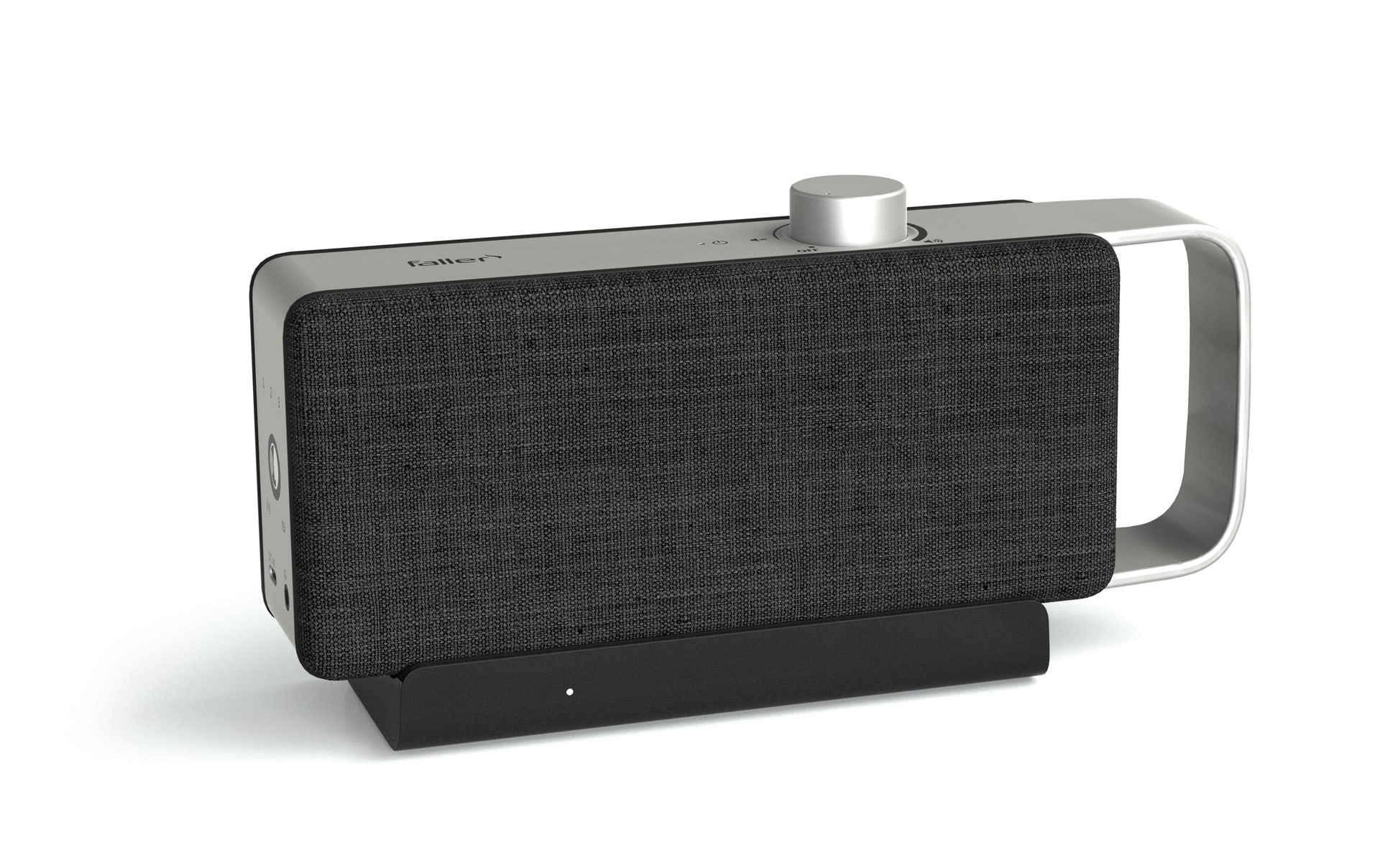
Faller Audio: Faller Audio ist bekannt für seine höchst nutzerfreundliche TV Soundbar mit herausragender Sprachverständlichkeit. Sie ist ein Must Have für alle, die klaren und präzisen TV-Ton schätzen. Die TV Soundbar OSKAR zeichnet sich durch eine unkomplizierte Einrichtung, kabellose Übertragung und besonders klare Dialogwiedergabe aus, die die Verständlichkeit des Fernsehtons erheblich verbessert. Dabei fügt er sich durch sein kompaktes und dezentes Design harmonisch in jedes Wohnzimmer ein. Für Anwender, die einfach besseren TV-Sound ohne komplexe Technik zu einem erschwinglichen Preis möchten, ist die Soundbar von Faller Audio eine überzeugende Wahl.
Soundbars von Nubert und Ambeo – innovative Technologien für Spitzenklang
Nubert: Nubert, ebenfalls ein deutscher Hersteller, genießt einen hervorragenden Ruf für audiophile Klangqualität. Die Soundbars von Nubert, wie beispielsweise die nuBoxx AS-425 max, sind für ihre neutralen, präzisen Klang und die hohe Verarbeitungsqualität bekannt. Sie richten sich an anspruchsvolle Hörer, die Wert auf eine authentische Klangwiedergabe legen.
Ambeo (Sennheiser): Sennheiser, ein weiterer deutscher Audiospezialist, hat mit der Ambeo Soundbar ein echtes Statement im High-End-Segment gesetzt. Die Ambeo Soundbar ist eine technologische Meisterleistung, die mit ihrer Virtualisierungs-Technologie einen extrem immersiven 3D-Klang erzeugt, der dem eines großen Mehrkanalsystems in nichts nachsteht. Sie ist eine exzellente Wahl für Nutzer, die das Nonplusultra an Soundbar-Klangqualität suchen und bereit sind, dafür zu investieren.
Modelle im Vergleich – das sollten Sie beachten
Beim Vergleich verschiedener Soundbar-Modelle ist es wichtig, die individuellen Bedürfnisse und das Budget zu berücksichtigen. Es geht nicht immer darum, das teuerste Modell zu wählen, sondern das, das am besten zum eigenen Einsatzbereich passt. Achten sollte man auf die Unterstützung der gewünschten Soundformate, die Anzahl der Kanäle, die Anschlussmöglichkeiten und die Integration in bestehende Smart-Home-Systeme. Lesen von Testberichten und der Vergleich von Funktionen können hier sehr hilfreich sein.
Die richtige Soundbar für unterschiedliche Einsatzbereiche
Die Wahl der Soundbar hängt maßgeblich davon ab, wofür sie hauptsächlich genutzt werden soll. Es gibt Spezialisten für Film, Musik oder den täglichen Fernsehgebrauch.
Heimkino-Feeling im Wohnzimmer
Für Filmfans, die das Kinoerlebnis ins eigene Wohnzimmer holen möchten, sind Soundbars mit 3D-Audio-Unterstützung wie Dolby Atmos oder DTS:X die beste Wahl. Diese Modelle schaffen eine immersive Klangbühne, die den Zuschauer mitten ins Geschehen zieht. Eine Soundbar mit einem externen Subwoofer ist hier ebenfalls empfehlenswert, um tiefe Bässe spürbar zu machen und Explosionen oder dramatische Musikszenen mit voller Wucht wiederzugeben. Achten sollte man auch auf eine hohe Kanalkonfiguration, um eine präzise Klangortung zu ermöglichen.
Soundbars speziell für Musikliebhaber
Musikliebhaber stellen oft andere Anforderungen an eine Soundbar als Filmfans. Hier stehen Klangtreue, Detailreichtum und eine ausgewogene Wiedergabe über das gesamte Frequenzspektrum im Vordergrund. Eine Soundbar mit guter Stereo-Performance, hochwertigen Treibern und eventuell einem separaten Subwoofer, der präzise Bässe liefert, ist ideal. Wichtige Funktionen für Musikliebhaber sind zudem die Unterstützung von hochauflösenden Audioformaten, eine stabile WLAN-Verbindung für Streaming-Dienste und die Möglichkeit zur Integration in Multiroom-Systeme. Einige Soundbars verfügen auch über spezielle Musik-Modi, die den Klang für die Audiowiedergabe optimieren.
Alltagstaugliche Soundbars für klare Dialoge und komfortable Bedienung
Für den täglichen Fernsehgebrauch, bei dem vor allem Nachrichten, Shows oder Sport übertragen werden, sind Soundbars wichtig, die eine exzellente Sprachverständlichkeit bieten. Viele Modelle verfügen über spezielle Sprachmodi, die Dialoge hervorheben und Hintergrundgeräusche reduzieren. Eine einfache Bedienung und unkomplizierte Anschlussmöglichkeiten, idealerweise über HDMI ARC/eARC, sind hier ebenfalls von Vorteil.
Kompakte Soundbars, die sich unauffällig in das Wohnzimmer integrieren lassen und keinen zusätzlichen Subwoofer benötigen, sind für diesen Einsatzbereich oft ausreichend und bieten dennoch eine erhebliche Verbesserung gegenüber den integrierten TV-Lautsprechern.
Bedienkomfort und Steuerung der Soundbar
Eine Soundbar sollte nicht nur gut klingen, sondern sich auch nahtlos in den Alltag integrieren lassen und einfach zu bedienen sein.
Fernbedienung, App oder Sprachsteuerung – was bevorzugen Nutzer?
Die meisten Soundbars werden mit einer eigenen Fernbedienung geliefert, die die grundlegenden Funktionen wie Lautstärke, Eingangswahl und Klangmodi steuert. Eine noch komfortablere Bedienung bieten Smartphone-Apps der Hersteller. Diese Apps ermöglichen oft detailliertere Einstellungen, Zugriff auf Streaming-Dienste und die Verwaltung von Multiroom-Systemen.
Für den ultimativen Bedienkomfort bieten immer mehr Soundbars eine Sprachsteuerung über integrierte Assistenten wie Amazon Alexa oder Google Assistant. Das ermöglicht das Ändern der Lautstärke, das Umschalten von Eingängen oder das Abspielen von Musik einfach per Sprachbefehl, ohne dass man nach einer Fernbedienung suchen muss. Die Wahl der bevorzugten Steuerungsmethode hängt von persönlichen Vorlieben und der Integration in das bestehende Smart-Home-Ökosystem ab.
Einfache Integration ins vorhandene TV-System
Die problemlose Integration ins vorhandene TV-System ist ein wichtiges Kriterium. Moderne Soundbars verbinden sich idealerweise über HDMI ARC oder eARC mit dem Fernseher. Diese Verbindung ermöglicht es, dass die Soundbar sich automatisch mit dem Fernseher einschaltet und ausschaltet und die Lautstärke über die TV-Fernbedienung gesteuert werden kann. Dies vereinfacht die Bedienung erheblich und macht die Soundbar zu einem nahtlosen Bestandteil des Fernseh-Setups. Achten Sie bei der Kaufberatung darauf, dass die gewählte Soundbar und Ihr Fernseher die notwendigen HDMI-Standards unterstützen.
Tipps zur Platzierung und Installation
Die korrekte Platzierung der Soundbar hat einen großen Einfluss auf das Klangerlebnis. Idealerweise sollte die Soundbar mittig unter dem Fernseher platziert werden und möglichst frei stehen, ohne dass Objekte den Klang blockieren. Viele Soundbars sind so konzipiert, dass sie direkt auf einem TV-Möbel platziert werden können. Alternativ bieten viele Hersteller Wandhalterungen an, um die Soundbar elegant unter einem an der Wand montierten Fernseher anzubringen.
Bei Soundbars mit Up-Firing-Lautsprechern für 3D-Klangformate ist es wichtig, dass der Deckenabstand und die Deckenbeschaffenheit eine Reflexion des Schalls ermöglichen, um den gewünschten Höheneffekt zu erzielen. Einige Soundbars bieten zudem eine automatische Raumkalibrierung, die den Klang optimal an die Raumakustik anpasst.
Preis-Leistungs-Verhältnis – Soundbars für jedes Budget
Der Markt für Soundbars ist vielfältig und bietet für jedes Budget das passende Modell. Von kompakten Einsteigermodellen bis hin zu High-End-Lösungen gibt es Soundbars in verschiedenen Preisklassen, die unterschiedliche Funktionen und Klangqualitäten bieten.
Premium Soundbars – Investition in besten Raumklang
Premium Soundbars, oft im oberen Preissegment angesiedelt, bieten das Nonplusultra an Klangqualität und Ausstattung. Diese Modelle zeichnen sich durch hochwertige Materialien, leistungsstarke Verstärker, eine Vielzahl von Treibern und oft auch die volle Unterstützung der neuesten 3D-Audioformate wie Dolby Atmos und DTS:X aus. Sie können ein extrem immersives Klangerlebnis erzeugen, das dem eines dedizierten Heimkinosystems sehr nahekommt.
Oft sind diese Soundbars mit erweiterten Konnektivitätsoptionen, intelligenten Features und einer ausgefeilten Raumkalibrierung ausgestattet. Eine Investition in eine Premium Soundbar ist sinnvoll für audiophile Nutzer und Film-Enthusiasten, die keine Kompromisse bei der Klangqualität eingehen möchten.
Mittelklasse-Modelle – starker Klang zum fairen Preis
Die Mittelklasse bietet eine breite Palette an Soundbars, die ein hervorragendes Gleichgewicht zwischen Preis und Leistung bieten. In diesem Segment findet man viele Modelle, die bereits eine deutliche Klangverbesserung gegenüber den TV-Lautsprechern liefern und oft auch grundlegende Surround-Sound-Fähigkeiten oder einen externen Subwoofer mitbringen.
Viele dieser Soundbars unterstützen ebenfalls wichtige Funktionen wie HDMI ARC/eARC, Bluetooth und manchmal sogar WLAN oder Multiroom-Fähigkeiten. Mittelklasse-Soundbars sind eine ausgezeichnete Wahl für die meisten Anwender, die einen spürbaren Klanggewinn wünschen, ohne das Budget übermäßig zu strapazieren. Hier gibt es eine große Auswahl an Modellen, die einen starken Klang zum fairen Preis bieten.
Einsteiger-Soundbars – gute Klangqualität ohne hohe Kosten
Einsteiger-Soundbars sind eine kostengünstige Möglichkeit, den Fernsehton signifikant aufzuwerten. Diese Modelle sind oft sehr kompakt und konzentrieren sich auf die Verbesserung der Sprachverständlichkeit und eine klarere Audiowiedergabe im Vergleich zu den TV-Lautsprechern. Sie sind ideal für kleinere Räume, Zweitfernseher oder Nutzer, die einfach eine unkomplizierte Klangverbesserung suchen, ohne großen Wert auf immersive Surround-Effekte oder komplexe Smart-Features zu legen.
Trotz ihres günstigeren Preises können auch Einsteiger-Soundbars ein überraschend gutes Klangerlebnis bieten und sind eine lohnende Investition für jeden, der das Potenzial seines Fernsehers voll ausschöpfen möchte.
Häufig gestellte Fragen zur Soundbar Kaufberatung
Beim Kauf einer Soundbar tauchen oft ähnliche Fragen auf. Hier finden sich Antworten auf einige der häufigsten Anliegen.
Welche Rolle spielen Anschlüsse wie HDMI und eARC?
Anschlüsse wie HDMI ARC (Audio Return Channel) und insbesondere HDMI eARC (enhanced Audio Return Channel) sind die Schlüssel zur optimalen Verbindung einer Soundbar mit dem Fernseher. HDMI ARC ermöglicht es, den Ton des Fernsehers über ein einziges HDMI-Kabel an die Soundbar zu senden und die Soundbar mit der TV-Fernbedienung zu steuern. Dies vereinfacht die Handhabung erheblich.
eARC bietet im Vergleich zu ARC eine deutlich höhere Bandbreite. Das ist entscheidend für die Übertragung von verlustfreien Audioformaten wie Dolby TrueHD und DTS-HD Master Audio sowie für objektbasierte 3D-Soundformate wie Dolby Atmos und DTS:X. Wenn Sie also die bestmögliche Klangqualität und immersive Surround-Effekte erleben möchten, ist eine Soundbar mit eARC-Unterstützung und ein passender Fernseher mit eARC-Anschluss essenziell.
Benötige ich zusätzliche Lautsprecher oder reicht eine einzelne Soundbar?
Ob zusätzliche Lautsprecher benötigt werden, hängt vom gewünschten Klangerlebnis ab. Eine einzelne Soundbar bietet bereits eine erhebliche Verbesserung gegenüber den TV-Lautsprechern und kann, je nach Modell, einen virtuellen Surround-Sound erzeugen. Für ein wirklich immersives Heimkino-Erlebnis, besonders mit 3D-Soundformaten, können zusätzliche Rear-Lautsprecher oder ein externer Subwoofer sinnvoll sein.
Viele Soundbar-Hersteller bieten Erweiterungssets an, die drahtlose Rear-Lautsprecher beinhalten, die das Klangfeld nach hinten erweitern. Ein externer Subwoofer ist immer dann empfehlenswert, wenn tiefe, spürbare Bässe gewünscht sind. Für den alltäglichen Fernsehgebrauch oder in kleineren Räumen reicht eine einzelne Soundbar oft vollkommen aus, um ein ausgewogenes und klares Klangbild zu erzeugen. Die Entscheidung hängt also von den individuellen Präferenzen und dem verfügbaren Platz ab.
Lohnt sich eine Soundbar mit Multiroom-Funktion?
Eine Soundbar mit Multiroom-Funktion lohnt sich besonders für Nutzer, die ein vernetztes Audiosystem im gesamten Haus aufbauen möchten. Mit Multiroom-Funktion kann die Soundbar nahtlos mit anderen kompatiblen Lautsprechern in verschiedenen Räumen verbunden werden. Das ermöglicht es, Musik synchron im ganzen Haus abzuspielen, Partymusik überall zu genießen oder in jedem Raum unterschiedliche Audioinhalte zu hören.
Marken wie Sonos oder Bose sind Vorreiter in diesem Bereich und bieten umfangreiche Multiroom-Ökosysteme. Wenn Sie bereits andere Multiroom-Lautsprecher besitzen oder planen, Ihr Audiosystem zukünftig zu erweitern, ist eine Soundbar mit dieser Funktion eine sinnvolle Investition, die den Bedienkomfort und die Vielseitigkeit Ihres gesamten Audio-Setups erheblich steigert.
Weitere Artikel

Gesunde Süßigkeiten-Alternativen für Senioren
Die Lust auf Süßes gehört für viele Menschen zum Alltag. Doch klassische Süßigkeiten enthalten oft große Mengen Zucker und liefern

Gemeinsam kochen im Alter
Mit zunehmendem Alter verändert sich der Alltag auf vielfältige Weise. Die Kinder sind aus dem Haus, der Partner ist vielleicht

Proteinreiche Ernährung im Alter
Mit zunehmendem Alter verändert sich der Körper auf vielfältige Weise, und die Ernährung spielt dabei eine entscheidende Rolle für Gesundheit