HÖRST
Emotional impact of sounds
August 7, 2025
6 minutes reading time

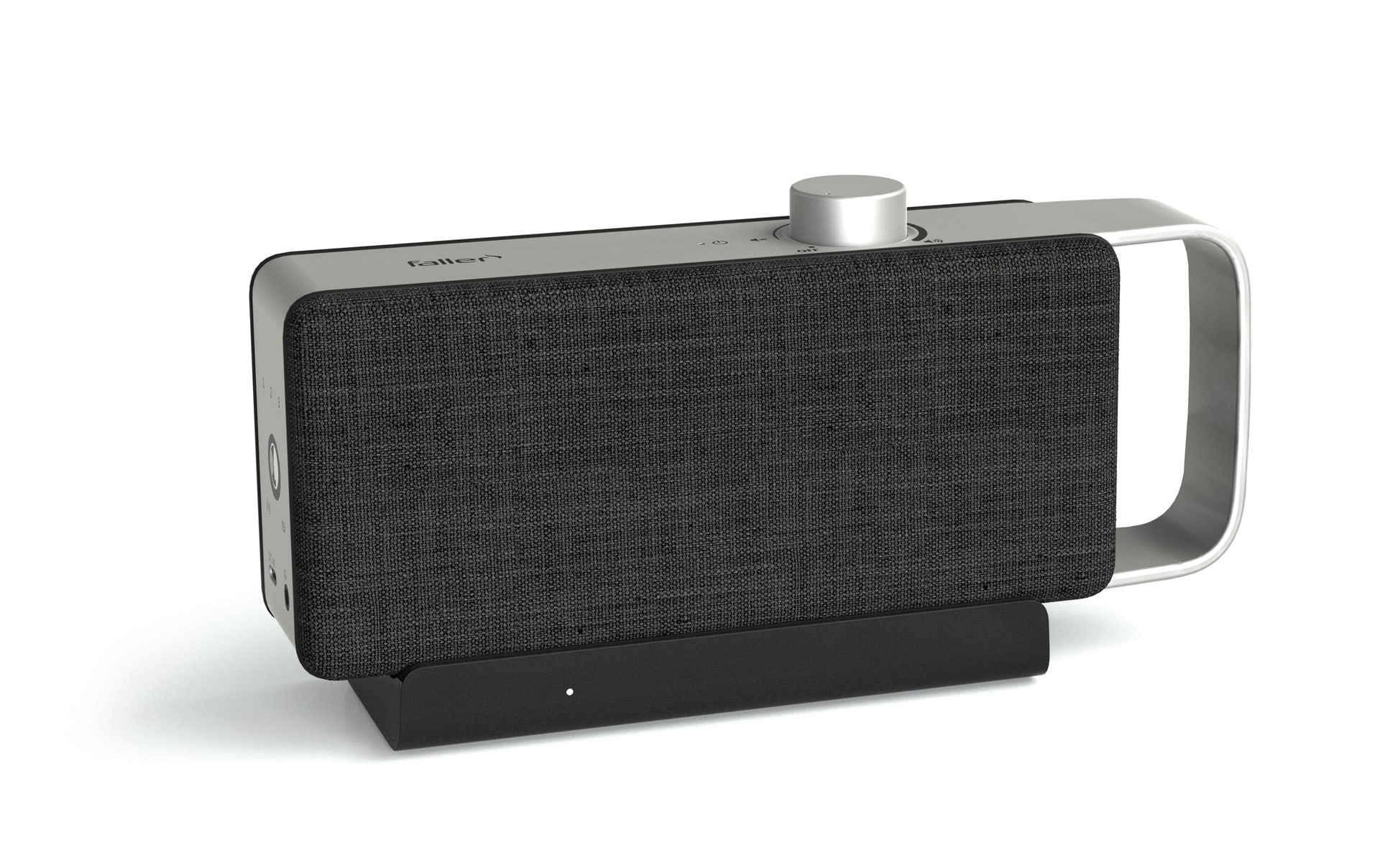
OSKAR
Portable TV voice amplifier
Advertisement
Table of contents
Sounds surround us constantly—often without us even being aware of them. But they have a profound effect on our emotions and well-being. Whether it's music, nature sounds, or everyday noises, sounds influence our mood, our memories, and even our physical health. This guide shows how strongly acoustic stimuli are connected to our innermost being and why it's worth paying more attention to what we hear.
Music and emotions
Even the first few notes of a favorite song can trigger a wave of emotions. Music reaches the limbic system in the brain—the center for emotions. It can trigger feelings of happiness, but also evoke sadness or bring memories to life. Studies show that music promotes the release of dopamine, a neurotransmitter associated with pleasure and motivation.
Music therapy is therefore used specifically for depression, anxiety disorders, or chronic pain. It helps to release emotional blockages, reduce stress, and promote a positive mood. Music is also an important therapeutic tool in the context of dementia: even when language and memories fade, musical memory often remains intact.
In addition to classical music genres, certain sound frequencies also have a positive effect. Binaural beats and certain tone sequences can influence brain waves and promote relaxation or concentration. Music therefore has not only an emotional effect, but also a neurological one.

Nature sounds and relaxation
The rustling of leaves in the wind, the babbling of a brook, or the chirping of birds have a calming effect on the nervous system. These natural sounds reduce stress, lower the heart rate, and promote the release of serotonin, a hormone that promotes balance.
Many people use nature sounds for meditation, breathing exercises, or as a sleep aid. In urban environments, the targeted use of nature sounds replaces the missing acoustic connection to the environment. In therapeutic contexts, they are used, for example, in singing bowl massage or as background music for autogenic training.
It is interesting to note that the brain processes natural sounds differently than technical noises. Natural sounds are more unpredictable and varied, which means they generate a different kind of attention. This effect can help distract from mental stress and provide psychological relief.
Everyday sounds and memories
Everyday sounds shape our acoustic memory. The clicking of a keyboard, the humming of a refrigerator, or the laughter of children can suddenly evoke intense memories. This phenomenon is called "auditory nostalgia"—an acoustic stimulus activates unconsciously stored experiences and triggers an emotional response.
The brain often associates sounds it hears frequently with feelings and situations. For example, the sound of a particular song may remind you of a summer vacation, or the ticking of a clock may bring back a childhood memory. This close connection between sound and emotion is deliberately exploited in advertising and brand communication: jingles, acoustic logos, or background noises are designed to trigger positive feelings and create trust.
The targeted perception of everyday sounds—for example, through mindful listening—can help to unlock memories and live more consciously in the moment. Auditory stimuli are used in rehabilitation work with people with cognitive impairments in particular to reactivate lost abilities.
The physiological effect of sounds
Sounds affect not only the mind, but also the body directly. Studies show that certain frequencies can reduce muscle tension or regulate breathing. Acoustic stimuli also affect the endocrine system: music or nature sounds can reduce the release of stress hormones and increase the concentration of oxytocin—a hormone associated with social bonding.
At the same time, constant noise can have the opposite effect: it increases blood pressure, leads to tension, and can cause long-term hearing damage. People who are constantly exposed to loud noises often become more irritable or develop sleep disorders. That is why being mindful of your acoustic environment is essential for your general well-being.

The ear as an organ of sense and balance
The ear is not only responsible for hearing, but also for balance. The inner ear contains the vestibular organ, which helps us to recognize our position in space. It registers accelerations and movements of the head and transmits this information to the brain.
Disorders of the vestibular system manifest themselves in dizziness, nausea, unsteadiness in everyday life, when walking, or visual disturbances. The causes can be harmless, such as spinning on a merry-go-round, but they can also be diseases such as inflammation of the inner ear or a dysfunction of the semicircular canals.
The close connection between balance and auditory perception is also evident in the fact that many people with hearing loss complain of balance problems. In audiology, therefore, both senses are considered together. Hearing and balance training are now part of integrative therapy approaches, especially for older people.
Conscious listening as a health resource
Most acoustic stimuli are processed unconsciously—we hear without listening. However, conscious sound perception can improve quality of life. People who consciously engage with their acoustic environment are better able to classify stimuli, identify stress-inducing noises, and make targeted use of pleasant sounds.
Mindful listening can be trained: through quiet walks, sound journeys, or deliberately listening to sounds in the room. Temporarily switching off sources of acoustic disturbance, for example through noise-canceling headphones or conscious periods of rest, can also relieve the ears and refine perception.
Conscious hearing habits also contribute to prevention: people who pay attention to noise at an early stage and use protective measures such as hearing protection reduce their risk of stress-related illnesses and hearing damage. This form of self-care is becoming increasingly important, especially in our digital everyday lives, where constant notifications, media noise, and background music are ever-present.
Did you know? – Facts about hearing
- Hearing loss does not simply mean that everything sounds quieter: often, certain frequencies are affected, making speech unclear.
- Conscious listening promotes concentration and reduces acoustic stress.
- A magnesium deficiency can contribute to the development of hearing loss.
- Studies show a link between untreated hearing loss and an increased risk of dementia.
- The human ear contains the smallest bone in the body: the stapes.
- Our ears hear differently: the right ear is more sensitive to speech, while the left ear is more sensitive to music.
- The hearing system remains active even during sleep, filtering out important signals from the environment, such as a child crying or an alarm clock ringing.
Sounds are constant companions in our everyday lives. They influence how we feel, how we act, and how we remember. It is worthwhile to be more conscious of them.
Further articles

Healthy candy alternatives for seniors
For many people, craving sweets is part of everyday life. However, traditional sweets often contain large amounts of sugar and provide

Cooking together in old age
As we get older, our everyday lives change in many ways. The children have left home, our partner may be

Protein-rich nutrition in old age
As we age, our bodies change in many ways, and nutrition plays a crucial role in our health.