HÖRST
listening training
August 7, 2025
5 minutes reading time

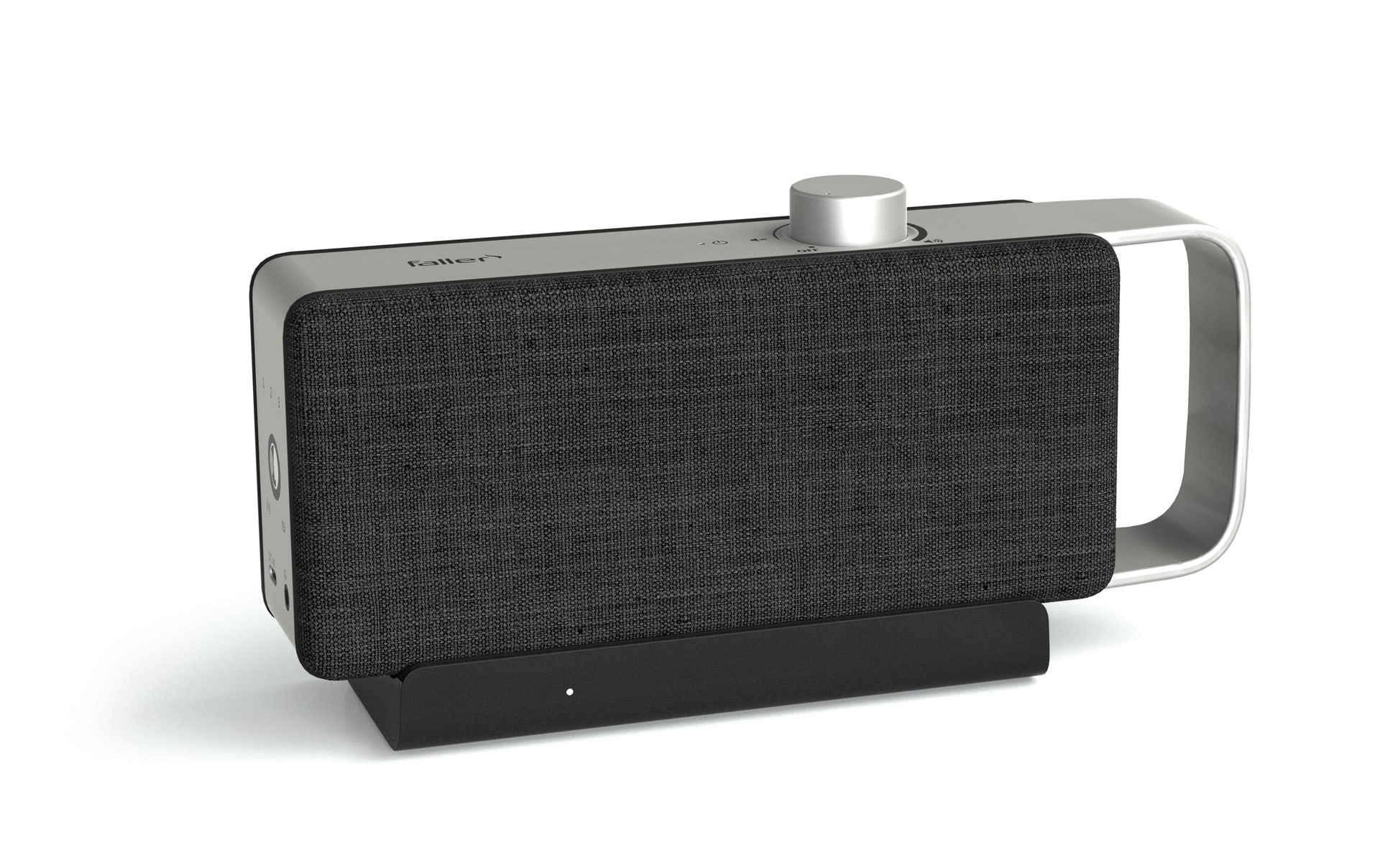
OSKAR
Portable TV voice amplifier
Advertisement
Table of contents
Tips and exercises for effective listening
Hearingis one of the most important abilities humans possess. It enables us to interact with our environment, recognize dangers in good time, and maintain social relationships. Hearing loss can therefore significantly impair quality of life. The brain plays a crucial role in auditory processing. If you suffer from hearing loss, targeted auditory training can help improve brain function and speech comprehension.
The importance of the brain in the hearing process
The earis the organ that picks up sounds, but the brain is the organ that interprets these sounds and assigns meaning to them. The auditory center in the brain is responsible for processing acoustic signals
. In people with hearing impairment or hearing loss, the nerve connections in the brain that are responsible for hearing may be weakened. Hearing training can help strengthen these connections and improve hearing ability.
How does auditory training work?
Auditory training consists of a series of special exercises designed to improve hearing and auditory processing. These exercises can improve directional hearing, speech comprehension in noisy environments, and the ability to distinguish between different sounds. Auditory training can also help improve the auditory experience for people with tinnitus.

Hearing aids and hearing training
Hearing aidsare an important component in the treatment of hearing loss. They help to make sounds louder and make hearing easier. However, hearing aids alone are often not enough to completely improve hearing. Accompanying hearing training can help to train the brain to better process the sounds amplified by the hearing aids.
Exercises for effective listening training
There are various exercises that can be performed as part of auditory training. Here are a few examples:
Directional hearing:
This exercise focuses on accurately determining the direction from which a sound is coming. This can help improve spatial orientation.
Distinguishing sounds:This involves distinguishing between different sounds. This can improve the brain's ability to separate important sounds from unimportant ones
.
This exercise can help you to understand conversations better in noisy environments.
Listening to music:
Music can help train the brain and strengthen neural connections.
It is important to practice regularly and adapt the exercises to individual needs. A hearing care professional or hearing therapist can help create a suitable training program.

The role of auditory therapy
Hearing therapy is an important part of hearing training. It encompasses various measures aimed at improving hearing function and auditory processing. These include special hearing exercises, but also the fitting of hearing aids and other hearing systems. Hearing therapy can help improve the quality of life for people with hearing impairment or hearing loss.
Benefits of auditory training
Improving speech comprehension:
The training helps you understand conversations better, even in noisy environments.
Improved spatial orientation:
You can better perceive the direction from which sounds are coming.
Reducing tinnitus:
For some people, auditory training can help reduce tinnitus.
Better hearing with hearing aids:
The training can help you to better process the sounds amplified by the hearing aids.
Tips for effective listening training
Regularity:
It is important to practice regularly, ideally every day.
Patience:
Improving your hearing is a process that takes time. Be patient with yourself.
Everyone is different. Adaptthe exercises to your individual needs.
Use of hearing aids:
If you wear hearing aids, it is important to use them during exercise as well.
Conclusion
Hearing training is an effective method for improving hearing ability and auditory processing in people with hearing impairment or hearing loss. Regular exercises can improve speech comprehension, spatial orientation, and the ability to distinguish between different sounds. Hearing perception in people with tinnitus can also be improved. Hearing therapy and the fitting of hearing aids and other hearing systems are important components of auditory training. With patience and regular training, you can improve your hearing and enhance your quality of life. For more information, it is best to consult your doctor or a hearing care professional directly.
Further articles

Healthy candy alternatives for seniors
For many people, craving sweets is part of everyday life. However, traditional sweets often contain large amounts of sugar and provide

Cooking together in old age
As we get older, our everyday lives change in many ways. The children have left home, our partner may be

Protein-rich nutrition in old age
As we age, our bodies change in many ways, and nutrition plays a crucial role in our health.