HÖRST
How does hearing work?
August 7, 2025
4 minutes reading time

OSKAR
Portable TV voice amplifier
Advertisement
Table of contents
From sound to auditory perception
The process of hearing is amazingly complex and fascinating. The finely tuned mechanisms of our hearing enable us to experience the diversity of sounds in the world. Our ear not only acts as a pure sound receiver, but also processes the incoming sound waves in an amazing way to give us a precise perception of sounds. In this article, you will learn more about the amazing capabilities of our auditory system.
The structure of the ear: three main parts for a unique function
The human earconsists of three main parts:
- the outer ear
- the middle ear
- the inner ear
These parts all play a crucial role in the process of hearing. But how exactly do they help us perceive the sounds and noises around us?
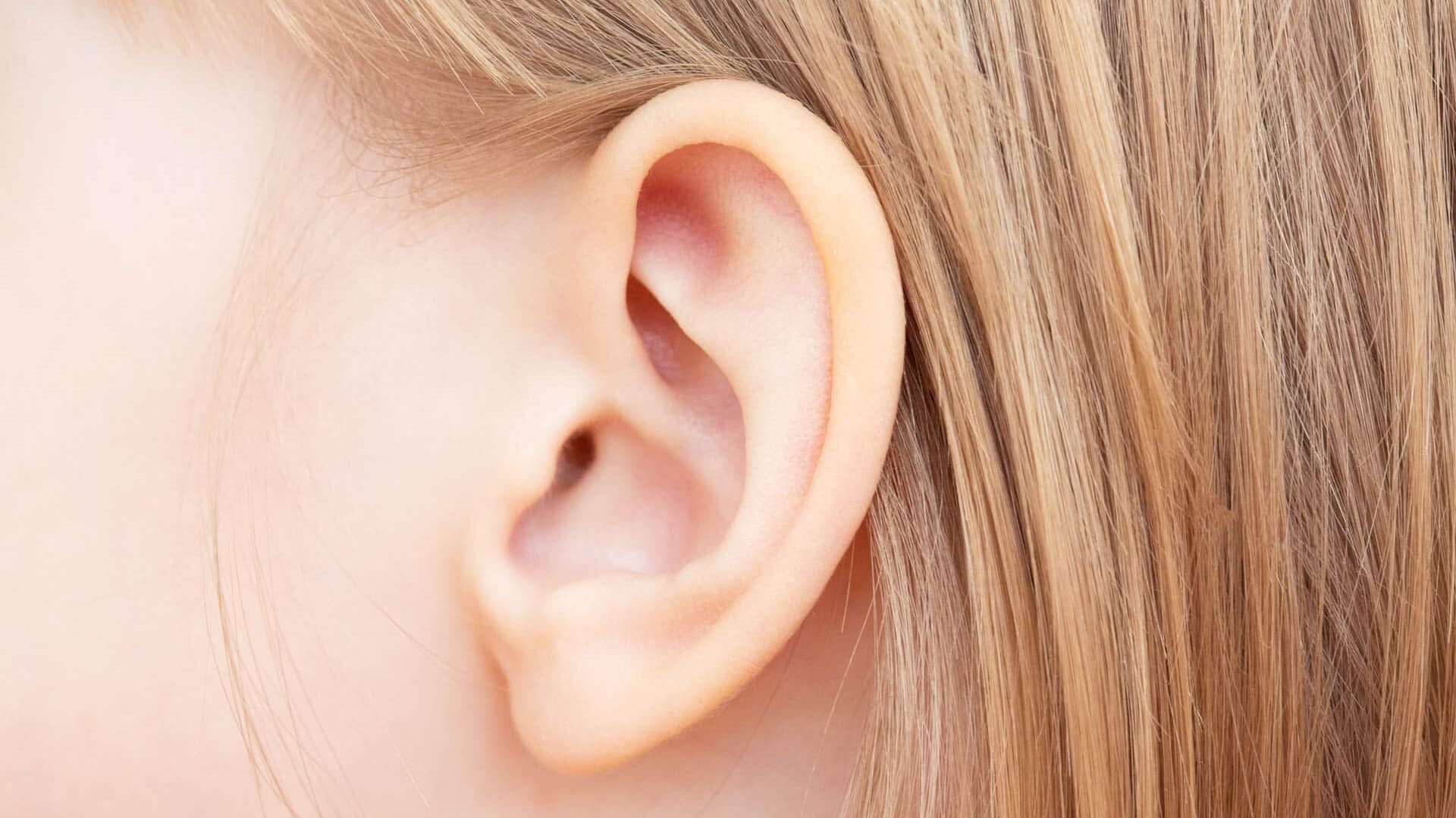
Theouter earcomprises the auricle and the ear canal. The auricle catches the sound waves and directs them into the ear canal. The sound waves vibrate through the ear canal and hit the eardrum. These vibrations initiate the process of hearing. Just like a funnel directs water into a bottle, the auricle directs sound deep into our ear.
Themiddle earis home to three tiny bones: the malleus, incus, and stapes—the ossicles. They are the smallest bone system in the human body and transmit sound waves from the air to the inner ear. This part also contains the tympanic cavity, an air-filled space that equalizes the pressure between the outer and middle ear. This is where a connection is formed between the ear canal and the inner ear, a bridge that carries sound.
The inner earcontains the cochlea, also known as the snail. It is filled with fluid and contains thousands of hair cells. These tiny hairs react to the slightest movements and convert them into electrical signals.
The path of sound: From the outer ear to the brain
The path of sound from the outer ear to the brain can be imagined as a kind of relay race, in which the baton—in this case, the sound—is passed from one team member to the next. At each step of the process, the sound changes and approaches its final form as a sound that our brain can recognize.
Step 1: Sound is picked up by the outer ear
The sounds around us are sound waves that vibrate through the air. These waves hit the outer ear, are focused, and directed into the ear canal.
Step 2: Transmission to the middle ear
The sound waves hit the eardrum and cause it to vibrate. These vibrations are transmitted to the ossicles, which amplify the vibrations and transmit them to the inner ear.
Step 3: Conversion into electrical signals in the inner ear
The vibrations reach the cochlea and move the fluid inside it. The tiny hairs of the hair cells follow this movement, which leads to electrical impulses.
Step 4: Transmission of impulses to the brain
The electrical signals generated are picked up by the auditory nerve and transmitted to the auditory center in the brain. There they are interpreted as sounds and noises. The auditory nerve is like a messenger that carries messages from the hair cells to the brain.
Our hearing: frequencies and frequency ranges
The human ability to hear is impressive. We can perceive a wide range of frequencies. The normal frequency range that human hearing can cover is between 20 Hz and 20,000 Hz. However, it is important to know that our hearing can deteriorate over time, which can lead to hearing loss.
Modern solutions for hearing: hearing aids
If hearing loss occurs at some point, whether due to age or illness, there are various aids that can improve hearing. Hearing aids, for example, amplify sound waves so that they can be more easily picked up and processed by the ear.
However, hearing aids are generally designed to amplify all sounds, i.e., both speech and ambient noise. This can be particularly problematic when watching television.
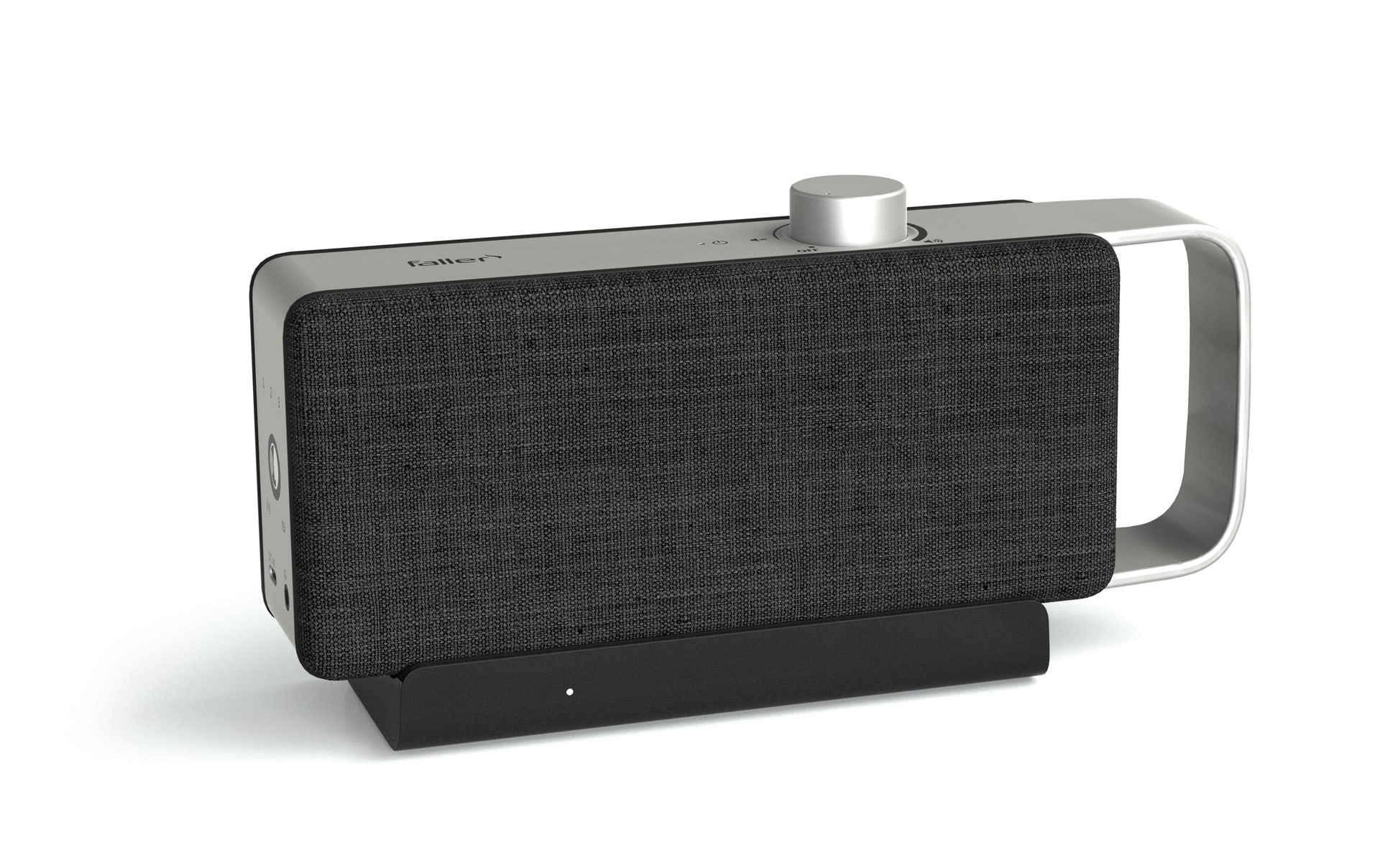
That's why faller audio developed theOSKAR TV audio amplifierfor people with hearing loss. The portable speaker amplifies dialogue while watching TV and filters out distracting background noise at the same time. This makes it a useful addition to a hearing aid.
Further articles

Healthy candy alternatives for seniors
For many people, craving sweets is part of everyday life. However, traditional sweets often contain large amounts of sugar and provide

Cooking together in old age
As we get older, our everyday lives change in many ways. The children have left home, our partner may be

Protein-rich nutrition in old age
As we age, our bodies change in many ways, and nutrition plays a crucial role in our health.