HÖRST
Smart TV for seniors
August 4, 2025
5 minutes reading time


OSKAR
Portable TV voice amplifier
Advertisement
Table of contents
Smart TVs offer countless possibilities: streaming services, media libraries, internet access, and apps. But what many see as an enhancement to the television experience can be a real challenge for older people. Especially for seniors who did not grow up with digital media, operating a modern smart TV often presents a major hurdle. This guide highlights typical problems and suggests useful solutions for breaking down digital barriers and making television an intuitive medium again.
Why smart TVs are a challenge for many seniors
The introduction of Internet-enabled televisions has fundamentally changed the classic TV experience. Instead of simply selecting a channel, today there are app stores, network settings, user accounts, privacy notices, and updates. All of these elements require technical understanding, which many older people do not automatically possess.
What's more, the menus are often complex, the font sizes are small, the remote control is cluttered with symbols, and navigating through submenus is not very intuitive. Many seniors report feeling overwhelmed when, for example, the familiar program preview is missing or the device does not respond to the buttons as usual.
Common issues when using smart TVs
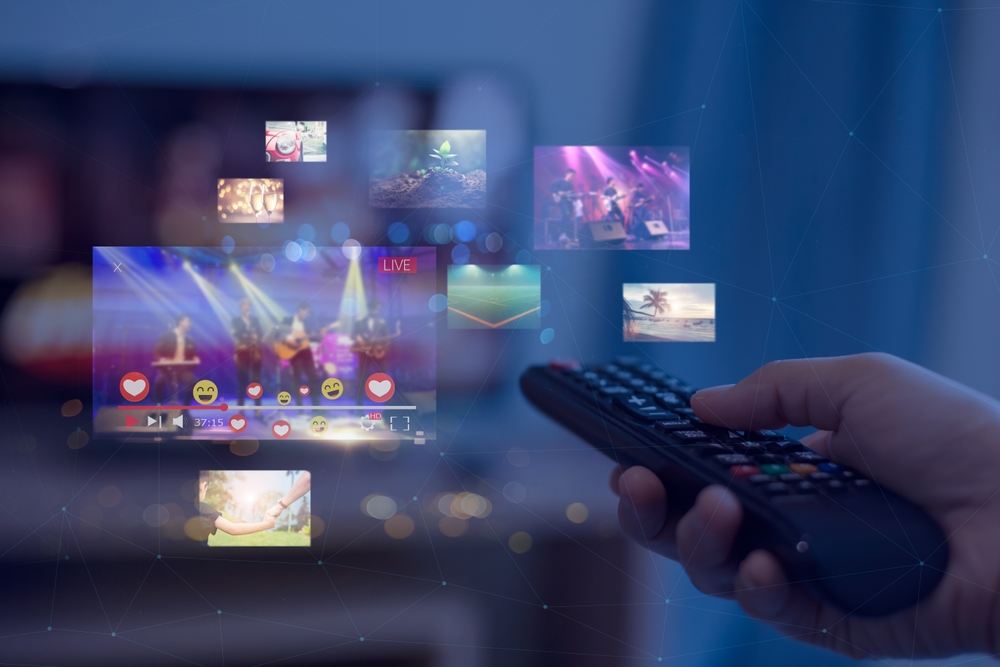
In many cases, the remote control of a smart TV is no longer a simple tool for selecting programs. Additional buttons for menus, apps, voice input, or Internet functions tend to confuse rather than help. Often, there is a lack of color contrast, and the button assignments are not self-explanatory.
Nested menus
Navigating through multiple menu levels is unfamiliar to many older people. Unlike traditional televisions, where channels were selected directly using number buttons, many functions are now hidden in app views or menus. Those who are unfamiliar with the structure find it difficult to navigate.
Regular software updates
Another obstacle is automatic or manual software updates. Although these are important for security and functionality, the installation process often involves waiting times, restarts, and questions that can unsettle seniors. Error messages and references to data protection policies also cause anxiety.
Privacy and security concerns
Many older people are generally more cautious when using the internet. If a smart TV automatically connects to Wi-Fi or asks for a user account, this quickly triggers skepticism. Uncertainty about whether personal data is being stored or passed on often prevents them from using certain functions.
Wishes and needs of older users
Seniors have different expectations of a television than digital natives. While younger users appreciate streaming services, YouTube, and voice assistants, many older people focus on ease of use. They want clear functions, easily visible text, logical menus, and simplified controls without technical pitfalls.
The desire for analog control also remains: a device should work at the touch of a button, without the internet, without entering a password, without configuration. The ability to access classic TV functions is an important factor for greater convenience and security in everyday life.
What manufacturers can improve
A key point is the design of the user interface. Fewer menus, clear symbols, large fonts, and high-contrast displays can make it easier to get started. The ideal solution is a home page that can be individually configured and immediately leads to the most important functions: television, volume, program overview.
Intuitive user interfaces
A key point is the design of the user interface. Fewer menus, clear symbols, large fonts, and high-contrast displays can make it easier to get started. The ideal solution is a home page that can be individually configured and immediately leads to the most important functions: television, volume, program overview.
Simple remote controls
Simplified remote controls with a few large buttons, tactile feedback, and clear labeling are particularly helpful for seniors. Some manufacturers already offer so-called senior remote controls that are tailored specifically to this target group.
Easy-to-understand instructions
Another useful aid is printed operating instructions in large print with clear step-by-step explanations. Digital tutorials in simple language or short videos directly on the device can also be helpful. The more specific, the better: many seniors appreciate it when functions are explained using concrete examples.
Training and customer support
Manufacturers should provide training courses or explanatory videos for older users. Even better are local training courses at electronics stores or through senior citizens' associations. Telephone customer support that responds to questions in a clear and patient manner is also an indispensable aid for many seniors.
How to successfully enter the world of smart TVs
Your first experience with a smart TV should not be frustrating. That's why it makes sense to look for senior-friendly models when you buy one. Some devices offer a "beginner mode" or particularly simple navigation. You can also set up the device together with family members, who can customize it to the needs of the older person.
It is advisable to activate only the most important functions and hide unnecessary menus. Favorite channels should be assigned to speed dial buttons, and important apps should be placed on the home screen. Those who are tech-savvy can manage the device remotely and thus help with any problems.
Technology must not exclude anyone
Smart TVs have the potential to make entertainment more convenient and versatile—for all age groups. To ensure that seniors can also benefit from this, devices must be designed to be simpler, more accessible, and more transparent. Manufacturers, retailers, and families all share responsibility in this regard.
At the same time, it is clear that those who venture into modern technology with support can enjoy many advantages. From media libraries and accessible content to video telephony—with the right guidance, smart TVs can be a real asset in everyday life, even for seniors.
Further articles

Healthy candy alternatives for seniors
For many people, craving sweets is part of everyday life. However, traditional sweets often contain large amounts of sugar and provide

Cooking together in old age
As we get older, our everyday lives change in many ways. The children have left home, our partner may be

Protein-rich nutrition in old age
As we age, our bodies change in many ways, and nutrition plays a crucial role in our health.