HÖRST
Auditory nerve – functions & disorders
August 7, 2025
5 minutes reading time
OSKAR
Portable TV voice amplifier
Advertisement
Table of contents
The auditory nerve plays a crucial role in how acoustic stimuli from the environment are processed in the brain. It not only transmits sounds, but is also a central component of our sense of balance. If the auditory nerve is damaged or diseased, this can have far-reaching consequences for hearing and spatial orientation. This article explains the structure and function of the auditory nerve, typical diseases that can occur, and how targeted diagnosis and treatment work.
Structure and function of the auditory nerve
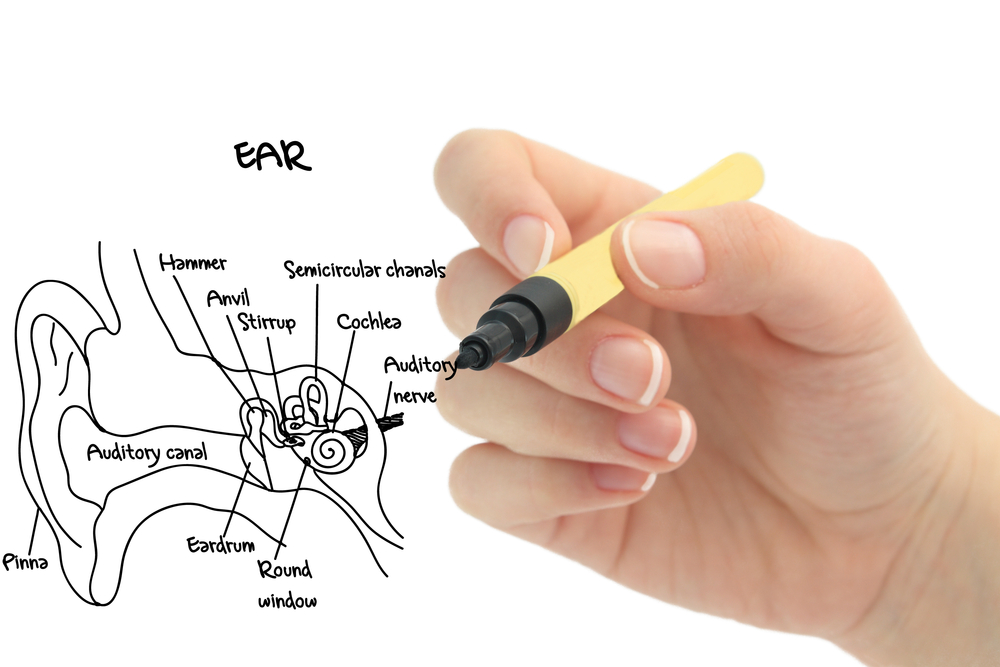
The auditory nerve, medically known as the vestibulocochlear nerve, is the eighth cranial nerve and consists of two parts: the cochlear nerve for hearing and the vestibular nerve for balance. Together, they run from the inner ear through the internal auditory canal to the brain stem, where the signals are processed and forwarded to higher brain centers.
The inner ear contains the hair cells of the cochlea, which convert sound waves into electrical impulses. These impulses travel to the brain via the cochlear nerve, enabling us to consciously perceive sounds, speech, and noises. The vestibular nerve transmits information from the vestibular system about head position and movement. Both parts work closely together and are connected to other cranial nerves to ensure smooth perception and coordination.
Possible symptoms of auditory nerve disorders
Diseases or damage to the auditory nerve can cause various symptoms, depending on which part of the nerve is affected. A common consequence is unilateral or bilateral hearing loss. This can occur suddenly or gradually. Tinnitus—disturbing noises in the ear such as whistling or hissing—is also a typical sign of a conduction disorder in the auditory nerve.
If the vestibular nerve is affected, this often leads to severe dizziness, unsteadiness, and balance disorders. The symptoms often occur suddenly and are accompanied by nausea, nystagmus, or vomiting. In such cases, rapid diagnosis is crucial in order to rule out serious causes.

Diseases affecting the auditory nerve
One of the most well-known diseases of the auditory nerve is acoustic neuroma. This is a benign tumor that originates in the vestibular nerve. It usually grows slowly, but can increasingly displace the auditory nerve over time. Typical symptoms include unilateral hearing loss, tinnitus, and persistent dizziness. If this condition is suspected, imaging should be performed at an early stage.
Inflammatory processes such as vestibular neuritis can also affect the auditory nerve. This condition primarily affects the balance nerve and is accompanied by acute vertigo, often without hearing loss. Other possible causes of symptoms include circulatory disorders, injuries, or, in rare cases, genetic factors. Diseases of the brain can also affect the function of the cranial nerve.
How the auditory nerve is examined and diagnosed
If a disease of the auditory nerve is suspected, the first step is usually to consult an ENT doctor. There, a detailed medical history will be taken and initial exploratory examinations will be carried out, including hearing tests and balance tests. These tests will determine whether and to what extent a hearing or balance disorder is present.
Further imaging may be necessary if the findings are abnormal. Magnetic resonance imaging (MRI) is particularly helpful in visualizing tumors such as vestibular schwannomas. Neurological examinations or balance tests such as videonystagmography can also contribute to the diagnosis.

Treatment options for diseases of the auditory nerve
Treatment depends on the cause. Cortisone preparations are often used for inflammatory conditions such as vestibular neuritis. They are intended to reduce inflammation and promote rapid recovery. Medication to combat nausea and dizziness is also administered to alleviate the symptoms.
In the case of acoustic neuroma, a decision must be made on an individual basis as to whether surgical removal is necessary. Depending on the location and size, controlled observation or radiation therapy may also be considered. If hearing loss persists, hearing aids or cochlear implants can help improve hearing.
Physiotherapy training is often used to stabilize balance in cases of balance disorders. Targeted rehabilitation measures can help to reduce everyday limitations and regain confidence in one's own body control.
Living with auditory nerve disorder
If the function of the auditory nerve is permanently impaired, this can have a significant impact on everyday life. Impaired hearing can make communication difficult, especially in noisy environments or when talking to several people. Dizziness or balance disorders impair mobility and often lead to uncertainty or falls.
Nevertheless, with the right treatment and support, it is possible to lead an active life. In addition to technical aids such as hearing aids, education and acceptance also play a role. Many affected individuals also benefit from rehabilitation programs, balance training, and interaction with others.
Further articles

Healthy candy alternatives for seniors
For many people, craving sweets is part of everyday life. However, traditional sweets often contain large amounts of sugar and provide

Cooking together in old age
As we get older, our everyday lives change in many ways. The children have left home, our partner may be

Protein-rich nutrition in old age
As we age, our bodies change in many ways, and nutrition plays a crucial role in our health.