HÖRST
Living with hearing loss
August 7, 2025
5 minutes reading time
OSKAR
Portable TV voice amplifier
Advertisement
Table of contents
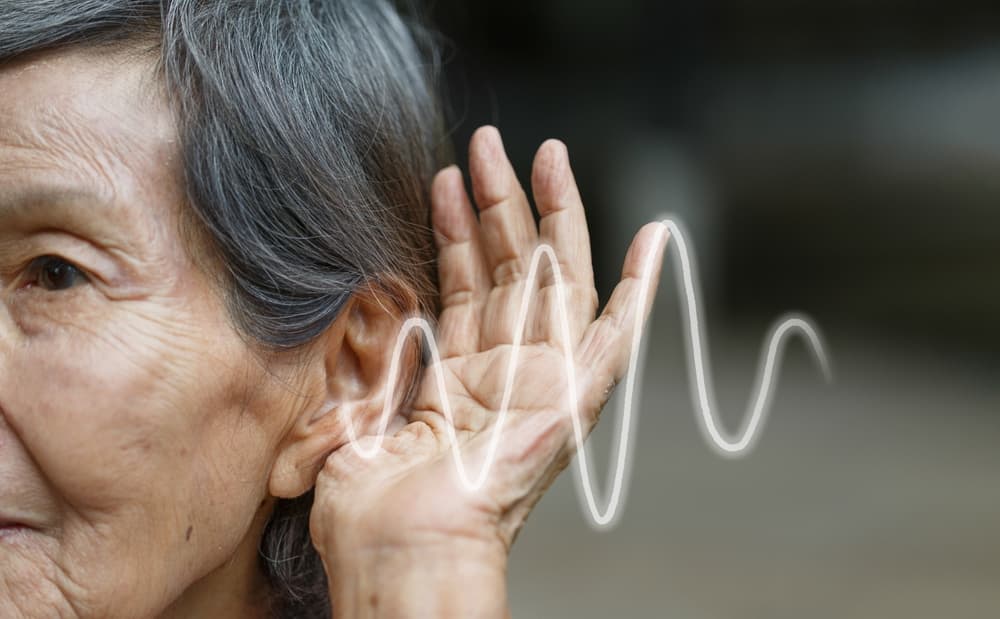
For many people, hearing loss is more than just a medical problem. It affects their social life, self-image, and everyday life as a whole. However, with the right attitude, professional support, and modern technology, it is possible to lead an active and fulfilling life even with impaired hearing. The adjustment takes time and patience, but it can also open up new perspectives and lead to a more conscious approach to communication and self-care. This article provides specific advice for those affected and shows ways to better cope with the new hearing situation—in everyday life, in social settings, and for your own quality of life.
First steps after diagnosis
When an ENT doctor or audiologist diagnoses hearing loss, it is often a turning point. Many people affected find this moment unsettling, and some even find it shocking. It is normal to react to the diagnosis with questions, uncertainty, or even denial. The important thing to remember is that hearing loss does not mean losing contact with the world. There are numerous ways to actively counteract it.
The first step is to gather comprehensive information about your own situation. What type of hearing loss do you have? Which frequency ranges are affected? How severe is the impairment? This information will help you plan the next steps in a targeted manner. It is also worth talking to specialists to include emotional aspects and individual circumstances in the consultation.
Why medical and audiological help is crucial
Expert care is the key to dealing with hearing loss properly.ENT doctors can rule out or treat diseases, while audiologistsand hearing care professionals analyze hearing ability precisely and suggest suitable solutions. Only through a thorough examination can appropriate care measures and technical aids be selected sensibly.
Depending on the findings, hearing aids, hearing training, or other aids may be considered. Sometimes medical measures such as cortisone therapy (e.g., in cases of sudden hearing loss) are also necessary. Regular check-ups help to monitor developments and make adjustments if necessary. Continuous support from experts also ensures better adaptation to changing hearing conditions—both physically and psychologically.
Communicating with your family—speaking openly helps
Hearing loss affects not only the person affected, but also their social environment. Conversations become more difficult, misunderstandings become more frequent, and situations can be perceived as stressful. This often leads to withdrawal or frustration—on both sides.
That's why it's important to talk openly with family and friends. Explaining what is difficult and how others can help creates understanding and relieves the burden on yourself. Many small adjustments—speaking clearly, maintaining eye contact, reducing background noise—can make everyday life noticeably easier. An open culture of communication breaks down barriers and promotes mutual trust in dealing with hearing loss.

Accepting help – actively using support
Especially at the beginning, it is not easy to accept help. Many people see it as a weakness or do not want to be a burden. But support can make many things easier: a family member who attends doctor's appointments, someone who is tech-savvy and can help with adjusting a hearing aid, or simply people who listen patiently and think along with you.
Accepting help is not a sign of weakness, but rather of self-care. It also promotes self-confidence, because those who feel well supported can deal with their hearing situation more confidently. Those who learn early on to see help as a resource develop strategies for self-organization more quickly and find their everyday life less stressful—both socially and professionally.
Discover technological aids
Modern hearing aids are true all-rounders today. They filter out background noise, aid speech comprehension, and connect to smartphones or televisions. Special headphones, light signaling systems, and mobile microphones can also improve everyday situations. The range of technical solutions is constantly growing—adapted to different lifestyles and needs.
It is important to seek advice: Which technology suits your needs? Which settings do you want to adjust yourself, and which would you prefer to have controlled automatically? If you know your own capabilities, you can use technology not only as an aid, but also as active support in everyday life. Training courses and test phases help you to make optimal use of the appropriate functions and reduce barriers.
The social factor: exchange with other affected individuals
Knowing that you are not alone can be a huge help. Talking to other people in the same situation not only provides emotional relief, but often also offers practical tips. How can I manage with my hearing aid at the theater? Which app can help with hearing training? What should I say in conversations when I haven't understood something?
Hearing loss is an experience shared by many people. Whether in a local support group, at a counseling center, or online, connecting with like-minded individuals can give you new courage, motivation, and help broaden your perspective. Sharing experiences also promotes social participation and creates new networks—far beyond medical care.
Self-help groups and online communities
Many cities have support groups for people with hearing loss. These groups provide a place to exchange ideas, try out new devices, share experiences, or simply talk openly about your own challenges. Many groups work closely with hearing care professionals or ENT partners and offer regular meetings, lectures, or joint activities.
There are also numerous opportunities online: forums, social networks, and special platforms for the hearing impaired. Here you can find testimonials, technology recommendations, tips for everyday life, and information on new medical developments. Those who actively participate will quickly realize that sharing experiences brings new perspectives and gives you the feeling of being heard—even when hearing is difficult.
ADDRESSES AND LINKS FOR FURTHER INFORMATION:
German Society of Otorhinolaryngology:
www.hno.org
Federal Association of the Hearing Aid Industry:
www.bvhi.org
German Society of Audiology:
www.dga-ev.com
Further articles

Healthy candy alternatives for seniors
For many people, craving sweets is part of everyday life. However, traditional sweets often contain large amounts of sugar and provide

Cooking together in old age
As we get older, our everyday lives change in many ways. The children have left home, our partner may be

Protein-rich nutrition in old age
As we age, our bodies change in many ways, and nutrition plays a crucial role in our health.