HÖRST
age-related hearing loss
August 7, 2025
4 minutes reading time

OSKAR
Portable TV voice amplifier
Advertisement
Table of contents
Unfortunately, it is an inevitable reality of aging that our bodies change. But did you know that our hearing is also affected? These changes can manifest themselves in different ways and have different consequences. Here you can learn more about age-related changes in hearing and age-related hearing loss.
What is age-related hearing loss?
Age-related hearing loss, also known as presbycusis, is a gradual but steady decline in our hearing ability due to natural changes inthe ear. It is a common consequence of the aging process and affects millions of people worldwide. Although there is no cure, there are many waysto improve hearingand maintain quality of life.
How does age-related hearing loss manifest itself?
The symptoms of age-related hearing loss can be subtle and gradual. They include:
- Difficulty hearing high-pitched sounds and certain frequencies
- Difficulty understanding conversations in noisy environments
- The impression that sounds or voices sound "muffled"
- The constant need to increase the volume of the TV or radio
These difficulties can lead to isolation and frustration, so it is important to pay attention to changes in hearing and seek help in good time.
What causes age-related hearing loss?
The role of hair cells
Our inner ear contains thousands of hair cells that are responsible for converting sound waves into electrical signals, which are then interpreted by our brain as sounds. With age, some of these hair cells die and cannot be replaced, leading to gradual hearing loss. This is a natural process that can be influenced by various factors.
Other risk factors
There are other factors that can contribute to hearing loss. These include:
- Long-term exposure to loud noise
- Certain medical conditions, such as diabetes or high blood pressure
- Genetic factors
- Certain medications that can damage hearing
Each of these factors can accelerate the aging process of the ear and increase the risk of age-related hearing loss.
How is age-related hearing loss diagnosed and treated?
If you are concerned that your hearing is deteriorating, the first step is to see an ENT specialist. A thorough examination and hearing test can provide information about the extent and cause of your hearing loss. Early detection and treatment can help slow the progression of hearing loss and improve your quality of life.
Although there is no cure for age-related hearing loss, as the hair cells in the inner ear cannot regrow, there are several treatment options and aids that can help improve your hearing and enhance your quality of life.
hearing aids
Hearing aids are small devices that are worn in or behind the ear. They amplify sounds, making it easier to hear. A hearing care professional can help you find the right device and adjust it correctly so that you can actively participate in social life again and maintain your independence.
cochlear implants
For people with severe hearing loss, cochlear implants may be an option. These devices bypass the damaged parts of the hearing organ and stimulate the auditory nerve directly.
Assistive Listening Devices (ALDs)
ALDs are devices that make everyday life easier and safer for people with hearing loss, such as special telephone amplifiers and alarms.
TV hearing amplifier
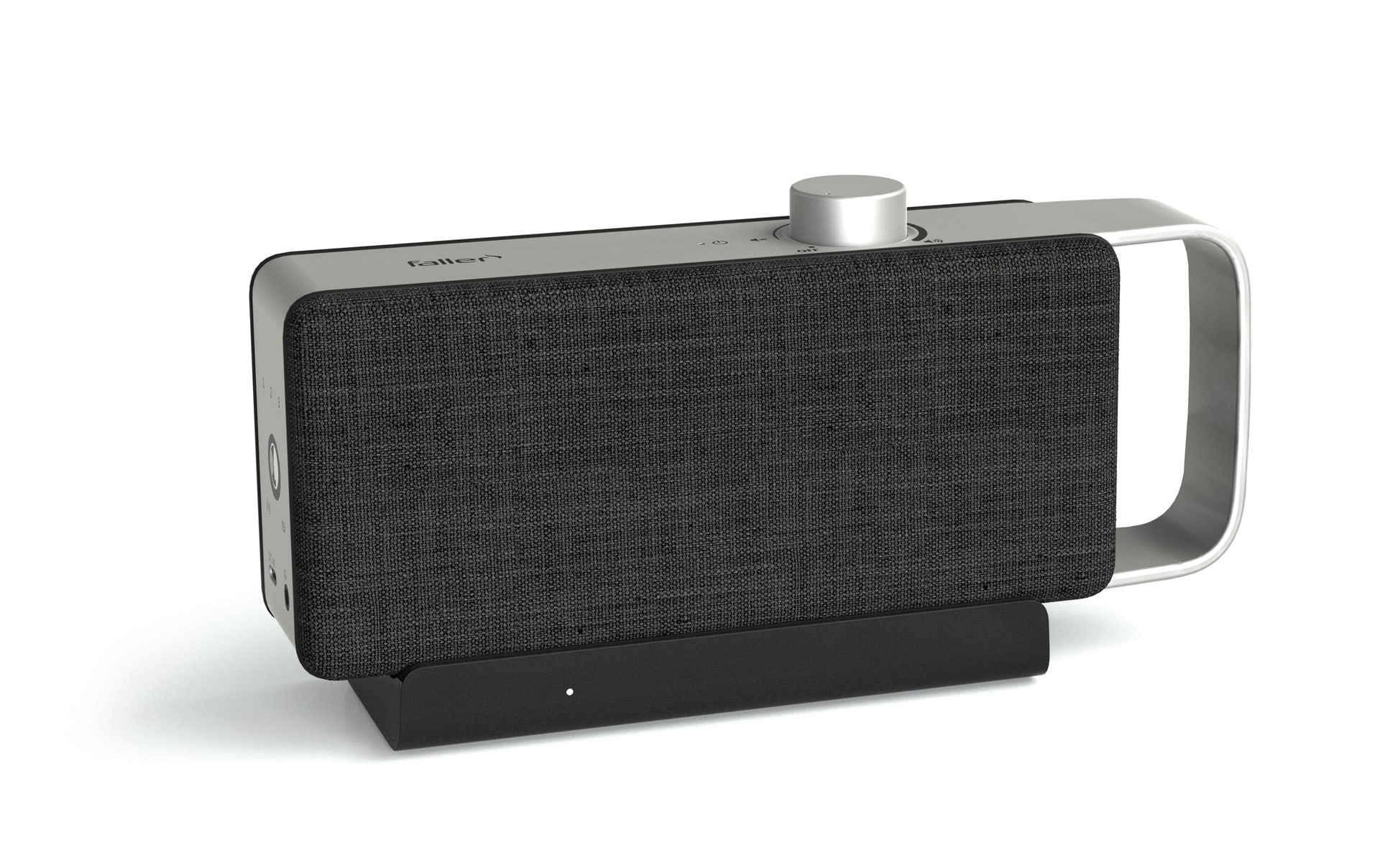
TV hearing amplifiers such as the OSKAR from faller audio are a great addition to a hearing aid. The portable speaker with special dialogue optimization brings speech-optimized TV sound directly to the listening position for older people and those with hearing impairments. It filters out background noise so that speech on television can be understood more easily.
How can I protect my hearing?
There are several measures you can take to protect your hearing and prevent age-related hearing loss:
- Avoid loud noises whenever possible.
- Wear hearing protection in noisy environments
- Have regular hearing tests to detect problems early on.
By paying attention to your hearing and taking preventive measures, you can help preserve your hearing for as long as possible. On top of that, a healthy lifestyle can contribute to better hearing protection. Avoid smoking and excessive alcohol consumption, as these habits are associated with a higher likelihood of hearing loss.
Further articles

Healthy candy alternatives for seniors
For many people, craving sweets is part of everyday life. However, traditional sweets often contain large amounts of sugar and provide

Cooking together in old age
As we get older, our everyday lives change in many ways. The children have left home, our partner may be

Protein-rich nutrition in old age
As we age, our bodies change in many ways, and nutrition plays a crucial role in our health.