HÖRST
Protruding ears
August 7, 2025
5 minutes reading time
OSKAR
Portable TV voice amplifier
Advertisement
Table of contents
Protruding ears are one of the most common noticeable features in the ear area. Although they are usually harmless from a medical point of view, many people find protruding ears disturbing. Especially in childhood, protruding ears can become a target for teasing. The desire for ear correction often arises from psychological stress rather than a health necessity. But what exactly are protruding ears, what causes them, and what treatment options are available? This article provides a comprehensive overview.
What are protruding ears?
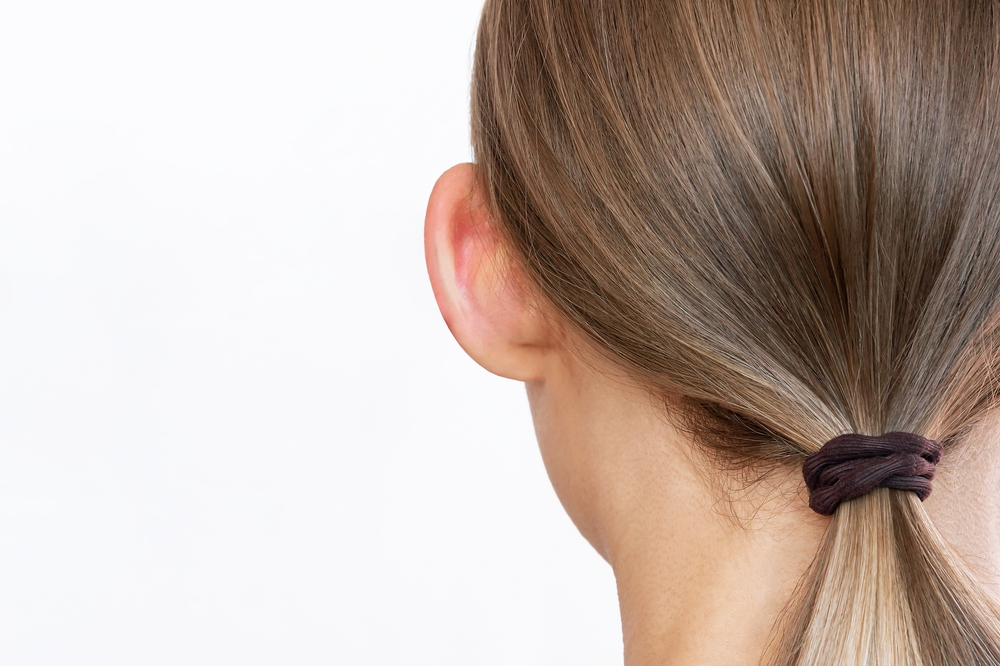
Protruding ears are ears that stick out from the head at a significantly greater angle than is anatomically normal. The medical term for this is "prominent ears." The noticeable shape is usually caused by an insufficiently developed antihelix fold or excessively elastic ear cartilage. As a result, the ear lacks the typical fold that brings it closer to the head.
Both children and adults are affected. In many cases, the condition is already visible in early childhood. Since the ear cartilage is still very soft in the first years of life, the distance to the scalp can change over time, but the shape often remains the same.
Causes of protruding ears
The main cause of protruding ears is an anatomical peculiarity of the ear cartilage. In many cases, the cause is genetic, meaning that if one or both parents have protruding ears, there is an increased likelihood that their child will also be born with them.
Other factors may include insufficient formation of the antihelix fold or excessive distance between the auricle and the head. The angle at which the auricle lies against the head also plays a role. In early childhood, the cartilage is particularly malleable, meaning that even minor mechanical influences can have an impact during this phase. However, there is no direct prevention.
Psychological stress caused by protruding ears
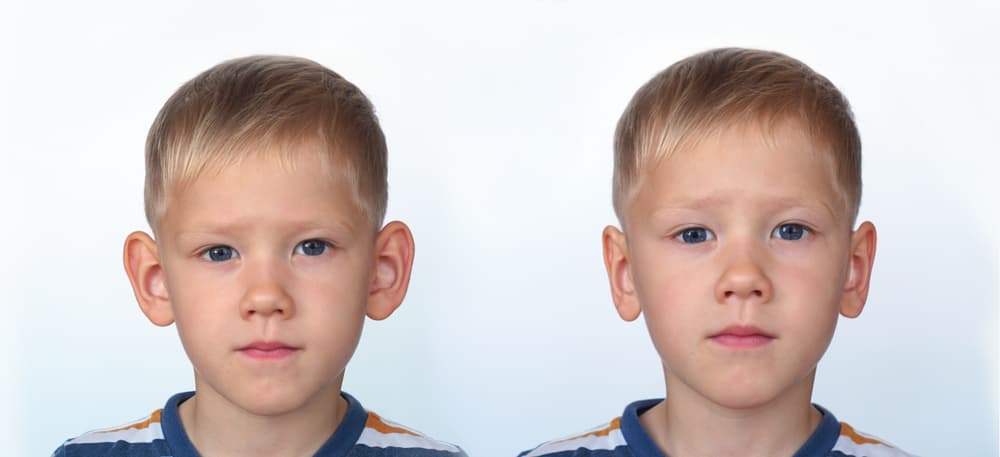
Many people with protruding ears find the shape of their ears conspicuous or bothersome. Especially in children, protruding ears can lead to teasing. Ridicule at school or in social settings can have a lasting negative impact on self-confidence.
Even in adolescence and adulthood, the appearance of the ears can become a psychological burden. Some affected individuals avoid certain hairstyles or try to cover their ears with hats or hair. The desire for correction is therefore often not only aesthetic, but also emotional.
Options for ear correction (otoplasty)
Ear correction, medically known as otoplasty, offers various ways to permanently change the shape of the ear. The aim of the treatment is to reduce the distance between the ear and the head and achieve a more harmonious shape of the auricle.
There are both traditional surgical methods and modern minimally invasive procedures. The choice of the right technique depends on factors such as age, severity of the deviation, and individual anatomy. In any case, the decision for or against surgery should be made during a thorough consultation with doctors.
Surgical procedures for correcting protruding ears
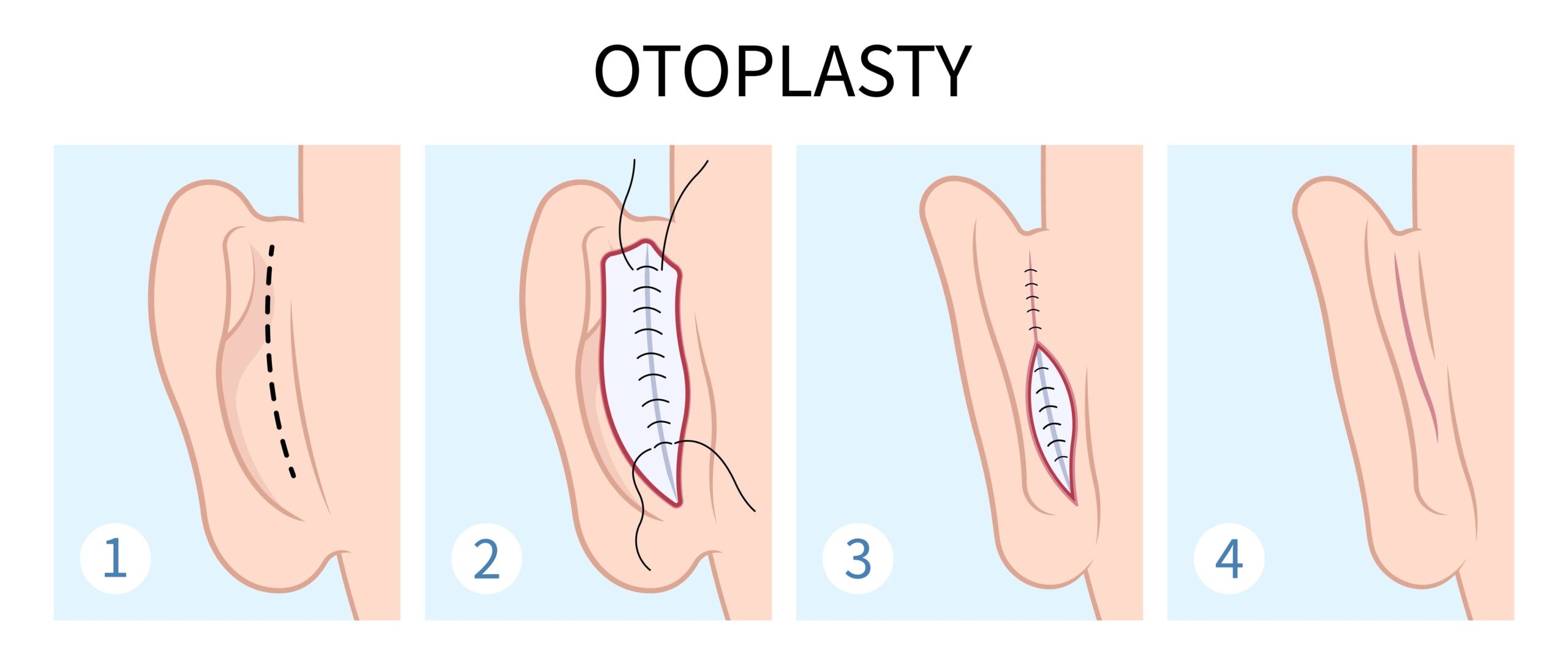
In classic otoplasty, a small incision is made behind the ear. The ear cartilage is reshaped to create a new antihelix fold or deepen the existing one. The ear is then fixed in its new position with permanent sutures.
This procedure is performed under local anesthesia or, in younger children, under general anesthesia. The operation usually takes one to two hours. After the procedure, the patient wears a headband for several days to stabilize the ears and reduce swelling.
Thread method and Earfold system
The thread method does not involve any incisions. Special threads are used to pull the ear cartilage so that the outer ear moves closer to the head. This technique is particularly suitable for mild cases of protruding ears and has a shorter recovery time.
Another modern method is the Earfold system. This involves a small implant that is inserted into the outer ear under local anesthesia. The metal implant reshapes the antihelix fold and remains permanently in the ear. Advantage: The results can be simulated and viewed before the procedure.
After the procedure – healing, results, and risks
The healing phase after ear correction surgery is usually uncomplicated. Mild pain, swelling, and bruising may occur in the first few days. It is important to wear the prescribed headband consistently—often around the clock for a week and then at night for several more weeks.
The final result is usually visible after a few weeks. The new ear shape remains permanently stable if the procedure has been performed correctly. As with any surgery, there are risks: asymmetry, post-operative bleeding, or excessive scarring are possible, but rare. Incompatibilities may occur, particularly with the thread method or the Earfold implant.
At what age is ear correction possible?
Surgical correction of the ear shape is possible even in childhood. From around the age of five or six, the ear cartilage is sufficiently stable to achieve long-term treatment success. Many parents consciously choose this age to prevent teasing at school.
The procedure can be performed on adults at any time. The procedures are virtually identical, but the elasticity of cartilage decreases with age. Healing usually takes slightly longer, but the end result is generally just as stable as in children.
Costs, health insurance, and medical advice
The cost of correcting protruding ears varies depending on the method, clinic, and extent of the procedure. For children under the age of 14, statutory health insurance usually covers the costs if psychological distress can be proven. A medical certificate can be helpful in this regard.
In most cases, adult patients undergo cosmetic treatment. The costs must then be borne by the patient. Depending on the method, these range between €1,500 and €3,500. During a consultation with an ENT doctor or a plastic surgeon, an individual decision is made as to which procedure is suitable.
Further articles

Healthy candy alternatives for seniors
For many people, craving sweets is part of everyday life. However, traditional sweets often contain large amounts of sugar and provide

Cooking together in old age
As we get older, our everyday lives change in many ways. The children have left home, our partner may be

Protein-rich nutrition in old age
As we age, our bodies change in many ways, and nutrition plays a crucial role in our health.