HÖRST
Hard of hearing or deaf? These are the differences
29. July 2025
8 minutes reading time
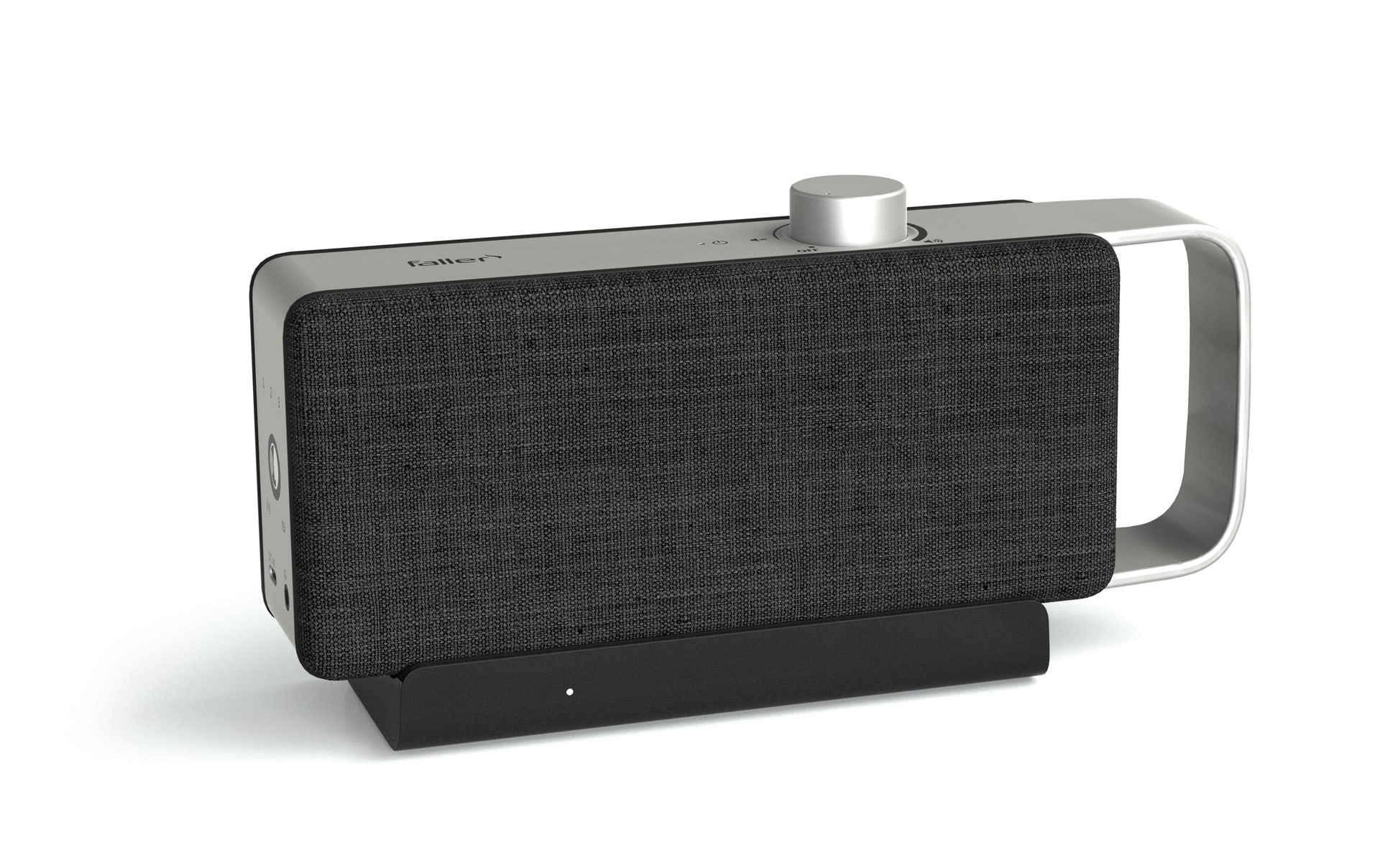
Table of contents
Imagine living in a world where sounds and noises are muffled or even completely silent. For millions of people around the world, this is the reality. They live with hearing loss or deafness, two forms of hearing loss that can have a profound impact on our lives. But what actually distinguishes hearing loss from deafness? Find out more in this article.
Definition: Hearing loss and deafness
Hearing loss and deafness are two different types of hearing impairment. Those affected experience a loss of hearing, but the degree and type of loss varies.
Hearing loss describes a condition in which a person has difficulty perceiving sounds in one form or another. This can range from a slight inability to hear soft sounds to a complete loss of hearing. It is also important to note that hearing loss can be unilateral (one ear affected) or bilateral (both ears affected). Depending on various factors such as cause, degree of hearing loss and individual circumstances, hearing loss can be temporary or permanent and can affect people of all ages, from children to older adults.
Deafness, on the other hand, represents the extreme degree of hearing loss. It is characterized by the total inability to hear sounds. This means that people who are deaf usually cannot perceive sounds or speech, regardless of how loud they are. Deafness can be congenital, meaning it is present from birth, or it can occur throughout life. It is also worth noting that deaf people often use sign language as their main form of communication.
Although both conditions are forms of hearing loss, they are distinctly different in terms of their severity and impact. Therefore, they require individualized approaches to diagnosis, treatment and management.

Causes of hearing loss and deafness
There are numerous factors that can contribute to the development of hearing loss or deafness. They range from genetic predispositions to external environmental influences and physical conditions. Some of the most common causes are explained in detail here:
Damage to the hair cells in the inner ear (cochlea):
These sensitive cells play a key role in converting sound waves into electrical signals that the brain can interpret. They can be damaged by various factors, including excessive volume and prolonged exposure to loud sounds, as well as natural ageing processes. If the number or function of these cells is impaired, this results in hearing loss.
Infections:
Certain infections, particularly those affecting the middle ear, can lead to temporary or permanent hearing loss. Middle ear infections, for example, can cause swelling and accumulation of fluid behind the eardrum, which impairs hearing.
Medication:
Some medications that are considered ototoxic can damage hearing. These include certain antibiotics, loop diuretics and drugs used to treat cancer or serious infections.
Genetic diseases:
Some people are genetically susceptible to hearing loss. These conditions can be inherited from generation to generation and often cause hearing loss or deafness from birth or early childhood.
Skull or ear injuries:
Trauma to the skull or ears can impair hearing. These can damage the eardrum, disturb the ossicles in the middle ear or affect the inner ear.
Diseases:
Certain diseases such as meningitis or measles can lead to hearing loss. These diseases can damage the inner ear or cause inflammation that impairs hearing.
Problems during birth:
Complications during pregnancy or birth, such as a lack of oxygen, can also lead to permanent hearing loss in the newborn.
Symptoms of hearing loss and deafness
Hearing loss and deafness, although representing different degrees of hearing loss, share a number of similar symptoms. These symptoms can manifest themselves in different situations and in different ways. Below, we take a closer look at the most common signs and symptoms of these conditions:
Difficulty understanding conversations:
This is often one of the first signs of hearing loss. People who experience hearing loss often report that they struggle to understand conversations, especially when several people are talking at the same time or when they are in noisy environments. They may find that they have to strain harder to hear what is being said or that they misunderstand words or phrases.
Constant need to turn up the volume on the TV or radio:
A person with hearing loss or deafness tends to constantly increase the volume of electronic devices such as televisions or radios to compensate for the missing sounds. It is not uncommon for family members or roommates to notice that the volume is higher than usual.
Frequent requests for repetition during conversations:
Another common symptom of hearing loss is the need to frequently ask people to repeat themselves. Understanding conversations can be particularly difficult when speakers cannot see the mouth, as many people with hearing loss also rely on visual cues to understand speech.
Absence of reactions to loud noises or calls:
In the case of deafness or advanced hearing loss, those affected cannot respond to loud noises or calls. This symptom is particularly noticeable in children and can be one of the first signs that hearing loss is present.
It is important to remember that these symptoms can vary from person to person and that not everyone will experience all of these symptoms. If hearing loss is suspected, it is important to see a doctor or hearing care professional quickly for a full assessment and treatment.

Diagnosis of hearing loss and deafness
The diagnosis of hearing loss or deafness is a step that is carried out by an ENT specialist. This doctor is responsible for the detection and treatment of diseases of the ear, nose and throat, including hearing disorders. Usually, the doctor will start with a thorough medical history of the patient to identify possible risk factors or previous hearing problems.
The doctor will then carry out a series of tests to check the patient's hearing. This may include a physical examination of the ear with an otoscope, hearing tests and other tests to determine the exact type and degree of hearing loss.
An audiogram is often an important part of this diagnostic process. In this test, the patient's hearing is measured in different frequency ranges and the results are presented in a graph showing the hearing threshold in decibels (dB) for each ear. This allows the doctor to get a clear picture of the hearing loss and understand at which frequencies and at what volume the patient has difficulty perceiving sounds.
Treatment of hearing loss and deafness
Depending on the cause and severity of the hearing loss, different treatment approaches can be chosen:
- Hearing aids can help to amplify sounds and noises.
- Cochlear implants can be useful for certain types of hearing loss or deafness.
- For some people, medical or surgical treatment may be helpful.
- Sign language and lip-reading can help those affected to communicate better.
Living with hearing loss and deafness
Living with hearing loss or deafness can be a challenge. It is important to seek support and learn how to adapt.
The OSKAR TV hearing amplifier from faller audio is a useful aid for people with hearing loss. This specially designed device improves the clarity and intelligibility of spoken TV sound by reducing background noise and emphasizing speech. It is particularly helpful for people with hearing loss as it allows them to enjoy TV programs without excessive volume, so that other people in the room are no longer disturbed. With technologies like the OSKAR TV hearing amplifier, people with hearing loss can improve their quality of life and continue to enjoy their favorite activities.
More articles

Choosing the right walking stick
Choosing the right walking stick is crucial for safety, comfort and long-term mobility. This guide takes you through all the important aspects

Checking driving fitness in old age
Mobility and personal independence are important factors for quality of life in old age. At the same time, for many older drivers

Barrier-free bathroom
The bathroom is the room in the home where most domestic accidents occur. Damp surfaces, confined spaces and