HÖRST
hearing aids
August 8, 2025
11 minutes reading time
OSKAR
Portable TV voice amplifier
Advertisement
Table of contents
A guide to better hearing
Modern technology has made it possible to overcome numerous challenges that affect our quality of life. Hearing aids are a prime example of such breakthroughs, which have improved the lives of millions of people worldwide. Hearing aids are devices designed to help people suffering from various forms of hearing loss. These devices significantly improve the ability to hear sounds and speech, facilitatingcommunicationand interaction with the world around us.
This guide aims to provide a comprehensive introduction to the world of hearing aids, including the different types of hearing systems, how they work, and the benefits they offer for improving hearing and overall quality of life.
What types of hearing aids are available?
There are a variety of hearing aid types and designs from different manufacturers, each tailored to specific needs and situations. These include requirements relating to the degree of hearing loss, different lifestyles, and the individual preferences of users:
Behind-the-ear (BTE) hearing aids
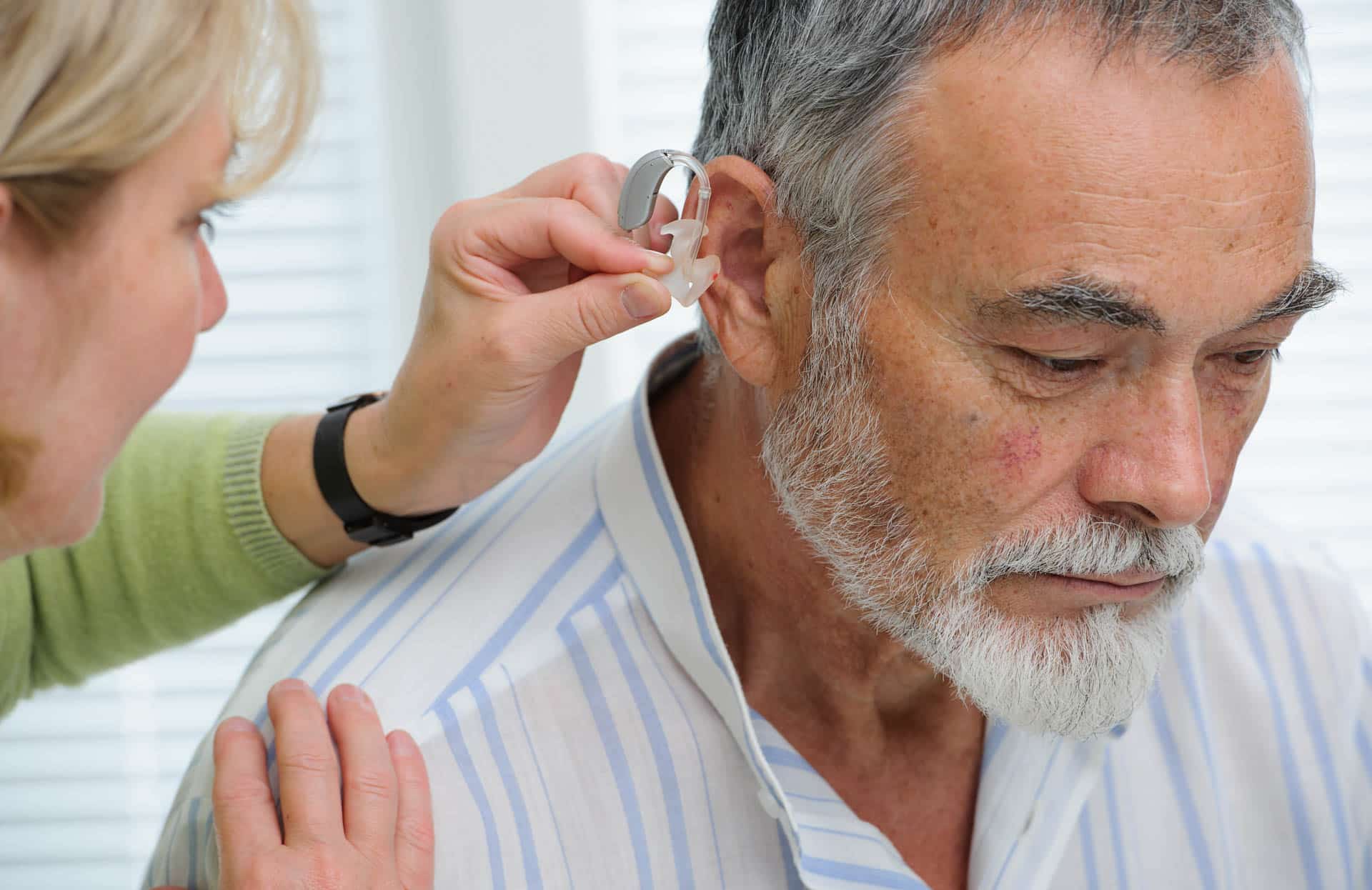
Behind-the-ear hearing aids are designed to be positioned behind the ear. From there, they transmit sound signals directly into the ear canal. This type of hearing aid is often the preferred choice for people with severe hearing loss. They offer high performance and are able to compensate for a wide range of hearing losses. Although they may be less aesthetically appealing to some users due to their size and visibility, they are generally easier to use, especially for people with limited dexterity.
In-the-ear (ITE) hearing aids
Unlike behind-the-ear devices, in-the-ear hearing aids are smaller and are placed directly in the outer ear canal or in the ear cup. They are more discreet than their behind-the-ear counterparts and are often preferred by people who want a less noticeable hearing aid. In-the-ear hearing aids are well suited for people with mild to moderate hearing loss. They also offer a more natural sound quality because they pick up sound directly in the ear. However, their small size and positioning in the ear can make maintenance and cleaning a little more challenging.
In-the-ear (ITE) hearing aids
IgH hearing aids are even smaller than ITE devices and are inserted directly into the ear canal. Due to their position, they are almost invisible and therefore particularly popular with users who value discretion. In addition, their proximity to the eardrum provides a natural hearing experience, as they utilize the body's own ability to localize sound. However, it should be noted that due to their small size and the fact that they are positioned deep in the ear canal, these devices are not suitable for all types of hearing loss and require regular professional maintenance.
cochlear implants
For individuals who suffer from severe hearing loss or deafness and for whom conventional hearing aids are not sufficient, cochlear implants may be a suitable option. A cochlear implant is an electronic medical device that replaces the function of the damaged inner ear to send sound signals directly to the auditory nerve.
This device consists of two parts: an external part that is worn behind the ear and picks up sound signals, and an internal part that is surgically implanted in the ear and converts these sound signals into electrical impulses. These impulses are then transmitted to the auditory nerve, which relays them to the brain, where they are perceived as sound.
Cochlear implants can help to significantly improve speech intelligibility and can even help people who are completely deaf to perceive sounds again. However, they require surgery and intensive aftercare and rehabilitation to train hearing and speech intelligibility. Therefore, they are usually only used in cases where conventional hearing aids are insufficient or ineffective.

How do hearing aids work?
Hearing aids pick up sound signals with a microphone, amplify these signals with a speaker, and then transmit them into the ear canal. Sounds and speech are transmitted directly into the ear canal via an earpiece, also known as an ear mold or sound tube, to improve clarity and speech comprehension. However, this description is quite simplified. In fact, the way hearing aids work involves much more complex technology, including individual adjustments and special functions tailored to the specific hearing needs of the user.
The process begins when the hearing aid's microphone picks up sound waves from the environment. This sound can include speech, music, background noise, and all kinds of sounds that we perceive in our daily lives. This captured acoustic signal is then converted into a digital signal.
The next step takes place in the part of the hearing aid known as the amplifier. Here, the digital signal is amplified, i.e., made louder, before it reaches the speaker. In modern digital hearing aids, however, the amplifier can not only make the signal louder, but also specifically amplify certain frequencies that the user has difficulty hearing and amplify other frequencies less, which the user hears better. This allows the hearing aid to be individually adjusted to the specific hearing profile of the user.
Another key element of modern hearing aids is the digital signal processor (DSP). This can modify the digital signal in a variety of ways to improve sound quality and reduce background noise. This can include techniques such as noise reduction, feedback suppression, or directional microphone technologies.
Once the signal has been processed and amplified, it is converted back into sound waves by the hearing aid's speaker and transmitted through the earpiece into the ear canal. There, it is perceived as sound by the eardrum and transmitted to the brain, where it is interpreted as information.
What features do modern hearing aids offer?
Modern hearing aids are no longer just simple sound amplifiers. They are now sophisticated, intelligent devices equipped with a range of additional features designed to provide users with an enhanced listening experience and added comfort. The advanced features you can find in modern hearing aids include:
Bluetooth connection:
Many of the latest hearing aids offer the option of connecting wirelessly to other devices, such as your smartphone. This Bluetooth connection not only allows you to take phone calls directly through your hearing aid and listen to music in high quality, but also gives you access to a variety of apps. These apps can help you customize your hearing aid settings, switch between hearing programs, or even track your hearing data to optimize your hearing performance.
Rechargeable batteries:
In the past, hearing aids often required regular replacement of small batteries. Now, many models have built-in rechargeable batteries. These can be conveniently charged overnight, giving you consistent and reliable performance throughout the day without having to worry about changing batteries. This is not only more environmentally friendly, but also more practical and cost-effective for users.
Hearing protection:
Some advanced hearing aids have special features designed to protect your remaining hearing. They can automatically attenuate very loud noises to protect your ears from potential damage. At the same time, they can amplify very quiet sounds to give you a balanced listening experience. This type of dynamic sound adjustment allows you to hear clearly in both quiet and loud environments.
Fall detectors:
Safety features such as fall detectors are built into some of the latest hearing aid models. These devices can detect when you fall and automatically send an alarm to a preset contact. This provides additional safety and peace of mind, especially for older people or those with limited mobility.
Tinnitus masking device:
For people who suffer from tinnitus, hearing aids with built-in tinnitus masking devices can be a great help. This feature generates a soothing, neutral sound that can mask the annoying whistling or buzzing of tinnitus. This can help reduce the impact of tinnitus on quality of life and promote concentration and relaxation.
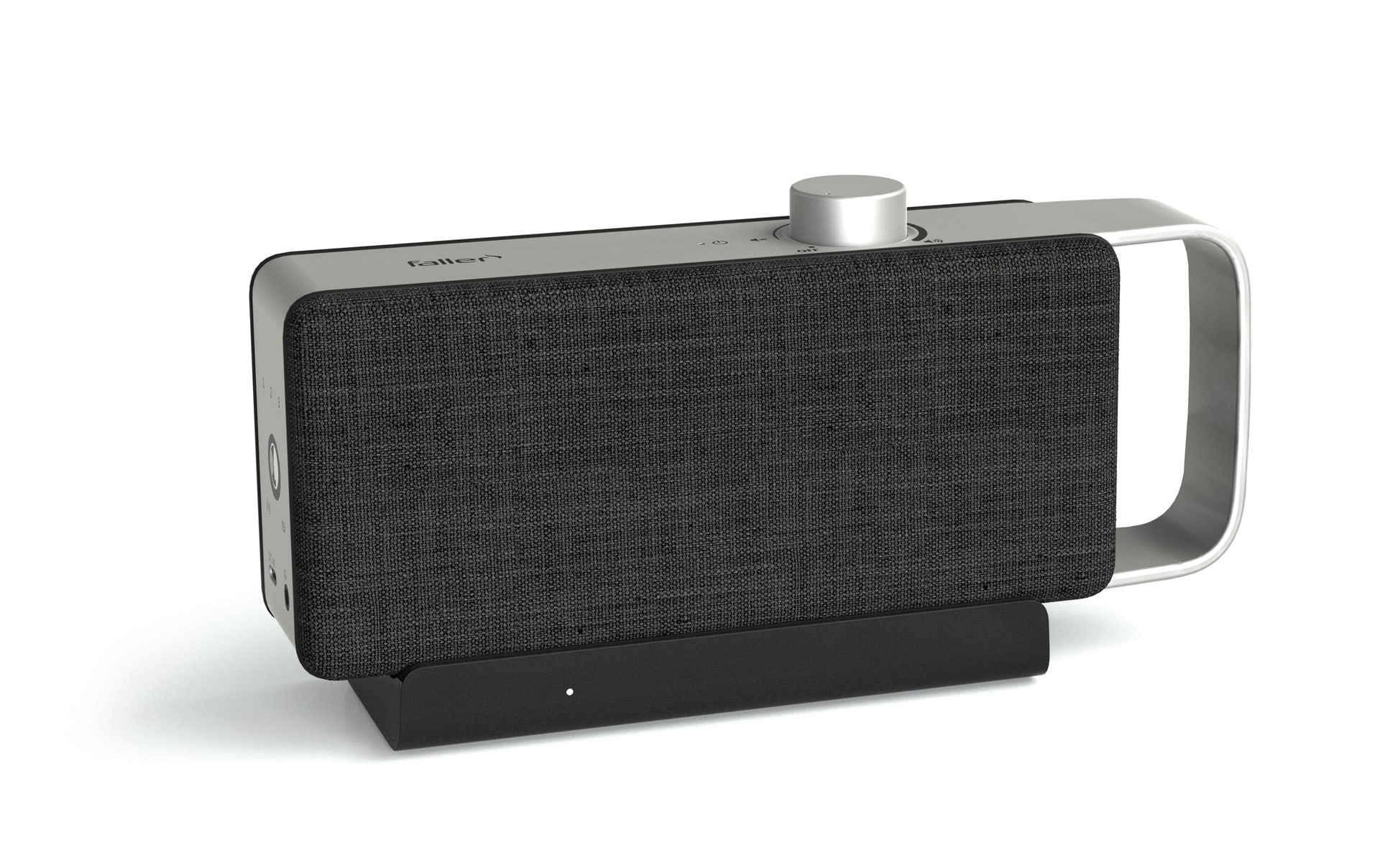
In addition to hearing aids, there are other special hearing aids,assistive devices, and technology for the hearing impaired that create an improved hearing experience, especially when used in conjunction with hearing aids. These include the OSKAR TV hearing amplifier from faller audio.
Whilehearing aidsamplify everythingwhen watching television, including both speech and ambient noise, the portableTV speakerimproves the TV sound while filtering out distracting noises. This means that dialog and speech on TV can be heard clearly and distinctly, even with a hearing aid.

How do I choose the right hearing aid?
Since hearing aids are customized solutions for individual hearing problems, comprehensive and detailed consultation with a hearing care professional is essential. When choosing the right hearing aid, several factors should be considered that go far beyond mere technical functionality. These include:
The degree of hearing loss:
This is a crucial factor when choosing a hearing aid. Mild hearing loss requires a different type of support than moderate or severe hearing loss. Your hearing care professional will be able to perform an accurate hearing test to determine the degree and type of your hearing loss. Based on this information, you can work together to select the most suitable hearing aid.
Your lifestyle:
Different lifestyles require different hearing aids. Are you often in noisy environments? Do you regularly attend social events? Or do you prefer to spend quiet days at home? All these factors can influence which type of hearing aid is best for you.
Your manual skills:
Some hearing aids are smaller and more discreet, but require more dexterity to insert, remove, and maintain. If you have problems with fine motor skills or limited mobility, a larger, easier-to-handle type of hearing aid may be more suitable for you.
Your budget:
Hearing aids are available in a wide range of price categories, from basic models to state-of-the-art premium devices. It is important to find a hearing aid that suits both your budget and your hearing needs. Possible financing options, such as through your health insurance, may also play a role.
Your aesthetic preferences:
Although functionality is the most important factor, the appearance of the hearing aid can be a decisive factor for many people. Some prefer a small, barely visible device, while others may feel more comfortable with a visible model. Here, too, your personal preferences should be taken into account when making your decision.
How much do hearing aids cost, and does health insurance cover the costs?
The cost of hearing aids can vary greatly depending on the specific features and technology built into each device. There are simple, basic models available for a few hundred dollars. On the other hand, there are high-end devices with advanced features such as Bluetooth connectivity, background noise suppression, artificial intelligence, and other technologies that can often cost several thousand dollars.
Most statutory health insurance providers in Germany cover a fixed amount for hearing aids, which helps to offset the costs. However, this fixed amount may vary depending on individual needs and the specific hearing impairment. In addition, some private health insurance providers may cover a larger portion of the costs or even cover the full cost of high-quality devices.
It is important to note that many hearing aids are available to insured persons at no cost. This means that insured persons do not bear any direct costs, as the health insurance company covers a large part of the costs. However, a co-payment may be required if the selected hearing aid goes beyond the basic functions and offers additional features that are not covered by the health insurance company.
Where can you buy a hearing aid?
You can purchase hearing aids from a hearing aid specialist. These experts perform hearing tests, advise you on choosing the right device, and adjust it to your ear and hearing needs.
Further articles

Healthy candy alternatives for seniors
For many people, craving sweets is part of everyday life. However, traditional sweets often contain large amounts of sugar and provide

Cooking together in old age
As we get older, our everyday lives change in many ways. The children have left home, our partner may be

Protein-rich nutrition in old age
As we age, our bodies change in many ways, and nutrition plays a crucial role in our health.