HÖRST
World Hearing Day March 3, 2026 – Life is worth hearing
October 2, 2025
10 minutes reading time

OSKAR
Portable TV voice amplifier
Advertisement
Table of contents
Hearing plays a crucial role in our daily lives, whether in communication, in the workplace, in learning, or in enjoying music and other sounds. Yet many people take their hearing for granted, unaware of the potential risks that can lead to hearing impairment or hearing loss.
Can you imagine no longer being able to clearly hear the voice of your loved ones? Or only being able to hear your favorite music muffled? For millions of people worldwide, this is a reality. World Hearing Day 2026 therefore focuses on an issue that affects us all—today or in the future.
March 3, 2026, marks the 16th annual International Day of Action. With a wide range of activities, free hearing tests, and important information, World Hearing Day aims to highlight the importance of our hearing and encourage people to take active steps to protect it.
What is World Hearing Day?
World Hearing Day is an international day of action that takes place every year on March 3. Launched in 2007 by the World Health Organization (WHO), it has a clear goal: to raise public awareness of the importance of hearing and to educate people about prevention and treatment options for hearing loss.
In Germany, the campaign day is organized by the German Hearing Aid Industry Association (BVHI) in close cooperation with the WHO. Together with hearing care professionals, ENT doctors, clinics, associations, and many other partners, this creates a nationwide network for better hearing.
Why is this day so important?
The figures speak for themselves:
- Approximately 430 million people worldwide live with hearing loss that requires treatment, including 34 million children.
- According to WHO criteria, around 12 percent of the population in Germany is hard of hearing – that's around 10 million people.
- By 2050, the number of people affected worldwide could rise to over 700 million.
Particularly worrying: of the approximately 5.8 million Germans with impairing hearing loss, only around 2 million use hearing aids. This gap in provision shows how many people do not receive adequate help despite having hearing problems.

Activities and events for World Hearing Day 2026
World Hearing Day thrives on the diversity of its activities. Numerous participants across the country contribute creative ideas and informative offerings:
Here's what you can expect on March 3, 2026:
- Free hearing tests at participating hearing care professionals and ENT practices
- Information events on modern hearing aids and preventive measures
- Workshops and webinars for those affected and their families
- School campaigns to raise awareness among young people
- Consulting services for technical aids such as TV hearing amplifiers
- Awareness campaigns on social media and in the press
In recent years, the campaigns have proven to be particularly diverse—from hearing tests in front of the Reichstag in Berlin to acoustic city tours and online seminars. This wide range shows that hearing health is an issue that affects all generations and areas of life.
The WHO is also hosting a central event at its headquarters in Geneva, while member states and partner organizations around the world are setting up their own programs.
Key topics for 2026: Prevention and early intervention
While the official motto for 2026 has yet to be announced, important themes are already emerging:
Hearing in school and education
In 2026, there will be a special focus on young people. This is because over a billion young people worldwide are at risk from loud music and noise pollution. This is where the campaign day comes in, with targeted education on "safe listening."
State-of-the-art hearing aid technology
Technological development is advancing rapidly. Today's modern hearing aids are small high-tech marvels that can be seamlessly integrated into everyday life. Assistive technologies also significantly improve the quality of life for people with hearing problems.
The connection between hearing and health
Untreated hearing loss can have far-reaching consequences—from social isolation and difficulties in professional life to an increased risk of cognitive impairment. Studies show a clear link between untreated hearing loss and dementia in old age.
Practical tips for your hearing health
World Hearing Day aims not only to inform, but also to motivate people to take action. Here are some steps you can take yourself:
Early and regular preventive care
Have your hearing checked by a professional—World Hearing Day recommends early screening, especially for newborns, and regular hearing tests from the age of 50 onwards.
Hearing care for children
Hearing care begins in infancy and accompanies children throughout their development. Regular hearing tests ensure that any problems are detected early on—long before they can impair the child's development.
Hearing is essential for language development, especially in the early years of life. Children learn to speak by hearing sounds and words, imitating them, and gradually using them themselves. If a hearing impairment is not detected early on, it can delay overall linguistic and cognitive development.
The most important preventive measures include:
- Regular hearing tests as part of preventive health checkups for children
- Attention to behaviors that could indicate hearing problems
- Protection against noise pollution, especially when listening to loud music through headphones
- Early medical evaluation in case of abnormalities
Newborn hearing screening
In Germany and many other countries, newborns undergo standard hearing screening—usually in the first few days of life. This test is painless, takes only a few minutes, and can provide early indications of possible hearing impairments.
Newborn hearing screening checks whether the inner ear and auditory nerve are functioning properly. If the test results are abnormal, this does not automatically mean that there is a permanent hearing impairment—further examinations by an ENT specialist will then provide clarity.
Why is screening so important? Approximately two out of every 1,000 newborns are born with a hearing impairment that requires treatment. The earlier this is detected, the better the treatment measures can begin—ideally within the first year of life.
Hearing tests in childhood
Even if the newborn hearing screening was normal, this does not mean that hearing problems cannot develop later on. Hearing disorders can also occur later in childhood—for example, due to infections, injuries, or genetic factors that only become apparent later on.
Regular hearing tests should therefore be an integral part of pediatric checkups. These tests can be performed as routine tests during visits to the pediatrician or as specialized hearing tests by a hearing care professional or ENT doctor.
Hearing tests are particularly important in the following situations:
- In case of frequent middle ear infections or tympanic effusions
- When speech development appears delayed
- In the event of conspicuous behavior that could indicate hearing problems
- After head injuries or severe infections
- If hearing impairments are known to run in the family
Hearing care from the age of 50
Many people regularly go for check-ups with their family doctor or eye doctor—but what about hearing check-ups? Hearing is often neglected, even though it is just as important for quality of life as good vision or physical fitness.
Experts recommend regular hearing tests from the age of 50—ideally every two to three years, or more frequently if there are known risk factors. Many hearing care professionals offer free hearing tests that provide an initial assessment.
Why is this so important?
- Early detection enables timely treatment before negative consequences develop.
- Regular tests document changes in hearing ability over time.
- Preventive measures can slow down the progression of hearing loss
- Timely provision of hearing aids makes getting used to them much easier
In addition to regular testing, hearing care also includes protection from harmful influences: avoid excessive noise exposure, use hearing protection during loud activities, and pay attention to your general health—because conditions such as diabetes or high blood pressure can further impair your hearing.
Hearing tests for people in their prime
A professional hearing test provides information about the type and extent of a possible hearing impairment. Various test procedures are used for this purpose:
Tone audiometry:This is the classic hearing test, in which sounds at different frequencies and volumes are played through headphones. You indicate the volume at which you can hear the sounds. The result is displayed in an audiogram and shows your individual hearing threshold.
Speech audiometry:This test assesses how well you can understand speech—a crucial factor for everyday life. Words or sentences are played at different volumes, which you are then asked to repeat.
Further examinations:If necessary, additional tests can be performed, such as to examine the middle ear or measure auditory nerve function.
An ENT doctor will also conduct a thorough examination of the ear to identify possible causes of hearing problems, such as earwax blockage, infections, or anatomical changes.
Recognizing age-related hearing loss
Age-related hearing loss usually develops gradually over many years. Many people affected unconsciously become accustomed to the changes and only realize how much their hearing has already been impaired at a late stage. It is often family members who are the first to notice the changes.
Typical signs of age-related hearing loss
- Difficulty understanding conversations in noisy environments, such as restaurants or family gatherings
- Difficulty understanding high-pitched voices, especially those of women and children
- Frequent questions or requests for repetition
- The television or radio must always be turned up louder.
- Doorbell or telephone are not heard
- Noises and voices sound "muffled" or "noisy"
- Difficulties with telephone conversations
- Exhaustion after long conversations because concentrated listening is so tiring
- Withdrawal from social situations because communication is perceived as stressful
A particularly typical feature of age-related hearing loss is that those affected can still hear people speaking, but can no longer understandwhatis being said. High frequencies, which are important for speech comprehension, are particularly affected. Consonants such as "s," "f," or "t" become unclear, causing words to sound blurred.
The good news: there are solutions!
96 percent of hearing aid users report a higher quality of life after receiving treatment. At the same time, 60 percent regret having waited too long to take this step. These figures show that it is worth taking action!
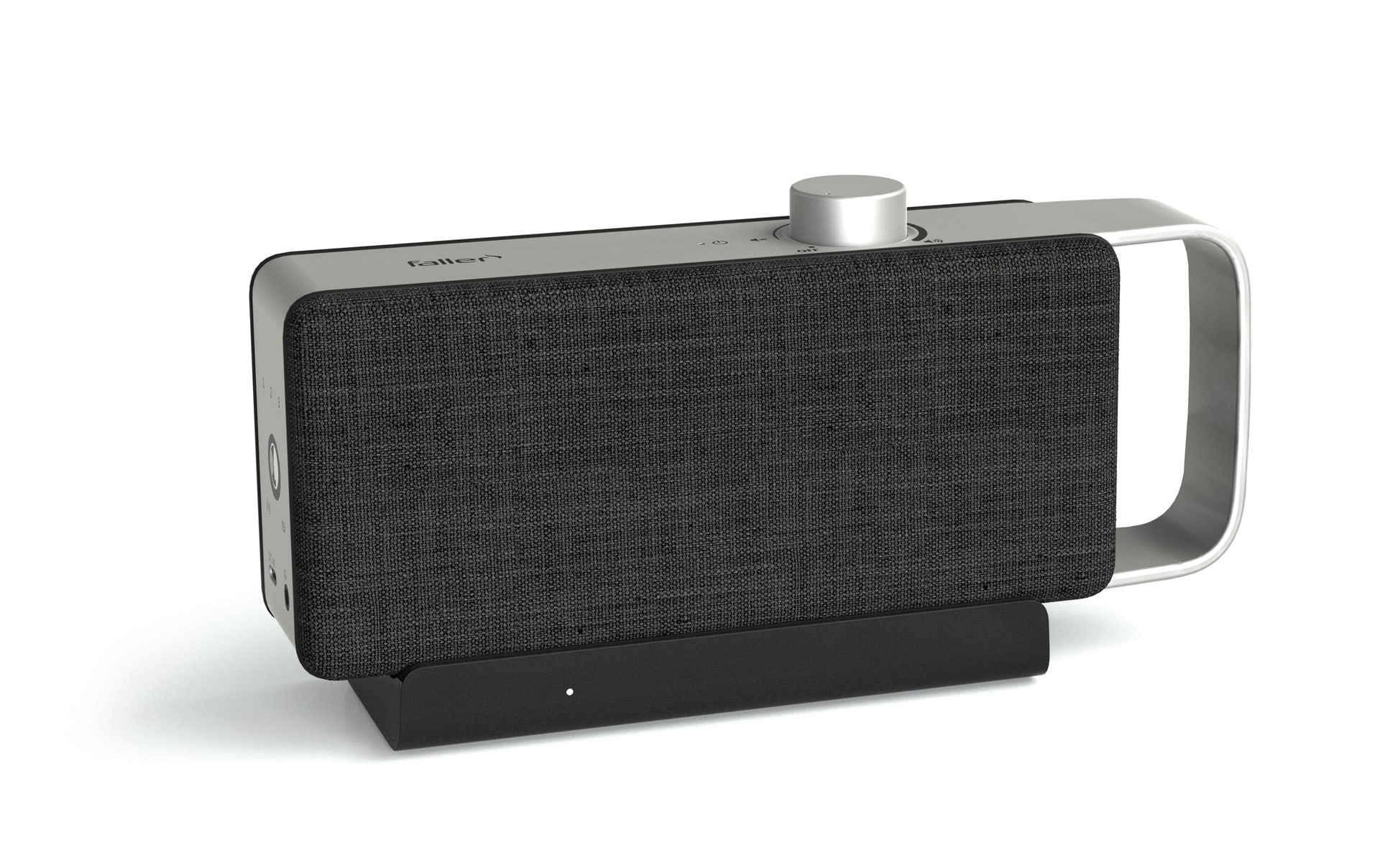
Modern hearing aids and assistive technologies such as TV hearing amplifiers now enable significantly improved participation in everyday life. The OSKAR from faller audio, for example, provides targeted assistance when watching television by amplifying speech and reducing distracting background noise.
Working together for better hearing
World Hearing Day 2026 is once again under the patronage of Federal Health Minister Prof. Dr. Karl Lauterbach, who emphasizes the social significance of the topic.
Join in! Find out more, have your hearing tested, and talk to your family and friends about this important topic. Because good hearing means quality of life—and that's something we should all strive to maintain.
For more information about World Hearing Day 2026, current events in your area, and helpful materials, visit the official website of the German Hearing Aid Industry Association at www.welttag-des-hoerens.de.
Further articles

Healthy candy alternatives for seniors
For many people, craving sweets is part of everyday life. However, traditional sweets often contain large amounts of sugar and provide

Cooking together in old age
As we get older, our everyday lives change in many ways. The children have left home, our partner may be

Protein-rich nutrition in old age
As we age, our bodies change in many ways, and nutrition plays a crucial role in our health.