HÖRST
Nutrition for your hearing
August 4, 2025
6 minutes reading time
OSKAR
Portable TV voice amplifier
Advertisement
Table of contents
A balanced diet is not only important for the heart, brain, and digestive system—the ears also benefit from certain vitamins, minerals, and fatty acids. The right diet can actively support ear health, reduce the risk of age-related or environmentally-induced hearing loss, and stabilize cell functions in the auditory system. Studies show that the combination of antioxidants, anti-inflammatory substances, and micronutrients that promote blood circulation has a decisive influence on the vitality of the sensory cells in the inner ear. Providing your body with the right nutrients can not only protect your hearing, but also improve your quality of life in the long term. Here you can find out which foods are good for your hearing, how they work in the body, and how you can integrate them into your everyday life.
Omega-3 fatty acids for blood circulation
Omega-3 fatty acids, which are mainly found in fatty sea fish such as salmon, mackerel, tuna, and herring, have a proven anti-inflammatory effect. These polyunsaturated fatty acids have a positive effect on the blood vessels, promote their elasticity, and improve the supply of oxygen and nutrients to the cells—including those in the sensitive inner ear. Good blood circulation is essential for the survival and function of the hair cells, which convert sound stimuli into electrical signals. If the inner ear is not adequately supplied, these delicate structures can be damaged, often resulting in permanent hearing loss.
Studies show that people who regularly eat fish with a high omega-3 content are less likely to suffer from age-related hearing loss. In addition to fish, flaxseed, chia seeds, walnuts, and certain vegetable oils such as flaxseed oil and rapeseed oil also contain valuable omega-3 fatty acids. Two fish meals per week are considered ideal. Those who do not like fish can meet their needs with plant sources or high-quality dietary supplements made from algae oil.
Vitamin B12 for strong nerve pathways
Vitamin B12, also known as cobalamin, plays a central role in energy metabolism and the formation of myelin—the protective sheath surrounding our nerve fibers. This is particularly relevant for hearing: the auditory nerve, which transmits acoustic signals from the inner ear to the brain, relies on an intact myelin layer to transmit information quickly and without loss. A vitamin B12 deficiency can disrupt signal transmission and trigger symptoms such as tingling, memory problems, or even hearing disorders.
Older people are particularly affected, as the ability to absorb B12 in the intestine decreases with age. Vegetarians and vegans also need to pay attention to their intake, as the vitamin is found almost exclusively in animal products. Good sources include liver, beef, fish, eggs, dairy products, and fortified foods. Regular monitoring of B12 levels and, if necessary, targeted supplementation can help prevent deficiency symptoms—and thus also protect the health of the auditory nerve.
Antioxidants to protect hair cells
Free radicals are aggressive oxygen compounds that are produced in the body by environmental toxins, UV radiation, stress, or an unhealthy diet. They attack cell structures and can permanently damage the sensitive hair cells in the inner ear. However, these cells are crucial for hearing function—once destroyed, they cannot regenerate in humans. That is why antioxidants, which neutralize free radicals, are so important for hearing.
Vitamins such as C and E, secondary plant substances such as flavonoids, carotenoids, and polyphenols, as well as trace elements such as selenium and zinc, have a particularly antioxidant effect. Berries such as blueberries, strawberries, and currants are rich in such protective substances. Green leafy vegetables, tomatoes, nuts, green tea, dark chocolate (in moderation), and spices such as turmeric and ginger also contribute to antioxidant protection. A colorful, plant-based diet, prepared as fresh as possible, is the most effective way to protect the inner ear from oxidative stress.
Zinc for signal conversion
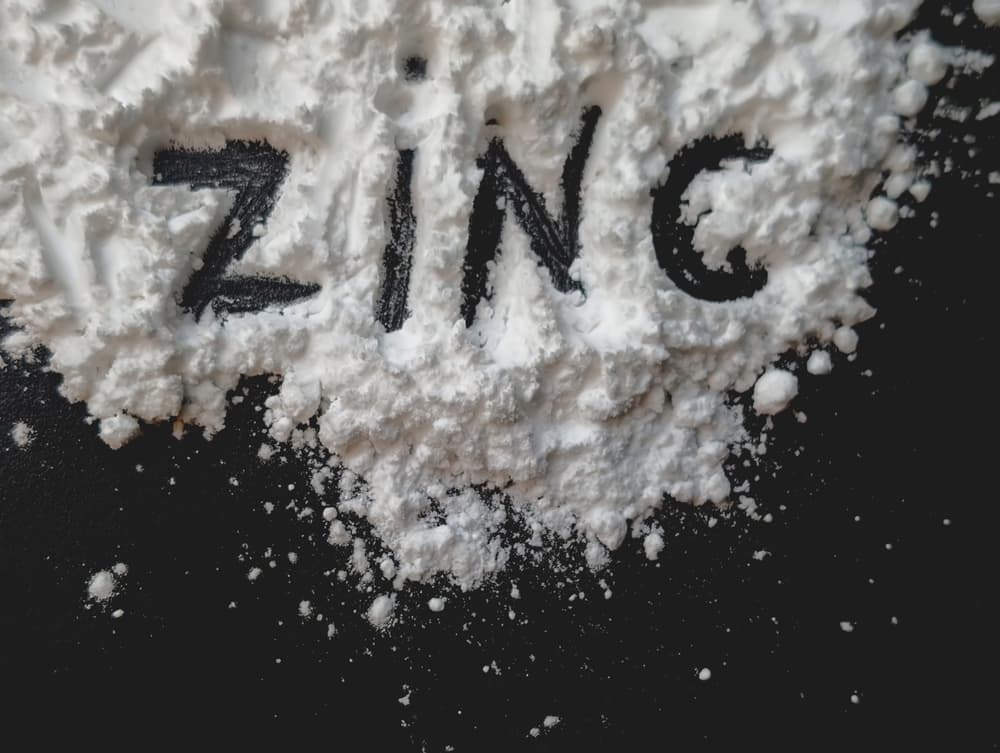
Zinc is a versatile trace element that plays a role in over 300 enzyme systems in the body. Zinc is essential for hearing because it supports the conversion of mechanical sound waves into electrical signals in the inner ear. It is also involved in cell growth, repair processes, the immune system, and wound healing. A zinc deficiency can lead to impaired stimulus transmission in the auditory system.
Zinc deficiency not only manifests itself in susceptibility to infections, but can also be accompanied by tinnitus, hearing loss, or impaired sense of taste. Foods rich in zinc include meat (especially beef), oysters, lentils, oatmeal, pumpkin seeds, nuts, cheese, and whole grain products. Zinc is particularly well absorbed by the body when combined with vitamin C. Make sure you consume it regularly, especially if you have an increased need for it (e.g., during periods of stress, illness, or if you are vegetarian).
Folic acid for age-related hearing loss
Folic acid (vitamin B9) is a water-soluble vitamin that is particularly important for cell division, blood formation, and homocysteine metabolism. A folic acid deficiency can increase the risk of hearing loss, especially in older people, because it slows down cell regeneration. Studies show that good folic acid levels can reduce the risk of presbycusis—age-related hearing loss—by up to 20%.
Spinach, Brussels sprouts, asparagus, avocados, broccoli, legumes, eggs, whole grains, and nuts are particularly rich in folic acid. As the vitamin is sensitive to heat, it is advisable to cook vegetables as gently as possible. For pregnant women, nursing mothers, and older people, supplementation with dietary supplements is often recommended—in consultation with medical professionals.
Vitamins C and E and glutathione for immune defense
These three substances form a powerful combination in the fight against free radicals, inflammation, and cellular stress. Vitamin C supports collagen formation in blood vessels, which improves blood flow in the inner ear. Vitamin E protects cell membranes and nerve pathways from oxidative damage. Glutathione is a molecule produced naturally in the liver and is considered one of the most powerful antioxidants. Together, they protect the sensitive microstructure in the ear and strengthen the immune system's defense against infections.
Vitamin C is abundant in citrus fruits, peppers, broccoli, sea buckthorn, kiwi, and acerola. Vitamin E is found in sunflower oil, wheat germ, almonds, hazelnuts, and avocados. Glutathione can be activated through a protein-rich diet, selenium intake (e.g., via Brazil nuts), exercise, and stress reduction. These nutrients do not work in isolation—they complement each other in their protective function. Therefore, a varied, balanced diet is the best way to support ear health naturally.
Further articles
Healthy candy alternatives for seniors
For many people, craving sweets is part of everyday life. However, traditional sweets often contain large amounts of sugar and provide

Cooking together in old age
As we get older, our everyday lives change in many ways. The children have left home, our partner may be

Protein-rich nutrition in old age
As we age, our bodies change in many ways, and nutrition plays a crucial role in our health.