HÖRST
Mindfulness in old age
August 4, 2025
14 minutes reading time


OSKAR
Portable TV voice amplifier
Advertisement
Table of contents
Aging brings new challenges—from physical ailments to emotional stress and social changes. Mindfulness offers a proven way to face these challenges with greater serenity and to improve your quality of life in the long term. This comprehensive guide shows you practical ways to successfully integrate mindfulness into your everyday life.
The most important information in brief
- Mindfulness has been proven to increase well-being and quality of life in old age.
- Simple breathing exercises and body awareness can be practiced at home anytime.
- Mindfulness specifically helps with chronic pain, loneliness, and stress.
- MBSR courses and apps offer structured learning opportunities for seniors
- Scientific studies prove the positive effects on the brain and psyche
- Just a few minutes of daily practice can bring about noticeable changes.
What is mindfulness and why is it so important in old age?
Mindfulness means consciously perceiving the present moment without evaluating or judging. This centuries-old practice becomes particularly important in old age, as it helps to cope with the natural changes of life.
Aging often brings new needs and challenges. Mindfulness can be a valuable resource for dealing with these changes and promoting personal well-being. It is about consciously perceiving the moment without judging it—which can be a great help in dealing with pain, fear, or loneliness, especially in old age.
Conscious awareness of the here and now helps to reduce brooding about the past or worrying about the future. This leads to inner clarity and a sense of calm that enriches daily life.
The benefits of mindfulness for seniors
Greater well-being and quality of life
Mindfulness practice can increase general well-being and significantly improve quality of life in old age. It promotes a positive attitude and can revive joy in everyday life.
As people get older, their priorities can shift. Consciously noticing small pleasures and appreciating the moment can significantly increase feelings of contentment and inner balance. It is the ability to accept life in all its facets that leads to an improved quality of life.
Focusing on the here and now helps to reduce brooding about the past or worrying about the future. This leads to inner clarity and a sense of calm that enriches daily life.
Stress reduction and emotional balance
Stress, fears, and worries can be a major burden, especially in old age. Mindfulness helps to recognize, accept, and reduce these negative feelings.
In old age, additional stress factors often arise, such as health problems, the loss of loved ones, or adjusting to a new phase of life. Mindfulness teaches techniques for recognizing emerging stress reactions early on and dealing with them.
Through conscious breathing and observing thoughts and feelings, you can learn not to let them overwhelm you. This leads to better emotional balance and an increased ability to deal with difficult situations.
Strengthen mental strength and resilience
Mindfulness trains the brain and can increase mentalresilience to life's difficulties. This is particularly important when it comes to age-related changes and challenges.
Resilience is the ability to recover from setbacks and adapt to new circumstances. As people age, they are often confronted with changes that require adaptability. Mindfulness strengthens the ability to remain flexible and adopt new perspectives.
It promotes neuroplasticity in the brain, which means that the brain can adapt its structure and function. This can help maintain cognitive abilities and promote mental clarity. Increased resilience makes it possible to view challenges not as threats, but as opportunities for personal growth.
The 3 best mindfulness exercises for seniors at home
Mindfulness doesn't have to be complicated. There are many simple exercises that older people can easily integrate into their daily routine. These exercises do not require any special equipment or environment and can be done at any time.
Simple breathing meditations for everyday life
Breathing exercises are an ideal introduction to mindfulness. They can be done anytime, anywhere, and help to calm the mind.
A simple breathing meditation involves focusing on your breath—how it flows in and out, how your belly rises and falls. When thoughts arise, simply notice them and gently return your attention to your breath.
Practical instructions:
- Sit down comfortably or lie down and relax.
- Close your eyes or let your gaze rest in a relaxed manner.
- Concentrate on breathing in and out
- Count your breaths from 1 to 10, then start again at 1.
- Gently return to your breath when thoughts arise.
This practice can take just a few minutes and still bring about deep relaxation. Regular practice of breathing meditation strengthens the ability to remain calm and centered even in stressful situations.

Mindful body awareness and movement
Gentle movements and conscious awareness of your own body promote mindfulness and can also maintain physical fitness.
Simple walks can become mindful experiences by focusing on the feeling of the ground beneath your feet, the movement of your limbs, or the sounds of your surroundings. Light stretching exercises or gentle yoga, adapted to individual abilities, can also improve body awareness.
Practical exercises:
- Mindful walking: Focusing on every single step
- Body scan: Conscious awareness of different areas of the body
- Gentle stretching: Conscious movements with a focus on sensations
- Balance exercises: strengthening stability through mindful posture
These exercises can promote flexibility and balance, which in turn can reduce the risk of falls. Integrating exercise and mindfulness offers a holistic approach to health and well-being in old age.
Practicing mindfulness in everyday life
Small mindful moments in everyday life, such as conscious eating or mindful listening, can deepen the practice of mindfulness.
Mindfulness is not a technique that is only used during meditation, but rather an attitude that can be integrated into any activity. When eating, for example, you can consciously pay attention to the taste, smell, and texture of the food.
Daily exercises:
- Mindful eating: Focusing on taste, smell, and texture
- Mindful listening: Paying full attention when talking to others
- Mindful housework: Conscious awareness during everyday activities
- Mindful breaks: Short moments of conscious awareness throughout the day
Even everyday tasks such as washing dishes or gardening can become opportunities for mindfulness by consciously perceiving sensory impressions. These small exercises help to make the mind more present and to recognize the beauty of the present moment.
Mindfulness for specific challenges in old age
Mindfulness can be used specifically to alleviate age-related problems or improve how we deal with them. Life in old age can bring various challenges, whether physical, emotional, or social.
Mindfulness for chronic pain
Many older people suffer from chronic pain. Mindfulness can help influence pain perception and improve how it is managed.
It is not about eliminating pain, but rather changing your relationship to pain. Through mindful awareness, you can learn to observe pain sensations without additional emotional stress.
Mindfulness techniques for pain:
- Pain observation: Conscious, nonjudgmental perception of pain sensation
- Breathing techniques: Focusing on breathing to relieve pain
- Body scan: Focusing attention on pain-free areas of the body
- Acceptance: Developing a calm attitude toward unavoidable pain
Studies show that mindfulness-based approaches can reduce pain intensity and the associated stress, which significantly improves quality of life.
Mindfulness to combat loneliness in old age
Loneliness is a major challenge for many seniors. Mindfulness can help them feel connected and cope with feelings of loneliness.
Even though social connections are important, mindfulness can help develop a sense of inner connection to yourself and the world. This can be achieved through exercises that promote self-care and compassion.
Exercises to combat loneliness:
- Self-compassion: developing a loving attitude toward yourself
- Gratitude exercises: Consciously appreciating the positive aspects of life
- Closeness to nature: Mindful awareness of the environment and nature
- Inner dialogues: Conscious, benevolent self-talk
Consciously perceiving your own feelings and needs can help you develop a sense of wholeness and contentment, even when you are alone.
Mindfulness and fall prevention
Studies suggest that mindfulness can increase awareness of one's own body and surroundings, which could indirectly contribute to fall prevention.
Improved body awareness and balance are crucial for preventing falls. Mindfulness exercises that involve conscious walking or standing can improve proprioceptive abilities.
Mindfulness exercises to prevent falls:
- Balance training: Conscious posture exercises
- Mindful walking: Focusing on every step
- Environmental awareness: Conscious attention to obstacles
- Reaction training: Exercises to improve reaction time
By paying more attention to your surroundings, potential tripping hazards can be identified earlier and avoided. Being more aware of your own body contributes to greater safety in everyday life.
Mindfulness for dementia prevention
Although mindfulness is not a cure for dementia, research suggests that it has a positive impact on brain function and neuroplasticity.
Mindfulness training can promote the brain's ability to adapt and reorganize. This could help preserve cognitive abilities longer in old age and reduce the risk of cognitive impairment.
Cognitive benefits of mindfulness:
- Attention training: strengthening the ability to concentrate
- Stress reduction: Protection against stress-related brain damage
- Memory training: Exercises to strengthen memory skills
- Flexibility: Promoting mental adaptability
The stress reduction that comes with mindfulness can also have a positive effect, as chronic stress can have a negative impact on brain structure.
Mindfulness training and courses for seniors
There are various ways to learn and deepen mindfulness, including specifically for older people. These range from structured courses to practical apps that make it easier to access mindfulness.
MBSR courses for seniors online
The Mindfulness-Based Stress Reduction (MBSR) program is an established approach to stress reduction and can also be attended online by seniors.
MBSR courses are mindfulness-based programs that aim to reduce stress and promote well-being. They include various meditation exercises, physical exercises, and theoretical units.
Advantages of online MBSR courses:
- Convenience: Participation from home
- Flexibility: Adaptation to your own daily rhythm
- Accessibility: No travel barriers
- Cost efficiency: Often cheaper than face-to-face courses
- Repeatability: Recordings can be viewed repeatedly
Many providers now offer online courses, which can be particularly beneficial for seniors. The effectiveness of MBSR has been proven by numerous studies, including in the context of aging.
Mindfulness courses for seniors
In addition to MBSR, there are many other courses tailored to the needs of older people, which take place offline or online.
These courses can be specifically tailored to the physical and cognitive abilities of older people. They often offer a supportive community and the opportunity to interact with others who have similar interests.
Specialized courses:
- Mindfulness for pain: Focus on pain management
- Mindfulness for sleep problems: techniques for better sleep
- Mindfulness and movement: Combination with gentle physical exercises
- Mindfulness in grief: Support during experiences of loss
The goal is to provide participants with tools to integrate mindfulness into their everyday lives and reap its benefits.
The best mindfulness apps for seniors
Technology can be a valuable aid. There are numerous apps that make it easier for older people to access mindfulness exercises.
These apps often offer guided meditations, mindfulness exercises, and progress tracking features. They can be a good option for people who want to practice flexibly or don't have access to in-person classes.
Benefits of mindfulness apps:
- User-friendliness: Easy to use for seniors
- Adaptability: Various difficulty levels and time lengths
- Variety: Wide range of exercises and techniques
- Availability: Can be used anytime, anywhere
- Cost-effective: Basic versions are often free or inexpensive
Many apps are designed to be user-friendly and offer customization options to meet the needs of older users. It is advisable to try out different apps to find the one that best suits your personal preferences.
Mindfulness in elderly care
Mindfulness is not only beneficial for seniors themselves, but also for nursing staff. The field of geriatric care is demanding and can be very challenging, both emotionally and physically.
Caregivers are often under a lot of pressure. Mindfulness can help them cope with stress, promote empathy, and prevent burnout. Through mindfulness training, caregivers can learn to better regulate their own emotions and deal with the challenges of everyday work in a more relaxed manner.
Benefits for caregivers:
- Improved stress resistance and emotional regulation
- Increased empathy and compassion for patients
- Preventing burnout through better self-care
- Improved communication with seniors
- Strengthening your own resilience
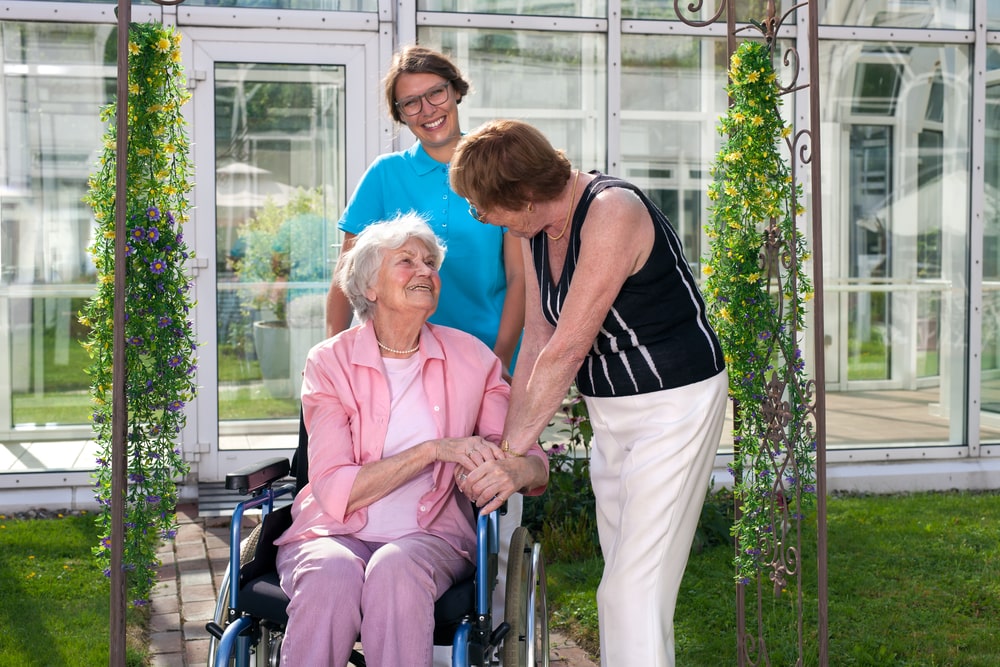
The training can include techniques for reducing stress, improving attention span, and promoting a compassionate attitude. Ultimately, the seniors receiving care also benefit from more mindful and relaxed nursing staff.
Mindfulness versus other forms of mental training
It is important to consider mindfulness in the context of other forms of mental training. While mindfulness is a specific approach, there are other methods that also contribute to mental fitness.
Meditation is an umbrella term for various practices that aim to train the mind or achieve a state of deep relaxation. Mindfulness is a form of meditation that focuses on consciously perceiving the present moment without judgment.
Cognitive training focuses on specific exercises to improve memory, attention, problem solving, and other cognitive functions. Mindfulness, on the other hand, aims to change the way you perceive and deal with thoughts and feelings.
Differences and similarities:
- Mindfulness: Focus on present perception without judgment
- Cognitive training: Targeted training of specific brain functions
- Meditation: Overarching category of various mental exercises
- All approaches can promote mental health in old age
Both approaches can complement each other and contribute to a comprehensive approach to mental health in old age.
Scientific findings on mindfulness in old age
The effectiveness of mindfulness is increasingly being studied scientifically. Research findings provide important insights into the benefits and areas of application of mindfulness in old age.
Numerous studies have demonstrated the positive effects of mindfulness on the mental well-being of older people. Research findings show that mindfulness practice can lead to a reduction in depression, anxiety, and sleep disorders.
Scientifically proven benefits:
- Reduction of depression and anxiety
- Improving sleep quality
- Improvement in overall well-being
- Improvement of cognitive functions
- Strengthening the immune system
- Reduction of inflammation markers
The consistency of the results across different studies underscores the effectiveness of mindfulness as a means of promoting well-being in old age. Interview studies and testimonials from seniors provide additional valuable insights into the practical benefits and demonstrate the wide range of possible applications in practice.
Conclusion
Mindfulness in old age is much more than just a trend—it is a scientifically proven way to achieve a better quality of life, serenity, and inner peace. The exercises and techniques presented here offer practical tools for facing the challenges of aging with greater calm and acceptance.
Whether through simple breathing exercises, mindful movement, or structured courses, every senior citizen can find the path to mindfulness that suits them best. Scientific findings clearly show that just a few minutes of daily practice can bring about noticeable improvements in various areas of life.
Start today with small steps and discover how mindfulness can enrich your life in old age. Investing in your mental health is one of the most valuable decisions you can make for yourself.
Further articles

Healthy candy alternatives for seniors
For many people, craving sweets is part of everyday life. However, traditional sweets often contain large amounts of sugar and provide

Cooking together in old age
As we get older, our everyday lives change in many ways. The children have left home, our partner may be
Protein-rich nutrition in old age
As we age, our bodies change in many ways, and nutrition plays a crucial role in our health.