HÖRST
Memory training for seniors
July 23, 2025
13 minutes reading time

OSKAR
Portable TV voice amplifier
Advertisement
Table of contents
Maintaining mental fitness in old age is something many people aspire to. Memory training plays a crucial role in this, as it helps to strengthen cognitive abilities and keep the brain active. Regular exercises can help improve memory, increase concentration, and thus significantly influence quality of life. This guide highlights the importance, benefits, and practical methods of memory training specifically for seniors to make everyday life active and fulfilling.
Why memory training is so important in old age
The brain is a complex organ whose performance changes over the course of a lifetime. While some abilities may decline with age, others remain intact or can even be improved. Memory training focuses on precisely this area and promotes the neural connections responsible for thinking, remembering, and learning.
Understanding the aging brain
With increasing age, natural changes occur in the brain. The speed of information processing can slow down and short-term memory can become less efficient. This is a normal aging process and no cause for concern. However, it does mean that the brain should continue to be challenged and exercised, similar to muscles in the body. Targeted training can slow down these processes and promote the brain's adaptability, known as neuroplasticity. The brain remains malleable and capable of learning, regardless of age. Regular use of certain areas of the brain leads to better blood circulation and networking of nerve cells, which maintains cognitive performance.
Prevent dementia and slow down mental decline
Although memory training cannot cure dementia, there are studies that suggest it can reduce the risk of developing dementia and slow down the progression of existing cognitive decline. An active brain is more resistant to pathological changes. By creating new neural pathways and strengthening existing ones, a so-called cognitive reserve can be built up. This reserve enables the brain to function better even when damaged and to compensate for the effects of diseases such as Alzheimer's. It is about challenging the brain and keeping it active to ensure the best possible mental health.
Maintaining and improving quality of life
A good memory and sharp mind are crucial for independent living in old age. When everyday tasks such as shopping, taking medication, or finding your way around familiar surroundings become easier, this increases personal autonomy and self-esteem. Memory training therefore contributes directly to maintaining a high quality of life. It enables seniors to continue to participate actively in social life, pursue hobbies, and learn new things. The ability to remember and learn is closely linked to a sense of self-efficacy and contributes to a perception of life in old age as fulfilling and meaningful.
The many benefits of regular memory training
Regular memory training offers a wide range of benefits that go far beyond mere recall. It influences various aspects of cognitive function and general well-being.
Increase in mental abilities
Targeted exercises train not only memory but also other important mental abilities. These include problem-solving skills, logic, abstract thinking, and judgment. The brain is challenged as a whole, leading to a comprehensive improvement in cognitive performance. This improvement manifests itself in a better ability to analyze complex situations, make quick decisions, and adapt to new circumstances. It is not just a matter of storing facts, but also of optimizing thinking as a process.
Improvement of memory and concentration
One of the most obvious benefits of memory training is the direct improvement in memory skills. Training helps you to absorb and store information more effectively and retrieve it when needed. At the same time, it trains your ability to concentrate, which is necessary for focusing on a task for a longer period of time and resisting distractions. Improved concentration allows you to perceive details better and process information more accurately. This is useful in everyday life, whether reading a book, having a conversation, or pursuing a hobby.
More creativity and joy of thinking
Memory training is not limited to logical tasks. Many exercises also challenge creativity and promote associative thinking. Solving puzzles, inventing stories, or developing new approaches to problems can awaken the joy of thinking and stimulate the brain in a playful way. When the brain is regularly confronted with new challenges, it develops more flexible thinking structures, which in turn promotes creativity. A brain that enjoys thinking remains more open to new things and more curious about the world.
Support in everyday life
The positive effects of memory training are directly reflected in everyday life. Remembering appointments, names, or finding objects becomes easier. Spatial orientation improves and the ability to adapt to new situations increases. All of this contributes to a more independent and confident approach to everyday life. Seniors can remember conversations better, process new information more easily, and thus participate more actively in discussions. Improved mental flexibility also helps to deal with unexpected situations and find solutions to minor everyday problems.
Effective methods for training your memory
Memory training is diverse and can be carried out in different ways. A combination of different methods is often most effective in comprehensively stimulating the brain.
Cognitive exercises challenge the brain
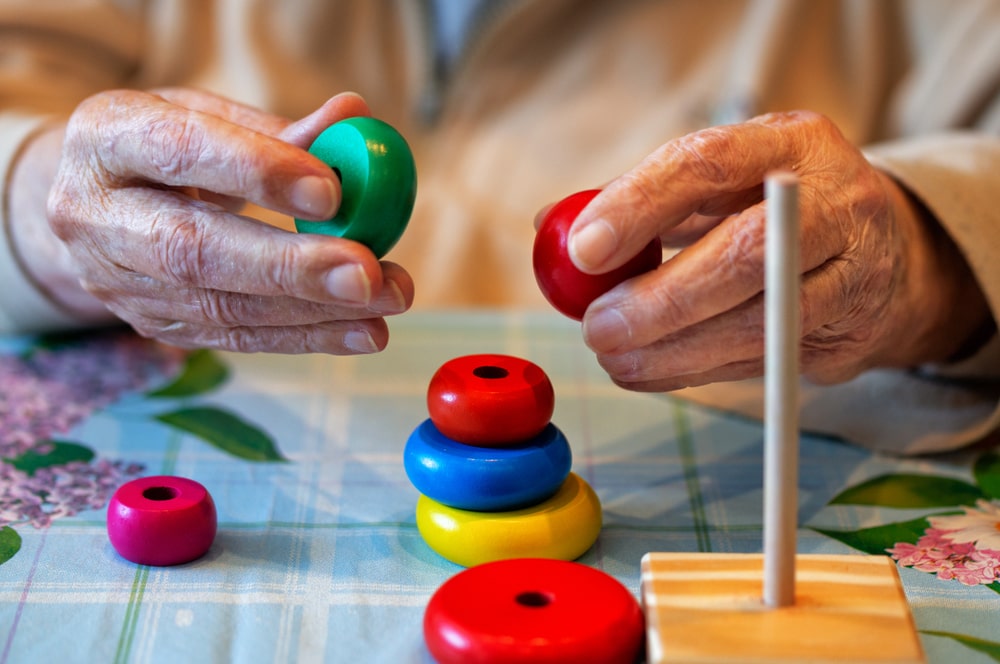
Cognitive exercises are specifically designed to stimulate different areas of the brain. These include number puzzles such as Sudoku, crossword puzzles, logic puzzles, or learning a new language. Memorizing shopping lists or repeating phone numbers in your head are also examples of these exercises. It is important that the tasks are challenging but not overwhelming in order to ensure a positive learning experience. Regularly solving such tasks keeps neural connections active and promotes the formation of new synapses. The brain learns to work more efficiently and link information more quickly.
Games and puzzles for mental fitness
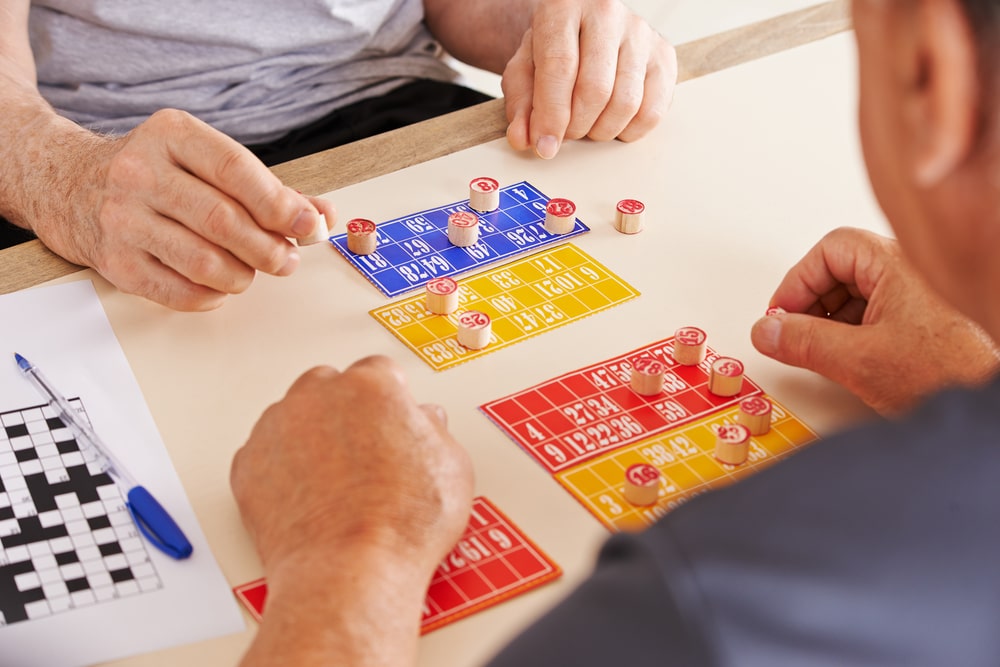
Games are an excellent way to train your memory in an entertaining way. Classic board games such as chess, checkers, or nine men's morris require strategic thinking and foresight. Card games such as memory or skat train your short-term memory and ability to remember things. Digital brain training apps also offer a wealth of playful exercises that can be individually adapted to your performance level. Puzzles of all kinds, from picture puzzles to brain teasers, are also effective tools for challenging the brain and promoting the joy of thinking. The playful approach reduces pressure and increases motivation to engage in memory training on a regular basis.
The importance of exercise and physical activity
It may come as a surprise, but physical exercise is inextricably linked to mental fitness. Regular physical activity improves blood flow to the brain, promotes oxygen supply, and releases growth factors that are important for the formation of new brain cells. Walking, light exercise, dancing, or yoga can make a big difference. Exercise also reduces stress, which can have a negative effect on memory. An active body supports an active brain, as physical fitness forms the basis for good brain function. The connection between body and mind is evident here.
Social interaction keeps the mind alert
Interacting with other people is a form of memory training that is often underestimated. Having conversations, discussing things, reminiscing about shared experiences, or exchanging new information—all of these activities challenge the brain in many different ways. Social isolation, on the other hand, can have negative effects on cognitive health. Participating in group activities, clubs, or volunteer work offers excellent opportunities for social interaction and thus indirectly for memory training. Telling stories, solving problems together, or planning activities with other people promotes language skills, social memory, and the brain's ability to adapt.
Practical memory exercises for at home and in a group
Many memory exercises can be easily integrated into everyday life or performed together with others. Here are some practical examples.
Word-finding games and bridge words
Word games are excellent for stimulating the language centers in the brain and improving word retrieval. Word retrieval games involve finding words on a specific topic as quickly as possible or forming words with specific letters. Bridge words are also effective: two terms are named, and a third person has to find a word that fits both (e.g., "house" and "tree" – bridge word: "garden"). These games can be played alone or in a group and are fun while challenging the brain at the same time. They not only train vocabulary, but also the ability to make associative connections between terms.
Memory games with pictures and objects
Visual memory games are particularly effective. A simple exercise is to place several objects on a table, look at them briefly, and then try to remember them all after they have been covered up. The classic memory game with pairs of cards is also highly recommended. Looking at pictures and describing what you have seen without looking again also trains your visual memory and perception of detail. Such games train your visual memory and your ability to remember sequences and positions.
Puzzles and brain teasers for every level of difficulty
From simple Sudoku puzzles and crossword puzzles in daily newspapers to more complex logic puzzles or brain teasers—the selection is huge. Many libraries also offer books with memory exercises. It is important to choose a level of difficulty that is challenging but not frustrating. Regular puzzle solving keeps the brain active and promotes strategic thinking and problem-solving skills. There are also specific puzzles for seniors that are tailored to their interests and abilities. Success in solving puzzles also boosts self-confidence and motivation.
Creative tasks stimulate the imagination
Memory training does not always have to be strictly logical. Creative tasks such as continuing a story, painting from memory, or inventing rhymes challenge the imagination and stimulate other areas of the brain. Learning a musical instrument or taking up a new hobby that requires creative thinking can also have a positive effect on memory. The combination of memory and creative expression strengthens neural networks in new and diverse ways. This type of training is often particularly enjoyable and promotes personal development.
Exercises to print out and lesson plans
For those who like to work hands-on or train in groups, there are numerous materials available to print out. Many online platforms and senior centers offer free or inexpensive exercise sheets. For caregivers and group leaders, there are also ready-made lesson plans that enable structured memory training. These materials make it easier to get started and offer a wealth of ideas for varied training sessions, whether at home on your own or in a supervised environment.
Tips for successful and enjoyable memory training
In order for memory training to be successful in the long term and enjoyable, a few basic principles should be observed.
Regularity is the key to success
As with any form of training, consistency is key when it comes to memory training. Short, daily sessions of 10 to 15 minutes are often more effective than long, infrequent sessions. The aim is to continuously challenge the brain and keep it active in order to consolidate learning achievements. Make memory training a regular part of your daily routine, similar to brushing your teeth. Consistency leads to lasting improvements in cognitive functions and helps to maintain the knowledge and skills you have acquired.
Variety ensures fun and challenge
The brain likes variety. If you always do the same exercises, it gets used to them and the learning effects diminish. Therefore, regularly change the type of exercises, topics, and difficulty levels. For example, combine word games with visual tasks and logic puzzles. This variety keeps the brain curious and constantly challenges it. The fun factor increases when you are not bored, and motivation is maintained. The brain benefits most when it is confronted with new and different stimuli.
Integration into daily life
Memory training does not always have to take the form of special exercises. Many everyday situations offer excellent opportunities to train the brain. For example, memorize phone numbers instead of writing them down immediately. Try to remember your shopping list before checking it. Use your commute home to remember details about your surroundings. Learning new skills, such as playing a musical instrument or learning a language, can also serve as effective memory training. Every day offers opportunities to keep your brain active and stimulate new thought processes.
When caregivers can provide support
Care workers can be a valuable source of support for seniors who need assistance. They can lead exercises, provide motivation, and integrate memory training into the daily routine. Professional support is particularly important in the early stages of cognitive impairment in order to find suitable tasks that are not too demanding. Caregivers can also help organize group activities, thereby strengthening the social component of memory training. Support can be tailored to the individual to achieve the best possible results and improve the senior's quality of life.
Frequently asked questions about memory training in old age
Many people have questions about memory training in old age. Here are answers to some of the most frequently asked questions to provide further clarity.
Is it ever too late to start memory training?
No, it's never too late. The brain remains capable of learning throughout life, and even in old age, positive effects can be achieved. Any activity that challenges the brain is beneficial. It's about activating the brain and promoting new connections, regardless of the starting point.
How long should a training session last?
Short, regular sessions are more effective than long, infrequent ones. Ten to fifteen minutes per day is a good start. More important than duration is regularity and concentration during the exercise.
Can memory training cure dementia?
No, memory training cannot cure dementia. However, it can help reduce the risk, slow down the progression of the disease, and alleviate symptoms. It is a preventive and supportive measure.
What role does nutrition play in memory?
A balanced diet with plenty of fruit, vegetables, whole grains, and omega-3 fatty acids is important for brain health. It provides the necessary nutrients and protects the cells.
Should memory training be done alone or in a group?
Both have advantages. Alone, you can concentrate better, while in a group you benefit from social interaction and mutual motivation. A combination of the two is ideal.
Are there apps for memory training?
Yes, there are numerous apps that offer playful memory training and often provide personalized exercises. They can be a good supplement to traditional methods.
Further articles

Healthy candy alternatives for seniors
For many people, craving sweets is part of everyday life. However, traditional sweets often contain large amounts of sugar and provide

Cooking together in old age
As we get older, our everyday lives change in many ways. The children have left home, our partner may be

Protein-rich nutrition in old age
As we age, our bodies change in many ways, and nutrition plays a crucial role in our health.