HÖRST
Fluid management in old age
January 21, 2026
8 minutes reading time
OSKAR
Portable TV voice amplifier
Advertisement
Table of contents
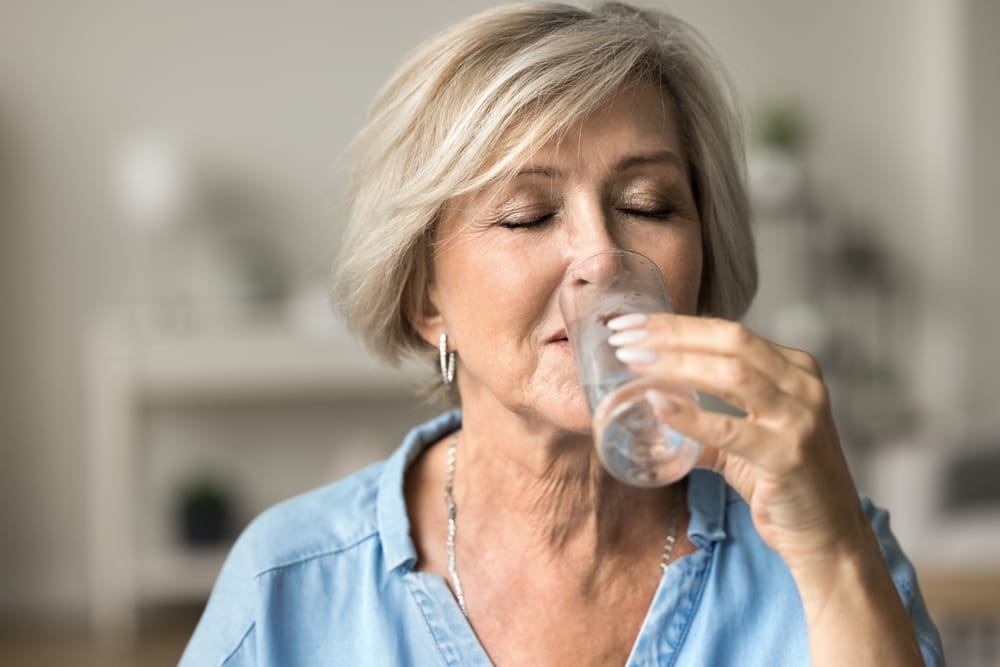
As we age, our bodies change in many ways. One of these changes affects our fluid balance and thirst sensation. Many older people drink too little, often without realizing it. However, dehydration can have far-reaching consequences for health and well-being. Good fluid management in old age helps to ensure that the body is supplied with sufficient fluids and prevents typical complaints. This guide explains why seniors should pay particular attention to how much they drink and what practical measures can help in everyday life.
Why fluid management is particularly important in old age
The human body depends on regular fluid intake. This becomes even more important in old age, as various physical changes increase the risk of dehydration.
Changes in the body during aging
Over the years, the amount of water in the body decreases. While it is around 60 to 70 percent in younger adults, it is often only 50 percent or less in older people. This change means that the body has fewer fluid reserves and is more sensitive to fluid loss. At the same time, the kidneys often work less efficiently in old age, which can make it even more difficult to regulate fluid balance.
Decreased thirst sensation
One of the most important changes concerns the feeling of thirst itself. For many seniors, this natural warning signal no longer works reliably. The body no longer signals the need for fluids as clearly as it did in younger years. As a result, older people often only drink when they are already dehydrated. Conscious fluid management in old age can compensate for this disadvantage.
Consequences of dehydration
Inadequate fluid intake can have a variety of effects. Possible consequences include fatigue, difficulty concentrating, confusion, and dizziness. Constipation, dry mucous membranes, and skin problems can also occur. The increased risk of falling associated with dizziness and circulatory problems should be taken particularly seriously. The effects of an increased risk of falling can have far-reaching consequences for older people.
Recognizing signs of dehydration in seniors
A lack of fluids, medically referred to as dehydration or exsiccosis, manifests itself through various symptoms. It is important to recognize these signs early on so that countermeasures can be taken in good time.
| Symptom category | Typical signs |
|---|---|
| Physical warning signs | Dry mouth, chapped lips, dark yellow urine, headaches, fatigue, weakness, low skin elasticity. |
| Behavior & mental performance | Confusion, disorientation, restlessness, irritability, mood swings. |
| Severe symptoms | Severe dizziness, rapid heartbeat, low blood pressure, pronounced weakness, fever without infection. |
Causes of insufficient fluid intake in old age
In addition to a reduced sense of thirst, there are other reasons why older people often drink too little. Understanding these causes can help to find targeted solutions.
Fear of incontinence
Many seniors consciously reduce their fluid intake for fear of uncontrolled urine loss or frequent trips to the bathroom, especially at night. However, this can further irritate the bladder.
swallowing disorders
Difficulties swallowing can make drinking uncomfortable or laborious. Thickened drinks or special drinking aids can provide relief.
Taking medication
Some medications, such as diuretics, increase fluid loss. Others can further reduce thirst or cause dry mouth, making it difficult to drink.
Forgetfulness & Routine
Without a structured daily routine or with declining mental fitness, drinking can simply be forgotten in everyday life. Fixed routines and reminders are crucial here.
Practical tips for better fluid management
Create a drinking plan and set drinking times
A structured drinking plan helps you to drink regularly throughout the day. The recommended daily amount of around 1.5 liters can be divided into six to eight portions. Fixed drinking times, for example with meals and in between, create a routine. Drinking should be spread as evenly as possible throughout the day, although the amount can be reduced slightly in the evening to limit nighttime trips to the bathroom.
Keep a drinking log
A drinking log makes actual fluid intake visible. It records when and how much was drunk. This documentation can help identify weaknesses and increase fluid intake in a targeted manner. In care facilities, drinking logs are often part of standard care. They can also be a useful tool at home, especially when relatives are involved in care.
Display beverages visibly
Things that are in view are more likely to be noticed. A full glass or bottle on the table, next to the armchair, or by the bed reminds you to drink. Even during a cozy evening watching TV, having a drink within reach can encourage you to drink in between. Using aids to improve the TV sound can help seniors stay alert longer and remember to drink.
Making the right beverage choice
Water is the ideal drink, but not everyone likes it plain. Unsweetened herbal teas, fruit teas, or water with a splash of lemon offer a variety of flavors. Diluted fruit juices can also contribute to your fluid intake. Coffee and black tea are allowed in moderation, but should not be your only source of fluids. Alcoholic beverages and high-sugar sodas are less recommended.
Include foods rich in water
Fluids are also absorbed through food. Fruits such as melons, oranges, and grapes, as well as vegetables such as cucumbers, tomatoes, and lettuce, have a high water content. Soups and broths are also good sources of fluids and can help you absorb both nutrients and fluids, especially if you have a poor appetite. A balanced, age-appropriate diet therefore also supports fluid management.
Assistive devices, family members, and special situations
Aids for fluid intake
Various practical aids can make drinking easier, especially for those with physical limitations. These include special drinking cups with ergonomic handles, sippy cups, or straws. Bottles with markings for times or drinking quantities help to keep track of consumption. Simple alarm clocks, timers, or smartphone apps can also provide regular reminders to drink.
The role of relatives and caregivers
Family members and caregivers play a key role in the lives of older people who need support in their daily lives. They should watch out for signs of dehydration, offer drinks regularly, and take individual preferences into account. Keeping a joint drinking log creates transparency and helps to ensure adequate fluid intake.
Special situations and illnesses
In hot weather, or in cases of diarrhea or vomiting, fluid requirements increase and must be consciously adjusted. People with heart or kidney disease often have special fluid requirements that must be discussed with their doctor. In cases of dementia or when care is required, consistent support from others is essential, as those affected are no longer able to ensure adequate fluid intake on their own.
When medical advice is required
In most cases, fluid management in old age can be improved through practical measures in everyday life. However, there are situations in which medical advice is advisable or necessary.
If symptoms of dehydration persist
If symptoms such as persistent confusion, severe dizziness, or pronounced weakness persist despite drinking sufficient amounts of fluid, a doctor should be consulted. These symptoms may also have other causes that require clarification.
If you are unsure about the correct amount to drink
People with pre-existing conditions or who are taking certain medications should discuss their individual fluid requirements with their doctor. A blanket recommendation does not suit everyone, and a medical assessment can provide reassurance.
If you have problems with fluid intake
Persistent swallowing difficulties, severe nausea, or other complaints that make drinking difficult should be clarified by a doctor. There are often ways to treat these problems or circumvent them with suitable aids.
Good fluid management in old age requires attention and often the support of other people. With the right strategies, practical aids, and a conscious approach to the issue, fluid intake can be improved, making an important contribution to health and quality of life in old age.
Further articles

Healthy candy alternatives for seniors
For many people, craving sweets is part of everyday life. However, traditional sweets often contain large amounts of sugar and provide

Cooking together in old age
As we get older, our everyday lives change in many ways. The children have left home, our partner may be

Protein-rich nutrition in old age
As we age, our bodies change in many ways, and nutrition plays a crucial role in our health.