HÖRST
TV sound and TV volume – How sound quality affects the TV experience
September 12, 2025
5 minutes reading time

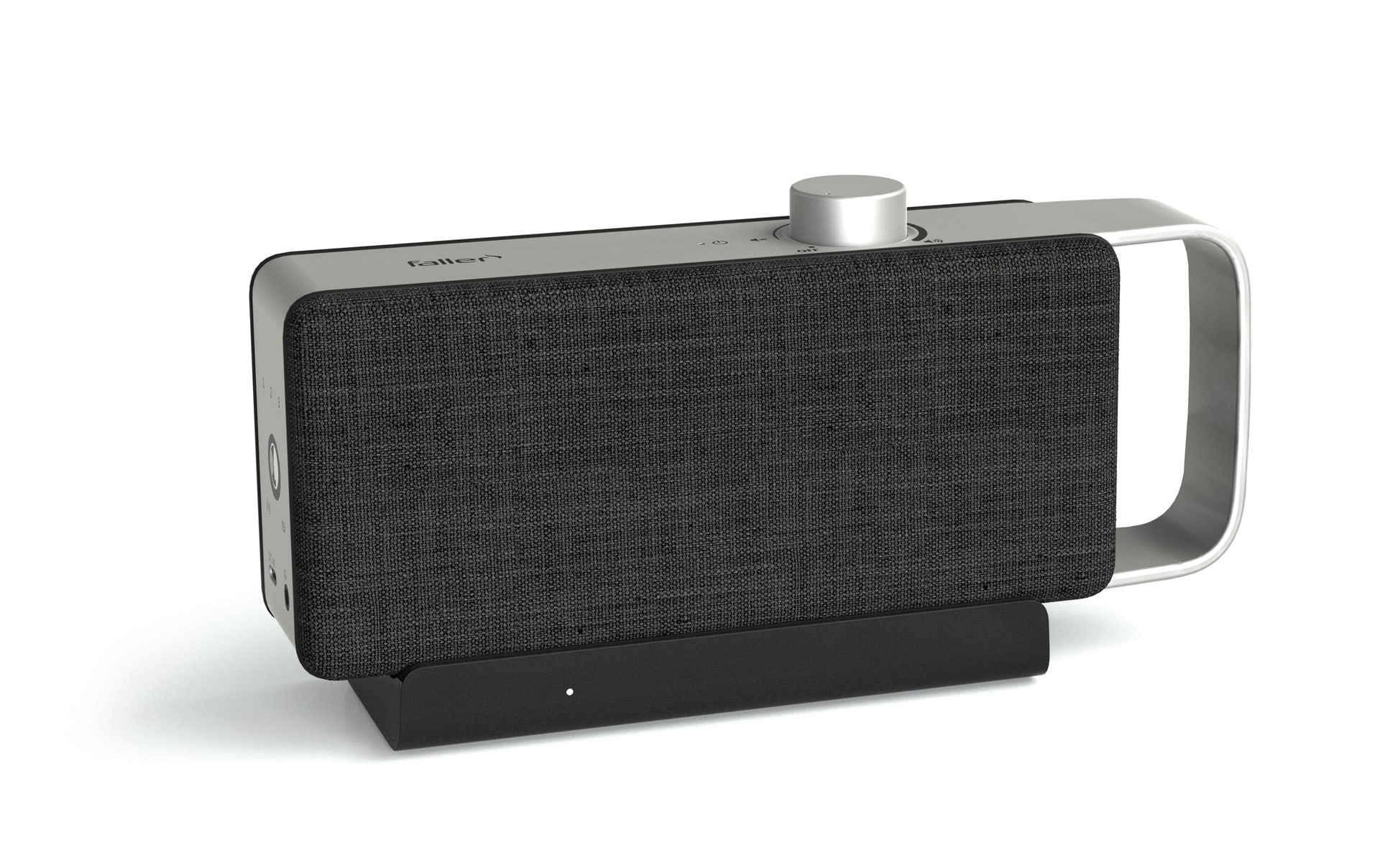
OSKAR
Portable TV voice amplifier
Advertisement
Table of contents
A clear and pleasant sound experience is just as important as a good picture when it comes to television. Many people are familiar with the problem of uneven volume, especially when it comes to finding the right sound balance between dialogue, music, and background noise. Especially in today's world, where television is consumed across a variety of platforms and formats, there are often fluctuations in volume that can disrupt the viewing experience. In this article, we'll explore the various causes and problems related to TV sound and volume, and offer solutions for taking your sound experience to the next level with external TV speakers.
The most important information in brief
- Movies and TV series have different audio mixes—blockbusters rely on loud, dramatic sound, while TV series use more subtle sounds.
- Commercials are deliberately mixed louder than TV programs in order to attract attention and be more eye-catching.
- Loud background music and sound effects often drown out dialogue, especially in action and thriller productions.
- Different streaming platforms use different compression methods, resulting in inconsistent volume levels.
- Integrated TV speakers cannot accurately separate speech from background noise.
- External TV speakers and voice amplifiers offer targeted solutions for better dialogue intelligibility and more consistent volume levels.
Why are there different volume levels for movies and TV series?
A common problem with TV content is the difference in perceived TV volume between movies and series. Especially with streaming services or on digital platforms, it is noticeable that the sound can vary between different media formats. This is often related to production technology: movies are often produced with a different audio mix than series. Blockbusters and action films often use louder, more dramatic sound to enhance the action scenes. Series, on the other hand, especially dramas, often rely on subtle sounds and a less intense soundscape.
These differences arise because film production often places greater emphasis on spectacular soundscapes that draw viewers into the action. This is not always the case with series, which often focus more on dialogue and subtle atmospheres. These differences can lead to the volume between the two formats being perceived as unpleasantly fluctuating.
TV volume during commercials – Why it is so much louder
Another common problem with television is the uneven volume between regular TV content and commercials. The sound in commercials is often significantly louder than in program content, which viewers find annoying. These volume differences arise from the way commercials are produced and edited. As a rule, commercials are mixed so that the volume is increased compared to TV programs in order to attract the attention of viewers.
The volume of commercials is often amplified by reducing the dynamic range, so that the sound is more consistent and "longer." This creates a louder and more powerful effect, making the advertisement more noticeable. Technically speaking, the level of background noise and music in the advertisement is raised, while dialogue is reproduced more clearly and loudly.
Loud background music and noise on TV – How they drown out dialogue
Another common problem with TV sound is that loud background music and noise often drown out the dialogue, making it difficult to follow the conversations. This can happen especially in action movies, thrillers, or series with a lot of music and sound effects, where the dialogue can fade into the background. This is often due to the way the sound is mixed. In many productions, the sound is mixed so that the music and background noise are more dominant in order to create tension or emphasize emotions.
This imbalance between music and dialogue can be particularly problematic when the sound is played through built-in TV speakers, which are generally unable to deliver precise and balanced sound reproduction. To solve this problem, external TV speakers can be used, which allow for better separation between speech and other sounds, thereby increasing speech intelligibility.
How to achieve consistent TV volume across all platforms and formats
Another common concern among many television viewers is that the volume is inconsistent across different platforms or formats. The volume on streaming services may differ from that on cable TV or satellite broadcasts. This is due to the different ways in which sound is compressed or processed on these platforms.
Streaming services such as Netflix, Amazon Prime Video, and media libraries from public broadcasters and others often offer different audio formats that are not always optimally matched to the respective TV. Some platforms compress the audio signals more than others, resulting in poorer sound quality. In addition, the volume also depends on regional settings and the Internet speed used.Some TVs are now equipped with a volume control that compensates for the volume to a certain extent and is designed to reduce unpleasant volume fluctuations between program content and commercials. While this feature is helpful, it is not comparable to the capabilities of an external speaker system or a TV audio amplifier. While the TV's volume control only adjusts the overall volume, external TV speakers and TV voice amplifiers offer a much more precise solution for optimizing speech intelligibility. They emphasize the frequencies that are important for speech, ensuring clear and understandable reproduction of dialogue, while other background noises are less distracting.
Further articles

Healthy candy alternatives for seniors
For many people, craving sweets is part of everyday life. However, traditional sweets often contain large amounts of sugar and provide

Cooking together in old age
As we get older, our everyday lives change in many ways. The children have left home, our partner may be

Protein-rich nutrition in old age
As we age, our bodies change in many ways, and nutrition plays a crucial role in our health.