HÖRST
TV soundbar & music
November 28, 2025
12 minutes reading time
OSKAR
Portable TV voice amplifier
Advertisement
Table of contents
A soundbar, often perceived primarily as an addition to a TV for better TV sound, unfolds its true potential far beyond that. It can form the centerpiece for an outstanding music experience in your own home. The development of soundbars has made enormous progress in recent years, so that today they are able to offer even discerning listeners remarkable music reproduction. It's no longer just about understanding dialogue more clearly or experiencing movie explosions more vividly. More and more models are specifically designed to authentically reproduce music in all its facets, from soft sounds to dynamic bass. Integrating a soundbar into your personal audio setup can fundamentally change your daily music listening experience.
A powerful soundbar can transform your living room into your own personal concert hall or a relaxed jazz club. Gone are the days when a bulky stereo system with numerous components and tangled cables was the only way to enjoy high-quality music. Modern soundbars offer a compact and elegant solution that blends seamlessly into any living environment while still delivering impressive sound quality. The combination of several integrated speakers, often in conjunction with a separate subwoofer, creates a room-filling sound that brings even the most demanding pieces of music to life. This makes the soundbar a versatile audio system that takes not only movie night but also conscious music listening to a new level. Its versatility and easy connectivity are key advantages that make a soundbar an attractive option for music lovers.
The most important information in brief
- Modern soundbars offer a compact and elegant alternative to large stereo systems for high-quality music enjoyment.
- Sound quality, a wide sound stage, and balanced treble, midrange, and bass reproduction are crucial for the musical experience.
- A good subwoofer is essential for powerful, precise bass and deep, palpable rhythm.
- Surround sound and Dolby Atmos give music a three-dimensional dimension, especially in live recordings.
- Wi-Fi, Bluetooth, AirPlay, and Chromecast enable flexible, wireless streaming of your favorite music.
- Sound modes, equalizer, and voice control allow you to personalize the sound according to your individual preferences.
The basics of sound
Various technical aspects play a key role in delivering an outstanding music experience with a soundbar. It is the sum of the individual components that ultimately makes the difference between good and excellent sound. The path to a compelling music experience begins with a soundbar that is capable of reproducing sound precisely and evenly. It's not just the pure decibels that count, but rather the way in which the sound quality of a soundbar conveys the musical details and atmosphere of a piece.
Sound quality and sound stage
A soundbar's ability to create a wide and deep soundstage is crucial for an immersive music experience. A good soundbar reproduces instruments and voices clearly and distinctly, allowing you to perceive their positioning in the room. Clear highs allow cymbals and violins to shine, precise mids ensure the authenticity of voices and guitars, while rich basses give the foundation of the music the necessary depth. It is the harmonious balance of these frequency ranges that creates a coherent and lively sound experience and allows the music to sound as the artists intended. The separation of the individual channels within the soundbar contributes significantly to this spatial representation.
Subwoofer and bass
For many genres of music, powerful and precise bass is essential. This is where the subwoofer comes in. It is specially designed to reproduce the lowest frequencies in music, which normal speakers often cannot achieve. Whether it's the pulsating rhythm of a dance track or the deep rumble of a double bass line in jazz, a good subwoofer gives the music a tangible foundation and more dynamics. Soundbars offer different approaches here: some have a built-in subwoofer, which saves space, while others come with an external, often wireless subwoofer. The latter usually offer even deeper and more powerful bass reproduction and allow for more flexible placement in the room to achieve the best sound.
Channels and surround sound: spatial sound for your favorite songs
The number of channels in a soundbar has a significant impact on the spatial sound experience. A 2.1 system with two front channels and a subwoofer already offers a significant improvement over integrated TV speakers. Systems with 3.1 or more channels, which also integrate a center channel for voices, can reproduce music in even greater detail and clarity. For a truly immersive experience that goes beyond stereo, surround sound formats such as Dolby Atmos and DTS are important. These technologies are familiar from home cinema, but they can also add a new dimension to music by allowing sound to come not only from the front, but also from above and from the sides. This creates a feeling of being in the middle of the music, which can be particularly impressive with live recordings or specially mixed songs. The sounds are distributed throughout the room, creating a three-dimensional sound experience.
Connections, connectivity, and compatibility
The versatility of a soundbar for music depends heavily on its connectivity options and compatibility with various devices and streaming services. A modern soundbar should offer flexible ways to connect your favorite music sources. Choosing the right connections is crucial to unlocking the full potential of the soundbar's audio music playback and establishing a seamless connection.
HDMI ARC and eARC
The HDMI connection has established itself as the most important standard for connecting soundbars to televisions. HDMI ARC (Audio Return Channel) and eARC (Enhanced Audio Return Channel) are particularly important here. ARC allows audio signals to be sent from the television back to the soundbar, so that only one HDMI cable is needed for picture and sound. eARC is the next step up from ARC and offers a much higher bandwidth. This means that uncompressed and high-resolution audio formats, like those often offered by music streaming services with "Hi-Res Audio" or found on Blu-rays, can be sent to the soundbar without any loss of quality. This is particularly relevant for discerning music lovers who want to get the most out of their audio sources and expect a soundbar to reproduce all the subtleties of the sound.
Bluetooth
Bluetooth is one of the most convenient and widely used ways to stream music wirelessly to a soundbar. Almost every smartphone, tablet, or laptop has Bluetooth, which allows for quick and easy connection. Within seconds, the desired device can be paired with the soundbar, and you can start playing your favorite playlist. Modern Bluetooth versions and support for high-quality audio codecs such as aptX ensure good sound quality that is perfectly adequate for everyday music enjoyment. The wireless freedom offered by Bluetooth makes it ideal for spontaneous music listening and sharing music with friends.
Additional inputs – optical, jack, and USB
In addition to HDMI and Bluetooth, many soundbars have other inputs that offer a high degree of flexibility when connecting to different audio sources. An optical digital input (Toslink) is a proven alternative to HDMI, especially for older TVs or other audio devices that do not support HDMI ARC/eARC. It transmits digital audio signals with good sound quality. An analog jack connection (3.5 mm) allows you to connect devices such as MP3 players or older CD players, while a USB input in some cases allows you to play music directly from a USB stick. This variety of connections ensures that almost any music source can be connected to the soundbar.
Streaming and multiroom for unlimited music
Modern soundbars are often more than just simple speakers; they are part of a networked ecosystem that enables a comprehensive music experience:
Wi-Fi and multiroom systems
Many soundbars have a Wi-Fi interface that allows you to access online music services such as Spotify, Tidal, or Deezer directly via the device. This provides stable, lossless music transmission and is often superior to Bluetooth connections in terms of sound quality, as it offers higher bandwidth. In addition, Wi-Fi-enabled soundbars can be integrated into multi-room systems. Well-known examples include Sonos and systems that support AirPlay. In a multi-room setup, you can play the same music synchronously in different rooms or enjoy different tracks in each room. The soundbar thus becomes an integral part of a networked audio system that carries music throughout the entire house.
AirPlay and Chromecast: Convenient streaming from Apple and Android devices
AirPlay (for Apple devices) and Chromecast (for Android devices and Google services) are streaming protocols that enable particularly convenient playback of music from smartphones, tablets, or computers on the soundbar. With AirPlay, users of iPhones, iPads, or Macs can stream audio wirelessly to compatible soundbars, often with higher sound quality than via Bluetooth. Chromecast offers similar features for Android users and also allows streaming from many apps directly to the soundbar. Both technologies are characterized by their user-friendliness and seamless integration into their respective ecosystems. They turn the soundbar into a versatile music player that requires no additional hardware.
Choosing the right soundbar for music
Choosing the right soundbar for your personal music collection requires consideration of various factors that go beyond pure technical specifications. It's about finding a device that fits perfectly into your home and individual listening habits in terms of sound, appearance, and functionality.
Appropriate size and design
A soundbar is not only an audio device, but also a piece of furniture that should blend into your living room. The size and design of the soundbar should match your TV and existing furnishings. There are slim, unobtrusive models that are barely noticeable, as well as larger, more imposing soundbars that make a statement. Placement also plays a role: should the soundbar stand on a TV stand, be mounted on the wall, or perhaps even disappear into a sideboard? Optimal placement is crucial for the best possible sound. Ideally, a soundbar should be positioned so that it is not obscured by objects and the sound can radiate unhindered into the room to create the desired sound stage.
Special features for music lovers
In addition to basic audio functions, many soundbars offer special features that can further optimize and personalize the music experience.
Sound modes and equalizer
Many soundbars offer preset sound modes that are optimized for different applications, including special music modes. These modes adjust the equalizer settings to improve music playback. In addition, some models feature manual equalizer settings that allow users to adjust bass, midrange, and treble to their own taste. This allows you to precisely tailor the sound to your own listening preferences or the specific acoustics of the room to achieve the optimal sound experience. This is a crucial factor in personalizing sound quality.
Voice control and smart home integration
Ease of use is another criterion that is important to many users. Soundbars with integrated voice control (e.g., Google Assistant or Amazon Alexa) allow you to control your music via voice command, change songs, adjust the volume, or call up information about the current song. Integration into smart home systems opens up further possibilities, such as incorporating the soundbar into automated routines or central control via a smart home app. A well-designed remote control or intuitive app control also contribute to a smooth user experience.
Well-known brands and models for high-quality music enjoyment
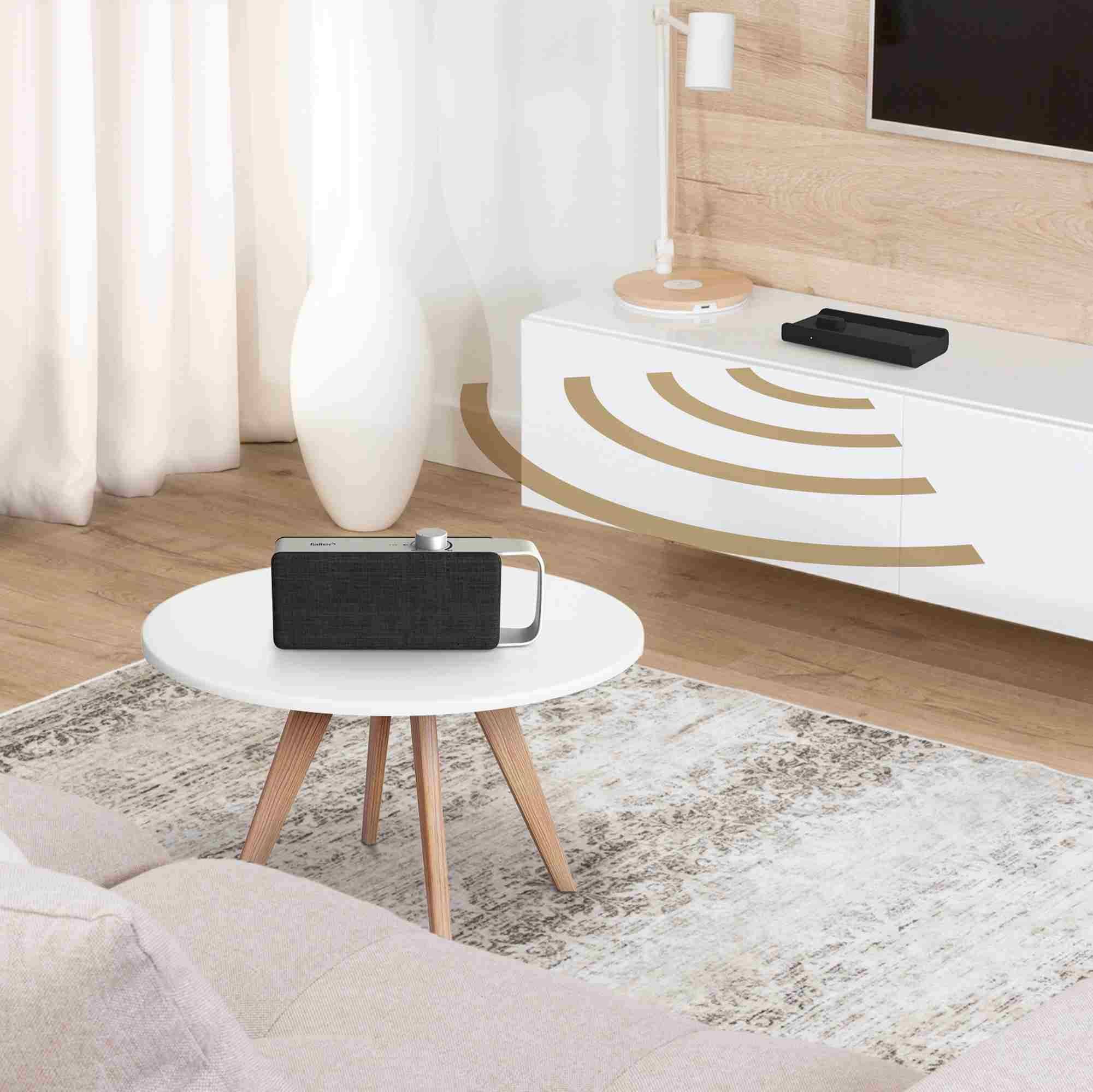
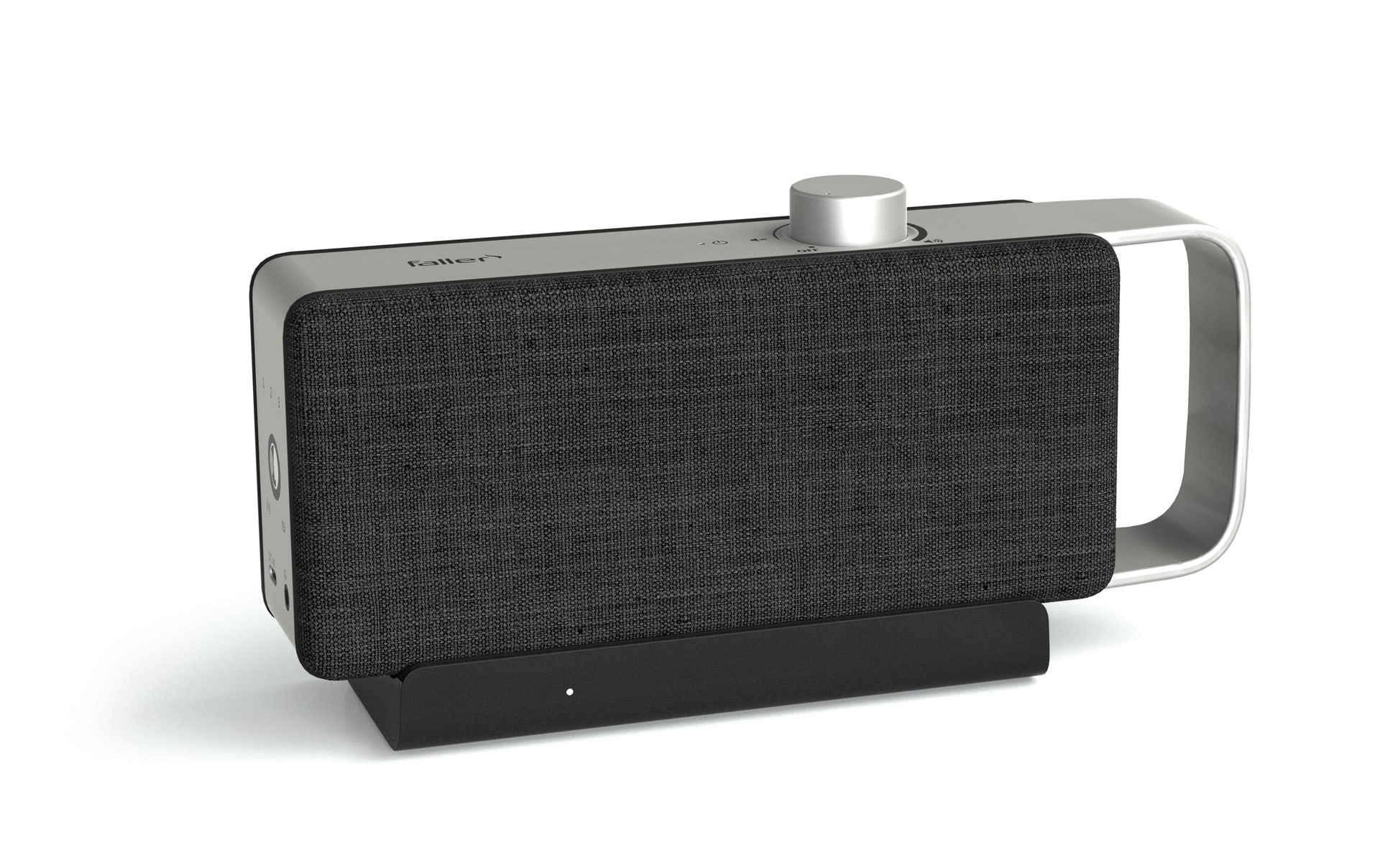
The market for soundbars is diverse, and numerous manufacturers offer models that are suitable for music playback. Brands such as Sonos, Teufel, JBL, Faller Audio, and Samsung have made a name for themselves with innovative products and high sound quality. Models such as the Cinebar from Teufel, the Ambeo Soundbar from Sennheiser (often in the premium segment), and OSKAR from Faller Audio are examples of soundbars that have been specially designed for sophisticated audio enjoyment and also deliver excellent results for music. Comparing the different systems and their specific advantages can help you find the ideal device that meets your personal soundbar audio music requirements and offers a first-class sound experience. When researching, you should pay attention to the technical specifications, but also consider user reviews and tests to get a comprehensive picture. Price also plays a role, of course, and there are speaker solutions to suit every budget.
Installation and setup for immediate music enjoyment
Setting up a soundbar for music doesn't have to be complicated. Modern devices are designed to enable a quick and easy setup procedure so that you can enjoy the musical sound experience without long waiting times.
Plug-and-play for instant music enjoyment
Most soundbars are designed to be super easy to set up. Often, all you need to do is unpack the device, plug it in, and connect it to your TV using a single HDMI cable (ideally via the ARC or eARC port). Then, pair the audio sources you want to use, such as a smartphone via Bluetooth or a streaming service via Wi-Fi. The included instructions usually guide you through the process step by step. Many soundbars automatically detect the connected devices and optimize the settings for the best possible sound. This means that nothing stands in the way of immediate music enjoyment.
Getting the most out of your soundbar
Even though the basic setup is quick and easy, fine-tuning the sound can further enhance the listening experience. This includes positioning the soundbar and, if applicable, the subwoofer correctly in the room to minimize reflections and create an optimal soundstage. Some soundbars feature automatic room calibration, where a microphone measures the room and adjusts the sound settings accordingly. Using the various sound modes or the equalizer can also help to tailor the sound to your personal preferences and the type of music being played. Experiment with the settings to find the perfect sound quality for your home and get the most out of your soundbar. The right settings can make the difference between a good and an outstanding sound experience.
Further articles

Healthy candy alternatives for seniors
For many people, craving sweets is part of everyday life. However, traditional sweets often contain large amounts of sugar and provide

Cooking together in old age
As we get older, our everyday lives change in many ways. The children have left home, our partner may be

Protein-rich nutrition in old age
As we age, our bodies change in many ways, and nutrition plays a crucial role in our health.