HÖRST
Care and cleaning of the ear canal
August 8, 2025
5 minutes reading time
OSKAR
Portable TV voice amplifier
Advertisement
Table of contents
The ear canal is a sensitive area of our body that is often neglected. Many people do not know how important it is to care for and clean it properly. Below, you can learn more about "caring for and cleaning the ear canal" and why it is particularly important for hearing aid users and people who frequently use headphones.
Why is cleaning the ear canal so important?
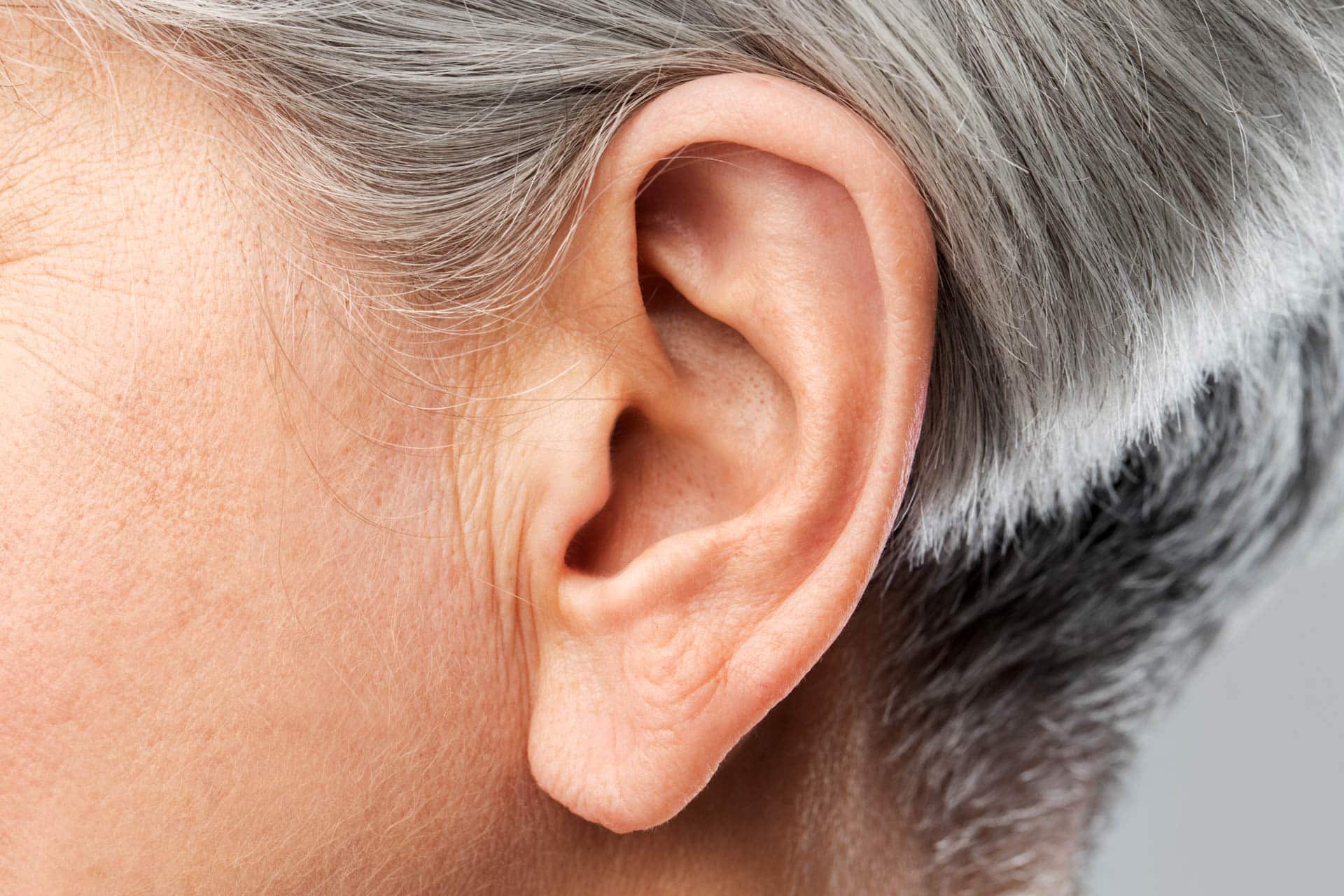
The earis a masterpiece of nature, with a kind of self-cleaning mechanism. The ear canal produces cerumen, also known as earwax, which helps to keep dirt and bacteria out and protect the skin of the ear canal. It sounds paradoxical, but cleaning your ears too much can actually put them at risk, as it can compromise their natural protective mechanism. This can lead to injury, inflammation, and consequentlyearache. So when and how should we clean our ears?
Recognizing and removing earwax blockages
However, sometimes earwax can clump together and block the ear canal. You can recognize this situation by the following signs:
- You hear less well in one ear
- You have a feeling of pressure in your ear
- Tinnitus or pain may also occur.
If you notice any of these symptoms, it is advisable to consult a doctor or ENT specialist rather than attempting to remove the blockage yourself. Your doctor has various options for safely removing earwax blockages. These include:
- Ear irrigation:This method uses warm water or a special irrigation solution to gently flush the earwax plug out of the ear canal. However, this should only be performed by a professional to minimize the risk of injury.
- Suction:In some cases, the doctor can remove the wax plug using a special instrument. This is an effective and gentle method of cleaning the ear canal.
- Manual removal:In certain situations, the doctor can remove the earwax plug manually using special instruments. However, this requires skill and experience to avoid the risk of injury.
The pitfalls of cotton swabs
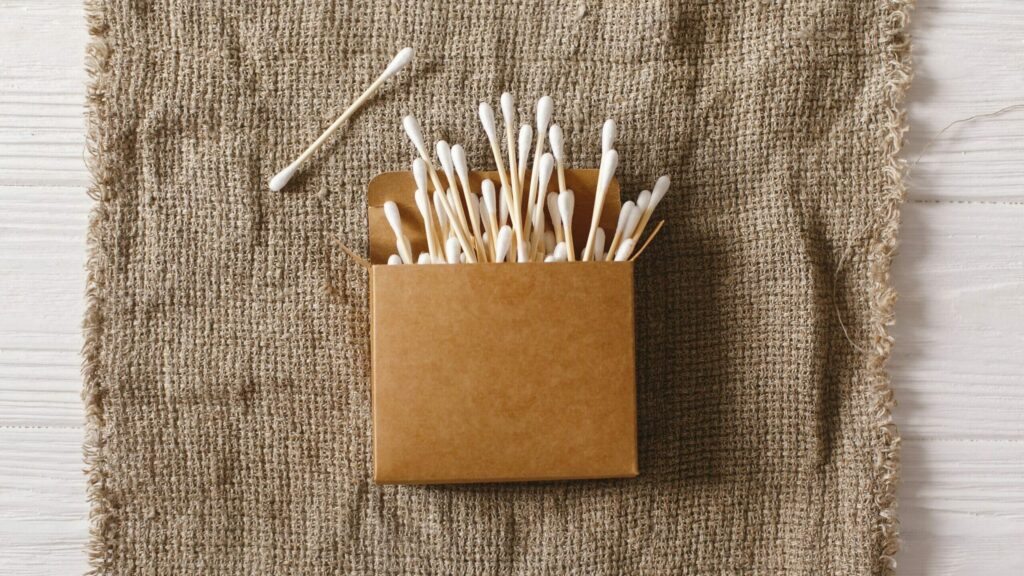
Cotton swabs may be small and handy, but they are not suitable for cleaning the ear canal. They often push the dirt deeper into the ear and can even damage the eardrum. They can also interfere with the ears' self-cleaning mechanism by removing the wax and hairs that are necessary for cleaning. So, if cotton swabs are not the solution, what is?
The correct method for cleaning the ear canal
Let's start with the ear cups. You can clean these with a washcloth and warm water. It is important to ensure that no water gets inside the ear.
There are various methods and products available for cleaning the ear canal itself. Here are a few tips:
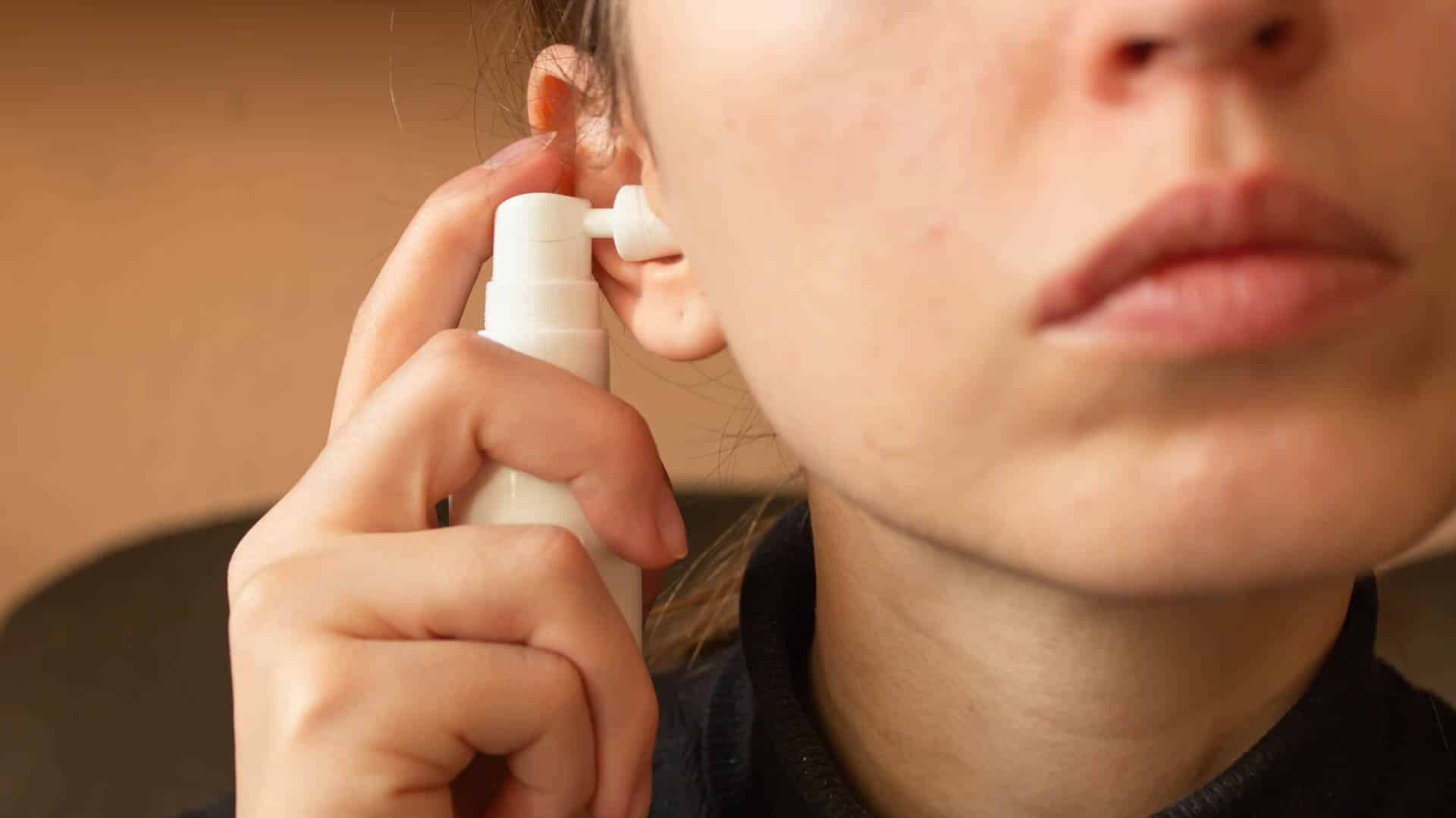
- Ear drops or ear irrigation: Thereare special solutions available from pharmacies. These help to dissolve and remove earwax. After use, the ear should be rinsed with warm water.
- Baby oil or olive oil: A fewdrops in the ear can help to remove excess earwax naturally. Again, the ear should be rinsed with warm water afterwards.
- Ear candles: Theseare an ancient method of ear cleaning, but there is no scientific evidence to support their effectiveness.
Please remember to always be careful when cleaning your ears to avoid injury. If you have any complaints or doubts, please always consult a doctor.
Special attention: Hearing aids and headphones
People who regularly usehearing aidsorheadphonesshould pay special attention to cleaning their devices and ears regularly.
Dirt, earwax, and other debris can quickly accumulate, especially in hearing aids that are usually placed directly in the ear canal. If these are not removed regularly, they can impair the sound quality of the hearing aid and even lead to malfunctions. In addition, untreated debris can also lead to infections or irritation of the ear canal.
It is therefore very important to be aware of how important thorough cleaning and care is in this context.
Ear canal care and hearing problems
Regular and proper care of the ear canal is not only important for preventing earwax blockages or infections. It also plays a crucial role in preventing hearing problems. Too much earwax that accumulates and forms a blockage can lead to temporary hearing loss. It is therefore essential to clean your ears gently to remove excess earwax without damaging the sensitive skin of the ear canal.
It is also important not to interfere with the protective mechanism of the ears, as excessive cleaning can dry out the ear and make it more susceptible to bacteria. If you experience any signs of hearing problems, such as a persistent feeling of congestion in the ear, ringing in the ears, or pain, you should consult an ENT specialist.
Prevention is the best approach
Prevention is still the best strategy. Good ear care can help protect your hearing in the long term.
Here are some tips to prevent ear and hearing problems:
- Avoid loud noises and protect your ears from noise.
- Keep your ears dry, especially after swimming or showering.
- If you use hearing aids or headphones regularly, they should be cleaned and serviced regularly.
- Clean your ears regularly but gently, and avoid inserting cotton swabs into the ear canal if possible.
- Visit an ENT specialist regularly to have your hearing checked and monitored.
Further articles

Healthy candy alternatives for seniors
For many people, craving sweets is part of everyday life. However, traditional sweets often contain large amounts of sugar and provide

Cooking together in old age
As we get older, our everyday lives change in many ways. The children have left home, our partner may be

Protein-rich nutrition in old age
As we age, our bodies change in many ways, and nutrition plays a crucial role in our health.