HÖRST
Earaches: causes and treatment
July 30, 2025
4 minutes reading time

OSKAR
Portable TV voice amplifier
Advertisement
Table of contents
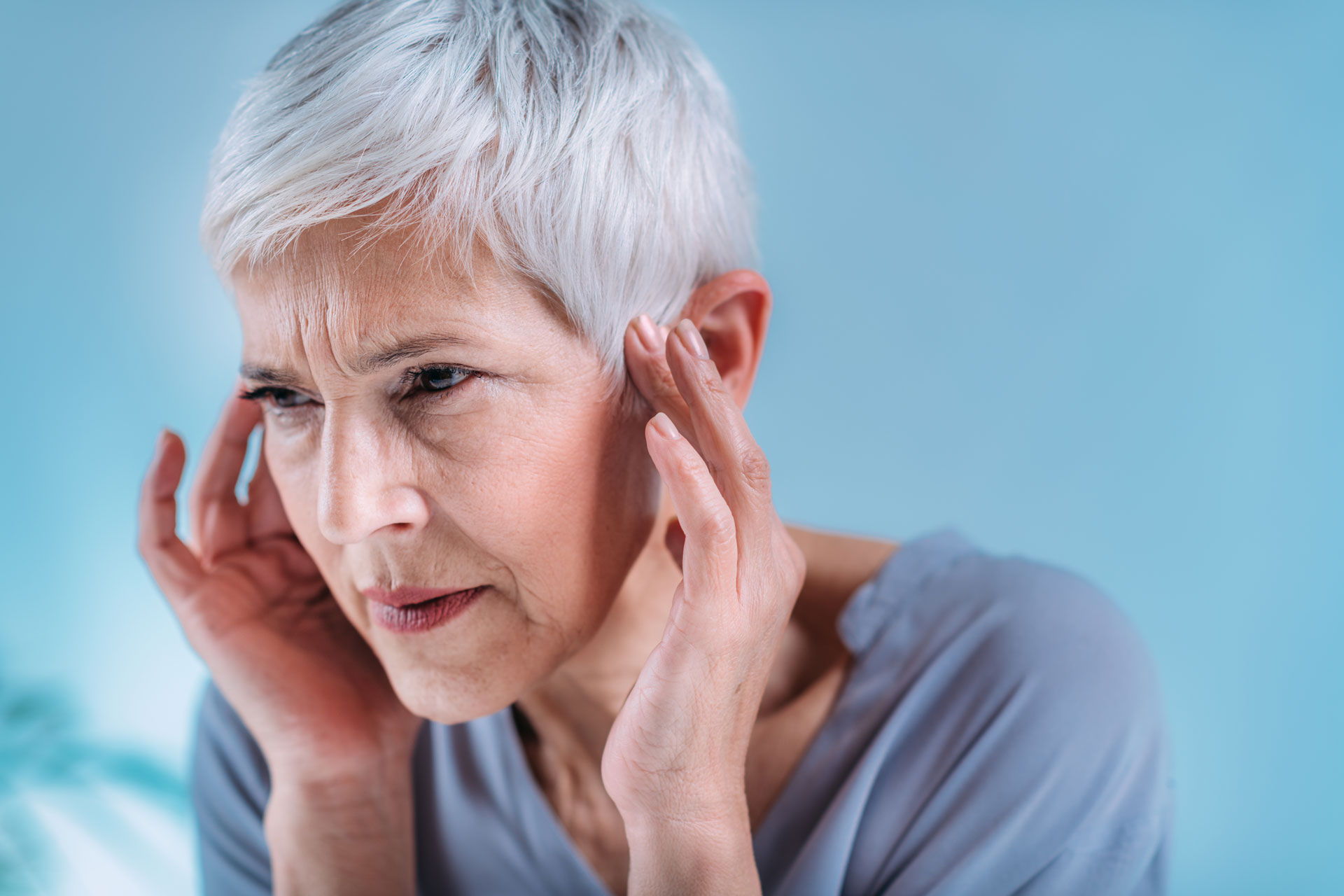
Earaches can be incredibly uncomfortable and significantly impact quality of life. They are a common problem in children and adults and can occur in one or both ears. The pain can be sharp, throbbing, or dull and is often associated with other symptoms such as fever, ringing in the ears, andhearing problems. In this article, we will look at the various causes of earache and provide some tips on treatment and prevention.
Causes of ear pain
Ear canal inflammation
One of the most common causes of earache is inflammation of the ear canal. This can be caused by an infection, an allergic reaction, or the entry of foreign bodies such as water or earwax.
Middle ear infection
Another common cause ismiddle ear infection, also known as otitis media. This occurs when fluid builds up in the middle ear and causes an infection. The middle ear is the area behind the eardrum and contains the ossicles, which are necessary for hearing.
Upper respiratory tract infections
Upper respiratory infections, such as a cold or sinusitis, can also cause ear pain. These infections can cause swelling and fluid buildup in the ear.
Problems with the Eustachian tube
The Eustachian tube connects the middle ear to the throat and nose. If this tube is blocked, it can cause a feeling of pressure and pain in the ear.
Symptoms of earache
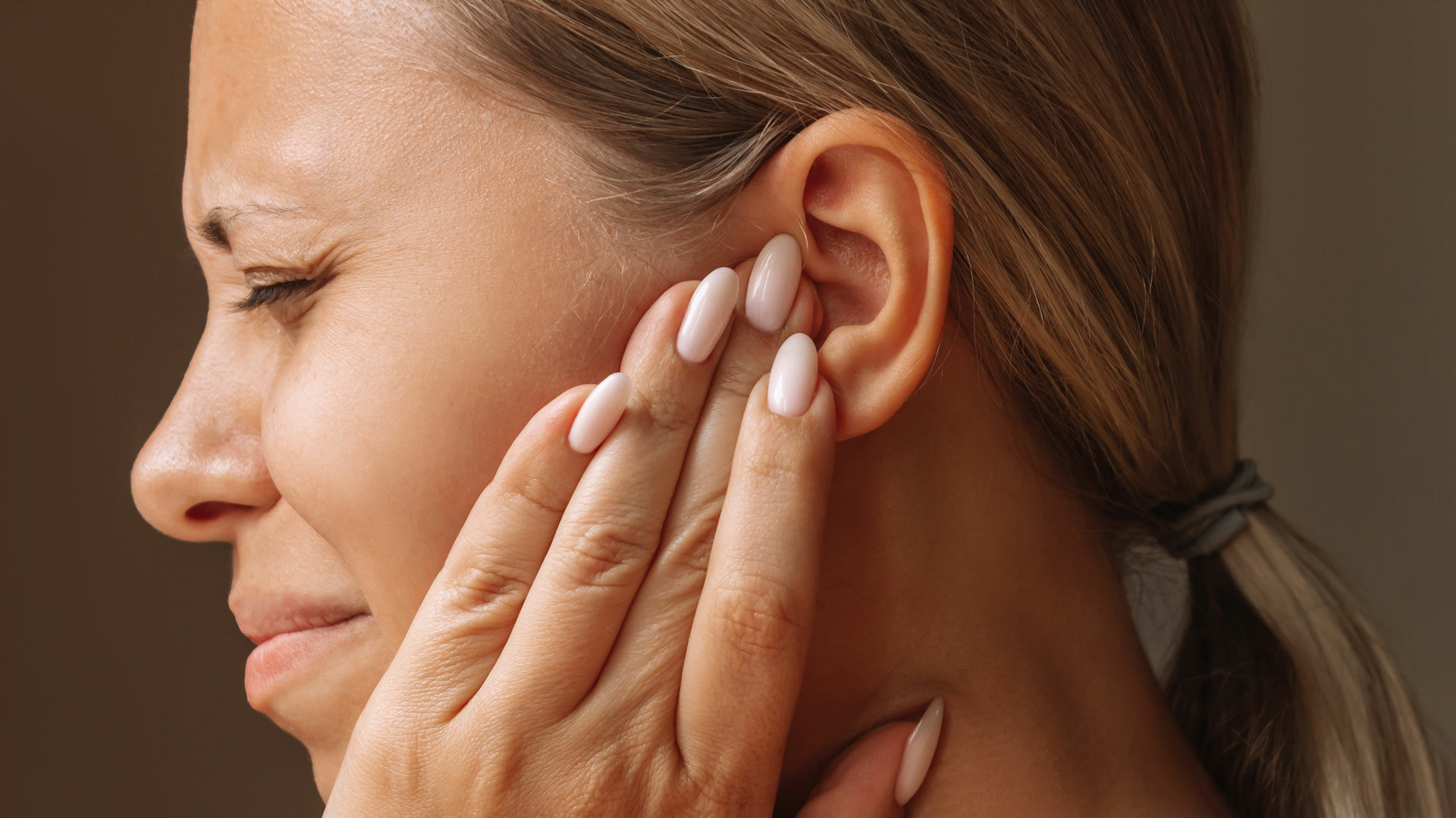
The symptoms of ear pain can vary depending on the cause, but the most common are:
- Stabbing or pulling pain in the ear
- Feeling of pressure or fullness in the ear
- hearing impairment
- fever
- Noises in the ears, such as ringing or buzzing
- Discharge from the ear
- Swelling and redness of the outer ear or ear canal
Treatment of earache
Just as earaches can be caused by various factors, there are various methods of treatment, ranging from medical approaches to home remedies.
Medical treatment for earache
If you think your earache is caused by an infection, it is important to see a doctor. An ENT specialist can make an accurate diagnosis and recommend the appropriate treatment. This may include antibiotics, ear drops, or other medications to reduce pain and inflammation.
Home remedies for earache
There are also some home remedies that can help with earaches. Here are a few suggestions:
- Warm compresses:Placing a warm compress on the painful ear can help to relieve the pain.
- Olive oil:Dripping a few drops of warm olive oil into the ear can help soften earwax and relieve pain.
- Garlic:Garlic has antibacterial properties and can help fight infections. Putting a few drops of garlic oil in your ear can help relieve pain.

Prevention of earaches
There are several measures you can take to prevent earaches:
- Avoid inserting foreign objects into the ear, such as cotton swabs or hairpins.
- Avoid loudnoisesand wear hearing protection when in noisy environments.
- Keep your ears dry and clean. Remember totake care of your ear canal.
- Avoid smoking, as this can increase the risk of upper respiratory tract infections and middle ear infections.
Earache and hearing loss
Earache andhearing losscan often occur together, and in some cases, one condition can cause the other. Inflammation in the ear, whether in the ear canal or the middle ear, can cause swelling and fluid buildup, which can make hearing difficult. Conversely, hearing loss, for example due to a permanent blockage of the Eustachian tube or a build-up of earwax in the ear canal, can make it easier for bacteria to multiply and cause an infection, which in turn causes pain. So if you find that you have earache and hearing problems at the same time, the two could be related. It is important that you see a doctor to determine the exact cause of your symptoms and receive appropriate treatment.
Further articles

Healthy candy alternatives for seniors
For many people, craving sweets is part of everyday life. However, traditional sweets often contain large amounts of sugar and provide

Cooking together in old age
As we get older, our everyday lives change in many ways. The children have left home, our partner may be

Protein-rich nutrition in old age
As we age, our bodies change in many ways, and nutrition plays a crucial role in our health.