HÖRST
A journey into the human ear
August 14, 2025
6 minutes reading time
OSKAR
Portable TV voice amplifier
Advertisement
Table of contents
The ear is one of the most amazing sensory organs in the human body. It allows us to perceive the world around us through sound and noise. From the outer ear to the sensitive hair cells in the inner ear, it is a complex and perfectly coordinated structure. But how exactly is the ear constructed? And how does human hearing work? Find out more below.
The ear: More than just a shell
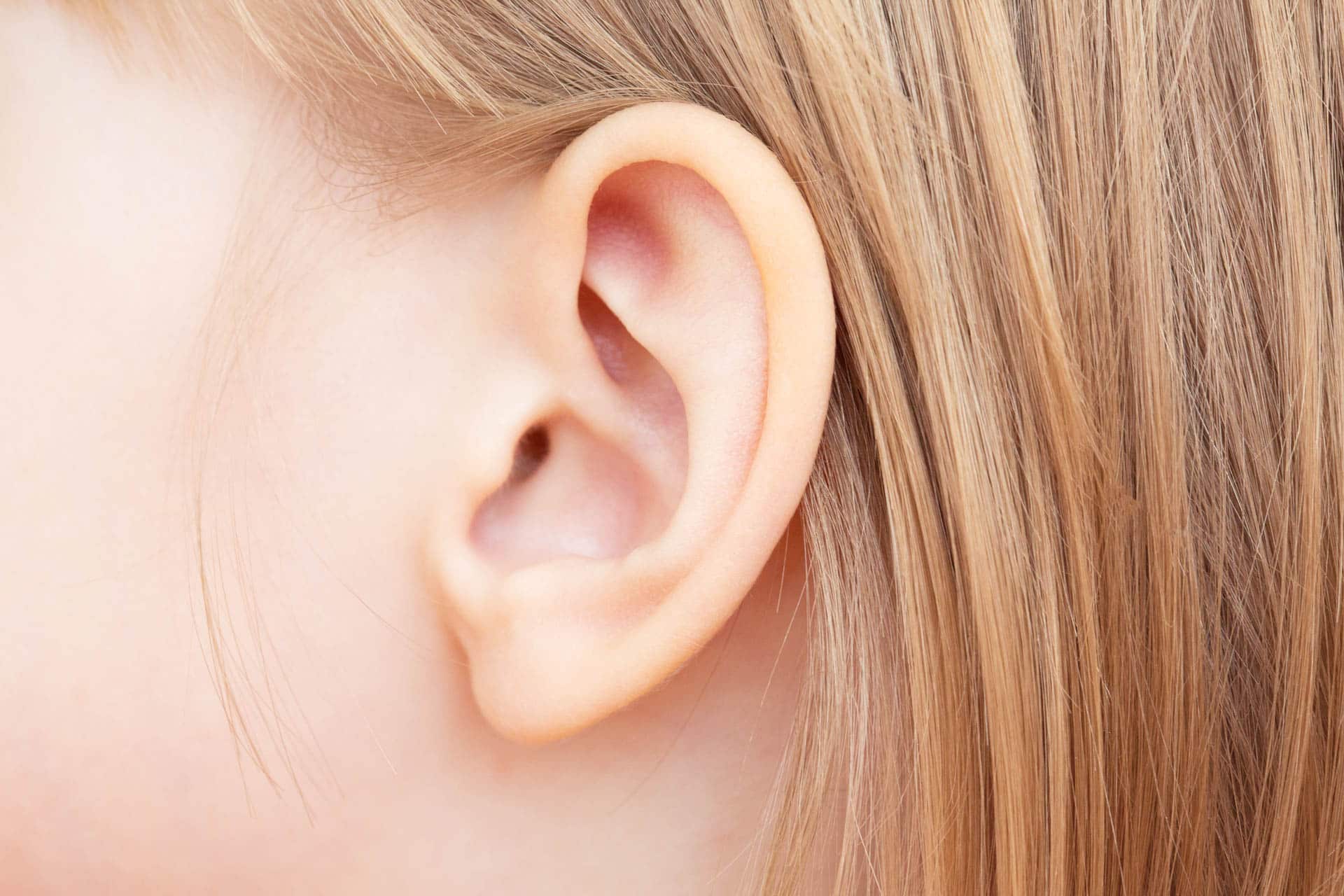
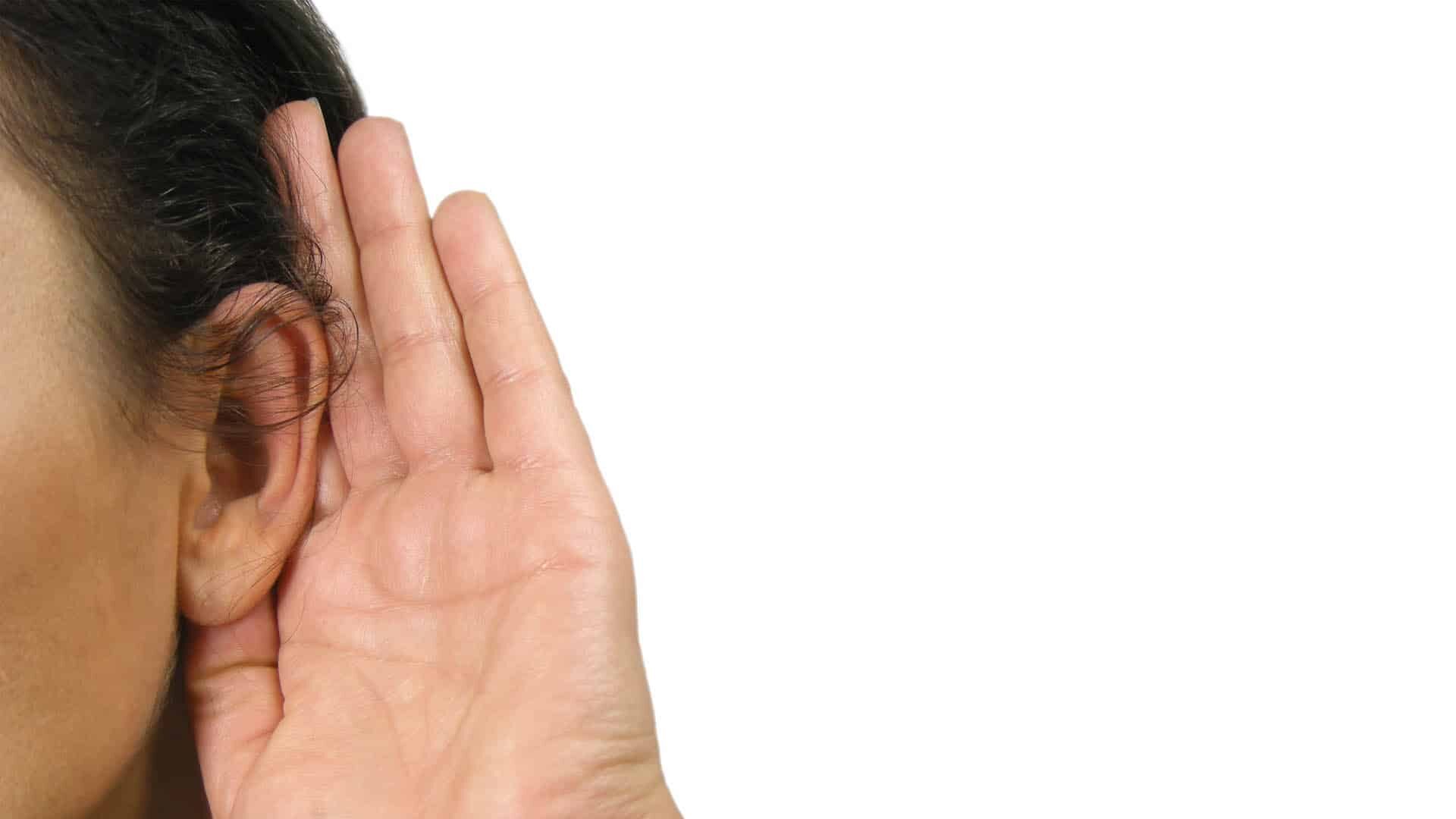
The auricle, the outer and visible part of our ear, is only a tiny part of the complex system that makes up our hearing organ. Its function is to pick up sound waves from the environment and direct them into the ear canal. The ear canal is a tube about 2.5 cm long that transports the captured sound waves to the eardrum. In fact, the ear canal is crucial to our ability to hear directions, as it modifies the sound differently depending on the direction it comes from.
The function of the eardrum in the middle ear
The eardrum is a thin membrane that separates the outer ear from the middle ear and plays a crucial role in the transmission of sound waves. When sound waves hit the eardrum, it vibrates. These vibrations are then transmitted to the ossicles.
The middle ear contains the smallest bones in our body, the ossicles: the malleus, incus, and stapes. These tiny bones play an important role in transmitting and amplifying vibrations from the eardrum to the inner ear.
Imagine the eardrum as a kind of trampoline on which sound waves "bounce" to set the ossicles in motion. This process is central to our ability to hear and allows us to experience the world around us acoustically.
The Eustachian tube: An important pressure equalizer
The Eustachian tube, also known as the auditory tube, is another essential component of the middle ear. It connects the middle ear to the throat and has the important function of equalizing pressure between the middle ear and the external environment. Without this pressure equalization, which is particularly important when changing altitude (such as in an airplane), we would experience severe pain.
The inner ear
How sound waves become nerve impulses
Once the vibrations from the ossicles reach the inner ear, the sound is converted into electrical signals. The inner ear consists of two main parts: the vestibular system and the cochlea. Both are crucial for our hearing and body awareness.
The cochlea: The center of hearing
The cochlea is the actual hearing organ and resembles a spiral shell in shape. It is filled with a fluid called endolymph and contains countless sensory cells called hair cells.
The hair cells in the cochlea respond to different frequencies, which enables us to distinguish between different sounds.
The movement of fluid through the sound waves causes the hair cells to vibrate, which in turn triggers the conversion of mechanical signals into electrical signals.
Hair cells: Small but essential for hearing
The hair cells are incredibly sensitive and can convert vibrations into electrical signals through their movement. These signals are then sent via the auditory nerve to the brain, where they are perceived as sounds. This complicated process is at the heart of our ability to hear and allows us to experience speech, music, and all the other sounds that surround us.
The vestibular system: maintaining balance thanks to the utricle and saccule
In addition to the cochlea,the inner ear also contains thevestibular system,which consists of the semicircular canals, the utricle, and the saccule. It plays a crucial role in our perception of movement and spatial orientation.
The utricle and saccule are responsible for measuring linear movements, i.e., movements in a straight line. The semicircular canals, on the other hand, are responsible for perceiving rotational movements. By combining these different signals, our brain can obtain precise information about the position and movement of our body in space.

The Anatomy of Hearing: Understanding and Protecting
The humanearis a complex and sensitive system. That is why it can be damaged quickly.
Noise, age, illness, or injury can cause hearing loss. With knowledge of the anatomy of the ear, we can better protect it. Once hearing ability is lost, it usually cannot be restored. Therefore, it is important to take the right measures to preventhearing loss.
Hearing protection: a matter of awareness
Just as we protect our skin from the sun's harmful rays, we should also protect our hearing from potentially harmful influences. Here are some tips on how we can protect our hearing:
- Avoid loud noises and noise whenever possible. Prolonged noise can cause permanent damage to your hearing.
- Use hearing protection when necessary, for example at loud concerts or when working with loud machinery.
- Listen to music and other media at a reasonable volume. High volumes can damage the hair cells in the inner ear.
- Have your hearing checked regularly to detect and treat any problems early on.
Help with hearing loss
Hearing loss cannot always be prevented, especially when it is caused by aging, injury, or certain diseases. However, there are various solutions and aids that can help with hearing problems in everyday life.
Hearing aids help compensate for hearing loss. They enable people with hearing impairments to participate in social life again and improve their communication skills.
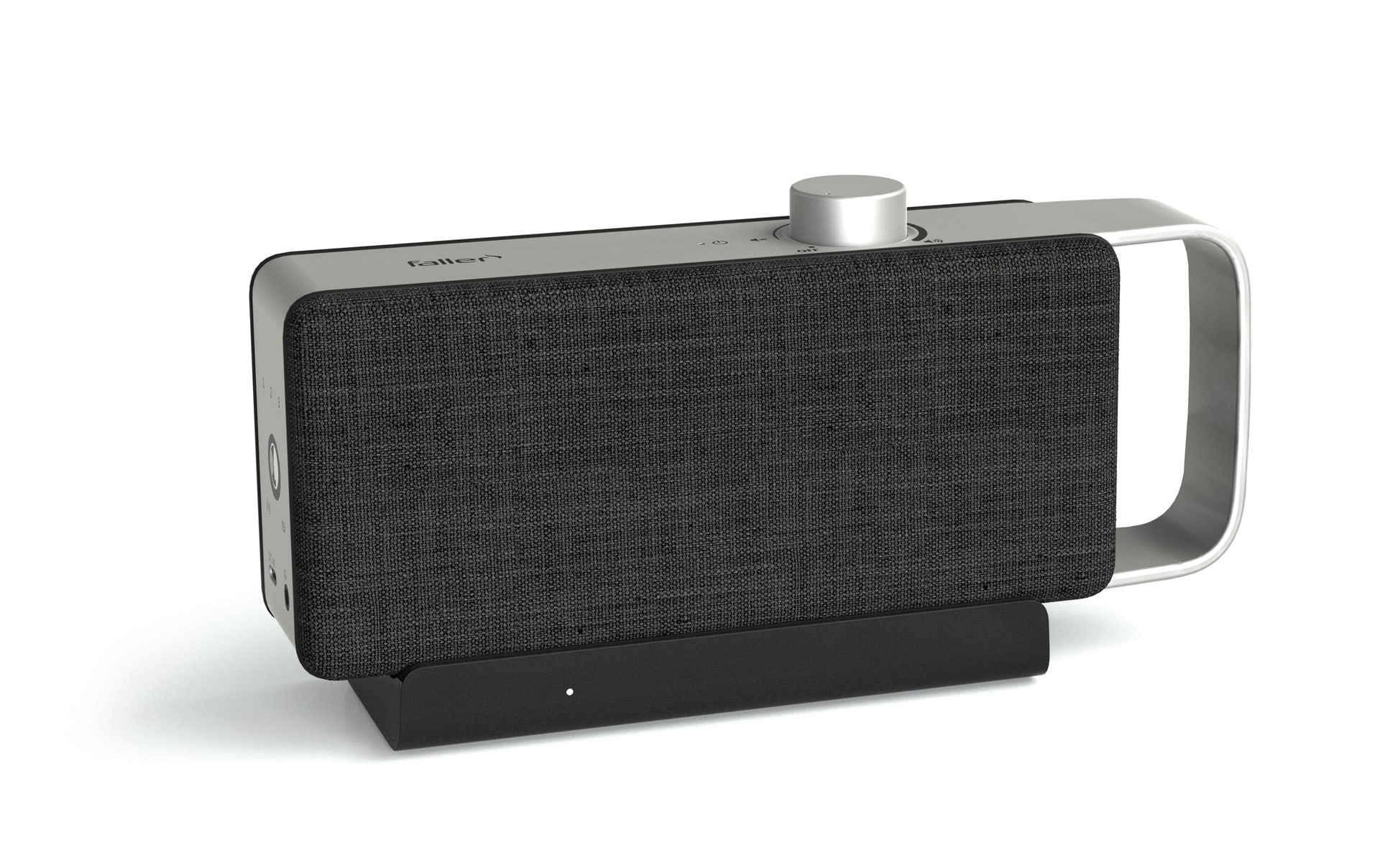
TheOSKAR TV hearing amplifierfrom faller audio helps those affected to finally understand the television again by amplifying the sound of the television and filtering out background noise so that dialogues can be heard clearly and distinctly.
Further articles

Communication with hearing loss
Hearing Loss & Communication Hearing loss affects much more than just the ability to perceive sounds. It can change the way you
FM systems for hearing aid users
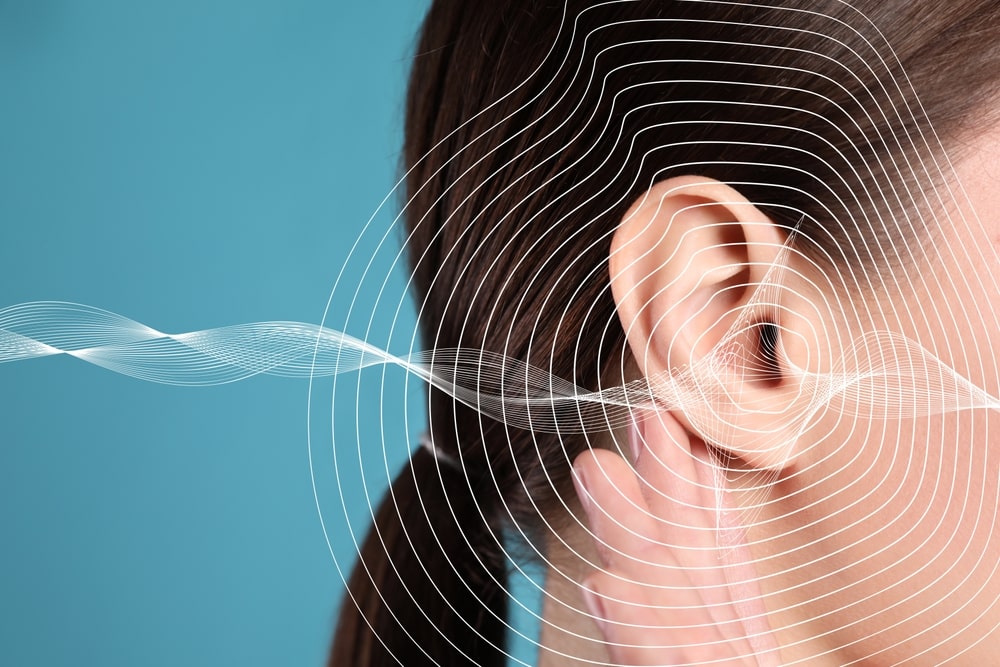
FM systems and modern radio transmission equipment can significantly improve speech intelligibility for hearing aid users, especially in acoustically challenging environments. The wireless technology transmits

postural vertigo
Positional vertigo is one of the most common forms of vertigo and typically occurs when the head is moved into a certain position.