HÖRST
The importance of hearing for language development
July 30, 2025
4 minutes reading time
OSKAR
Portable TV voice amplifier
Advertisement
Table of contents
Hearing plays a crucial role in a child's language development. But what happens if the child has difficulty hearing? Here we will discuss the topic in detail.
The basics: How does hearing work in children?
One of the first tests that newborns undergo immediately after birth is hearing screening. Why is this so important? Well,hearingis essential for the development of language and communication skills.
The ear functions as a complex system in which sound waves are transmitted through the middle ear to the inner ear. The eardrum and tiny bones in the middle ear amplify the sounds. The inner ear then converts these into electrical signals that are sent to the brain. If this process is impaired by any kind of disturbance, hearing problems can occur that affect language development.

The connection between hearing and language development
From the first month of life, children begin to respond to sounds and eventually imitate them. This ability to absorb and process auditory stimuli is the cornerstone of language development. In the first few years, children learn a multitude of words and sentences. Imagine if this ability were limited. How would that affect language development?
There are many causes of possible hearing impairment orhearing loss in children. Common examples include middle ear infections and fluid in the middle ear, which can occur particularly in the first year of life. It is also possible for a child to have hearing loss from birth.
Untreated hearing loss can have serious consequences for language development. If children cannot hear properly, they may have difficulty forming and using words and sentences correctly.
The good news is that early intervention and support can minimize the impact of hearing loss. With the right help, children can learn to communicate effectively and reach their full potential.

Recognition and treatment of hearing disorders
Parents and pediatricians should watch out for possible abnormalities in a child's hearing. Some signs may include:
- The child does not respond to sounds or names.
- Speaks slowly or unclearly.
- It hears the TV or music louder than normal.
If such signs are observed, parents should consult their pediatrician. It is important to identify and treat the causes of a possible hearing disorder at an early stage. Examinations by an ENT specialist can help determine the extent of the hearing loss.
The treatment of hearing disorders can vary. For example, antibiotics or ear tubes may be used to treatearachesor middle ear infections. Hearing aids or cochlear implants can help with congenital hearing loss or hearing impairment.
Tips for parents
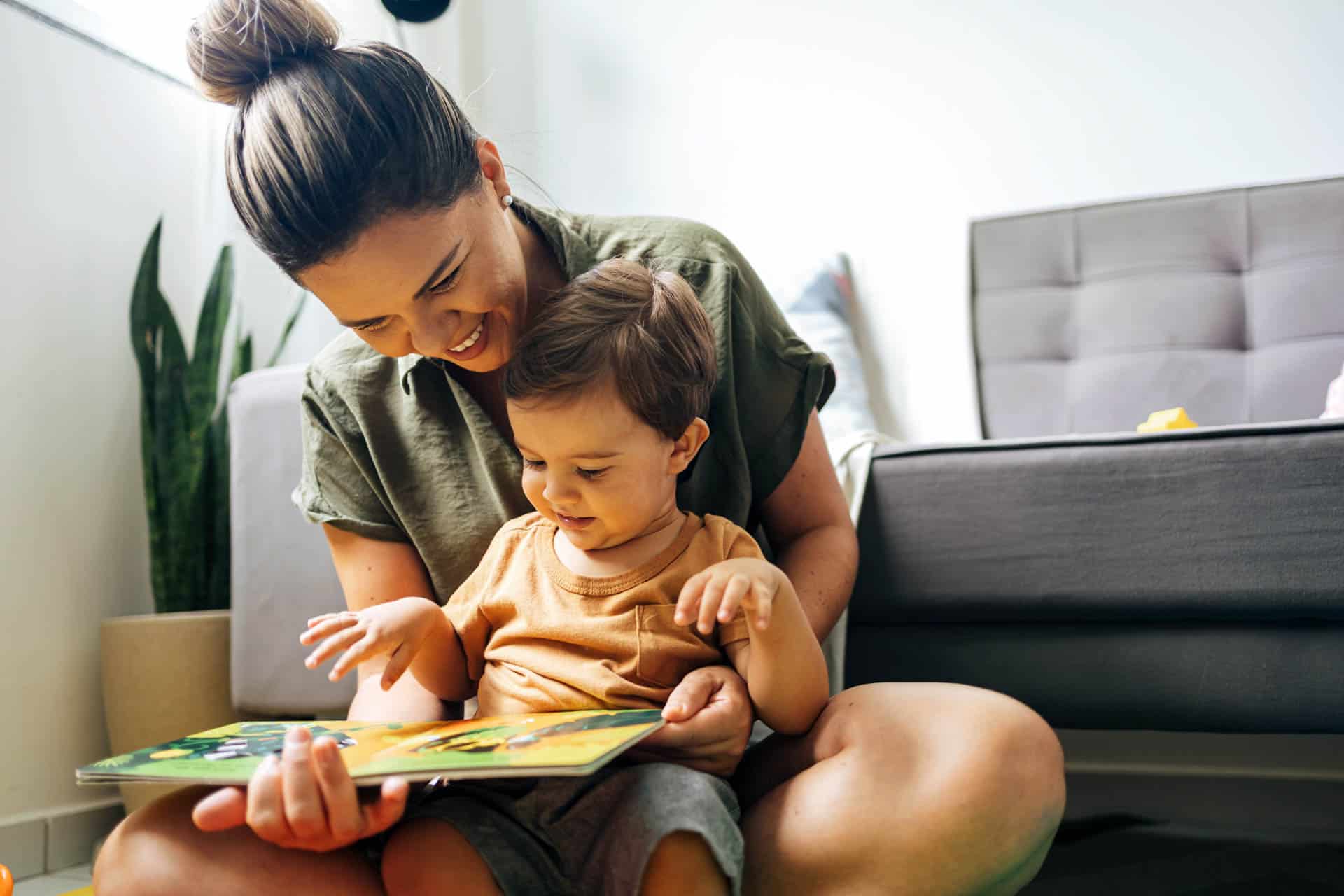
Parents play a crucial role in their children's language development. Here are some tips to support your child:
- Pay attention to your child's reaction to noises and voices.
- Encourage active listening through games and activities.
- If you suspect a hearing disorder, consult a doctor immediately.
It is clear that hearing is a crucial factor in language development. Hearing impairments can hinder this development, so it is important to watch out for possible signs and seek medical help if necessary. With the right support, children can communicate effectively and lead fulfilling lives despite hearing impairments.
Further articles

Healthy candy alternatives for seniors
For many people, craving sweets is part of everyday life. However, traditional sweets often contain large amounts of sugar and provide

Cooking together in old age
As we get older, our everyday lives change in many ways. The children have left home, our partner may be

Protein-rich nutrition in old age
As we age, our bodies change in many ways, and nutrition plays a crucial role in our health.