HÖRST
The effects of noise and sound on human hearing
August 7, 2025
4 minutes reading time
OSKAR
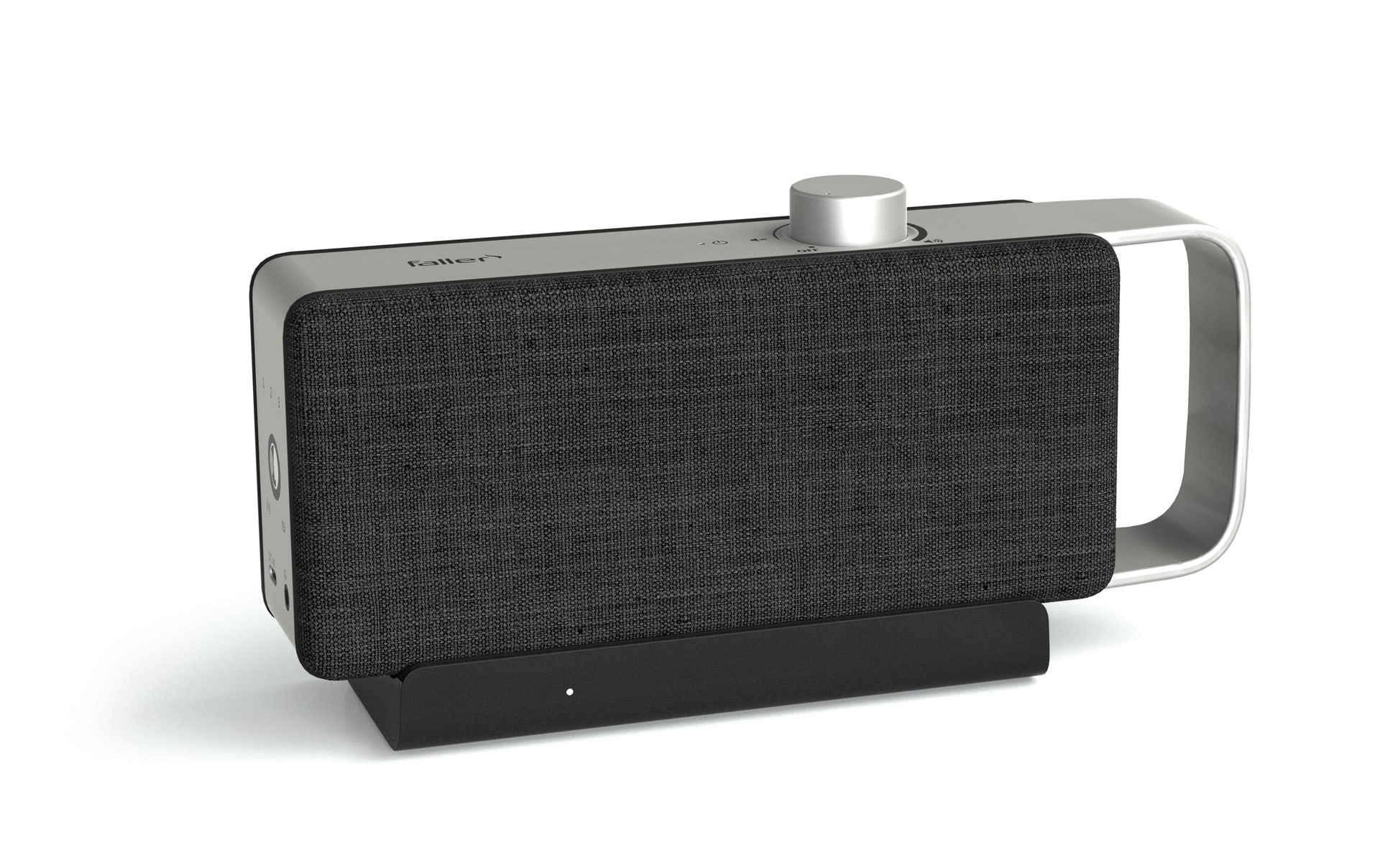
Portable TV voice amplifier
Advertisement
Table of contents
You have probably experienced a day when the noises around you simply became too much. The sounds of everyday life can quickly overwhelm us and significantly impair our well-being. Noise in high decibel ranges can be much more than a nuisance—it can have serious effects on your hearing. But what exactly happens in the ear when it is exposed to noise? And what long-term consequences can noise pollution have? This article aims to help you understand exactly that and find solutions to protect your hearing.
What does noise mean for human hearing?
Noise is sound that is perceived as disturbing or harmful. The volume is measured in decibels (dB), and above a certain threshold, noise begins to impairhearing. It is important to know that not only the volume but also the duration of noise exposure can damage hearing.
How hearing works
The earis a complex organ that converts sound waves into electrical signals, which the brain interprets as sounds. This process is incredibly complex and requires the precise coordination of several parts of the ear. The inner ear contains tiny hair cells that play a crucial role in this process. These hair cells are responsible for converting sound waves into nerve impulses, which are then interpreted by the brain.
Damage to hair cells caused by noise
Prolonged exposure to noise can cause irreparable damage to these hair cells in the inner ear. Such damage leads to progressive hearing loss, known as noise-induced hearing loss. Interestingly, these hair cells do not regenerate on their own, which means that noise-inducedhearing lossis usually permanent.

The extent of the effects: How noise affects hearing
The effects of noise on hearing can vary from person to person. Some people can endure long-term exposure to noise without any noticeable impact on their hearing, while others are more sensitive. Some factors that influence these effects include the volume of the noise, the duration of exposure to noise, and the individual sensitivity of the ear. It is also important to note that the effects of noise on hearing are cumulative—that is, they build up over time.
The symptoms of noise-induced hearing loss
How can you tell if noise has damaged your hearing? Here are some common symptoms:
Difficulty understanding conversations in noisy environments may indicate that your hearing is affected by noise, as your ability to filter specific sounds from background noise may be impaired.
Frequentringing or buzzing in the ear,also known as tinnitus, can be a sign of hearing damage, as this is often the brain's response to the loss of auditory information.
Difficulty hearing high-pitched sounds couldindicate damage to the hair-like cells in the inner ear that are responsible for perceiving these frequencies, often caused by excessive noise exposure.
The feeling of pressure or "fullness" in the ear can becaused by swelling or changes in the middle or inner ear due to noise exposure, which in turn can impair hearing.
These symptoms can occur suddenly or gradually, which is why it is important to watch out for possible signs of hearing loss.
Noise-induced hearing loss: A silent health crisis
Noise-induced hearing loss is a growing health crisis. It occurs when the ear is exposed to high volumes over a long period of time. This can happen in various contexts, such as working in noisy industrial environments, listening to loud music at concerts or through headphones, or living in noisy residential or recreational environments. It is therefore crucial to raise awareness of this silent crisis and take preventive measures.
Protection and prevention: How to preserve your hearing
There are several ways to protect your hearing from noise: for example, wearhearing protectionin noisy environments, limit the amount of time you spend in noisy environments, keep a safe distance from loud noise sources, and reduce the volume of music and television. It is also a good idea to have regular hearing tests to ensure that your hearing remains healthy.
Further articles

Healthy candy alternatives for seniors
For many people, craving sweets is part of everyday life. However, traditional sweets often contain large amounts of sugar and provide

Cooking together in old age
As we get older, our everyday lives change in many ways. The children have left home, our partner may be

Protein-rich nutrition in old age
As we age, our bodies change in many ways, and nutrition plays a crucial role in our health.