HÖRST
Hyperacusis – What to do about noise sensitivity?
August 7, 2025
6 minutes reading time

OSKAR
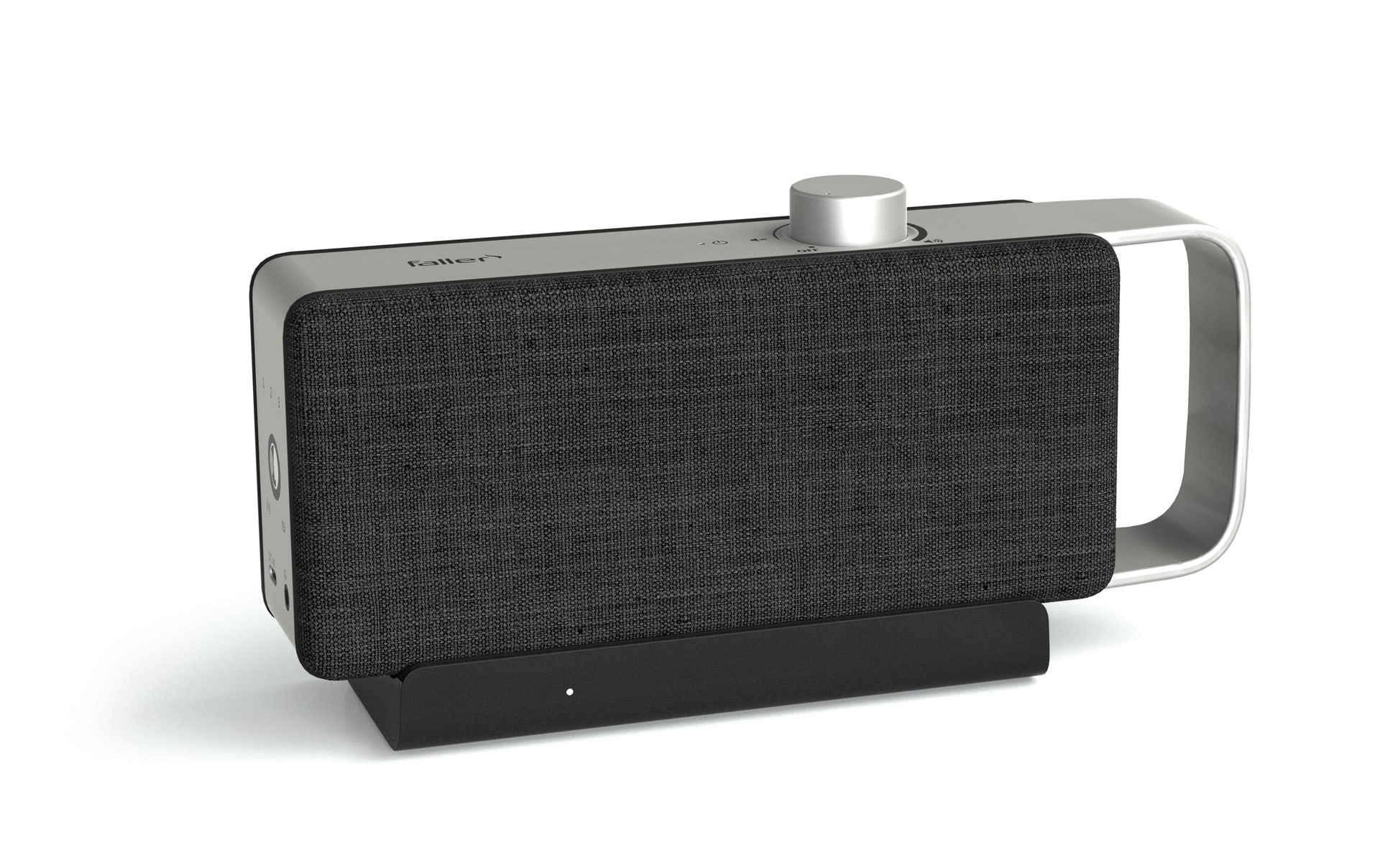
Portable TV voice amplifier
Advertisement
Table of contents
Most people find very loud conversations or music, street noise, or construction noise unpleasant. But what if even sounds at a "normal" volume suddenly become a nuisance?
People with hyperacusis have precisely this problem. Below you will find information on what exactly this is, what causes it, what treatment options are available, and answers to frequently asked questions on the subject.
What is hyperacusis?
The word hyperacusis comes from Greek and is derived from "hyper" = "above" and "akusis" = "I hear." It refers to a pathological hypersensitivity to sound. It is also referred to as noise hypersensitivity.
These are usually environmental or everyday noises, loud voices, or conversations. Even at a volume of 50 to 60 dB, which corresponds to the normal volume of conversation, those affected perceive noises as unpleasant to very stressful or even painful. Other people do not yet perceive these noises as unpleasant.
According to estimates, around half a million people in Germany alone are affected by hyperacusis. However, this condition has not yet been fully researched.
Symptoms of hyperacusis
The symptoms of hyperacusis vary considerably depending on the individual and the severity of the condition. Among other things, those affected experience
- Fear of supposedly loud noises
- Reactions of shock
- Changes in blood pressure
- sweating
- inner turmoil and panic
- palpitations
- earache
- headache
- tension
If you notice one or more of these symptoms, it is advisable to consult an ear, nose, and throat doctor.
Causes: How hyperacusis develops
People with hyperacusis are thought to have a disorder affecting their auditory processing. Although the causes are not yet fully understood, research suggests that this disorder lies in the auditory system in the brain, the area responsible for auditory perception, i.e., hearing. As a result, certain sounds are not processed correctly in the brain.
The causes of hyperacusis vary greatly. It is often a symptom of other diseases or mental disorders.
For example, hyperacusis often occurs in cases of inner ear hearing loss. Hyperacusis is also typical in cases of psychological stress and overload, or in cases of depression, anxiety disorders, etc. Treating the causes, i.e., the underlying condition, often reduces hypersensitivity to noise.
Hyperacusis is also a very common side effect of tinnitus. However, tinnitus is not the cause of noise sensitivity. Instead, both symptoms are thought to be caused by the same disorder in the brain.
Other causes of noise sensitivity can include excessive alcohol consumption, side effects of certain medications, epilepsy, migraines, nerve damage, facial paralysis, or sudden hearing loss.
Hyperacusis diagnosis
Hyperacusis is always diagnosed by an ENT doctor. They use various hearing tests and examinations to determine whether hypersensitivity is present. This often involves creating a so-called "discomfort threshold audiogram." This is used to check which sounds are perceived as unpleasant at which volume levels.
Based on this diagnosis, the doctor will decide on treatment or further hyperacusis tests and examinations.
Hyperacusis treatment: These are the options available
Hyperacusis can have various health consequences for those affected. If left untreated, it can lead to sleep problems, reduced concentration, and further hearing problems or hearing loss.
In addition, people with noise sensitivity may isolate themselves socially, meaning they increasingly avoid meetings, events, and similar occasions for fear of unpleasant noises. This withdrawal can in turn lead to psychological consequences such as loneliness and depression.
Professional treatment for hyperacusis is therefore particularly important. It is usually tailored to the individual causes and needs of the patient—for example, whether it is an independent condition or a symptom of another disease, whether the sensitivity to noise is physical or psychological, etc.
Possible therapies for hyperacusis include behavioral therapies, which aim to identify the triggers of hyperacusis and develop new behaviors to minimize hypersensitivity to noise.
In noise exposure therapy, those affected are slowly accustomed to the respective noises by confronting them with triggering noises in controlled environments and situations, thereby reducing their sensitivity to these noises.
Tinnitus retraining therapy can also be used for certain types of noise sensitivity. It was originally developed to treat tinnitus in order to reduce the stress caused by ringing in the ears. This involves the use of a device called a noiser, which uses pleasant white noise to distract the brain from the tinnitus.
A doctor will always decide which therapy is most suitable and whether additional medication is advisable.
Hyperacusis, phonophobia, and misophonia
Phonophobia is a form or symptom of hyperacusis. People with phonophobia suffer from a particular fear of certain sounds. These sounds are often perceived as very unpleasant or loud, even though they are actually "normal" everyday sounds.
Another disorder is misophonia, in which those affected feel extreme aversion, anger, or disgust when they hear certain sounds.
Frequently asked questions about hyperacusis
Can hyperacusis be cured?
Whether hyperacusis can be cured always depends on the individual situation and the underlying clinical picture. However, the chances of a cure are relatively high.
It is important to recognize the symptoms early on and find the right treatment. If you notice symptoms of noise sensitivity, see an ENT doctor to prevent further physical and psychological problems.
How long does hyperacusis last?
The duration of hyperacusis depends on both the cause and the treatment. Therapy, behavioral therapy, or sound therapy can take several months, depending on the patient and the situation. It is also important to recognize and treat the symptoms early on so that the condition does not become chronic.
Do earplugs help with hyperacusis?
No. The use of earplugs for hyperacusis is generally not recommended, as they can make the problem worse.
The silence created by earplugs can intensify the noises in the ears. Consciously avoiding situations in which unpleasant noises occur is also counterproductive and can increase hypersensitivity.
Which doctor should I see for hyperacusis?
If you notice symptoms of hyperacusis, are afraid of loud noises, or suddenly find noises at "normal" volume to be very unpleasant, you should definitely consult a doctor.
First, it is advisable to see an ear, nose, and throat doctor. Depending on the diagnosis, neurologists or psychotherapists may also be the right people to contact.
Further articles

Healthy candy alternatives for seniors
For many people, craving sweets is part of everyday life. However, traditional sweets often contain large amounts of sugar and provide

Cooking together in old age
As we get older, our everyday lives change in many ways. The children have left home, our partner may be

Protein-rich nutrition in old age
As we age, our bodies change in many ways, and nutrition plays a crucial role in our health.