HÖRST
Sources of noise in everyday life
August 7, 2025
5 minutes reading time

OSKAR
Portable TV voice amplifier
Advertisement
Table of contents
Noise is omnipresent. Whether it's traffic, vacuuming, or loud conversations, our environment is full of noise. We are barely aware of many of these sources of noise, even though they can have a long-term impact on our hearing and health. It is often everyday situations that lead to overstimulation of the ears. Modern humans have long been accustomed to high levels of background noise, but that does not mean that our hearing does not suffer as a result. Continuous exposure to noise—whether conscious or unconscious—acts as a stressor on the entire organism.
What's more, it's not just the sheer volume that matters, but also the duration, frequency, and type of sound. Some frequencies are perceived as particularly stressful, even if they are within the technically permissible range. This article highlights which sources of noise are particularly relevant, how they can be measured objectively, and what protective measures can be taken to protect your hearing in everyday life.
What exactly is noise?
Noise is defined as unwanted or disturbing sound. It is not only the volume that is decisive, but also subjective perception. What one person finds pleasant may be a nuisance to another. Noise is measured in decibels (dB). Above approximately 85 dB, permanent damage to hearing can occur. However, this limit is quickly reached or exceeded in everyday life.
It is not just the decibel level that counts. The type of noise, its frequency, the distance from the source, and the duration of exposure also play a role. Impulsive noise—such as a sudden bang—can cause damage even in a short period of time. The sound pressure level, i.e., the physical force with which sound hits the ear, is another important measurement. In Germany, different limits apply to work and residential environments, but many everyday situations remain unregulated—such as listening to music through headphones or noise on sidewalks.
Common sources of noise in everyday life
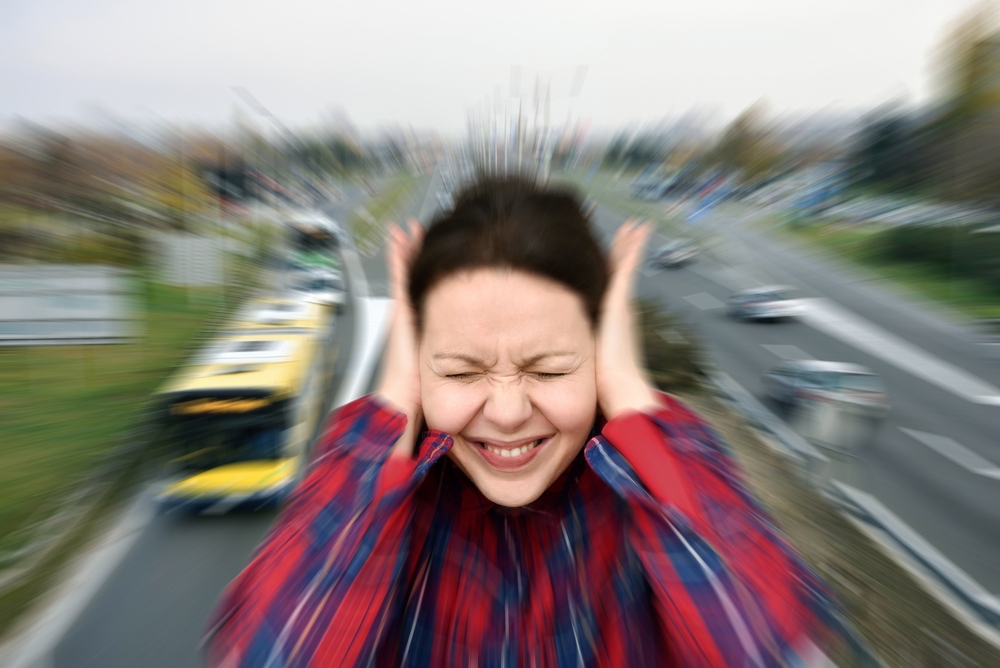
In the home, vacuum cleaners, blenders, hair dryers, and washing machines are among the main sources of noise. Road traffic, children's noise, and construction sites right outside the door also contribute to the overall noise pollution. In offices, it is often conversations, keyboard clicks, or air conditioning systems that create a constant background noise level. Particularly problematic is the combination of several noise sources that overlap each other.
In addition, there are electronic devices such as televisions, smartphones, game consoles, and Bluetooth speakers, which are operated at increasing volumes. Coffee machines, coffee grinders, and extractor hoods also often reach levels above 80 dB. Those who spend a long time in these noisy environments often only notice the effects later on: concentration problems, headaches, or a feeling of pressure in the ears.
In leisure time, it is often events, concerts, or listening to music through headphones that reach critical levels. In-ear headphones in particular can easily exceed 100 dB – significantly more than the ear can tolerate in the long term. And it's not just the nearest disco that's the main culprit: many people are already exposed to potentially harmful volume levels through their daily consumption of music via streaming services.
Crafts and DIY work also generate high noise levels: drills, sanders, and lawnmowers range between 90 and 110 dB. What is particularly risky is that many people do not wear suitable hearing protection because the exposure is only brief. However, even brief exposure to noise can have long-term effects on hearing.
Effects of noise on hearing
Noise sources not only lead to momentary sensory overload, but also to permanent hearing damage. The delicate sensory cells in the inner ear are particularly affected, as they can be damaged by high sound pressure levels. The risk increases with the duration of exposure.
Even a few hours in a noisy environment can be enough to cause temporary hearing loss. If the exposure continues, there is a risk of permanent hearing loss. Frequency ranges between 2,000 and 4,000 hertz are particularly dangerous, as they are especially important for speech comprehension. Damage to these frequencies not only impairs hearing ability, but also social participation.
Chronic noise pollution is also linked to stress, sleep disorders, and concentration problems. According to the US Environmental Protection Agency, noise is the second biggest environmental factor after air pollution that negatively affects health. The risk of cardiovascular disease also increases measurably. In addition, there are psychological complaints such as irritability, inner restlessness, or a feeling of constant tension. Noise is therefore a systemic stress factor that affects more than just the ear.
How loud is too loud? – Comparison table
| situation | Volume (dB) |
| whisper | 30 dB |
| library | 40 dB |
| Normal conversation | 60 dB |
| Vacuum cleaner / Road traffic | 70–85 dB |
| hair dryer | 80 dB |
| lawn mower | 90 dB |
| Loud music through headphones | 100–110 dB |
| Concert / Disco | 110–120 dB |
| chainsaw | 110 dB |
| Sirens at a distance of 5 m | 120 dB |
| jet aircraft | 140 dB |
How to protect yourself from everyday noise
Conscious handling of noise sources is the first step toward prevention. This means avoiding, switching off, or at least reducing noise sources. Soundproof windows, carpets, wall coverings, or noise-insulating materials help to reduce the noise level in interior rooms.
Anyone who works in noisy environments or is regularly exposed to high noise levels in their free time should use suitable hearing protection. Earmuffs, earplugs, or specially adapted noise-canceling headphones are available for different situations. Children should also be introduced to the use of hearing protection at an early age.
A simple tip: Be aware of noise and treat yourself to regular moments of silence. Even short periods of rest help your hearing to recover and sharpen your perception.
Further articles

Healthy candy alternatives for seniors
For many people, craving sweets is part of everyday life. However, traditional sweets often contain large amounts of sugar and provide

Cooking together in old age
As we get older, our everyday lives change in many ways. The children have left home, our partner may be

Protein-rich nutrition in old age
As we age, our bodies change in many ways, and nutrition plays a crucial role in our health.