HÖRST
Hearing loss with herpes: the unexpected connection
July 30, 2025
5 minutes reading time

OSKAR
Portable TV voice amplifier
Advertisement
Table of contents
In the world of medicine, there are often surprising connections. The connection between herpes and hearing loss is one such example. Most people know that herpes causes blisters, but few are aware ofitspotential effects onhearing. In rare cases, herpes can actually lead to hearing loss.
The broad spectrum of herpes: From zoster to chickenpox
Herpes encompasses a family of viruses that can cause a variety of diseases. One of these is herpes zoster, known as shingles, which occurs when the chickenpox virus that lies dormant in our bodies is reactivated. Another type, herpes oticus, can specifically affectthe earand lead tohearing loss. These different types of herpes can occur in different ways and affect our well-being, so it is important to know and understand them.
Herpes and the ear
A complex connection
The reactivation of herpes viruses in the ear canal can lead to an infection of the auditory nerve. This is a type of neural complication that can manifest as facial paralysis. In addition, herpes oticus can lead to a painful condition known as neuralgia. The connection between herpes and our hearing is complex and requires a deeper understanding to enable correct diagnosis and treatment.
The direct influence of herpes on the ear
Herpes oticus is a specific form of herpes that affects the ear. The viruses can enter the ear canal and infect the cranial nerves responsible for hearing. This infection can lead to painful blisters in and around the ear, often accompanied by hearing loss and, in some cases, even facial paralysis. It is important to be aware of the specific symptoms of herpes oticus in order to detect the condition early and enable appropriate treatment.

Hearing loss with herpes
A surprising symptom
Hearing loss is an unexpected but serious complication of herpes. Symptoms can occur suddenly and vary from mild to severe. In some cases, hearing loss may be permanent. This makes it all the more important to seek immediate medical attention if these symptoms occur.
Symptoms and diagnosis: How can you recognize hearing loss caused by herpes?
The symptoms of hearing loss associated with herpes can be subtle and therefore easy to overlook. In addition to hearing loss, dizziness, tinnitus, and ear pain may also occur. To make an accurate diagnosis, a thorough examination by a doctor is usually necessary, including hearing tests, possibly blood tests, and imaging procedures. Early diagnosis is key to preventing long-term damage and improving the chances of recovery.
Here are some symptoms that may indicate possible hearing loss associated with herpes:
Sudden hearing loss:
Sudden hearing loss can be a sign of a herpes infection. In some cases, this symptom may be the first sign of infection.
Dizziness:
Dizziness can be caused by an infection of the inner ear that affects your balance. This can lead to unsteadiness when walking or a feeling of "spinning."
Tinnitus:
Tinnitus is the perception of sounds (such as ringing, buzzing, or whistling) that do not originate from an external source. Tinnitus can be a sign of damage to the inner ear caused by herpes.
Difficulty hearing certain sounds:
If you find that you can no longer hear high or low tones well, this could also indicate hearing loss.
The need to increase the volume of the television or radio:
If you find that you constantly need to increase the volume on your devices in order to hear properly, this could be a sign of hearing loss.
Difficulty hearing in noisy environments:
This may be a sign that the ear is no longer able to effectively filter out background noise.

Treatment: How is hearing loss caused by herpes treated?
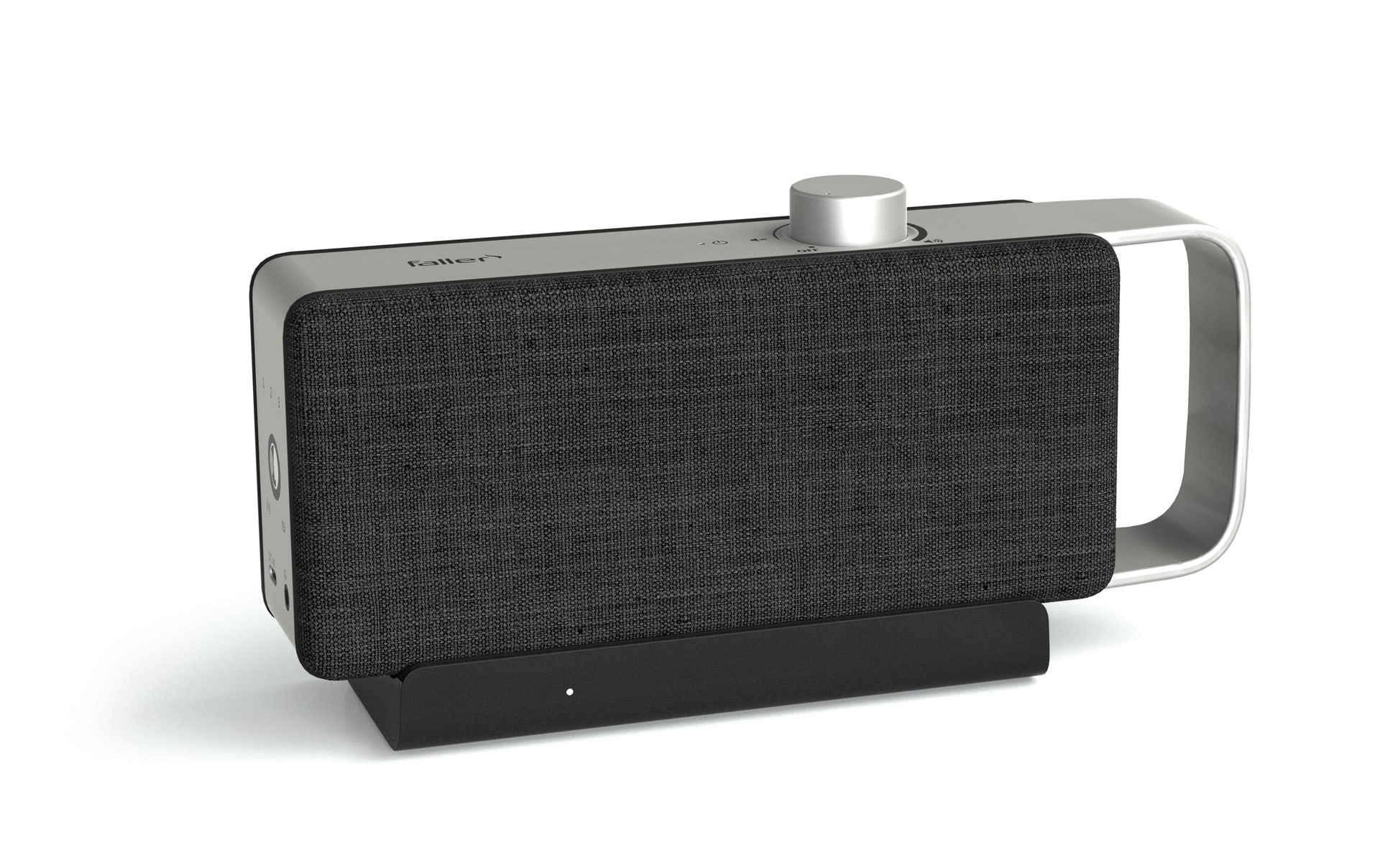
Treatment for hearing loss caused by herpes usually involves the use of antiviral medications to combat the virus. In some cases, steroid therapy may also be necessary to reduce inflammation. Hearing aids may be required in cases of permanent hearing loss. Hearing systems such as theOSKAR TV hearing amplifier offer additional support.
Treatment should be tailored to the individual patient and carried out under the supervision of a physician.
Prevention: Is it possible to prevent hearing loss caused by herpes?
Since herpes is a viral infection, vaccination is the best form of prevention. Vaccination against chickenpox or shingles can reduce the risk of the virus reactivating and thus the risk of complications such as hearing loss. In addition to vaccination, it is important to maintain healthy lifestyle habits to strengthen the immune system and reduce the risk of infection.
Although hearing loss is not common with herpes, it is important to be aware of the possibility. If you have herpes and notice signs of hearing loss, see a doctor immediately. Early detection and treatment can prevent permanent hearing loss. It is always better to be informed and prepared than surprised and unprepared.
Further articles

Healthy candy alternatives for seniors
For many people, craving sweets is part of everyday life. However, traditional sweets often contain large amounts of sugar and provide

Cooking together in old age
As we get older, our everyday lives change in many ways. The children have left home, our partner may be

Protein-rich nutrition in old age
As we age, our bodies change in many ways, and nutrition plays a crucial role in our health.