HÖRST
Communication with the hearing impaired
July 29, 2025
8 minutes reading time

OSKAR
Portable TV voice amplifier
Advertisement
Table of contents
Imagine you are in a room full of people, and although everyone is talking, all you can hear are muffled sounds and unclear words. For millions of people withhearing loss or hearing problems, this is everyday life. Effective communication with people who are hard of hearing or deaf is crucial not only for those affected, but also for their friends, family, and colleagues. In this article, you will find a few tips on how to improve communication with people who are hard of hearing.
Understanding hearing loss
What is hearing loss?
Hearing lossoccurs when the ability to hear is impaired. This can range from mild hearing loss, where only certain frequencies are affected, to almost complete deafness. Understanding this spectrum is the first step toward better communication.
Effects of hearing loss
Not only the types of hearing loss, but also the consequences of hearing impairment can vary greatly. One aspect that should not be underestimated is the emotional and social impact of hearing loss. People with hearing loss often struggle with isolation and misunderstandings, which can lead to frustration on both sides. Hearing loss in the family can also put a strain on family relationships. Communication is an essential part of family cohesion, and when it is disrupted, it can lead to conflict and alienation. It is therefore important that those affected and their families are educated about hearing loss and work together to develop strategies for effective communication.
Basics of communicating with people who are hard of hearing
Facial access and lip reading
For many hearing-impaired people, lip reading is an important aid to following conversations. Make sure that your face, and especially your lips, are well lit, and avoid mumbling or covering your lips when speaking.
The role of hearing aids and other assistive devices in communicating with people who are hard of hearing
Hearing aidsare a window to the world of sound for many people with hearing loss or hearing impairment. They not only amplify volume, but also improve speech clarity. Otheraids for communicating with people who are hard of hearing, or hearing systems such asTV hearing amplifiers, can make everyday life easier for people with hearing loss. Understand how you can use this technology to support conversations.
The importance of sign language
Sign language is a complete, natural language characterized by the visualization of hand movements, facial expressions, and body posture. It enables the hard of hearing and deaf to interact and communicate in a more profound way that goes beyond the limits of the spoken word. For people who rely on sign language as their primary means of communication, it is important that those around them acquire at least a basic knowledge of this language. Have you ever considered taking a sign language course?
Practical tips for communicating with people who are hard of hearing
- Conversation techniques and strategies: Speakat a moderate pace and articulate clearly. Simple adjustments in the way you phrase sentences can make a big difference.
- Avoid jargon and complicated sentence structures: keepthe conversation simple and clear so that your words are easier to understand.
- Provide context: Starta new topic with a clear announcement to engage the other person in the conversation.
- Make use of pauses: Speakslowly and clearly, and give people with hearing loss time to process what has been said before continuing.
Adaptation of the environment
The environment plays a big role in communicating with people who are hard of hearing. Here are some adjustments that can help:
- Reduce background noise:Turn off the music or TV and find a suitable, quiet place for the conversation.
- Improve the lighting: Goodlighting is important so that the hearing-impaired person can recognize facial expressions and, if necessary, read lips more easily.
- Sit at the right angle:Sit down so that your face is always clearly visible.

Gestures, facial expressions, and nonverbal communication with people who are hard of hearing
Nonverbal cues can greatly aid communication with people who are hard of hearing. Try the following:
- Use gestures effectively:Use hand movements to emphasize your statements and make them clearer.
- Pay attention to your facial expressions: Facial expressionscan convey emotions and intentions that words cannot always express.
- Look at the person you are talking to: eye contactsignals attention and promotes mutual understanding.
Use of assistive technology
Advances in technology have led to significant improvements in support for people with hearing loss. Modern aids make it possible to overcome many of the obstacles associated with hearing loss:
- FM systems:These special wireless devices improve the acoustic environment by transmitting the speaker's voice directly to the hearing aid wearer. They are particularly useful in noisy environments or when there is a distance between the speaker and the listener.
- Written language communication: Appsand devices that convert spoken words into text offer the possibility of following conversations in real time and can be used both on personal mobile devices and as permanently installed systems in public institutions or at events.
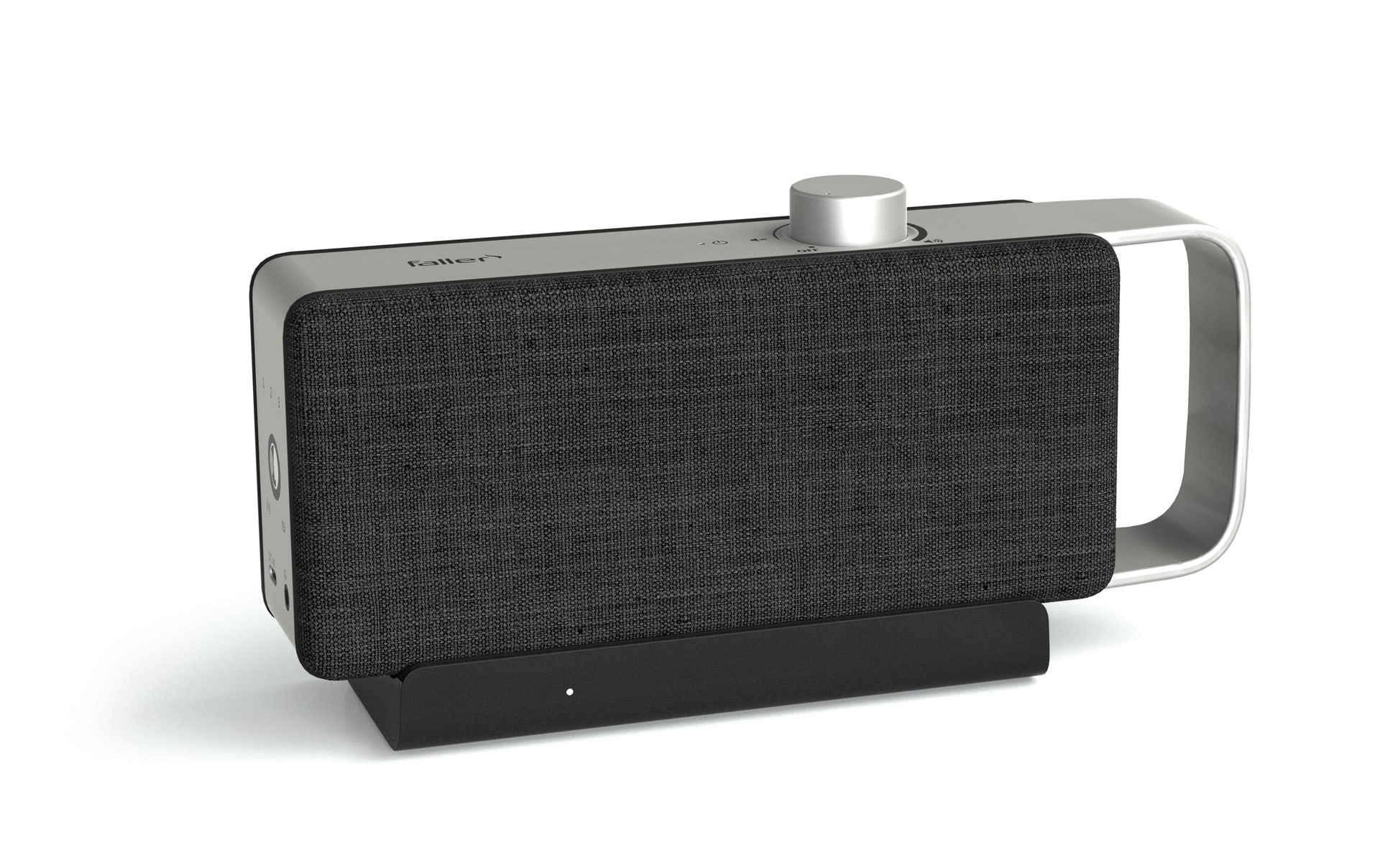
- TV hearing amplifiers:Watching television can be challenging forpeople with hearing loss without additional aids, as dialogue is often drowned out by background noise. TV hearing amplifiers such as the OSKAR from faller audio offer an effective solution. Special speech optimization filters out background noise so that you can understand the dialogue better.
Communication training for hearing people
To avoid misunderstandings, hearing people should train their communication skills, for example with the help of
- Workshops and training courses:Take part in training courses to learn how to communicate effectively with people who are hard of hearing or deaf.
- Role-playing: Practiceeveryday situations to develop sensitivity and understanding.
Mastering specific situations
Communicating with hearing-impaired people in the workplace
Clear communication is particularly important in the workplace. To facilitate this, they pay attention to, for example
- Technical adjustments:Ensure that meeting rooms are equipped with the necessary technology for people with hearing impairments.
- Information policy:Ensure that all important information is recorded in writing.
Social interactions with people who are hard of hearing
There are also ways to facilitate communication in social interactions, for example through
- Planning meetings: Choosevenues that are suitable for people who are hard of hearing or deaf.
- Raise awareness among those around you:Inform friends and family about best communication practices.

Respectful treatment of people with hearing impairments
Empathy and patience
Empathy is not just a word, it is the key to every person's heart and mind. Show understanding for the challenges that people with hearing loss face every day. Being patient does not mean refraining from speaking, but rather giving the other person enough time to understand and respond.
Prevention of discrimination
Discrimination often begins with ignorance. Educate yourself about hearing loss and share your knowledge with others. Advocate for equal treatment of people with hearing loss in the workplace and in public life.
Communicating with people who are hard of hearing: Common misunderstandings and how to avoid them
Clarity instead of volume
Louder is not always better. Many people with hearing loss benefit more from clear pronunciation than from increased volume. It's like a blurry picture—speaking louder doesn't make the contours any clearer.
Asking the right questions
If you are unsure whether the other person has understood you, ask them! This shows interest and a willingness to communicate. But ask politely and intelligently, for example by rephrasing your question instead of simply repeating it.
Conclusion
From speaking clearly to ensuring the right environment and using technical aids, there are many ways to facilitate or improve communication with people who are hard of hearing. One thing is particularly important here: your commitment! And always remember that the best communication is based on respect and a willingness to understand.
Further articles

Healthy candy alternatives for seniors
For many people, craving sweets is part of everyday life. However, traditional sweets often contain large amounts of sugar and provide

Cooking together in old age
As we get older, our everyday lives change in many ways. The children have left home, our partner may be

Protein-rich nutrition in old age
As we age, our bodies change in many ways, and nutrition plays a crucial role in our health.