HÖRST
Consequences of hearing loss
July 30, 2025
9 minutes reading time
OSKAR
Portable TV voice amplifier
Advertisement
Table of contents
When we talk about hearing loss, we are not just referring to a change inthe ear. It is an impairmentof hearing perception that can quickly affect the entire life of those affected and often has far-reaching health consequences.
Hearing loss can affect both physical and mental and social health, as it turns our ability to experience the world around us upside down.
What does hearing loss mean?
Hearing loss does not simply mean having difficulty recognizing noises or sounds. It is a complex sensory problem that affects countless people worldwide. This hearing impairment can occur in varying degrees, from minor problems with certain frequencies to complete hearing loss.
Before we delve deeper into the individual facets and types of this impairment, we must emphasize that hearing loss not only affects the person concerned, but also the way they communicate and interact with family, friends, and society as a whole.
Different forms and types of hearing loss
Hearing loss can be classified in different ways. The most common types of hearing loss include:
Conductive hearing loss:
This is caused by problems with the transmission of sound waves through the outer ear and middle ear. Possible reasons include blockages caused by earwax, perforation of the eardrum, inflammation, or diseases of the middle ear such as otitis media or otosclerosis.
Sensorineural hearing loss:
This involves problems in the inner ear or auditory nerve. Causes can include aging, noise exposure, injuries, certain medications, diseases, and genetic factors.
Thisis a combinationof conductive and sensorineural hearing loss. Both parts of the auditory pathway, i.e., the middle ear and the inner ear or auditory nerve, are affected.
Central hearing loss:
This affects the processing of auditory impressions in the brain. Sound transmission through the ear is normal, but the brain cannot interpret the information correctly.
Functional hearing loss:
There is no physical cause for the hearing loss. Instead, it can be triggered by psychological or emotional factors.
Sudden hearing loss:
Rapid hearing loss that occurs within a few hours or days. The exact cause is often unknown, but it is believed that viral infections, circulatory disorders, or immune reactions may play a role.
The effects of hearing loss
It is not just the absence of sound that makes life difficult. The consequences extend far beyond hearing ability.
Physical consequences of hearing loss
The physical problems resulting from hearing impairment are extensive and often not sufficiently recognized. It is not only hearing that suffers.
The inner ear and hearing loss:
At the heart of our hearing system is the inner ear, particularly the cochlea. Factors that damage our hearing, such as prolonged exposure to noise, can cause noises in the ear and, in some cases, lead to tinnitus. The delicate hair cells that convert sound into nerve signals for our brain can be damaged. The result? A continuous background of unwanted noise and reduced hearing ability.
Balance disorders and dizziness:
Interestingly, our inner ear not only affects our hearing, but also our balance. People with hearing problems often complain of dizziness or problems with body stability, which severely impair their mobility.
Psychological consequences of hearing loss
The extent to which hearing loss affects the psyche is often difficult to comprehend.
Feelings of loneliness:
The feeling of being excluded can be overwhelming. It often starts subtly: a missed conversation here, an unheard joke there. But over time, this constant barrier between yourself and the world can lead to deep loneliness. The constant feeling of not being present, even when you are physically there, can lead to withdrawal from social life. This, in turn, can cause or exacerbate serious mental health conditions such as depression and anxiety disorders.
Loss of self-esteem:
Constantly asking questions and requesting repetitions can undermine self-confidence. Many affected individuals begin to see themselves as a burden or a nuisance, which can lead to further isolation and a decline in self-esteem.
Cognitive impairment:
Hearing loss not only affects the ear, but can also have an impact on the brain. There is growing evidence of a link between hearing loss and cognitive impairment, including dementia. Studies have found that people with hearing loss are at greater risk of developing cognitive problems or dementia compared to those without hearing loss. The constant struggle to understand can overwhelm the brain, which over time can drain cognitive resources and lead to problems with memory and thinking.
Stress and overload:
Living with hearing loss on a daily basis can be a constant source of stress. The effort of trying to hear in noisy environments or the fear of missing important information can lead to chronic stress, which in turn can cause or exacerbate other health problems.
Everyday and social consequences of hearing loss
Hearing loss can have a significant impact on a person's social life and affect many aspects of everyday life in often unexpected ways.
Professional challenges:
People with hearing loss often encounter barriers in the workplace. Navigating meetings, understanding colleagues in noisy environments, or taking phone calls can become a daily challenge. This often leads to withdrawal from the team or uncertainty when making decisions. The fear of missing important information or misinterpreting it can reduce self-confidence and hinder professional development.
Relationship challenges:
On an emotional level, hearing loss can lead to feelings of isolation, even when surrounded by loved ones. It is often the small moments—an unheard "I love you" or a missed laugh—that contribute to a feeling of distance. Misunderstandings due to unheard or misheard statements can quickly escalate into conflicts that would have been avoided without the hearing impairment.
Everyday problems:
Everyday activities that many people take for granted can be problematic for people with hearing loss. Crossing the street can be risky if you can't hear approaching cars or horns. Watching TV or listening to the radio without subtitles or special technology can be a frustrating experience, with important information or nuances being lost.
Social interactions:
Social events, whether birthday parties, movie nights, or restaurant visits, can become real challenges. Feeling excluded from conversations when you can't follow along, or constantly asking people to repeat themselves, can affect your self-esteem and dampen your enjoyment of social activities.
Consequences of hearing loss in old age
Hearing problems often increase with age.Age-related hearing loss, or presbycusis, is a natural process, but it has significant consequences.
Risks in old age: Age-related hearing loss, such as noise-induced hearing loss or otosclerosis, can significantly impair quality of life. It is therefore important to have regular ENT examinations.
How can we deal with the consequences of hearing loss?
Hearing loss not only affects the person directly, but also has an impact on their social environment. It requires a joint effort to effectively help those affected and overcome the challenges of hearing loss. It is not only the individual affected who should take on this task—as a community, as friends, and as family, we can and should all take action to make a difference.
Show understanding:
Empathy is the basis for successful support and communication with people who are hard of hearing. Through understanding and empathy, we can better comprehend the situation of the person affected and act accordingly. A little empathy can make a significant difference in the quality of life of a person who is hard of hearing.
Inform yourself:
Education and knowledge are key when it comes to effectively helping people with hearing loss. Learn about the type of hearing loss the person is facing and the options for treatment. A doctor can be a valuable source of information and can offer advice on how best to support the person. The more we know about hearing loss, the better we can support those affected and make them feel that they are not alone.
Support:
Support can take many forms. Sometimes it can be a simple gesture, such as offering an earpiece or reducing background noise in a noisy environment. For someone with hearing loss, this can make a significant difference in communication. Through collective action, understanding, and ongoing education, we can give those affected a sense of belonging and acceptance while mitigating the negative effects of hearing loss.
Assistive devices for hearing loss
Hearing aids:
Small technical marvels that can significantly improve quality of life.
Cochlear implants:
An option for people for whom hearing aids are not sufficient.
TV hearing amplifier:
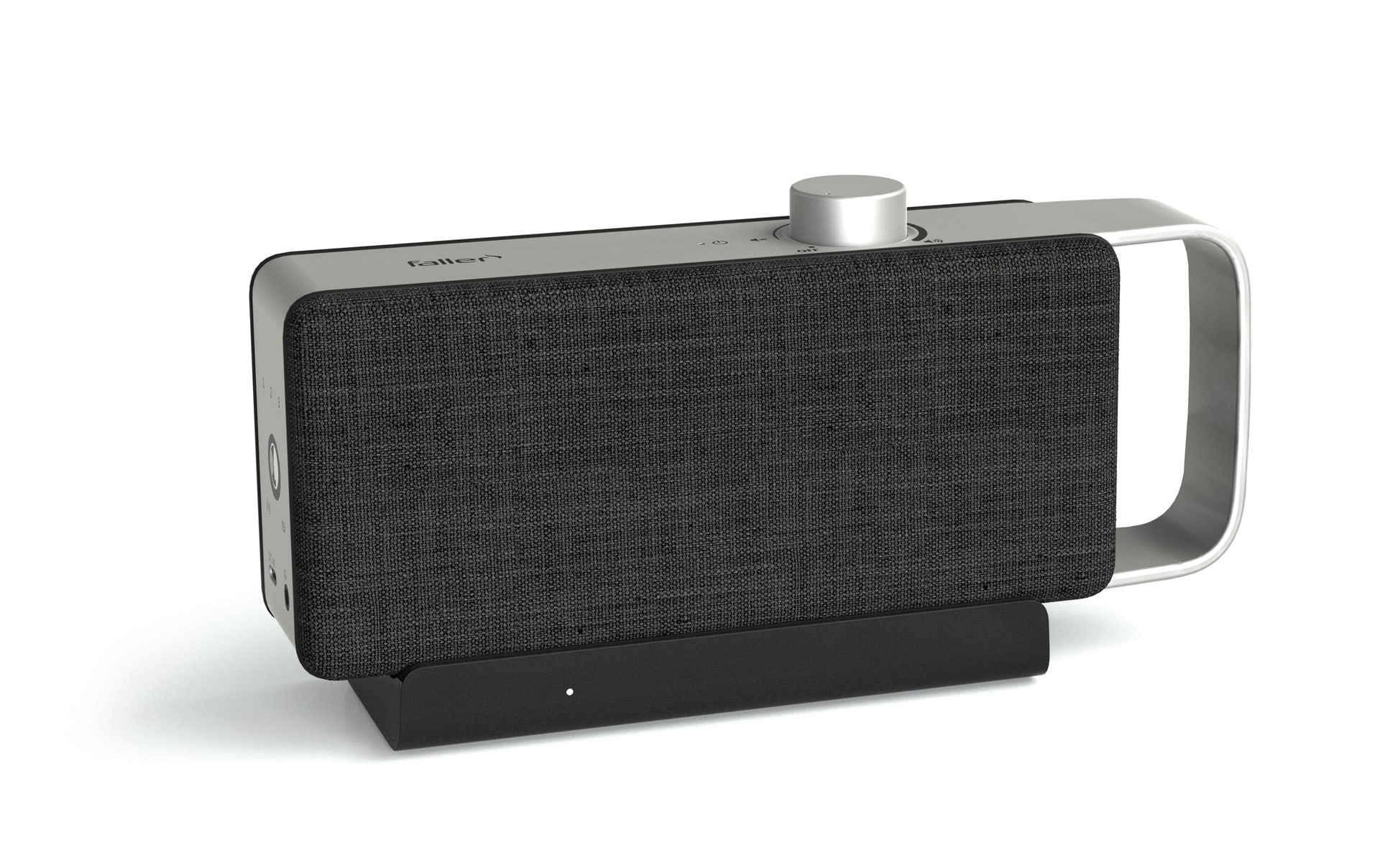
TheOSKAR TV hearing amplifierfrom faller audio enhances the television experience for people with hearing impairments by amplifying dialogue and speech and filtering out distracting background noise.
Further articles

Healthy candy alternatives for seniors
For many people, craving sweets is part of everyday life. However, traditional sweets often contain large amounts of sugar and provide

Cooking together in old age
As we get older, our everyday lives change in many ways. The children have left home, our partner may be

Protein-rich nutrition in old age
As we age, our bodies change in many ways, and nutrition plays a crucial role in our health.