HÖRST
Understanding hearing loss
October 13, 2025
15 minutes reading time

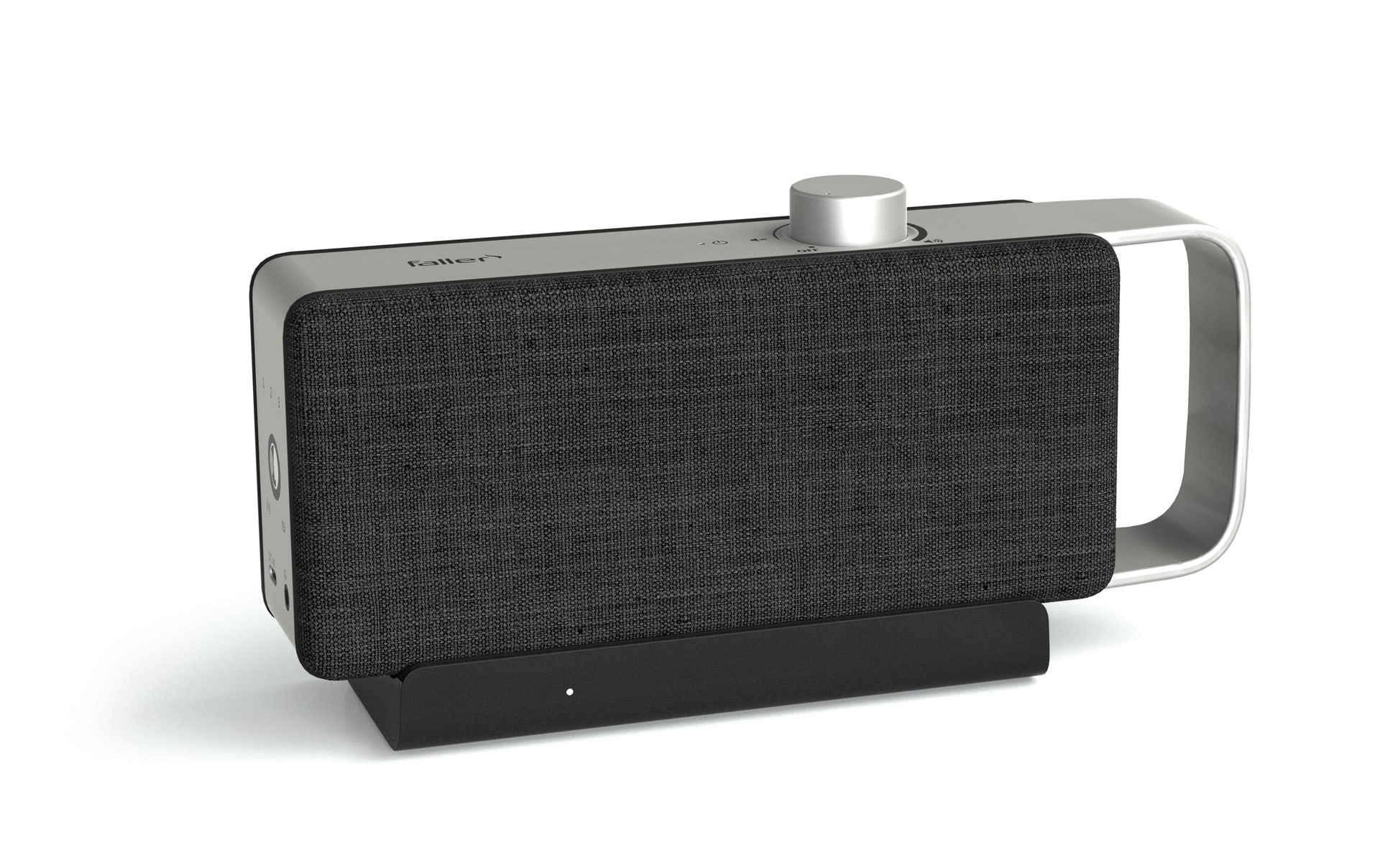
OSKAR
Portable TV voice amplifier
Advertisement
Table of contents
Hearing loss is one of the most common sensory impairments worldwide and affects people of all ages. From mild hearing problems to complete deafness, the various forms and degrees of hearing loss are diverse. This guide provides a clear explanation of the different types of hearing loss, their causes, symptoms, and treatment options, in order to provide those affected and their families with the knowledge they need to make the right decisions.
The most important information in brief
- Hearing loss is not the same as deafness—there are different types and degrees of severity, ranging from mild to severe.
- The three main types are conductive hearing loss, sensorineural hearing loss, and mixed hearing loss.
- Early detection and treatment are crucial for maintaining quality of life and communication skills.
- Modern hearing aids and implants now offer excellent treatment options.
- Untreated hearing loss can lead to social isolation, depression, and cognitive impairment.
- Regular hearing checks and noise protection are important preventive measures.
What is hearing loss and why is understanding so important?
Hearing loss refers to a reduction in hearing ability that can affect both the perception of volume and the clarity of sounds and speech. Contrary to popular belief, it does not exclusively refer to complete deafness, but rather to a broad spectrum of hearing impairments. These can be temporary or permanent and affect one or both ears. Understanding hearing loss goes far beyond simply knowing that it exists. It includes awareness of the various causes, symptoms, and effects on daily life. A thorough understanding enables those affected and those around them to respond appropriately and choose the best possible treatment. It is particularly important to recognize that hearing and understanding are two different processes. While the ear picks up and transmits sound waves, the actual interpretation and understanding takes place in the brain. With hearing loss, the brain has to work with incomplete information, which requires additional effort and makes understanding more difficult.Anatomy of hearing – How our hearing works
To understand hearing loss, basic knowledge of the anatomy and function of the ear is necessary. The ear consists of three main areas, all of which play an important role in the hearing process. The outer ear collects sound waves and directs them through the ear canal to the eardrum. The middle ear amplifies the sound waves with the help of the three ossicles—the malleus, incus, and stapes—and transmits them to the inner ear. In the inner ear, more precisely in the cochlea, the mechanical vibrations are converted into electrical signals by specialized hair cells, which are then transmitted to the brain via the auditory nerve. The brain then processes, evaluates, and interprets the auditory information. This complex process enables us not only to perceive sounds, but also to recognize their meaning and distinguish between different sound sources.The different types of hearing loss
conductive hearing loss
Conductive hearing loss occurs when sound waves cannot be efficiently transmitted from the outer ear or middle ear to the inner ear. This type of hearing loss is often temporary and, in many cases, treatable or even curable. Those affected often describe the feeling as "hearing through cotton wool." Speech sounds muffled and is difficult to understand, especially with background noise. In addition, ear pain or discharge from the ear may occur. The most common causes include blockages caused by earwax, fluid accumulation in the middle ear after infections, damage to the eardrum or ossicles, chronic middle ear infections, and congenital malformations. Benign tumors can also cause conductive hearing loss. Treatment depends on the specific cause and can range from simple removal of earwax to drug therapies and surgical procedures. Hearing aids or bone conduction hearing solutions can also be used successfully.conductive hearing loss
Sensorineural hearing loss is the most common form of age-related hearing loss and is caused by damage to the inner ear or auditory nerve. Unlike conductive hearing loss, this form is usually permanent. A characteristic feature of this type of hearing loss is that sounds are not only perceived as quieter, but also more difficult to understand. Those affected have difficulty following conversations, especially in noisy environments. Often, additional symptoms occur. tinnitus such as tinnitus. The main causes are natural aging processes, in which the sensitive hair cells in the inner ear gradually die off, as well as noise damage caused by occupational or leisure-related noise exposure. Other causes can include genetic factors, head injuries, Ménière's disease, side effects of certain medications, or infections. A special form is high-frequency hearing loss, which affects particularly high frequencies. Those affected have difficulty hearing birdsong, children's voices, or consonants such as "s," "f," and "t." Treatment is mainly carried out using hearing aids that are individually adapted to the patient's hearing ability. In cases of severe hearing loss, cochlear implants may be an alternative.Combined hearing loss
Combined hearing loss involves problems with both sound conduction and sound perception. This complex form of hearing loss poses particular challenges for treatment, as both aspects of the hearing process are impaired. The causes correspond to a combination of the factors for conductive and sensorineural hearing loss. Treatment may include drug therapies, surgery, or hearing aids, often requiring a combination of different approaches.cochlear hearing loss
In rare cases, hearing loss can be caused by damage to or absence of the auditory nerve. Conventional hearing aids or cochlear implants cannot help with this form of auditory neuropathy, as the nerve is unable to transmit sound information to the brain. In some cases, a brainstem implant may offer a solution.Degrees of hearing loss
The degree of hearing loss is measured in decibels of hearing loss (dB HL) and is crucial for choosing the right treatment. It is classified into different levels: With normal hearing, the hearing threshold is 25 dB HL or less. Sounds such as a softly rustling leaf or normal conversation are clearly understood. Mild hearing loss (26-40 dB HL) is particularly noticeable with soft sounds and high-frequency speech sounds. Consonants at the end of words are difficult to perceive, especially in noisy environments. With moderate hearing loss (41-55 dB HL), normal speech becomes difficult to understand and the ringing of the telephone may go unnoticed. Group conversations become increasingly difficult. Moderate to severe hearing loss (56-70 dB HL) makes normal conversation difficult to understand, even in quiet situations. Without hearing aids, those affected have considerable difficulty in most situations. With severe hearing loss (71-90 dB HL), only very loud noises such as sirens can be heard. Music and traffic noises sound very muffled. Deafness or profound hearing loss (91 dB HL and above) means that speech can no longer be heard and only very loud noises, often only as vibrations, can be perceived.Causes of hearing loss in detail
Age-related changes
Natural aging, medically known as presbycusis, is the most common cause of hearing loss. With age, the sensitive hair cells in the inner ear become damaged, especially those responsible for perceiving high-pitched sounds. This process can begin as early as age 40 and usually affects high frequencies first.Noise-induced damage
Noise is one of the most preventable causes of hearing loss. Both prolonged exposure to noise from loud workplaces, music, or leisure activities, and one-off extreme noise events can damage or destroy the hair cells in the inner ear. This damage is usually irreversible and leads to permanent hearing loss.Genetic and congenital factors
Hereditary predispositions play an important role in the development of hearing loss. Genetic factors can cause both congenital hearing loss and an increased susceptibility to hearing loss later in life. Congenital malformations such as microtia or atresia, as well as genetic syndromes, can also lead to hearing impairments.Diseases and infections
Various diseases can impair hearing. Chronic middle ear infections, Ménière's disease, meningitis, and cholesteatoma are just a few examples. Otosclerosis, a stiffening of the ossicles, can also lead to significant hearing problems.Medication-related causes
Certain medications, known as ototoxic substances, can damage the inner ear and lead to permanent hearing loss. These include certain antibiotics, loop diuretics, and some cancer drugs. They should therefore always be used under medical supervision.Recognizing symptoms and early signs
The symptoms of hearing loss often develop gradually and are initially unnoticed or misinterpreted. Typical early signs include difficulty understanding soft sounds, high-pitched voices such as those of women or children, or specific consonants. Many affected individuals feel that other people speak unclearly or mumble. In group conversations or noisy environments, it becomes increasingly difficult to follow conversations. Frequently asking "What?" or needing to turn up the volume on the TV and radio are further warning signs. Accompanying symptoms can include ringing in the ears, ear pain, discharge from the ear, dizziness, or balance problems. Paradoxically, people with hearing loss can also become sensitive to noise because they lack the natural dampening effect of the outer hair cells. An important concept for understanding the effects is the "speech banana" in the audiogram. It shows which letters and sounds may be affected by hearing loss depending on volume and pitch and helps to understand what information the brain is missing.Diagnosis of hearing loss
If hearing loss is suspected, an ear, nose, and throat doctor or hearing care professional should be consulted promptly. Experts recommend regular hearing tests, ideally once a year, even for young people without obvious hearing problems. The diagnosis begins with a detailed medical history, which includes the patient's history, symptoms, duration of hearing loss, and possible risk factors such as noise exposure. This is followed by a physical examination using otoscopy to check the ear canal and eardrum for inflammation, earwax blockages, or other problems. The actual hearing tests involve various procedures. Tone audiometry measures the hearing threshold for tones of different frequencies and volumes. Speech audiometry assesses speech comprehension by playing words or sentences at different volumes. Tympanometry examines the mobility of the eardrum and ossicles to assess middle ear function. Objective tests can measure the activity of sensory cells in the inner ear or brain to evaluate hearing function independently of the patient's cooperation. The results are graphically represented in an audiogram, which shows the type and severity of hearing loss. In special cases, imaging techniques such as CT or MRI may be necessary to rule out structural malformations or fluid accumulation and identify the exact cause.Consequences of untreated hearing loss
The effects of untreated hearing loss go far beyond mere hearing impairment and can drastically change the entire life of those affected. Social isolation is one of the most serious consequences. People with untreated hearing loss increasingly avoid social situations in which they have difficulty understanding. This leads to loneliness, withdrawal, and loss of joy in life. Communication with family and friends becomes a burden. Scientific studies show a clear link between untreated Hearing loss and dementiaThe risk of age-related depression and cognitive impairment increases significantly as the brain receives fewer acoustic sensory impressions and can therefore lose important abilities. The constant effort to understand becomes an enormous strain and source of stress. This can lead to headaches, muscle pain, and increased blood pressure. The constant concentration required to hear and understand is mentally and physically exhausting. Particularly problematic is what is known as "hearing deprivation." The longer hearing loss remains untreated, the more the brain forgets how to recognize and supplement missing speech sounds. This deprivation effect leads to a further decline in speech comprehension and is difficult to reverse later on. Safety risks arise from not perceiving important warning signals in traffic or in emergency situations. This can significantly increase the risk of accidents and falls. In children, undiagnosed or untreated hearing loss can severely disrupt speech development and lead to concentration problems, poor performance at school, and a lack of self-confidence.Modern treatment options
Hearing aids as the first choice
Modern hearing aids are high-tech devices that can do much more than just amplify sound. They amplify sound waves that are too quiet, attenuate those that are too loud, and direct them optimally into the inner ear to compensate for individual hearing loss. They are precisely adjusted to the specific hearing ability of the wearer. Today's hearing aids offer numerous intelligent functions such as directional microphones, noise-canceling algorithms, hands-free devices, and smartphone connectivity. They are discreet, comfortable, and the negative image of earlier generations is largely outdated. Early and regular use of hearing aids is particularly important. The brain must relearn how to understand and evaluate sounds. The earlier a hearing aid is used, ideally from the age of 55-65, the easier it is to get used to and the more lasting the success. An ENT doctor can prescribe hearing aids, which makes it possible to receive a health insurance subsidy. A hearing care professional provides detailed advice and individual fitting.Hearing implants for severe cases
Cochlear implants are suitable for people with severe to profound hearing loss when conventional hearing aids do not provide sufficient improvement. They send electrical impulses directly to the auditory nerve, which the brain interprets as sounds. In children, early detection enables the provision of hearing aids from as early as three months of age, which is crucial for normal speech development. Other implant solutions include hybrid implants for certain forms of high-frequency hearing loss, bone conduction hearing solutions for conductive and combined hearing loss, and brainstem implants in rare cases of auditory nerve damage.Medication and surgical therapies
In certain cases, medication or surgery can lead to improvement or even a complete cure. Removing earwax blockages, treating middle ear infections, or performing surgical procedures such as stapedectomy for otosclerosis can restore hearing. Sudden hearing loss can sometimes be successfully treated with cortisone preparations if therapy is started promptly.Preventive measures and hearing protection
The most important measure for preventing hearing loss is to consistently protect your ears from harmful noise exposure. This applies both in the workplace with loud machinery and in your private life at concerts, when doing DIY, or when listening to loud music through headphones. Regular hearing care Professional hearing tests can help detect early signs of hearing loss and enable appropriate measures to be taken. Ototoxic medications should be avoided where possible and in consultation with the treating physician.Special aspects for different age groups
Hearing loss in children
For children, the so-called 1-3-6 National EHDI goals are crucial: hearing screening before the first month of life, diagnosis before the third month of life, and intervention before the sixth month of life. Early treatment is absolutely crucial for normal speech development, school performance, and children's self-confidence. Specialized pediatric audiologists can provide comprehensive advice and support. Untreated hearing loss in childhood can lead to permanent developmental disorders that are difficult to compensate for later on.Dealing with hearing loss in the family
It is important that relatives also learn how to deal with a family member's hearing loss. Supportive communication strategies, patience, and understanding can make everyday life much easier. Hearing loss in the family affects everyone involved and often requires an adjustment to the usual communication patterns.Supportive aids and technologies
In addition to hearing aids and implants, various technical aids can make everyday life easier. Special headphones for watching television, light signaling systems for doorbells or telephones, vibrating alarm clocks, and transmission systems in public buildings can improve participation in social life. Communication strategies such as lip reading and sign language offer additional opportunities for communication. Self-help groups and counseling centers enable the exchange of experiences and offer mutual support for those affected and their families.Quality of life despite hearing loss
It is possible to lead an active and fulfilling life even with hearing loss. Modern medical technology and a wide range of treatment options now offer almost everyone with hearing loss the chance to communicate well again and participate actively in life. It is crucial not to hesitate and to seek professional help at the first signs of hearing problems. The consequences of untreated hearing loss, especially social isolation and a decline in speech comprehension, can be serious. Consulting an expert sooner rather than later can make a decisive difference to your quality of life in the long term. Accepting your own hearing impairment and actively seeking solutions are the first steps toward better hearing and understanding. With the right support and modern aids, hearing loss does not have to mean the end of active participation in life.Further articles

Healthy candy alternatives for seniors
For many people, craving sweets is part of everyday life. However, traditional sweets often contain large amounts of sugar and provide

Cooking together in old age
As we get older, our everyday lives change in many ways. The children have left home, our partner may be

Protein-rich nutrition in old age
As we age, our bodies change in many ways, and nutrition plays a crucial role in our health.