HÖRST
Hearing loss in the family
August 4, 2025
6 minutes reading time

OSKAR
Portable TV voice amplifier
Advertisement
Table of contents
Tips and support for family members
Hearing lossdoes not only affect the person suffering from it. Family members, friends, and the entire social circle feel the effects and face the challenge of dealing with this situation. What does it mean when someone in your circle suddenly hears less? How doeseveryday life change? And how can you, as a relative or friend, provide support and help?
Understanding hearing loss: causes and consequences
Hearing loss can have various causes:age-related hearing loss, sensorineural hearing loss, hearing loss due to infections,noise, or even a problem in the inner ear, such as a disorder of the cochlea or auditory nerve. There are also cases where the middle ear is affected. Doctors or hearing care professionals can determine the exact cause and suggest appropriate treatment.
The consequences of hearing loss are varied and depend on the degree of hearing impairment. Communication problems may arise, and the affected person may withdraw from social life. The brain is also affected, as it receives less information through the ears.

How can I recognize hearing loss?
Recognizing hearing loss can be challenging because the symptoms often develop gradually and are easily overlooked. Here are some common signs that may indicate that you or someone you know may be experiencing hearing loss.
Constant questioning during conversation:
People who suffer from hearing loss tend to constantly ask for repetition during conversations. This is because they have difficulty understanding certain words or sentences. They may also misunderstand words or sentences and respond with something unrelated.
Increased volume when watching television or listening to the radio:
A significant increase in the volume of the television, radio, or music can be an indicator of hearing loss. If you or others in your household notice that the volume is getting louder and louder, this could indicate a hearing problem.
Difficulty understanding conversations in noisy environments:
People with hearing loss often have difficulty understanding conversations in noisy environments such as restaurants, cafes, or meetings. They have trouble distinguishing certain voices or sounds from background noise.
Absence of reaction to noises or sounds:
If you or someone close to you does not respond to loud noises or sounds, this could be a sign of hearing loss. For example, a person with hearing loss may have difficulty hearing an alarm clock, telephone, or doorbell.
Tips for interacting with people with hearing loss in everyday life
To make everyday interactions with people who are hard of hearing easier, there are a number of strategies that can improve communication and enhance quality of life:
- Speak slowly and clearly:Try to speak at a natural pace and articulate your words clearly. While it is important to speak loudly enough, shouting is not helpful as it can alter the sound quality and make it more difficult to understand. Instead, try to modulate the tone of your voice to aid comprehension.
- Look at the person when speaking:Nonverbal communication plays an important role in the exchange of information. Look directly at the person when you speak to them. Facial expressions, body language, and lip movements can help the other person understand the spoken words better.
- Reduce background noise: Background noisecan make it very difficult to understand conversations, especially for people with hearing loss. Try to keep the environment as quiet as possible by, for example, turning down the volume of the TV or music, or turning it off while you are talking.
- Be patient and empathetic:It can be frustrating for people with hearing loss when they have difficulty following others or understanding what is being said. Show understanding and patience, and reassure them that they can take their time to understand and respond.
Hearing aids and hearing devices
There are also a variety of aids and technologies available to support people with hearing loss in their everyday lives.Hearing aidsand other hearing devices can improve the hearing ability of people with hearing loss. There are different types of hearing aids, including implants that are inserted directly into the ear. In some cases, a cochlear implant may also be the solution. A hearing care professional can help you choose the right device for you.
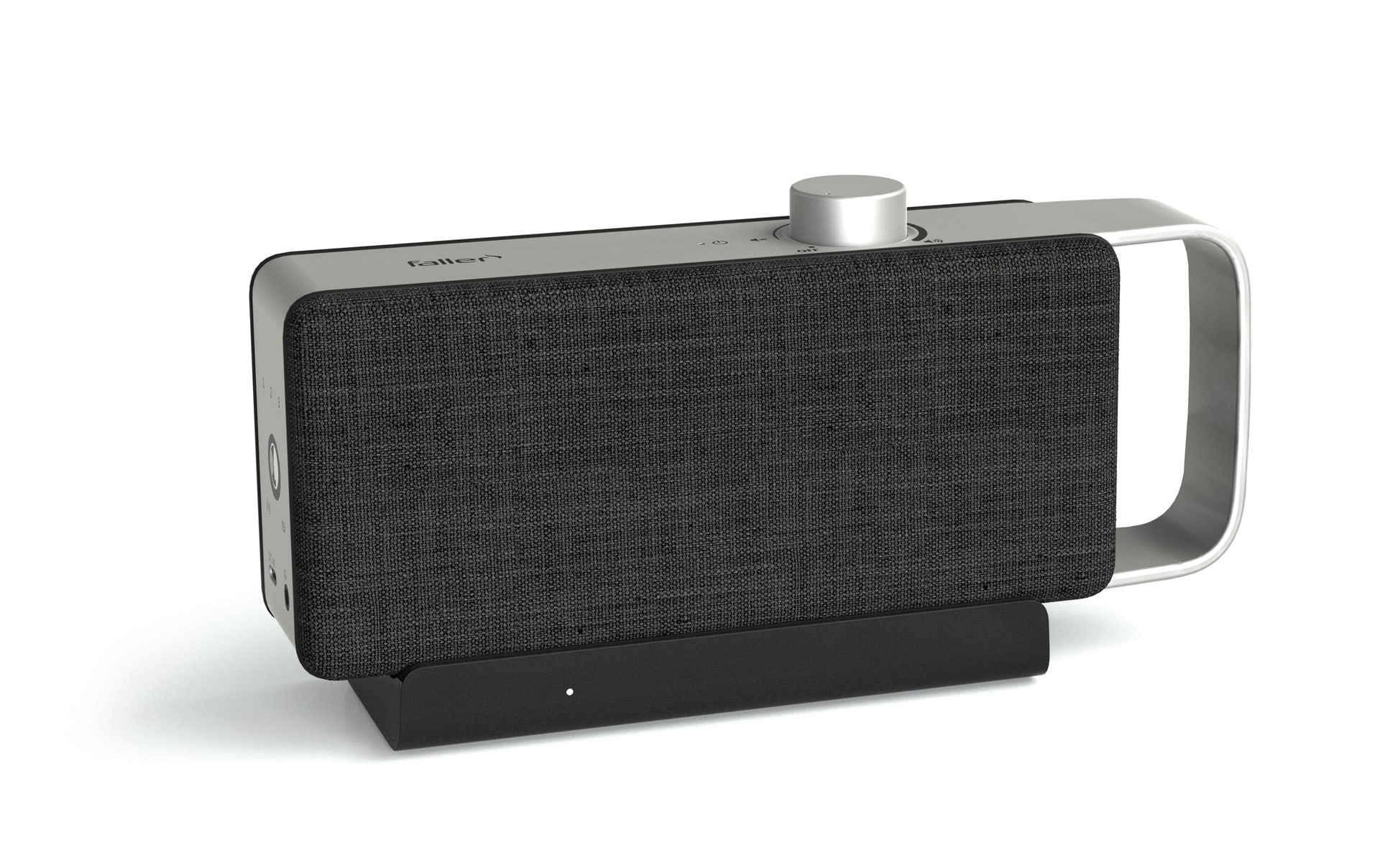
In addition to hearing aids, there are other aids and adjustments that can make everyday life easier. Consider, for example, special telephones that increase the volume, orTV hearing amplifierssuch as the OSKAR from faller audio. The portable TV speaker with unique dialogue amplification was developed especially for the hard of hearing and helps to make the TV experience more enjoyable and understandable.

How can I help as a family member or friend?
Hearing loss in children and adults is a challenge, but with the right support and appropriate aids, those affected can continue to lead fulfilling lives. As a family member or friend, you are part of this support system. With understanding, patience, and the right tips, you can help make everyday life easier and improve quality of life. You can:
- Show understanding and patience
- Offer assistance in selecting hearing aids
- Accompany the person when they go to the doctor or audiologist to have ahearing test
- Offer joint activities where hearing is less important, such as walks or painting.
- Learn about hearing aids such as the OSKAR TV hearing amplifier from faller audio
Further articles

Healthy candy alternatives for seniors
For many people, craving sweets is part of everyday life. However, traditional sweets often contain large amounts of sugar and provide

Cooking together in old age
As we get older, our everyday lives change in many ways. The children have left home, our partner may be

Protein-rich nutrition in old age
As we age, our bodies change in many ways, and nutrition plays a crucial role in our health.