HÖRST
Hearing loss and road safety
August 4, 2025
6 minutes reading time
OSKAR
Portable TV voice amplifier
Advertisement
Table of contents
An underestimated danger
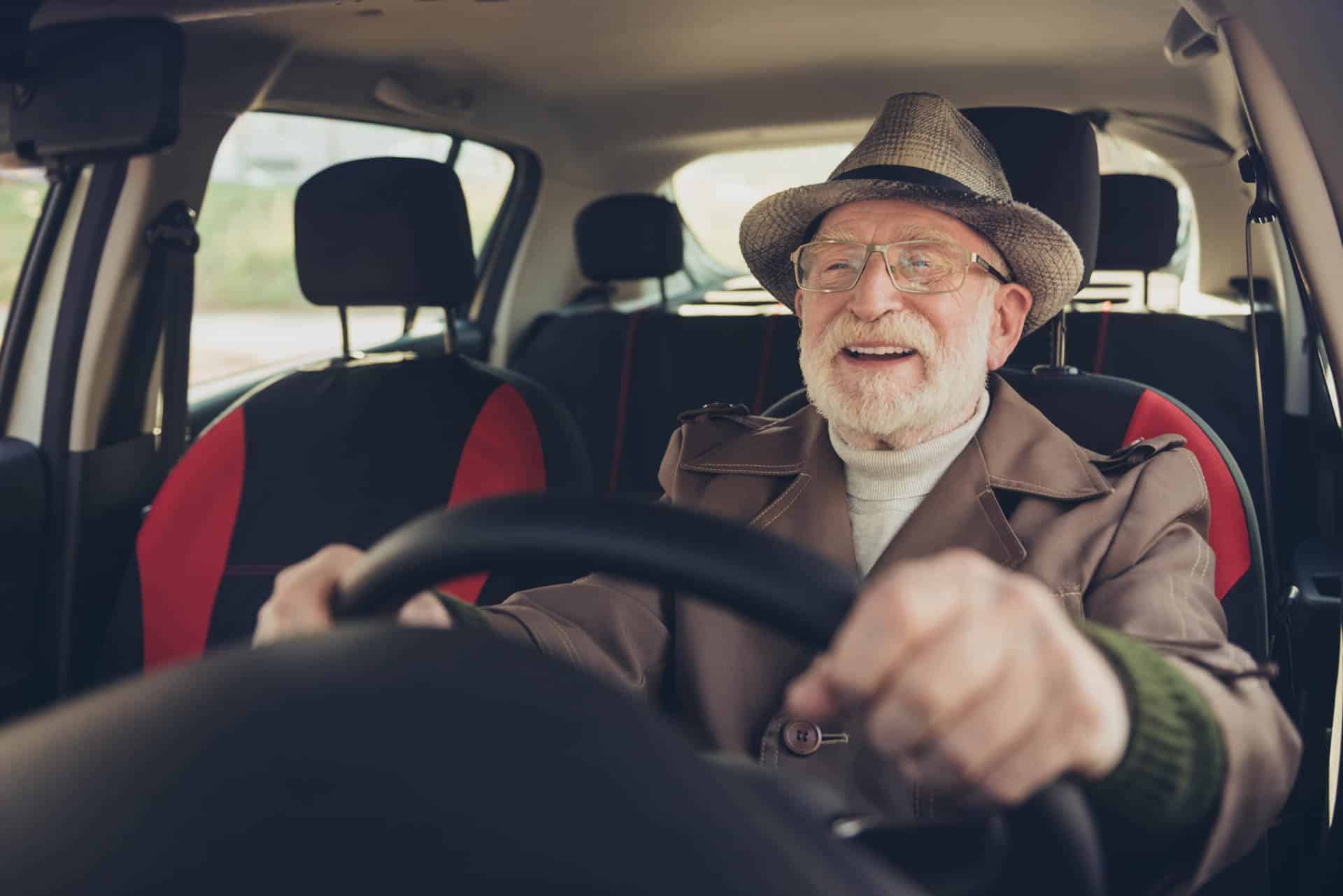
When we think about road safety, we often focus on vision. But what about hearing?Hearing impairmentandhearing losscan pose significant safety risks for both drivers and pedestrians.
Hearing loss affects many people worldwide and can severely limit the ability to hear sounds and warning signals. When driving, however, it is essential to be able to hear sounds such as horns, sirens, and even the humming of other vehicles.
The impact of hearing loss on driving ability
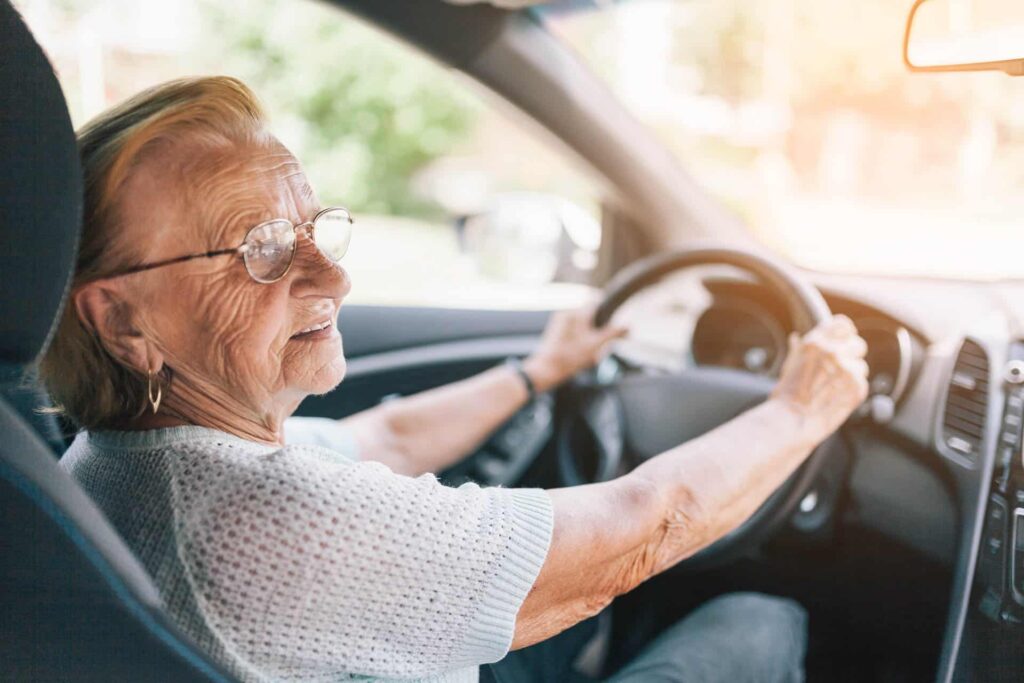
A driver with impaired hearing or hearing loss could miss important acoustic signals. Directional hearing, i.e., the ability to determine the direction of a sound, is particularly important when driving. Whether it's hearing an approaching vehicle or recognizing the signals of an emergency vehicle in good time,our hearingplays an important role in road traffic.
Dealing with hearing loss in traffic
Assessment of driving ability and use of hearing aids
Are your ears being tested? If you or a loved one has hearing loss, you should consider having a hearing test with an audiologist or ENT doctor. They can determine the severity of the hearing loss and may recommend hearing aids orhearing devicesthat can improve your safety on the road and secure your driver's license.
Although there are no specific laws in Germany prohibiting people with hearing loss from driving, certain procedures can be initiated if there are doubts about a person's fitness to drive. This usually includes an examination by a doctor and, if necessary, the preparation of a medical report for your driver's license.
As an applicant, you should note the following points:
- If you have a known hearing impairment, you should indicate this on your driver's license application.
- You may need a medical report to prove your fitness to drive.
- Hearing aids or hearing systems can restore driving ability and are permitted in road traffic.
Awareness and caution in road traffic
Hearing-impaired and deaf road users should exercise particular caution. They should be aware that their impairments can affect their fitness to drive. This applies in particular in situations with heavy traffic or in unclear traffic situations.
Useful tips for drivers with hearing loss
Drivers with hearing loss or hearing impairment can benefit from some useful tips to improve their safety and driving experience. Here are a few recommendations:
Use your other senses:
Since your hearing is impaired, you should make greater use of your visual perceptions. Pay particular attention to visual cues such as flashing lights, traffic signs, traffic light signals, or sudden movements by other road users. By focusing your attention more on visual stimuli, you can better perceive important information in traffic and react more quickly.
Be attentive:
Concentration and attention are very important for all drivers, but especially for drivers with hearing loss. Don't let yourself be distracted by loud music, cell phone use, or conversations in the vehicle. Focus on the driving environment and keep your attention on the traffic.
Use tools:
Modern hearing aids or hearing systems can help drivers with hearing loss improve their safety on the road. These technological aids can amplify ambient noise and offer special features designed specifically for use in vehicles. For example, they can reduce wind noise, improve speech intelligibility, or highlight traffic noise. If you use hearing aids or hearing systems, ensure that they are properly adjusted and regularly maintained for optimal results.
Have your hearing tested regularly:
Regularhearing testsare important for keeping an eye on the condition of your hearing and detecting any changes at an early stage. Regular checkups allow you to determine whether your hearing loss is worsening or whether your current hearing aids are still adequate. Talk to your ENT doctor about the recommended frequency of hearing tests and schedule regular appointments to monitor your hearing.

Safety of pedestrians with hearing loss
Hearing is important not only when driving, but also as a pedestrian. People with hearing loss often have difficulty determining the direction of approaching vehicles. This can be particularly dangerous when crossing roads.
The following tips can help pedestrians with hearing loss:
Increased attention to visual signals:
Hearing loss can limit the flow of information, so it is important to enhance other senses. Your vision, in particular, can play a major role in ensuring safety when walking. Use visual cues to be aware of your surroundings. Street signs, traffic light systems, and crosswalks are important indicators for safe behavior in traffic. It is also useful to observe the movements of other road users to gain an understanding of traffic flow and potential hazards.
Take special care at intersections:
Intersections are often complex places when it comes to traffic movements. Vehicles and pedestrians arrive from different directions, which can make it difficult to accurately assess the traffic. If you have hearing loss, these situations can be even more challenging, as you may not be able to hear the auditory warning of horns or engine noises. It is therefore particularly important to be extra vigilant at intersections. Make sure you check all directions thoroughly before crossing the road, paying attention to visual cues from other road users.
Use of hearing aids:
Even when you are out walking, hearing aids and other hearing devices can be useful for improving your auditory perception. They may be able to amplify ambient sounds that could give you clues about your surroundings. It is also important to remember that some modern hearing aids have special features designed specifically to assist you in noisy environments, such as those often found in urban outdoor settings. These features can, for example, filter out or highlight certain sounds to improve your perception and thus your safety. Remember to always keep your hearing aids fully charged and in good condition to ensure maximum performance.
Further articles

Healthy candy alternatives for seniors
For many people, craving sweets is part of everyday life. However, traditional sweets often contain large amounts of sugar and provide

Cooking together in old age
As we get older, our everyday lives change in many ways. The children have left home, our partner may be

Protein-rich nutrition in old age
As we age, our bodies change in many ways, and nutrition plays a crucial role in our health.