HÖRST
Hearing difficulties with background noise
August 7, 2025
6 minutes reading time

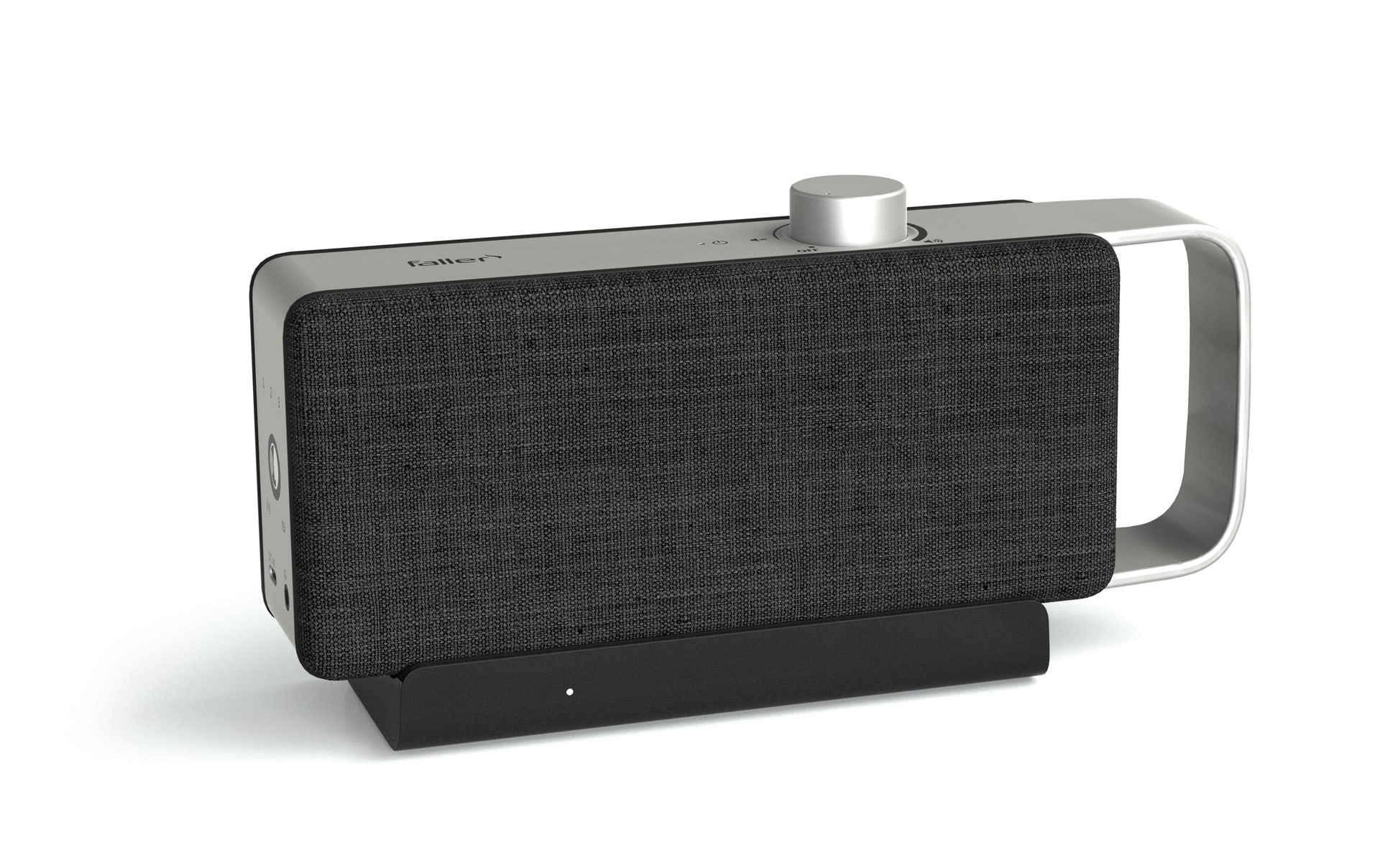
OSKAR
Portable TV voice amplifier
Advertisement
Table of contents
Hearing problems are widespread. Both the causes and the severity can vary greatly—from difficulty understanding certain frequencies or volumes to hearing impairment or hearing loss.
Many people also have hearing problems when there is background noise, meaning that they find it difficult to understand conversations or what is being said when there are loud noises in the background.
The following section explains the causes, available treatment options, and technical aids.
What are hearing problems?
People with hearing problems generally have difficulty hearing. These difficulties can vary from person to person and range from problems understanding soft sounds, speech, or other acoustic signals to an inability to tolerate loud noises. Ear noises such as tinnitus are also common hearing problems. Hearing problems can take various forms, from temporary hearing impairments to chronic conditions such as hearing loss or deafness.

What is background noise?
Background noise is noise that is present in the background in a specific environment for a certain period of time. It is therefore not the immediate focus of attention. This can include noises that many people find pleasant, such as the sound of the sea, wind, or birdsong, as well as disturbing noises such as construction noise, traffic noise, electrical appliances, or music. Conversations in which you are not participating can also be background noise.
This background noise can increase the ambient volume and thus make it more difficult to hear other sounds or conversations. The difficulty of understanding speech in a noisy environment and filtering out relevant information, for example when different sounds and voices occur simultaneously, is also known asthe "cocktail party effect."
Causes of hearing problems with background noise
The causes of hearing problems in noisy environments or hearing loss in general can vary greatly.
They are particularly common as a result of age-related hearing loss. Diseases such as ear infections or disorders such as damage to the hair cells in the inner ear also often lead to hearing problems. Genetic predisposition is another cause of hearing disorders. In addition, accidents or injuries, especially those affecting the ear, can lead to hearing loss.
Specific causes of hearing problems in noisy environments include difficulties with noise filtering in the brain or attention deficits. For example, some people find it difficult to concentrate on a particular sound source or to distinguish background noise from relevant sounds or voices when there are many different noises occurring at the same time. Neurological disorders can also impair hearing ability.
In any case, it is advisable to consult an ENT doctor or audiologist at an early stage if you have hearing problems. They can carry out a thorough examination and determine whether the problems are temporary or chronic, and, if necessary, recommend individual treatment options or hearing aids.
Hearing difficulties with background noise in everyday life
Hearing problems in noisy environments can have various consequences for those affected in their everyday lives. These include
- Difficulty understanding conversations innoisy environments, such as cafes or restaurants. This can lead to people attending fewer meetings or group activities, or not attending them at all. The result is social isolation.
- Effort and tension:Understanding speech in noisy environments can be very tiring for those affected and can lead to stress and a reduced quality of life.
- Increased risk of accidents:Poor hearing can also increase the risk of accidents in everyday life if potential warning signals are no longer heard due to background noise.
- Problems at work:Hearing loss can alsocause problems at work, for example with communication, and thus lead to a decline in work performance.
Background noise when watching television
When watching television, it is particularly noticeable when you suddenly can no longer understand everything. If the background noise is too loud, for example music or sound effects, dialogues or speech often become incomprehensible. This means that important information is lost and the viewing experience is spoiled. The usual response to this problem is to turn up the volume, which in turn can quickly become annoying for other people in the house.
What can be done?
First of all, it is important to find out what is causing the hearing loss. You should always consult a doctor or hearing care professional for this. Early diagnosis and treatment can help minimize the consequences of hearing problems.

Tips for dealing with hearing problems in noisy environments
- Use hearing aids such as hearing devices and cochlear implants. These special hearing aids can improve hearing performance and enable better communication, even in noisy environments. You can obtain information from your doctor or hearing care professional.
- Special hearing aids with noise-canceling features can help reduce background noise.
- If background noise is too loud when watching television, various settings and technical aids are recommended. These include audio tracks such as "Clear Speech" or TV hearing amplifiers such as OSKAR from faller audio, which uses special dialogue optimization to filter out distracting background noise.
- Audio therapies can help improve speech processing and comprehension in noisy environments. Here, too, it is advisable to seek a prior diagnosis from a doctor in order to find the right treatment.
- In noisy environments, hearing protection can reduce background noise. If necessary, seek out quieter areas.
- Train your awareness of visual cues: Observing mouth movements, facial expressions, and gestures can help you understand what is being said when there is loud background noise.
- Inform your conversation partners about your hearing loss. Clear communication and a willingness to adapt to the needs of people with hearing problems are important when communicating with people who are hard of hearing.
- Consult a doctor or hearing care professional for advice.
Our online hearing test
To get an initial impression of your hearing ability in background noise, you can now take our free online hearing test.
Further articles

Healthy candy alternatives for seniors
For many people, craving sweets is part of everyday life. However, traditional sweets often contain large amounts of sugar and provide

Cooking together in old age
As we get older, our everyday lives change in many ways. The children have left home, our partner may be

Protein-rich nutrition in old age
As we age, our bodies change in many ways, and nutrition plays a crucial role in our health.