HÖRST
Dancing for seniors
August 7, 2025
12 minutes reading time

OSKAR
Portable TV voice amplifier
Advertisement
Table of contents
Dancing for seniors is growing in popularity and offers older people an ideal combination of physical activity, mental stimulation, and social interaction. This form of exercise not only promotes physical fitness and mobility, but also strengthens community spirit and joie de vivre. Senior dance differs from conventional dance forms in its adapted choreography and movement sequences, taking into account the special needs of older people. From classic ballroom dancing to modern dance fitness programs, there are many ways to stay active and make new social contacts, even in advanced age.
Health benefits of dancing for older adults
The positive effects of dancing on the health of older people are well documented scientifically. Regular dancing promotes both physical and mental fitness and contributes to an active, independent life in old age.
Physical fitness and flexibility
Dancing is a holistic form of exercise that works different muscle groups while being easy on the joints. The rhythmic movements boost blood flow and strengthen the cardiovascular system. One big plus is that you can adjust how intense the exercise is to suit your own needs, so people with different physical abilities can join in. The continuous movement sequences involved in dancing help to maintain joint mobility and strengthen muscles. This is particularly important for older people, as physical inactivity can quickly lead to muscle loss and stiffness. Regular dancing helps participants stay mobile and independent for longer.
Promotion of coordination and balance
A particularly important aspect of dancing for seniors is the improvement of coordination and balance. The complex movements require coordination between different parts of the body and train spatial awareness. This contributes significantly to fall prevention, as a better sense of balance reduces the risk of falls in everyday life. The coordination between music, movement, and sometimes also a dance partner is a demanding task that trains both physical and mental abilities. This challenge keeps the brain active and promotes neurological connections.
Positive effects on the heart and circulation
Dancing is an excellent form of cardiovascular exercise that can be tailored to the needs of older people. Moderate physical activity strengthens the heart and improves blood circulation without putting strain on the joints. Unlike other sports, dancing is less prone to injury and can also be practiced by people with existing health conditions. Improving cardiovascular fitness through regular dancing contributes to better oxygen supply throughout the body. This leads to more energy in everyday life and can significantly increase overall quality of life.
Senior dance as a specialized form of exercise
Senior dance has established itself as an independent form of exercise that is specifically tailored to the needs and abilities of older people. This form of dancing takes physical limitations into account while still offering a wide range of opportunities for movement and expression.
What makes senior dancing special
The Federal Association for Senior Dance (BVST) has developed standards that distinguish senior dance from other forms of dance. Characteristic features include slower tempos, simpler step sequences, and the option to perform many dances while seated. This allows people with limited mobility to participate in the enjoyment of dance. Another feature of senior dance is the absence of complicated lifts or acrobatic elements. Instead, the focus is on flowing, natural movements that increase well-being and promote physical fitness. The movements are designed so that they can be easily performed even by people with arthritis or other age-related limitations.
Adapted choreography and movement sequences
The choreography in senior dance is carefully designed to be both entertaining and beneficial to health. Traditional elements from different cultures are combined with modern approaches. The movements are designed so that they can be learned step by step without overwhelming the participants. Circle dances are particularly characteristic, in which all participants hold hands and perform simple step sequences together. This form not only promotes physical activity, but also strengthens the sense of community. Repeating the movement patterns helps to train the memory and gives the participants confidence.
Popular dance styles for seniors
The variety of dance styles for seniors is impressive, ranging from traditional ballroom dancing to modern fitness-oriented programs. Each dance style offers different benefits and appeals to different preferences.
Ballroom dances such as the waltz and tango
Classic ballroom dances such as the waltz and tango are very popular among seniors. These dances offer the opportunity to dance with a partner while performing elegant, flowing movements. Many older people learned these dances in their youth and can now refresh or deepen their knowledge. The waltz, with its steady three-four time, is particularly suitable for beginners, as the basic steps are relatively easy to learn. Tango, on the other hand, offers more variety in the movements and allows for more intense expression. Both types of dance promote good posture and coordination between partners.
Circle dances and group dances
Circle dances are one of the most accessible forms of senior dance, as they do not require fixed dance partners and are easy to learn. Participants stand in a circle and perform simple step sequences together, often accompanied by traditional or modern music. This form of dancing creates a strong sense of community and allows even shy people to participate. Group dances also offer the opportunity to form different formations and patterns. Dance groups can develop creative choreographies and present them at performances or festivals. This gives participants a goal and boosts their self-confidence.
Modern dance forms and dance fitness programs
Modern approaches such as dance fitness programs combine dance elements with fitness exercises, creating a contemporary form of exercise for seniors. These programs use current music and integrate elements from various dance styles, from Latin American rhythms to swing and jazz. Programs such as the concept developed by Agilando show how traditional senior dance can be combined with modern approaches. Well-known melodies are used to develop new, age-appropriate choreographies. The value of such programs lies in their ability to appeal to people who are not enthusiastic about traditional forms of dance.
Social aspects and sense of community
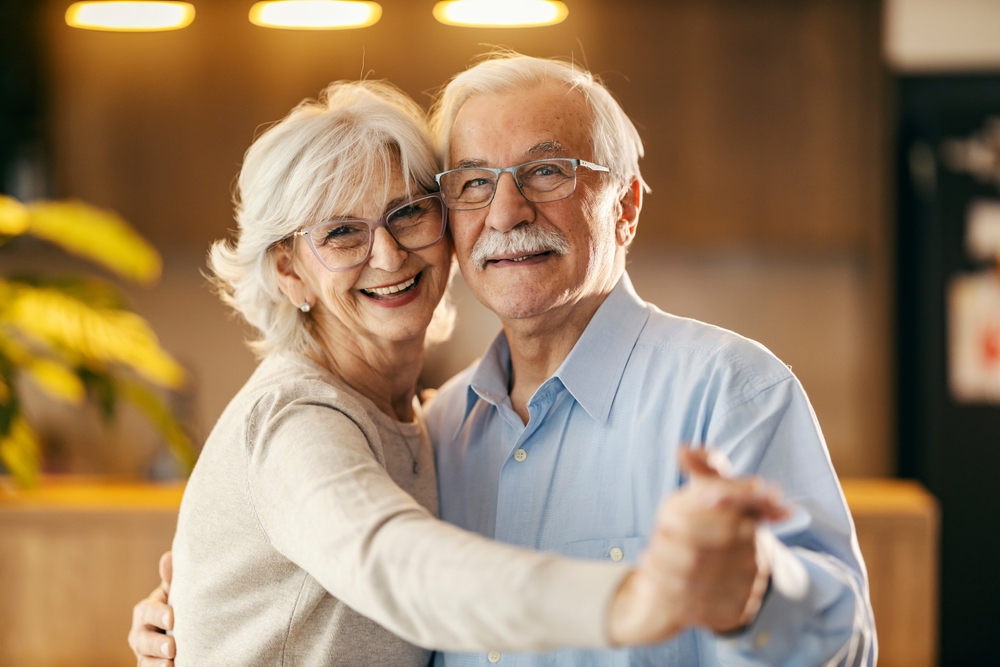
One of the most important aspects of dancing for seniors is the social component. Dancing brings people together and creates connections that extend beyond the dance class.
Conviviality and new contacts
Dance classes for seniors are often more than just exercise classes—they become social gathering places where new friendships are formed and existing ones are deepened. The shared activity creates natural opportunities for conversation and helps overcome social isolation, which unfortunately often occurs in old age. The atmosphere in senior dance groups is typically relaxed and supportive. Experienced participants help newcomers learn the steps, creating a sense of belonging. Many groups also organize joint outings or celebrations, which further strengthen the sense of community.
Dancing without a regular dance partner
A major advantage of many senior dance programs is that no fixed dance partner is required. This is particularly important for widowed or single seniors who still want to enjoy dancing without a partner. Many dance forms are designed so that partners are changed or danced in groups. This flexibility allows anyone interested to participate in dancing, regardless of their personal situation. At the same time, changing partners offers the opportunity to meet different people and socialize.
Where can seniors find suitable dance classes?
The range of dance classes for seniors has grown considerably in recent years. Various providers have specialized in this target group and offer tailor-made programs.
Dance schools with senior citizen programs
Many traditional dance schools have expanded their offerings to include special courses for seniors. These schools, often members of the General German Dance Teachers Association (ADTV), have trained dance instructors who are experienced in working with older people. The professional training of the dance instructors ensures that the courses are age-appropriate and conducted safely. The advantage of dance schools lies in their professional equipment and experienced dance instructors. The rooms are usually optimally equipped for dancing, with suitable floors and music. In addition, the dance teachers can provide individual assistance if necessary and adapt the exercises to the needs of the participants.
Clubs and community centers
Many local clubs and community centers also offer dance classes for seniors. These often have a more community-oriented character and are usually less expensive than commercial dance schools. The family atmosphere in such establishments can be particularly attractive to people who value personal relationships. The Association of Senior Dance Organizations works closely with local clubs and offers support in setting up new groups. This has contributed to the steady growth in the range of senior dance opportunities available, even in smaller communities.
Specialized providers such as Agilando
Specialized providers such as Agilando have focused exclusively on exercise programs for seniors. These organizations develop their own concepts and materials that are specifically tailored to the needs of older people. Their focus is on combining exercise, music, and social interaction. The strength of such specialized providers lies in their expertise and understanding of the particular challenges of aging. They can offer tailor-made programs that also cater to people with special needs or health restrictions.
Mental health and zest for life
Dancing not only has a positive effect on physical health, but also offers significant benefits for the mental state and emotional well-being of older people.
Music as a source of joy
Music has a unique ability to evoke emotions and activate memories. Dancing harnesses this power of music to promote joy and zest for life. Many seniors associate certain melodies with positive experiences from their past, which can lead to feelings of well-being and nostalgia. The combination of music and movement activates different areas of the brain and can lead to a natural release of endorphins. These happiness hormones improve mood and can even be helpful in cases of mild depression. The energy and liveliness of the music is transferred to the dancers and creates a positive atmosphere.
Memory training through dance steps
Learning and performing dance steps is an excellent form of memory training. Participants not only have to remember the step sequences, but also coordinate them with the music and, if necessary, with a partner. This multi-layered task keeps the brain active and promotes various cognitive abilities. Studies have shown that regular dancing can help maintain mental acuity and may even slow cognitive decline. The constant challenge of learning and varying new movement sequences creates new neural connections and keeps the brain flexible.
Dancing with early dementia
Dancing can be particularly beneficial for people in the early stages of dementia. The combination of movement, music, and social interaction can help strengthen remaining abilities and slow the progression of symptoms. Music and familiar movement patterns are often retained in memory longer than other information. Specially designed programs for people with early-stage dementia use familiar melodies and simple movement patterns that can still be performed even when other abilities are already impaired. This form of activity can significantly improve quality of life and bring joy to both those affected and their loved ones.
Practical tips for getting started
Starting to dance at an older age can seem intimidating at first, but with the right preparation and attitude, it is easy to master. A few practical considerations can make it easier to get started.
The right equipment and premises
No special equipment is required for dancing in old age, but some basic equipment can enhance the experience. Comfortable shoes with non-slip soles are essential for safety. Clothing should allow freedom of movement without being too loose to avoid tripping hazards. The premises also play an important role. Rooms with smooth but non-slip floors, sufficient space for movement, and good ventilation are ideal. Adequate lighting is important for safety, and the acoustics should allow music and instructions to be heard clearly.
Role of dance leaders and dance teachers
Qualified dance leaders and dance teachers are crucial to the success of senior dance programs. They should not only have technical skills, but also an understanding of the special needs of older people. Patience, empathy, and the ability to clearly explain and demonstrate movements are important qualities. Good dance leaders create a supportive atmosphere in which all participants feel comfortable, regardless of their skill level or physical condition. They can adapt exercises to individual needs and ensure that everyone can learn at their own pace.
First steps without prior experience
People with no dance experience should not be discouraged from taking up dancing. Most senior dance programs are designed for beginners and start with very simple movements. The focus is on fun and exercise, not perfection. It can be helpful to take advantage of a trial offer or watch a class first to get a feel for the atmosphere and how it works. Many people find that their initial concerns quickly disappear once they experience the friendly and supportive atmosphere in senior dance groups. Participating in a dance class can enrich life in old age and contribute to greater fitness, social contacts, and joie de vivre. The most important thing is to take the first step—the courage to try something new and get involved in the community.
Further articles
Healthy candy alternatives for seniors
For many people, craving sweets is part of everyday life. However, traditional sweets often contain large amounts of sugar and provide
Cooking together in old age
As we get older, our everyday lives change in many ways. The children have left home, our partner may be
Protein-rich nutrition in old age
As we age, our bodies change in many ways, and nutrition plays a crucial role in our health.