HÖRST
Successful weight loss in old age
August 21, 2025
13 minutes reading time

OSKAR
Portable TV voice amplifier
Advertisement
Table of contents
Losing weight in old age is a particular challenge for many people. Physiological changes such as a slower metabolism and natural muscle loss affect the body's energy requirements. This guide highlights the specific aspects of weight loss in old age, from adjusting your diet and targeted exercise to dealing with age-related issues and health risks. The aim is to show ways in which healthy and sustainable weight loss can be achieved even in advanced age.
Why losing weight is challenging in old age
The human body changes continuously throughout life. These changes often make losing weight more difficult in older age than in younger years. It is important to understand the underlying mechanisms in order to develop effective and healthy strategies.
Understanding metabolic changes
Metabolism slows down with age. This means that the body needs less energy to maintain its basic functions. Even if calorie intake remains the same, this can lead to weight gain. Metabolism is influenced by various factors, including body composition and hormone activity. A slower metabolism makes it necessary to adjust calorie intake to achieve the calorie deficit necessary for weight loss.
Muscle mass and basal metabolic rate
Another decisive factor is age-related loss of muscle mass, a phenomenon known as sarcopenia. Muscles are more metabolically active than fatty tissue. This means that they burn more calories even when at rest. When muscle mass decreases, the basal metabolic rate, i.e., the amount of energy the body burns at rest, also decreases. This decline in basal metabolic rate is a major factor in making it more difficult to lose weight in old age. Maintaining and building muscle mass through targeted strength training is therefore very important for successful weight control.
Hormonal changes
Hormones play a central role in regulating appetite, metabolism, and fat distribution. As we age, various hormonal changes occur that can affect body weight. In women, for example, weight gain during menopause can be attributed to fluctuations in estrogen levels. Other hormones that control appetite can also be regulated differently in old age, which affects feelings of hunger and satiety. These complex hormonal changes must be taken into account when considering the weight loss process in old age.
Healthy eating as the basis for weight loss
A balanced diet tailored to individual needs is the cornerstone of successful weight loss in old age. It is not about radical diets, but rather a long-term change in eating habits that meets the specific needs of the aging body.
Calorie requirements in old age
Energy requirements decrease with age due to a slower metabolism and muscle loss. It is therefore crucial to adjust calorie intake to actual energy requirements. Excessive calorie intake inevitably leads to weight gain. It is helpful to find out about your individual calorie requirements and, if necessary, discuss them with a doctor or nutritionist. A moderate calorie deficit is necessary for weight loss.
The role of protein
Protein is particularly important for older people, as it helps maintain muscle mass and promotes long-lasting satiety. Adequate protein intake can counteract age-related muscle loss and thus have a positive effect on basal metabolic rate. Good sources of protein include lean meat, fish, eggs, dairy products, legumes, and nuts. Incorporating protein-rich foods into every meal is an effective strategy.
Important nutrients for seniors
In addition to protein, older people need a variety of other nutrients to stay healthy and support their bodies optimally. Vitamins, minerals, and trace elements are crucial for the functioning of the immune system, bones, and many metabolic processes. A nutrient-rich diet that includes a wide range of foods is therefore essential. Particular attention should be paid to the intake of vitamin D and calcium, which are very important for bone health in old age.
Smart food choices: fruit, vegetables, and whole grain products
Fruit and vegetables are rich in vitamins, minerals, and fiber, yet low in calories. They contribute to satiety and aid digestion. Whole grain products provide complex carbohydrates, which keep blood sugar levels stable and also ensure a long-lasting feeling of satiety. Incorporating these foods into your daily diet is an important step toward healthy eating and weight loss. On the other hand, consumption of highly processed foods should be reduced.
Don't forget to drink: Water is crucial
Adequate hydration is important for all age groups, but can be particularly challenging in older age as the sensation of thirst can diminish. Water is crucial for metabolism, digestion, and overall body function. It also helps control appetite and can prevent food cravings. Drinking water or unsweetened teas regularly throughout the day is therefore a simple but effective tip.
Exercise and sports
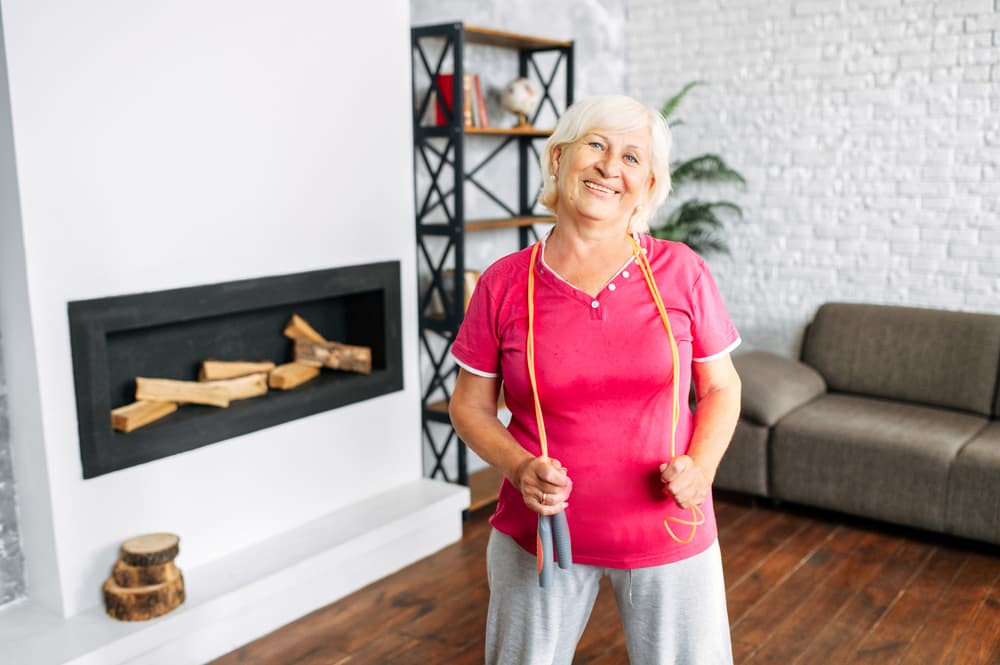
In addition to diet, physical activity plays a key role in weight loss in older adults. Exercise burns calories, but above all, it helps maintain and build muscle mass and promotes overall health.
Strength training to prevent muscle loss
Strength training is crucial in old age to counteract muscle loss. Strong muscles not only increase the basal metabolic rate, but also improve physical performance and prevent falls. Exercises using your own body weight, dumbbells, or resistance bands can be effective. It is advisable to seek medical advice before starting a new training program in order to adapt the exercises to your individual needs and abilities.
Endurance training for the heart and circulatory system
Endurance training such as walking, swimming, or cycling is excellent for burning calories and strengthening the cardiovascular system. Regular endurance activities improve fitness, reduce the risk of disease, and contribute to weight loss. Here, too, the intensity should be adapted to the individual's fitness level. Even short walks can have a positive effect.
Maintain mobility: protect your joints
As we age, joint problems can arise that restrict our freedom of movement. It is important to choose exercises that are gentle on the joints and maintain mobility. Gentle sports such as yoga, tai chi, or water aerobics are well suited for this purpose. They not only promote mobility, but also balance and coordination, which in turn reduces the risk of falls.
Sports activities for all ages
There are a variety of sporting activities that can be enjoyed even in old age. It is important to find an activity that is enjoyable and can be done regularly. Whether it's dancing, gardening, or Nordic walking—any form of exercise is better than no exercise at all. The key lies in continuity and adapting to your own abilities.
Weight loss strategies for seniors
Successful weight loss in old age requires a combination of an appropriate diet and regular exercise. There are various strategies that can help you lose weight.
Planning meals wisely: Intermittent fasting in old age
Planning meals can help control calorie intake and prevent cravings. Regular meals at set times can stabilize your metabolism. Some older people also find intermittent fasting helpful, which involves alternating between eating and fasting periods. This can boost your metabolism and promote fat burning, but should always be done in consultation with a doctor or nutritionist to ensure that no nutrient deficiencies arise.
Control portion sizes
A common mistake when trying to lose weight is underestimating portion sizes. Especially in old age, when energy requirements decrease, smaller portions are often sufficient. Eating consciously and paying attention to the body's satiety signals can help to avoid overeating. Measuring portions or using smaller plates can also be helpful.
Long-term weight loss instead of radical diets
Radical diets with extreme calorie restrictions are not recommended for older people. They can lead to nutrient deficiencies and unwanted muscle loss. Sustainable weight loss is based on a slow and steady reduction in weight. Realistic goals and a long-term change in lifestyle habits are the key to success. Patience and perseverance are essential here.

Common obstacles and risks when losing weight in old age
Despite all efforts, certain obstacles and risks can arise when losing weight in old age, which need to be recognized and taken into account.
Illnesses and medications
Many older adults suffer from chronic illnesses that can make losing weight difficult. Certain medications can also cause weight gain as a side effect or affect metabolism. It is important to discuss these factors with your doctor in order to develop a safe and effective weight loss strategy that takes existing health conditions into account.
changes in appetite
Appetite can change with age. Some people experience a decreased appetite, while others may develop an increased appetite for certain foods. These changes can make it difficult to stick to a diet plan. Keeping a food diary can help you identify patterns and eat more consciously.
Sarcopenia: When muscles waste away
Sarcopenia, the age-related loss of muscle mass and strength, is a serious problem that can affect the weight loss process. If you don't consume enough protein and don't do strength training, weight loss can lead to further muscle loss, which further lowers your basal metabolic rate and impairs physical function. Therefore, it is crucial to prioritize muscle maintenance when losing weight in old age.
Dealing with weight gain during menopause
Women in particular often experience weight gain during menopause due to hormonal changes. This weight gain can be frustrating, but it can be managed through appropriate nutrition and targeted exercise. The focus should be on a balanced diet and regular strength training to support metabolism and maintain muscle mass.
Obesity and the associated health risks
Being overweight in old age is much more than just a question of appearance; it is a serious health factor that can significantly affect your quality of life and life expectancy. The good news is that targeted weight loss can significantly reduce the risks and increase your well-being.
- High blood pressure: Being overweight puts a lot of strain on the cardiovascular system and is a major cause of high blood pressure, which in turn increases the risk of heart attacks and strokes.
- Elevated cholesterol levels: Elevated cholesterol levels are often associated with obesity. This can lead to atherosclerosis (hardening of the arteries), which impedes blood flow and poses a serious risk to heart health.
- Type 2 diabetes: One of the most common consequences of obesity in old age is type 2 diabetes. This metabolic disorder can have far-reaching negative effects on the nerves, kidneys, and eyes.
- Cancer risk: Studies show that higher body weight can increase the risk of certain types of cancer. Weight reduction can be an important preventive measure here or can have a positive effect on the course of an existing disease.
By eating a healthy diet and exercising regularly, you can not only lose excess weight, but also minimize these health risks and significantly improve your overall performance in old age.

Tips for seniors
Nutrition plan for weight loss and muscle building
A well-thought-out nutrition plan for seniors who want to lose weight and build muscle at the same time takes into account their changed metabolism and increased protein requirements. The aim is to eat nutrient-dense and filling foods without consuming too many calories.
- Prioritize protein: Getting enough protein is crucial for counteracting age-related muscle loss and supporting muscle growth. Make sure to include lean meat, fish, eggs, dairy products, legumes, and nuts in every meal.
- Complex carbohydrates and fiber: Whole grain products, oatmeal, potatoes, fruit, and vegetables provide important fiber, which aids digestion and keeps you feeling full for longer. They prevent cravings and provide sustained energy.
- Healthy fats in moderation: Unsaturated fatty acids from avocados, nuts, seeds, and high-quality vegetable oils (e.g., olive or canola oil) are important for health, but should be used consciously due to their high calorie content.
- Regular meals: Instead of fewer large meals, smaller meals spread throughout the day can help keep your metabolism steady and prevent feelings of hunger. This can also be a light snack between main meals.
Safe exercise routines for weight loss for older adults
Exercise and physical activity are essential for weight loss and maintaining physical function in old age. It is important to choose exercises that are safe and tailored to your individual fitness level in order to avoid injury.
- Walking and Nordic walking: Simple activities that are easy on the joints, improve endurance, and burn calories. A daily walk in the fresh air is good for the body and mind.
- Swimming and water aerobics: The buoyancy of the water relieves pressure on the joints, making these activities ideal for people with joint problems or who are overweight. They provide a gentle workout for the entire body.
- Low-resistance strength training: Exercises using your own body weight (e.g., light squats with a chair, standing calf raises), light dumbbells, or resistance bands strengthen muscles and prevent age-related muscle loss.
- Balance exercises and flexibility: Yoga, tai chi, or simple balance exercises improve coordination and mobility, reduce the risk of falls, and promote general well-being. Make sure you have a stable surface to stand on and hold on to something if necessary.
Boost metabolism
A slower metabolism in old age can be a challenge, but there are specific strategies to get it going again and support weight loss.
- Drink enough fluids: A high fluid intake, especially water and unsweetened teas, is fundamental for all metabolic processes. Just 1.5 to 2 liters a day can have a positive effect on your basal metabolic rate.
- Protein-rich diet: Digesting protein consumes more energy than digesting carbohydrates or fats. An increased protein intake can therefore increase the thermal effect of food and stimulate the metabolism.
- Regular exercise, especially strength training: As already mentioned, muscles are the biggest calorie burners. Building and maintaining muscle mass through strength training increases your basal metabolic rate and permanently boosts your metabolism.
- Get enough sleep and manage stress: Lack of sleep and chronic stress can disrupt hormone balance and negatively affect metabolism. Getting enough rest and relaxation are therefore important, often underestimated factors for an active metabolism.
- Spicy spices and certain foods: Capsaicin in chili peppers, ginger, and green tea can temporarily boost your metabolism. However, a balanced and nutrient-rich diet is always the basis.
When you should see a doctor
Before embarking on a weight loss journey in old age, it is advisable to seek medical advice. A doctor can provide individual recommendations and rule out any potential risks.
Personalized consultation and health check
A comprehensive health check-up with your doctor is the first step. This allows existing illnesses, medications, and individual risk factors to be taken into account. Your doctor can recommend a strategy tailored to your personal needs and ensure that the planned measures are safe for your health. Professional support can significantly contribute to the success of your weight loss.
Dangers of obesity and health risks
Being overweight in old age can increase the risk of various diseases, including type 2 diabetes, cardiovascular disease, and joint problems. Targeted weight loss can minimize these risks and improve overall quality of life. Your doctor can explain the specific health risks and assess the need for weight loss in each individual case.
Further articles
Healthy candy alternatives for seniors
For many people, craving sweets is part of everyday life. However, traditional sweets often contain large amounts of sugar and provide
Cooking together in old age
As we get older, our everyday lives change in many ways. The children have left home, our partner may be
Protein-rich nutrition in old age
As we age, our bodies change in many ways, and nutrition plays a crucial role in our health.