HÖRST
Acceptance of hearing aids
November 3, 2025
20 minutes reading time
OSKAR
Portable TV voice amplifier
Advertisement
Table of contents
Hearing loss in old age is a natural development that affects many people. Nevertheless, numerous seniors find it difficult to accept hearing aids and wear them regularly. The reasons for this are manifold and range from psychological barriers and shame to fears about the technology and ignorance about financing options. Yet modern hearing aids can significantly improve quality of life and help maintain social contacts. Studies show that 97 percent of users report significant improvements, but the road to acceptance is often long. This guide highlights the challenges surrounding hearing aid acceptance among seniors and shows ways in which those affected and their families can overcome these hurdles.
The most important information in brief
- In Germany, only 41.1 percent of people with hearing loss receive treatment, even though 97 percent of users report a significantly improved quality of life.
- On average, three years pass between diagnosis and treatment – 59 percent later regret this delay.
- Lack of acceptance can lead to social isolation, depression, and an increased risk of cognitive impairment.
- Intrinsic motivation and extrinsic support from the social environment are crucial for success.
- Many people are unaware that health insurance companies provide substantial subsidies – better information could significantly increase the coverage rate.
Facts and figures on hearing aid acceptance in Germany
The situation regarding hearing loss treatment presents an ambivalent picture. According to the EuroTrak Hearing Study 2022, the proportion of people in Germany who self-reported hearing loss and received treatment was 41.1 percent. Although this represents a significant increase from 34.0 percent in 2012, it also means that more than half of those affected still do not receive treatment.
The time delay is particularly noteworthy: on average, around three years pass between the onset of hearing loss and the actual provision of a hearing aid. During this time, hearing problems can worsen and have a negative impact on various areas of life. It is also significant that 59 percent of those surveyed regretted not having sought a hearing aid sooner.
On the positive side, those who decide to use hearing aids generally do so consistently. The average wearing time is almost nine hours per day. In addition, almost all users report significant improvements: 97 percent confirm that their quality of life has improved thanks to hearing aids, and just under 80 percent are satisfied with their hearing systems.
Why do many seniors find it difficult to accept hearing aids?
The decision to wear a hearing aid can be a significant psychological hurdle for older people. Although modern hearing aids can significantly improve hearing, many affected individuals initially decide against them or only use the devices irregularly. The reasons for this reluctance are complex and vary from person to person.
Psychological barriers and prejudices
One of the biggest challenges in accepting hearing aids is deep-rooted psychological barriers. Many seniors associate hearing aids with aging and do not want to perceive themselves as old or frail. Admitting to hearing loss means giving up a piece of their independence. In addition, there are still prejudices against hearing aids that date back to a time when the devices were large, conspicuous, and less powerful. These outdated ideas persist, even though modern hearing systems are significantly smaller, more discreet, and technologically advanced.
Another problem is the lack of awareness of hearing issues among the general population. Studies show that over half of people with hearing loss have never had a hearing test. It is particularly worrying that a third of people over the age of 50, the very age group in which hearing typically declines, have also never had their hearing professionally tested. Many of those affected are unaware of the consequences of untreated hearing loss.
Some people tend to ignore or downplay their hearing problems. They develop coping strategies such as avoiding noisy environments or frequently asking people to repeat themselves, rather than considering a professional solution. This denial can cause the problems to worsen and make it more difficult to adjust to a hearing aid later on.
Stigmatization and shame
Despite increasing awareness, many older people feel that wearing a hearing aid is stigmatizing. They fear that others will perceive them as impaired or less competent. This social stigma continues to be one of the biggest barriers to hearing aid acceptance. The shame can be so strong that those affected would rather forego social activities than wear a hearing aid. This insecurity can be particularly pronounced in situations where they feel observed, such as at family gatherings or social events.
Interestingly, research shows that people who develop a greater acceptance of their hearing loss and a more positive self-image are more likely to use hearing aids. Being open about hearing aids in social settings can help break down prejudices and contribute to greater tolerance.
Concerns about negative reactions from friends and family also play an important role. Some seniors fear that friends or acquaintances might treat them differently if they wear a hearing aid. However, these fears are often unfounded, as friends and family usually respond with understanding and support.
Concerns regarding handling and technology
Another important factor that hinders acceptance is concern about handling. Many seniors feel uncertain about using modern technology and fear that they will not be able to operate the hearing aid. The worry that they will not be able to use, clean, or maintain the small devices properly prevents some from even trying them out.
Financial considerations can also play a role. The widespread lack of knowledge about the actual costs and support options is particularly problematic. Studies show that around two-thirds of hearing-impaired people who do not have a hearing aid say that they cannot afford one. This statement illustrates that many of those affected are unaware that statutory health insurance companies in Germany provide substantial subsidies towards the costs. This lack of information represents an avoidable barrier that could be overcome through better education.
The quality of care continues to depend largely on financial resources. Studies show the significant positive influence of financial support, such as subsidies from health insurance companies in Germany, on the acceptance of hearing aids. Those who are aware of these options are more likely to opt for treatment.
Consequences of poor acceptance of hearing aids among seniors
When seniors choose not to use hearing aids despite having hearing loss, this can have far-reaching consequences in various areas of their lives. The effects are not limited to hearing ability itself, but also affect social life, mental health, and cognitive abilities.
Social isolation and withdrawal
Untreated hearing loss often leads to those affected increasingly withdrawing from their social lives. Conversations, especially in noisy environments such as restaurants or family gatherings, become a challenge. Constant questioning and misunderstandings can be frustrating for everyone involved. Many seniors with untreated age-related hearing loss therefore increasingly avoid such situations.
This social withdrawal can set off a vicious cycle. The fewer social contacts you have, the stronger your feelings of loneliness can become. Participation in social life becomes increasingly limited, which can significantly impair your quality of life. Activities that used to bring you joy are avoided because communication seems too exhausting.
Effects on mental health
The link between hearing loss and psychological stress is well documented in research. When seniors do not use hearing aids, this can increase the risk of depressive moods. The feeling of being excluded and no longer being able to follow conversations can lead to despondency and hopelessness.
The constant effort to understand what is being said around you despite your hearing loss can also lead to chronic stress. Those affected may feel exhausted and overwhelmed, which reduces their enjoyment of life. Self-esteem can suffer when everyday communication situations become a burden.
Relationships with family members can also be strained. Family members have to constantly repeat themselves, which can lead to impatience and misunderstandings. These tensions can increase the emotional strain on everyone involved.
Increased risk of cognitive impairment
Research indicates that untreated hearing loss may be associated with an increased risk of cognitive impairment. When the brain is constantly busy filling in and interpreting incomplete acoustic information, this takes up valuable cognitive resources. In the long term, this overload may contribute to the development of dementia.
The lack of auditory stimuli can lead to certain areas of the brain receiving less stimulation. Over time, this reduced stimulation could contribute to a decline in cognitive abilities. In addition, the social isolation that often accompanies untreated hearing loss further increases this risk, as social interactions are also important for mental fitness.
Factors that promote the acceptance of hearing aids among seniors
Although the barriers to hearing aid acceptance can be high, there are various factors and strategies that can help seniors take this important step. A positive environment and the right approach can make all the difference. Research distinguishes between intrinsic and extrinsic influencing factors, both of which play an important role.
Intrinsic factors: Psychological distress and self-perception
The degree of hearing loss and the associated psychological strain are key factors in determining a person's willingness to take action. The more severely affected individuals suffer from their limitations, the greater their motivation to seek a solution. Self-awareness of the hearing problem plays a decisive role in this.
Intrinsically motivated individuals who act on their own initiative actively participate in the care process and show a greater willingness to engage in the adjustment phase. Positive expectations of hearing aids significantly promote acceptance. Those who expect communication to improve and their quality of life to increase are more open to the fitting process. These positive expectations are usually fulfilled: almost all users report significant improvements in various areas of their lives.
Early education and awareness raising
The earlier those affected are informed about the possibilities offered by modern hearing systems, the greater the likelihood of positive acceptance. Educating people about the actual benefits of hearing aids can help to break down prejudices. It is important to convey that modern devices are small, discreet, and powerful, and that wearing a hearing aid is now completely normal.
Information about the various designs and technologies available can also be helpful. When seniors understand that there are solutions that can be tailored to their individual needs, they may be less hesitant to try them. Informing them that their health insurance will cover part of the cost can also alleviate financial concerns.
Regular hearing tests from a certain age can help to detect changes in hearing at an early stage. The earlier hearing loss is detected, the easier it can be to adjust to a hearing aid, as the brain is not yet so accustomed to the reduced hearing perception.
Extrinsic factors: Support from the social environment
In addition to internal motivation, external influences play an important role. Support from friends and family, but also a certain amount of social pressure, can have a positive influence on the decision to seek care. Older adults in particular benefit greatly from the involvement of their social environment.
The role of family and friends cannot be overstated. Relatives who are patient, understanding, and actively encouraging can significantly promote acceptance. It helps when family members accompany the person affected to appointments with the hearing care professional and support them in asking questions and processing information. These extrinsic factors can strengthen the intrinsic motivation to use hearing aids regularly in the long term, and creating a supportive environment is therefore an important step.
It is also important that the social environment reacts positively to the hearing aid. If family members emphasize how much communication has improved and how positively they experience this change, this can strengthen the wearer's motivation. Negative comments or exaggerated pity, which could reinforce the stigma, should be avoided.
Relatives can also provide practical support by helping with handling, reminding the patient to clean regularly, or assisting with technical problems. This practical help alleviates fears and provides reassurance.
Positive testimonials and role models
Testimonials from other seniors who successfully use hearing aids can have a powerful motivating effect. When those affected see that people in similar life situations have had positive experiences, this can increase their own willingness to try. Self-help groups or discussion forums can be valuable platforms for sharing such experiences.
Prominent figures or people in your personal circle who are open about their hearing aids can also serve as role models. They show that wearing a hearing aid is nothing to be ashamed of, but rather a responsible approach to your own health.
The path to successful hearing aid use
Deciding to get a hearing aid is only the first step. Other factors are important to ensure that it is used successfully and accepted in the long term.
Professional advice and individual customization
Choosing the right hearing aid and ensuring it is optimally fitted are crucial to success. An experienced hearing care professional will take the time to provide comprehensive advice and conduct thorough hearing tests. Based on the results, they can recommend a hearing system that is optimally suited to your individual needs.
Various factors play a role in the selection process: the degree of hearing loss, lifestyle, manual dexterity, and personal preferences. Modern hearing aids offer numerous options for customization. The devices can be finely tuned to specific hearing requirements so that not everything is simply made louder, but rather the frequencies that the wearer needs are specifically amplified.
A good hearing care professional will also explain in detail how to use, care for, and maintain the devices. They will take the time to answer all your questions and make you feel confident about using the technology. This professional support is an important factor in long-term acceptance.
Settling-in period and patience
Adjusting to a hearing aid is a process that requires time and patience. People who have been living with hearing loss for a long time in particular need to get used to the variety of sounds again. The brain needs time to learn how to process the amplified signals correctly and block out unimportant noises.
During the first few weeks, some sounds may seem unusually loud or different. Your own voice may sound strange, and ambient noises such as the rustling of paper or footsteps may be distracting at first. These experiences are normal and usually subside over time.
It is advisable to increase the wearing time gradually. Initially, the hearing aid can be worn in quiet environments, and later in more challenging situations. Regular use is important so that the brain can adapt. Those who only use the hearing aid sporadically delay the adjustment process.
Regular follow-up care and optimization
Support does not end with the purchase of the hearing aid. Regular check-ups with your hearing care professional are important to adjust the settings as needed. Hearing ability can change over time, and personal requirements can also change. Continuous optimization ensures that the hearing aid always functions optimally.
Technical checks and professional cleaning are also part of aftercare. The hearing care professional can replace worn parts and ensure that the devices remain in perfect condition. This regular care provides peace of mind and helps to ensure that the hearing aid continues to work reliably.
Alternative and supplementary hearing aids for seniors
In addition to traditional hearing aids, there are other hearing aids that can make everyday life easier for seniors with hearing loss. These aids can be used independently or in addition to hearing aids and improve quality of life in specific situations.
TV hearing amplifier for enhanced television enjoyment
For many seniors, watching television is one of their most important leisure activities and a significant source of information. However, watching television can be particularly challenging for many people with hearing loss. Background music, background noise, and varying speech speeds make it difficult to follow the dialogue. Often, the volume is turned up so high that it becomes uncomfortable for others in the room.
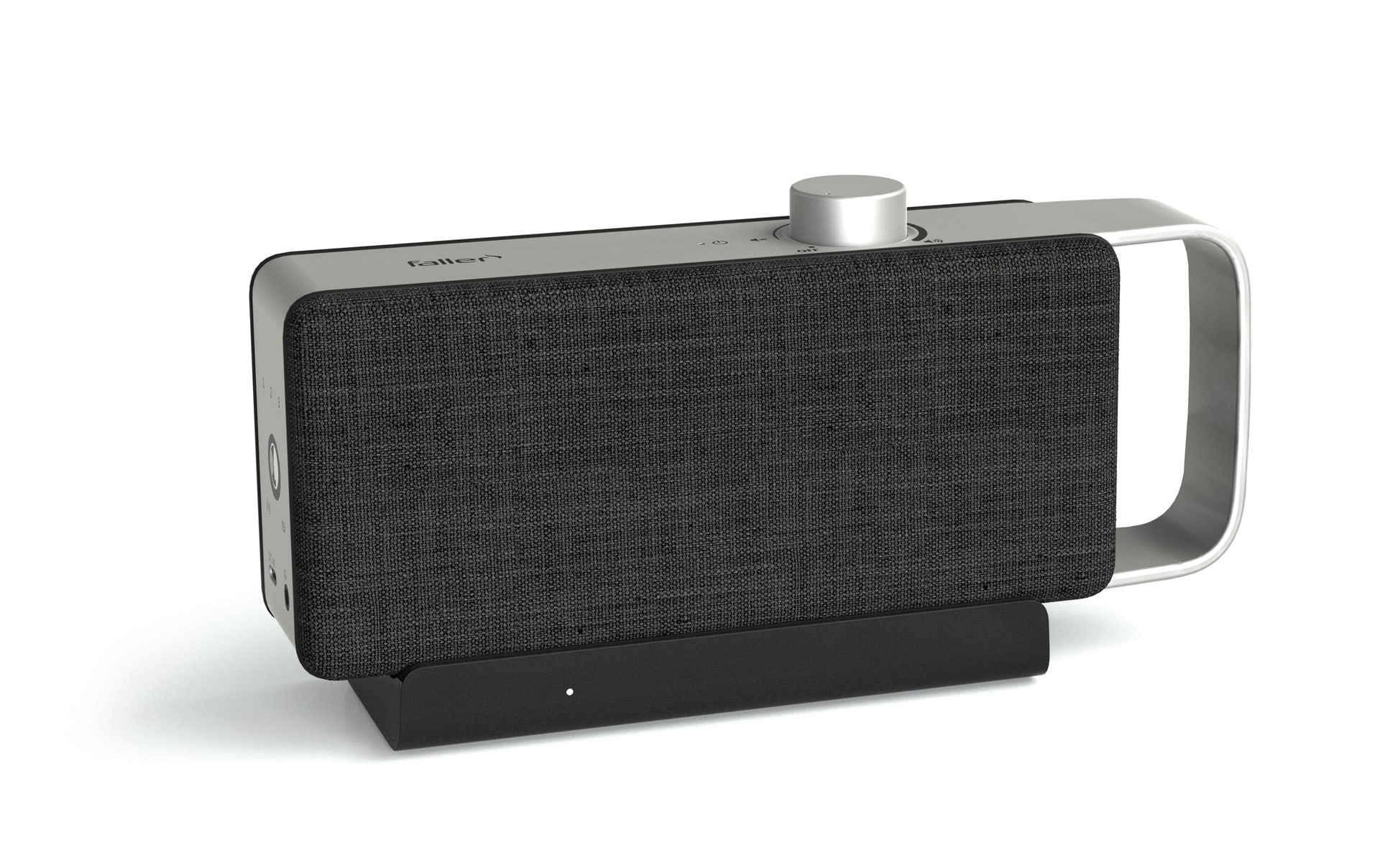
Special TV hearing amplifiers can offer a practical solution here. These devices are designed to improve speech intelligibility in particular. They specifically amplify the frequencies that are important for understanding speech while reducing distracting background noise. This makes watching television enjoyable again despite hearing loss.
The portable speaker is positioned near the listening position and connected to the TV via Bluetooth or cable. Operation is usually simple and intuitive, so even seniors who are not tech-savvy can easily use it. A particular advantage is that everyone can adjust the volume individually without disturbing other people in the room. This makes it possible to watch TV together again, which promotes social participation.
Other technical aids for everyday life
In addition to TV hearing amplifiers, there are numerous other aids that can make everyday life easier. Special telephones for the hard of hearing have volume amplification and clarity functions that make conversations easier to understand. Some models also offer visual signals, such as flashing lights, when a call comes in.
Doorbells and smoke detectors can also be equipped with visual or vibration signals so that important warning signals are not overlooked. Vibration alarm clocks ensure that you are reliably woken up even without an acoustic signal. These aids for the hard of hearing contribute significantly to safety and independence.
Modern smartphones also offer apps that have been specially developed for people with hearing loss. They can convert speech into text, analyze ambient noise, and highlight important signals. Such digital aids expand the possibilities for mastering everyday life independently despite hearing problems.
Positive effects with consistent use
Those who take the step of getting hearing aids and use them regularly can benefit from significant improvements in various areas of their lives. The statistics speak for themselves and show that the effort is worthwhile.
Significant improvement in quality of life
Almost all users—97 percent—confirm that their quality of life has improved significantly thanks to hearing aids. Two-thirds of hearing aid wearers say that their social life has improved. Hearing systems also significantly optimize emotional, professional, and relationship life. Overall satisfaction is impressive: almost 80 percent of users are satisfied with their hearing systems, with satisfaction even higher among users of newer devices.
These positive experiences are confirmed in everyday life. Conversations become more relaxed again, watching TV together is more enjoyable, and social activities can be enjoyed without constant effort. Improved communication has a positive effect on relationships and enables more active participation in social life.
Increased safety and enhanced well-being
Hearing aid users feel safer in urban environments—83 percent confirm this. Being able to hear warning signals such as horns, sirens, or approaching vehicles contributes significantly to road safety. Better hearing also increases safety at home, for example, when recognizing doorbells or alarm sounds.
Wearing the devices also improves mental well-being and performance. At least one-fifth of users report feeling less tired in the evening. This can be explained by the fact that understanding without hearing aids requires considerable cognitive effort, which is eliminated when acoustic information is received clearly and distinctly. Most users confirm that their hearing aids work better or as expected, which meets realistic expectations and strengthens long-term acceptance.
Strategies for improving hearing aid acceptance
The acceptance of hearing aids can be promoted through targeted strategies. Both those affected and those around them can actively contribute to making their use a matter of course.
Open communication about hearing problems
Being open about your hearing loss can make the situation much easier. If those affected inform those around them that they can no longer hear as well, misunderstandings can be avoided. Friends and family can then be considerate, speak more clearly, or reduce background noise.
This openness also takes away the pressure to hide hearing problems. Instead, a constructive dialogue can develop in which solutions are sought together. Wearing a hearing aid thus becomes a natural aid, similar to glasses for poor eyesight.
Develop realistic expectations
It is important for long-term acceptance to have realistic expectations of the hearing aid. A hearing system can significantly improve hearing, but it does not completely restore the original hearing. It takes time to get used to the devices, and not every hearing situation will be perfect right away.
Those who understand that adaptation is a process and celebrate small steps forward will remain motivated. It is helpful to realize that every improvement is valuable and contributes to quality of life. Patience with yourself and the device is crucial.
Consciously perceive experiences of success
It can be very motivating to be aware of the positive changes that hearing aids bring. When you can understand conversations better, when you can relax and watch TV together again, or when you can hear birds singing again—all these little moments are successes that strengthen your acceptance.
Family members can also contribute by acknowledging and appreciating positive changes. If they notice that communication has become easier or that the person affected is participating more actively in social life again, this should be pointed out. Such positive feedback reinforces the motivation to use the hearing aids consistently.
Further articles

Healthy candy alternatives for seniors
For many people, craving sweets is part of everyday life. However, traditional sweets often contain large amounts of sugar and provide

Cooking together in old age
As we get older, our everyday lives change in many ways. The children have left home, our partner may be

Protein-rich nutrition in old age
As we age, our bodies change in many ways, and nutrition plays a crucial role in our health.