HÖRST
Hearing loss and television
August 1, 2025
6 minutes reading time

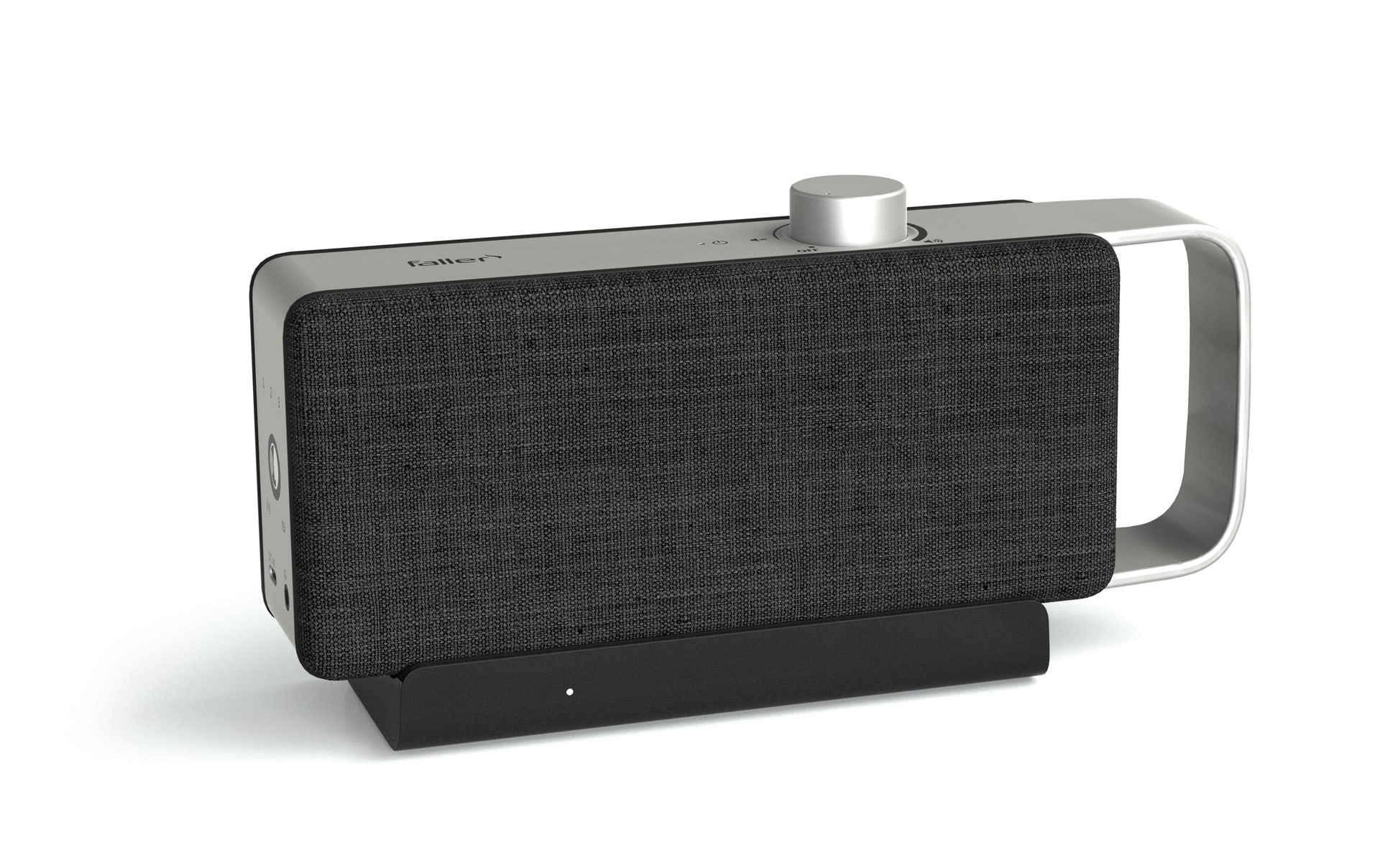
OSKAR
Portable TV voice amplifier
Advertisement
Table of contents
Hear better when watching television
Are you familiar with this scenario: The movie is reaching a dramatic moment, and the hero of the story finally confesses to his beloved that he... but why can't he speak more clearly? It's difficult to understand him from the comfort of your armchair. Then the garbage truck drives by outside on the street—and all the suspense is gone.
Why can't the sound be as clear as if the actors were in the room? Why does everything sound so flat and difficult to distinguish? The days when you instinctively moved closer to the TV when something important happened should be over. And honestly, simply turning up the volume is not the solution. The noise is not enjoyable, and it doesn't make the actors any easier to understand.
If you are one of the 15% of people who suffer from hearing loss, watching television can be a real challenge. But don't worry: we have a few tips for you on how to hear better when watching TV.

Why is the sound on the TV often difficult to understand?
Hearing loss and hearing problems are not always the only factors that affect the TV viewing experience. Modern TV sets, with their slim, space-saving designs, often have small built-in speakers that cannot reproduce TV sound optimally. Dialogue can sound unclear and flat, while music and sounds can be overwhelming.
But the way sound is produced for movies and TV shows has also changed. More sound effects, atmospheres, and special effects are used to create an impressive cinematic experience. The result? You have difficulty understanding the dialogue.
Poor hearing when watching television:
What problems can arise?
If you have hearing loss, watching television can present additional challenges. Here are some of the most common issues:
- Difficulty understanding dialogue when there is background noise
- The need to increase the volume to hear the TV sound, which may be disturbing to others in the house
- Difficulty distinguishing between noises and voices
Hear better when watching television:
These tips can help
- Select the correct volume: First of all, you should check that the volume on the TV is set correctly. This makes it easier to understand and can also prevent listening fatigue.
- Find the right position: To hear better when watching television, you should sit as centrally as possible and at a suitable distance from your TV set. If the TV is too far away, it can quickly become too quiet. If you sit too close, the TV sound can be overwhelming.
- Improve room acoustics: With a few simple tricks, you can improve room acoustics and reduce annoying background noise. For example, close your curtains to absorb sound. Well-placed carpets, for example on tile floors, can achieve the same effect.
- Select the appropriate audio settings: Some televisions offer the option of selecting different modes in the audio settings to adjust the TV sound. These include, for example, "Clear Speech."
- Use technical aids: Technical aids such as the OSKAR TV sound amplifier from faller audio can help you hear better when watching television. With this portable TV speaker, you can take the TV sound with you to wherever you want to listen. Thanks to special speech optimization, it also filters out background noise.
- Turn on subtitles: Many television stations and streaming providers offer subtitles. This allows you to visually support what is being said and understand words that you may not hear.
Hear better while watching TV: with modern technology
There are various solutions, aids, and technologies for the hard of hearing that can help them hear better when watching television. These range from hearing aids to special hearing systems such as TV headphones and TV soundbars.
hearing aids
Many modern hearing aids can be connected directly to your television to transmit sound directly into your ear. This improves the volume of the sounds you hear. However, hearing aids are often designed to amplify speech and ambient noise, which is why speech on television can still be difficult to understand when wearing a hearing aid.
TV headphones
Wireless headphones or chin strap headphones can also be a helpful solution. However, wearing these types of headphones can become uncomfortable, especially during long evenings watching TV. In addition, they usually cannot be used in combination with hearing aids.
TV hearing amplifier
Portable TV hearing amplifiers such as OSKAR help you hear better when watching television. This handy and user-friendly device features special technology that transmits even the quietest sounds to your couch, the next room, or the bathroom as if they were being spoken "live" there. Crystal clear. Background noise is filtered out and voices are optimized. Suddenly, you can understand every word again. Even if you wear a hearing aid.
Proactive measures to support your hearing
If you want to hear better when watching television, you should first check your hearing ability. If you have hearing problems, you should communicate this openly and seek help.
Regular hearing tests
Regular hearing tests with your doctor or hearing care professional are a good way to keep an eye on the condition of your hearing. This allows you to determine whether your hearing loss is worsening and whether your current hearing aids are still adequate, and to take appropriate measures in good time to protect your hearing.
Open communication
Communicate openly about your hearing loss with your family and friends. They can help make your TV viewing experience more enjoyable by, for example, being considerate of the volume or helping you set up hearing aids.
Further articles

Healthy candy alternatives for seniors
For many people, craving sweets is part of everyday life. However, traditional sweets often contain large amounts of sugar and provide

Cooking together in old age
As we get older, our everyday lives change in many ways. The children have left home, our partner may be

Protein-rich nutrition in old age
As we age, our bodies change in many ways, and nutrition plays a crucial role in our health.