HÖRST
Influence of music on hearing
August 7, 2025
7 minutes reading time

OSKAR
Portable TV voice amplifier
Advertisement
Table of contents
Music accompanies many people through their everyday lives—whether through headphones, in the car, or at concerts. But while music can have positive emotional effects, the question arises as to what impact it has on hearing in the long term. Risks arise, especially at high volumes and during prolonged listening, which are often underestimated. This guide highlights the connection between music and hearing from a medical perspective – from the effect on the inner ear to the role of the brain in processing sound.
How music is processed in the ear
The human ear is capable of perceiving an astonishing range of sounds – from quiet background noises to loud sounds at a concert. The sound waves produced by music are first picked up by the outer ear and then sent through the ear canal to the eardrum. There, they make the eardrum vibrate, which in turn activates the ossicles in the middle ear.
The actual conversion process begins in the inner ear: the vibrations are translated into electrical impulses in the cochlea, a spiral-shaped cavity. This is done by specialized hair cells that respond to specific frequencies. The resulting nerve impulses travel via the auditory nerve to the brain, where they are recognized as music, processed, and evaluated emotionally.
The role of volume in music
Volume—measured in decibels—is one of the most important factors when it comes to the impact of music on hearing. Even at around 85 dB, prolonged exposure can damage the inner ear. Live concerts, headphones at full volume, and loud speaker systems can easily reach levels of 100 dB and above.
The danger lies in the fact that the hair cells in the inner ear are sensitive to excessive stress. If they are overstimulated or permanently damaged by loud music, they cannot regenerate. This can lead to temporary or even permanent hearing loss. Teenagers and young adults who regularly listen to loud music are particularly at risk.

Listening to music with headphones – risks and recommendations
Headphones have become an integral part of everyday life. They allow us to enjoy music individually and anywhere. However, their close proximity to the eardrum and the often long listening times increase the risk of hearing damage. In-ear headphones in particular can direct sound very intensely into the ear.
Hearing care professionals and ENT doctors recommend following certain rules when listening to music through headphones:
- The volume should not exceed 60% of the maximum level.
- Take breaks: Your ears need time to rest and recover.
- Noise compensation through noise-canceling technology can help keep the level low.
Music genres and their typical volume profiles
Not every genre of music affects the hearing in the same way. Music genres such as rock, metal, or electronic dance music are often listened to at higher volumes than classical or jazz. At many electronic music concerts or in clubs, the sound level is constantly above the critical limit of 90 dB.
Interestingly, it is not only the volume that is decisive, but also the type of frequencies. Very low or very high frequencies affect the hearing in different ways. Particularly high-pitched sounds put more strain on the inner ear and can contribute to selective hearing loss in certain frequency ranges.
Emotional effect of music on the brain
Music affects not only the ears, but also the brain. Studies show that listening to music activates areas of the limbic system—the regions responsible for emotions. Music can evoke memories, influence moods, and even trigger physical reactions such as goosebumps.
Emotional processing occurs in parallel with acoustic analysis. This means that even if hearing is impaired, an emotional response to music often remains—but perception changes. People with impaired hearing often report that music sounds less clear or detailed, which can also influence emotional response.
Hearing damage caused by loud music – types and symptoms
Anyone who is exposed to loud music over a long period of time risks various forms of hearing damage.
Temporary threshold shift
After a loud concert or intensive use of headphones, temporary hearing loss may occur . This so-called temporary threshold shift manifests itself as muffled hearing or a slight ringing in the ears. In most cases, hearing returns to normal within 24 to 48 hours—provided that the person rests and takes breaks from noise.
Permanent hearing loss
Repeated exposure to noise without protection can lead to permanent hearing loss. This often affects the hair cells in the cochlea, especially those responsible for high frequencies. The loss often begins gradually and is not noticed at first.
Tinnitus and ear noises
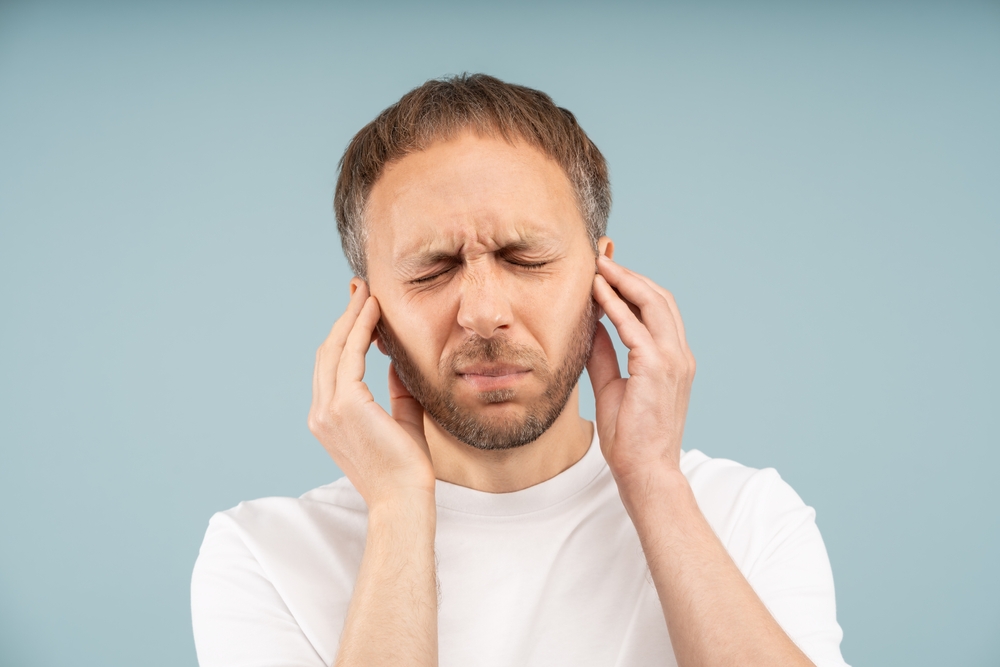
Another possible symptom is persistent ringing in the ears, known as tinnitus. Loud concerts or prolonged exposure to noise can cause a whistling, humming, or rushing sound in the ear that occurs independently of external noise. In many cases, tinnitus is a warning sign of hearing overload.
Prevention – How to protect your hearing when listening to music
The best protection against hearing damage caused by music is to be mindful and moderate in terms of volume and listening time.
- Earplugs at concerts: Modern hearing protection products evenly reduce the volume across all frequency ranges—without significantly compromising the quality of the music.
- Take breaks from listening: The inner ear regenerates during periods of rest. If you listen to music regularly, you should consciously plan quiet times.
Regular hearing tests: Early changes in hearing can be detected by a hearing test—even if no problems are subjectively perceived yet.
Music as a therapeutic tool
Despite the risks associated with incorrect use, music can also have positive effects on hearing. In hearing rehabilitation, for example, music is used specifically to train hearing ability. This applies in particular to people with hearing aids or cochlear implants.
Music therapy helps the brain to correctly classify sound patterns, improve speech comprehension, and strengthen emotional connections to the environment. Here, music is not only used as an acoustic signal, but as a medium that simultaneously addresses cognitive and emotional processes.
The hearing of musicians in a long-term comparison
Musicians, especially professionals, are exposed to particular stress due to their regular activities. Studies show that they have an increased risk of tinnitus and hearing loss compared to the general population—especially in the high-frequency range.
Nevertheless, many musicians also exhibit heightened sensitivity to nuances in sound, which indicates a particularly trained ear and intensive processing in the brain. Conscious management of volume, especially during rehearsals and stage performances, is therefore essential for maintaining hearing ability in the long term.
Conclusion of the body – When music becomes a burden
The impact of music on hearing is a combination of volume, duration, frequency spectrum, and individual sensitivity. The inner ear is sensitive to overstimulation—often insidious and initially unnoticed. Anyone who regularly exposes themselves to intense sounds should take warning signs seriously: for example, a dull feeling in the ears, ringing in the ears, or the feeling that it is harder to understand conversations.
The combination of education, protective measures, and regular monitoring can help you continue to enjoy music as a positive part of your everyday life—without putting your hearing at risk.
Further articles

Healthy candy alternatives for seniors
For many people, craving sweets is part of everyday life. However, traditional sweets often contain large amounts of sugar and provide

Cooking together in old age
As we get older, our everyday lives change in many ways. The children have left home, our partner may be

Protein-rich nutrition in old age
As we age, our bodies change in many ways, and nutrition plays a crucial role in our health.