HÖRST
Hearing damage caused by noise
August 7, 2025
8 minutes reading time
OSKAR
Portable TV voice amplifier
Advertisement
Table of contents
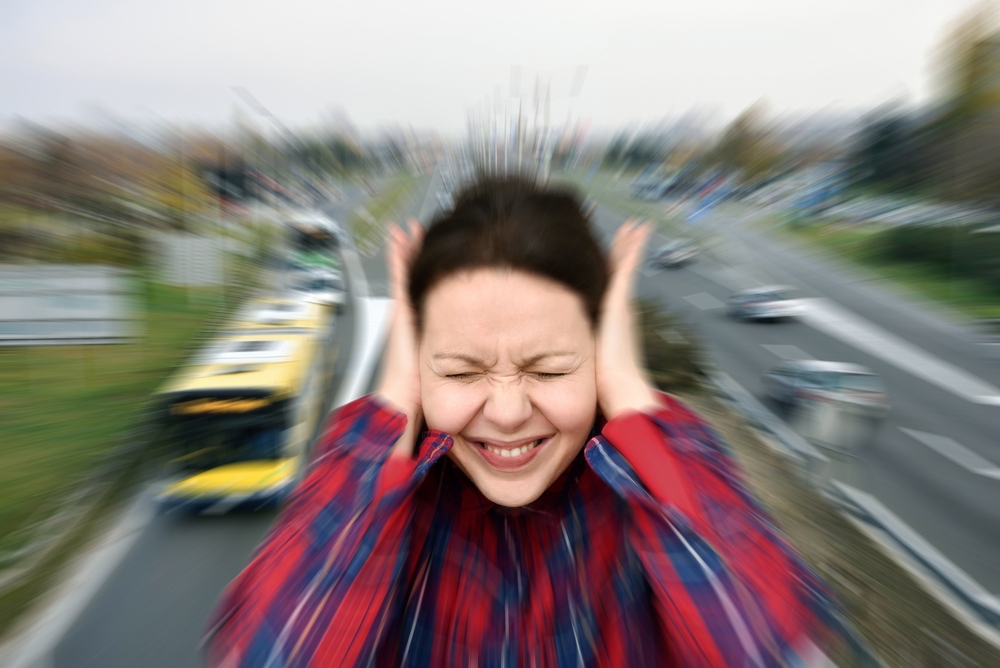
Noise is part of everyday life for many people. Traffic noise, loud appliances, construction sites, and loud music shape our environment. But what is often perceived as merely annoying can have serious health implications. Noise can make you ill —it can damage both your hearing and your entire body. Continuous exposure to noise, even if it is below the pain threshold, acts as a permanent stimulus on the body. It does not matter whether the noise is perceived as pleasant or unpleasant—the decisive factor is the level of exposure.
Chronic exposure to noise can lead to long-term effects such as a weakened immune system, reduced stress resistance, and increased inflammation in the body. Mental illnesses such as depression and sleep disorders are also linked to prolonged exposure to noise. This article highlights the potential consequences of noise pollution, explains why the ear is particularly sensitive, and describes how protective measures can help prevent damage.
What noise triggers in the body
Noise is not just a question of volume, but also of duration and type of exposure. Constant noise activates the stress center in the brain, even if it is not consciously perceived. The result: the body releases increased levels of stress hormones such as adrenaline and cortisol. This reaction is helpful in the short term, but harmful to health in the long term.
In addition to the release of stress hormones, noise also increases heart rate and blood pressure. The body remains in a state of heightened alertness—a kind of permanent alarm state that severely impairs the ability to relax. Recent studies also link prolonged exposure to noise with metabolic disorders such as type 2 diabetes. One possible cause is the disruption of the sleep-wake cycle and chronic overload of the autonomic nervous system.
Constant noise pollution is directly linked to sleep disorders, inner restlessness, irritability, and chronic exhaustion. Especially at night, even low noise levels are enough to impair sleep quality—even if you don't wake up. Your body remains on high alert.

Stress, sleep disorders, and psychological strain
Chronic noise not only promotes physical stress, but also affects the psyche. People who are constantly exposed to high noise levels often report concentration problems, nervousness, and listlessness. Noise can exacerbate depressive moods and increase the risk of anxiety disorders.
In urban areas in particular, the psychological stress caused by noise is an underestimated problem. Those affected often feel permanently tense, irritable, or overwhelmed without recognizing noise as the specific cause. Nighttime noise sources in particular disrupt sleep patterns. They disturb deep sleep phases and cause frequent waking.
Children are particularly sensitive: in noisy environments, they are more likely to exhibit learning and behavioral problems. Even in adults, mental performance has been shown to decline when the acoustic environment is constantly noisy. Mental exhaustion is one of the long-term consequences of inadequate noise protection.
Cardiovascular diseases caused by noise
What many people don't know is that noise can put strain on the heart. The body reacts to constant acoustic stimuli by releasing increased levels of stress hormones, which can lead to a permanent increase in blood pressure and pulse rate. Studies show that people who live in areas with high noise levels have an increased risk of heart attacks and strokes.
Noise triggers physiological stress reactions that have a long-term effect on the cardiovascular system. In addition to increased blood pressure, changes in the structure of the vessel walls have also been detected. The risk of atherosclerosis increases measurably.
Traffic noise, construction sites, and large industrial machinery are particularly stressful. Noise disturbs natural regeneration at night and prevents the circulatory system from recovering sufficiently. This results in chronic cardiovascular stress with long-term damage. People with pre-existing conditions are also at greater risk from noise.
Hearing damage caused by noise – the inner ear suffers first
The ear is a highly sensitive organ that reacts sensitively to constant noise. The delicate hair cells in the inner ear are particularly at risk. Levels above 85 decibels enter the critical zone: anyone who regularly spends time in such a loud environment risks damaging their sensory cells. These cells do not regenerate. Once damaged, they remain permanently impaired.
In addition, the nerve pathways between the inner ear and the brain can also be affected. Signal processing becomes less accurate and understanding speech becomes more difficult. Noise-induced hearing loss is one of the most common occupational diseases in industry, trade, and construction. However, many people are also affected in their leisure time: loud music through headphones, concerts, or DIY work without hearing protection can also damage your hearing.
In addition to hearing loss, tinnitus may also occur—a persistent ringing in the ears that significantly impairs quality of life. In some cases, exposure to noise leads to increased sensitivity to noise, so that even normal everyday sounds are perceived as unpleasant.
Warning signs and initial symptoms of noise-induced hearing loss
The first sign of noise-induced hearing damage is a whistling, hissing, or buzzing sound in the ear. Dull hearing after exposure to loud noise can also be a warning sign. What makes this particularly problematic is that hearing damage usually develops gradually and is not noticed at first.
Typical early signs also include difficulty understanding speech in noisy environments or the feeling that people are speaking unclearly. In such cases, certain frequency ranges are no longer processed clearly. Increasing fatigue after conversations is also an indication of impaired hearing.
Anyone who frequently has to ask people to repeat themselves in conversation, has difficulty hearing soft sounds, or can no longer clearly recognize certain frequencies should have their hearing tested. The earlier the diagnosis, the easier it is to prevent further damage.

Noise in the workplace—an underestimated risk
Many workplaces are associated with increased noise pollution. Machine halls, construction sites, workshops, and production lines often reach sound levels that exceed the permissible limit. In Germany, occupational health and safety regulations stipulate a maximum daily average of 85 decibels—above this level, effective hearing protection must be provided.
However, the actual noise exposure is often underestimated. Noise sources such as pneumatic tools, milling machines, or compressors generate levels of over 90 dB. Without suitable protective measures, the risk of irreversible hearing damage increases with every hour.
Despite legal requirements, noise in the workplace is often neglected. Many employees do not wear their hearing protection consistently or do not undergo regular hearing tests. Yet hearing damage detected early can be treated effectively—with technical aids, but above all with consistent prevention.
Noise protection in everyday life – what really helps
Active noise protection is worthwhile not only at work, but also in your private life. Earplugs or earmuffs are easy to use and significantly reduce noise levels. It is important to choose the right model for the situation: music events, construction sites, and DIY projects all have different requirements.
Technical solutions can also help: quieter household appliances, soundproof windows, or carpets that reduce reverberation in rooms. If you listen to music regularly, you should consciously limit the volume and take breaks from listening.
In addition, living spaces can be designed to be quieter: bedrooms should be located on the side of the house that faces away from noise, noisy rooms should be soundproofed, and windows in noisy areas should only be opened when necessary. Plants and special curtains can also improve room acoustics. It is important to regularly seek out quiet places to give your ears some targeted rest.
How to prevent hearing damage
The best protection against hearing damage caused by noise is prevention. A simple rule of thumb is: the louder the environment, the shorter the duration of exposure. Hearing protection should always be worn during loud activities or events. Children should also be introduced to noise and sound protection at an early age.
Breaks are just as important: the inner ear needs time to regenerate. Anyone who listens to loud music or travels in traffic, for example, should consciously plan quiet times in between. At the first warning signs, it is advisable to see an ENT doctor—a simple hearing test will provide clarity.
In addition, it is advisable to check your individual noise level in everyday life: apps or special devices can help you measure noise. A noise level diary can help you become more aware of noise sources. By reflecting on your listening habits, you can take early countermeasures and actively protect your hearing health.
Further articles

Healthy candy alternatives for seniors
For many people, craving sweets is part of everyday life. However, traditional sweets often contain large amounts of sugar and provide

Cooking together in old age
As we get older, our everyday lives change in many ways. The children have left home, our partner may be

Protein-rich nutrition in old age
As we age, our bodies change in many ways, and nutrition plays a crucial role in our health.