HÖRST
Misophonia – When people hate sounds
August 7, 2025
4 minutes reading time
OSKAR
Portable TV voice amplifier
Advertisement
Table of contents
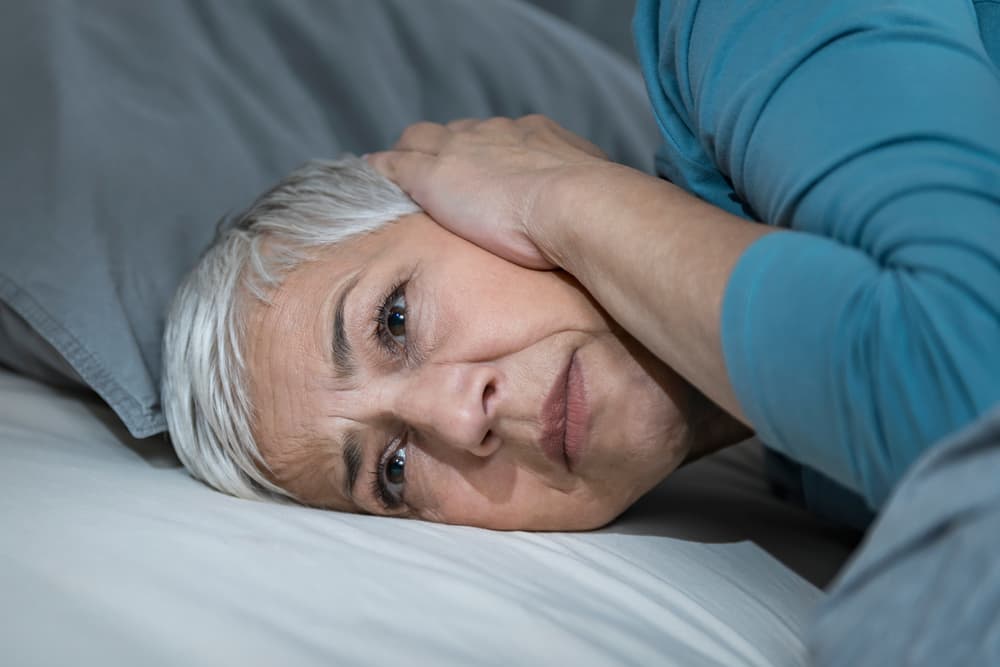
The alarm clock rings, someone bites into an apple, rustles aluminum foil—what most people don't even notice can be pure horror for people with misophonia, because they suffer from a disorder that makes them very sensitive to certain sounds.
It is estimated that up to 15 percent of all adults suffer from misophonia, yet it remains largely unknown. That is why we want to educate you about it below.
What is misophonia?
The term misophonia comes from Greek and roughly means hatred (miso) of sounds (phonia). It refers to hypersensitivity to certain sounds.
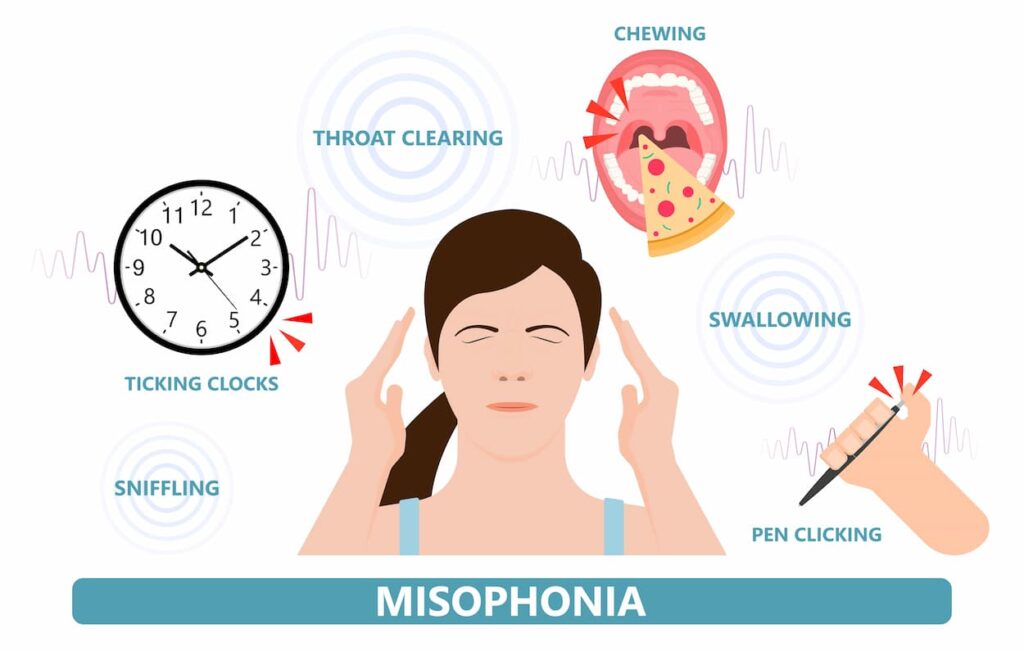
As a rule, the "dreaded" sounds are completely normal everyday noises such as chewing gum, smacking and swallowing, clicking a computer mouse, rubbing noises with certain materials, etc.
These sounds are therefore not harmful to those affected, unlike noise, for example, but they can still trigger extremely unpleasant feelings in some cases. These primarily include fear, disgust, and shame, as well as great discomfort, which in turn often leads to anger or rage. In some cases, people with misophonia even become aggressive when they hear certain sounds.
To outsiders, the symptoms and reactions of those affected are usually disproportionate to the noises. Those affected are often aware of the disproportionate nature of their reactions, which is why they try to avoid situations in which the noises occur.
Symptoms associated with these feelings can sometimes become physical, ranging from nausea and sweating to shortness of breath.
Misophonia, phonophobia, or hyperacusis
Misophonia is also known as "selective sound sensitivity syndrome."
Misophonia should not be confused with phonophobia or hyperacusis. The former is an anxiety disorder, namely the fear of loud noises. Typical examples would be fireworks or loud bells, sirens, alarm systems, etc.
Hyperacusis, on the other hand, refers to a pathological hypersensitivity to sound.
Causes of misophonia
While the causes of phonophobia often lie in specific events or experiences involving loud noises, misophonia is thought to have neurological and psychological causes, or a combination of brain malfunction and behavioral factors. However, this has not yet been sufficiently proven in research. It is therefore very likely that there is not one specific cause, but several, depending on the person or event.
In addition, in many cases it also seems to be crucial who is causing the disruptive noises. Especially at the beginning of this disorder, reactions are often triggered by a specific person, such as a family member or friend.
Triggers of misophonia
The triggers for misophonia, which cause the respective reactions, vary greatly from person to person. They are also called triggers or trigger sounds.
As a study from the Netherlands in 2020 showed, eating noises are among the most common triggers, such as chewing or smacking, swallowing, slurping, etc. In addition, certain breathing, mouth, and throat noises are very distressing for many sufferers. Also high on the list are environmental noises. These include music, machine noise, and telephone ringing, for example.
Treatment for misophonia
Misophonia is a psychological disorder, but it has not yet been officially recognized as a disease. The treatment of misophonia usually depends on the specific symptoms.
Behavioral therapy is often recommended, in which those affected develop various coping strategies. Relaxation techniques can also be helpful, including progressive muscle relaxation, autogenic training, or yoga.
Another therapeutic model is counterconditioning, which attempts to separate the patient's anger from the sound that triggers it by attenuating the sound.
Misophonia is sometimes treated with tinnitus retraining therapy, a form of auditory therapy with behavioral therapy aspects that was originally developed for the treatment of tinnitus.
Last but not least, there are several technical aids that can be used in the treatment of misophonia. These include, for example, various noise-canceling devices such as headphones or earplugs, as well as noise generators or maskers and white noise apps, etc. They can help to attenuate or mask trigger sounds.
For further information on misophonia treatment, it is best to consult your ENT doctor.
Further articles

Healthy candy alternatives for seniors
For many people, craving sweets is part of everyday life. However, traditional sweets often contain large amounts of sugar and provide

Cooking together in old age
As we get older, our everyday lives change in many ways. The children have left home, our partner may be

Protein-rich nutrition in old age
As we age, our bodies change in many ways, and nutrition plays a crucial role in our health.