HÖRST
auditory perception
August 7, 2025
8 minutes reading time

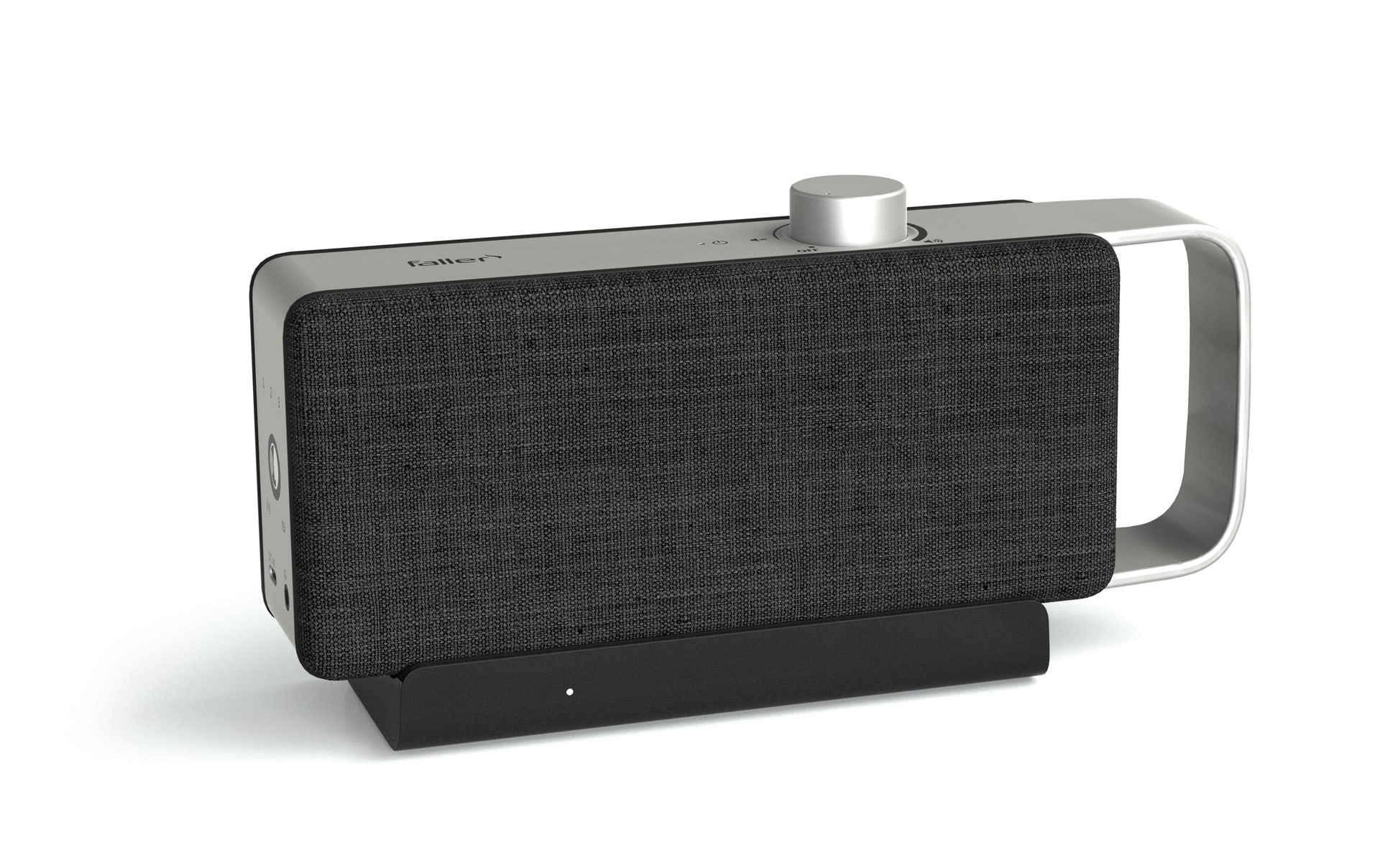
OSKAR
Portable TV voice amplifier
Advertisement
Table of contents
We are constantly surrounded by a multitude of sounds, from the gentle breeze rustling through the trees to the loud noises of city life. But how is it possible to not only hear these sounds, but also understand and interpret them? Here you can learn more about the fascinating topic of auditory perception.
The science behind auditory perception
When we talk about auditory perception, we mean not only the physical ability to perceive sounds, but also the cognitive processing and interpretation of those sounds. Hearing is a complex process that involves both the ear and various areas of the brain.
Auditory perception
This refers to the physical process by which the ear receives sound waves. These waves are converted by the ear into electrical signals and then transmitted to the brain, where they are interpreted as sounds.
perceptual disorder
Although our hearing system is very efficient, interference or malfunctions can occur. Perceptual disorders can manifest themselves in various forms, such as an inability to distinguish between different sound sources or difficulty hearing certain frequencies.
An exciting example of the complexity of auditory perception is the phenomenon of hearing a single voice in a crowded room and focusing on it while other noises fade into the background. This is often referred to asthe "cocktail party effect"and shows how selective and adaptive our auditory perception can be. Below, we delve deeper into the mechanisms that control our auditory perception.
How children hear the world: Insights into children's auditory perception
The way children perceive their environment is fascinating and far more complex than one might initially assume. Their auditory perception in particular is an aspect that can have a significant impact on their learning and social development. Over the years, children not only develop the ability to recognize sounds better, but also to interpret them and put them into context.

The development of auditory perception in children: From the womb to school age
The process of auditory perception in children is ongoing and dynamic. Even in the womb, fetuses are able to hear certain sounds. The best known of these is undoubtedly the ability to recognize the mother's voice, but other sounds such as music or the mother's heartbeat can also be perceived.
After birth, newborns are particularly receptive to high frequencies, which explains why they respond to high-pitched voices or singing lullabies. Over the course of the first months and years of life, their ability to distinguish between different frequencies and sounds improves. This is crucial for language development and communication with their environment.
Perceptual disorders in children: When hearing does not function as expected
Although many children undergo normal auditory perception development, there are some who experience difficulties in this area. These can arise for various reasons, such as genetic factors, birth complications, or early childhood illnesses.
diagnostics
If parents or educators suspect that a child has difficulties with auditory perception or hearing loss in children , it is important to have this checked by an ENT doctor or an audiology specialist. Using special tests and procedures, these professionals can determine whether there is indeed a perception disorder and how severe it is.
perception exercise
Once a diagnosis has been made, there are various therapeutic approaches and exercises to support and improve auditory perception. These can include techniques to improve physical hearing performance as well as strategies for better processing of what is heard.
Understanding auditory perception in children is crucial not only for parents, but also for educators, teachers, and professionals in order to ensure a supportive and nurturing environment for each child's development.

Causes and types of hearing disorders
Hearing disorders are complex and vary greatly in their appearance and cause. In general, these disorders can be divided into two main categories: hearing loss, which involves a loss of hearing, and perception disorders, which involve difficulties in processing sounds. It is important to understand the difference between these two categories in order to initiate appropriate diagnostic measures and therapeutic interventions.
Auditory processing disorder: When the brain has difficulty organizing sounds
Acoustic processing disorder, often referred to as auditory processing disorder (APD), refers to the brain's inability to effectively process and interpret acoustic signals. Those affected often have difficulty understanding complex acoustic environments, such as conversations in noisy rooms. They can physically hear the words, but have difficulty processing the information in a meaningful context.
Imagine that your radio not only plays multiple stations at once, but you also find it difficult to hear a particular station clearly. This can be very frustrating for those affected and impair their ability to communicate effectively or process information in noisy environments.
Hearing loss: When sound cannot find its way
Hearing loss occurs when there are problems transmitting sound waves either through the ear or along the auditory pathway to the brain. The auditory pathway begins in the ear, where sound waves are converted into nerve signals. These signals are then transmitted along the auditory nerve to the brain.
There are various causes of hearing loss, including injury, infection, age-related changes, or genetic factors. Depending on where the problem occurs, hearing loss can be classified as conductive, sensorineural, or mixed.
Conductive hearing lossoccurs when sound waves are not transmitted efficiently through the outer or middle ear. This can be caused by things such as earwax, fluid, or infections.
Sensorineural hearing lossis the result of damage to the inner ear or the auditory nerve itself and can be caused by loud noises, medication, or simply aging.
Mixed hearing loss, as the name suggests, is a combination of the two previous types.
A better understanding of the various hearing disorders and their causes makes it possible to develop targeted therapeutic strategies and help those affected to improve their hearing and communication skills.
Auditory perception: a key to the world
Imagine for a moment a world without sound. A silence so deep that it is not interrupted by conversation, music, or the chirping of birds. What would our lives, our communication, and our interactions be like in such a world? Auditory perception is not just the simple hearing of sounds; it is a complex process that enables us to receive, interpret, and respond to information from our environment.
Hearing is an essential aspect of our experience as human beings. Not only does it enable us to communicate with others and navigate the world, but it also influences how we learn, build relationships, and interact with our environment.
Expanded curriculum for auditory perception: A deeper dive into the world of hearing
While many of us have the privilege of hearing without effort, there are many for whom improved hearing can make all the difference in their daily lives. This can include people who suffer from hearing loss, or those who work in professions where acute hearing is an advantage—think musicians, sound engineers, or even security personnel.
In recent decades, the scientific community has recognized the importance of sharpening our auditory perception, and special programs and methods have been developed to achieve this:
Auditory training sessions
Targeted exercises are used here to improve auditory perception in different environments and under different conditions.
music therapy
Music has proven to be a valuable tool for improving auditory perception. Listening to and creating music can help train the ear in subtle ways while also strengthening cognitive abilities.
Technological aids
Advances in technology have enabled the development of devices that can support hearing perception. These range from hearing aids to specialized apps that help train the ear. SpecialTV hearing amplifierssuch as the OSKAR from faller audio help users to better understand television, especially dialogues and speech.
Mindfulness and meditation
By listening consciously, we can sharpen our auditory perception. Meditation and mindfulness training can help improve our concentration on noises and sounds.
It is important to recognize that hearing is a skill that can be cultivated and improved, similar to training a muscle. Through targeted practice and hearing training , we can broaden and deepen our auditory perception, which can ultimately help us to better understand our environment and navigate it.
Further articles

Healthy candy alternatives for seniors
For many people, craving sweets is part of everyday life. However, traditional sweets often contain large amounts of sugar and provide

Cooking together in old age
As we get older, our everyday lives change in many ways. The children have left home, our partner may be

Protein-rich nutrition in old age
As we age, our bodies change in many ways, and nutrition plays a crucial role in our health.