HÖRST
Hearing loss and depression: A hidden connection
August 8, 2025
5 minutes reading time

OSKAR
Portable TV voice amplifier
Advertisement
Table of contents
Hearing loss and depression are widespread. But did you know that these two health problems can influence each other and, in some cases, even go hand in hand?
You can find out more about this topic and where affected people can find support and treatment below.
Hearing loss and the risk of depression: What research shows
Several studies indicate that people withhearing lossare at increased risk of depression. A longitudinal study found that 30 percent of participants with untreated hearing problems exhibited depression-like symptoms. The far-reaching effects of this impairment, such as social withdrawal and stress, could be the cause.
Social withdrawal due to hearing loss and its consequences
People with hearing loss often withdraw from conversations, social activities, or work —a fact that is easy to understand. Just think about how challenging it must be to follow a conversation when half of the words remain incomprehensible. These constant challenges can cause those affected to develop feelings of isolation and loneliness, which in turn increases the risk of depression. In addition, the constant effort required to understand the flow of communication can cause significant stress and contribute to exhaustion. The long-term effects of this combination of isolation, stress, and exhaustion can place a significant strain on mental health.

Stress, hearing loss, and depression: a vicious cycle
The stress associated with hearing problems is an additional factor that increases the risk of depression. The constant struggle to decipher sounds and conversations creates considerable pressure and can therefore increase the risk of depression. In addition, this constant stress can also impair cognitive performance, which can lead to further frustration and anxiety. The long-term effects of this stress not only worsen mental health, but can also affect the overall well-being and quality of life of those affected.
Link between hearing loss, depression, and dementia
The link between hearing loss, depression, and dementia is a topic of growing importance in medical research. Each of these health problems is a significant burden on its own, but research shows that they are often linked and can reinforce each other. For example, people with hearing loss are more likely to suffer from dementia. The exact causes of this link are not yet fully understood, but research suggests that the strain on the brain from constantly trying to decode sounds may contribute to these conditions.
How hearing aids can help
Hearing aidsand hearing devicescan make a significant difference. Not only do they improve hearing, but they can also help improve quality of life, thereby reducing the risk of depression in people with hearing loss.
Advantages of hearing aids include, for example:
Reduced feeling of isolation:
Improved contact and communication with their surroundings can help hearing aid users feel less isolated, leading to greater participation in social life.
Improved understanding of conversations:
Hearing aids can improve your ability to understand speech, making it easier to communicate and interact with others.
Less stress and effort when listening:
The use of hearing aids can significantly reduce stress and effort when listening by improving acoustic perception and reducing the constant effort required to understand.
Improvement in overall quality of life:
Finally, hearing aids can contribute to improving overall quality of life by enhancing individual independence and enriching the experience of the acoustic environment.
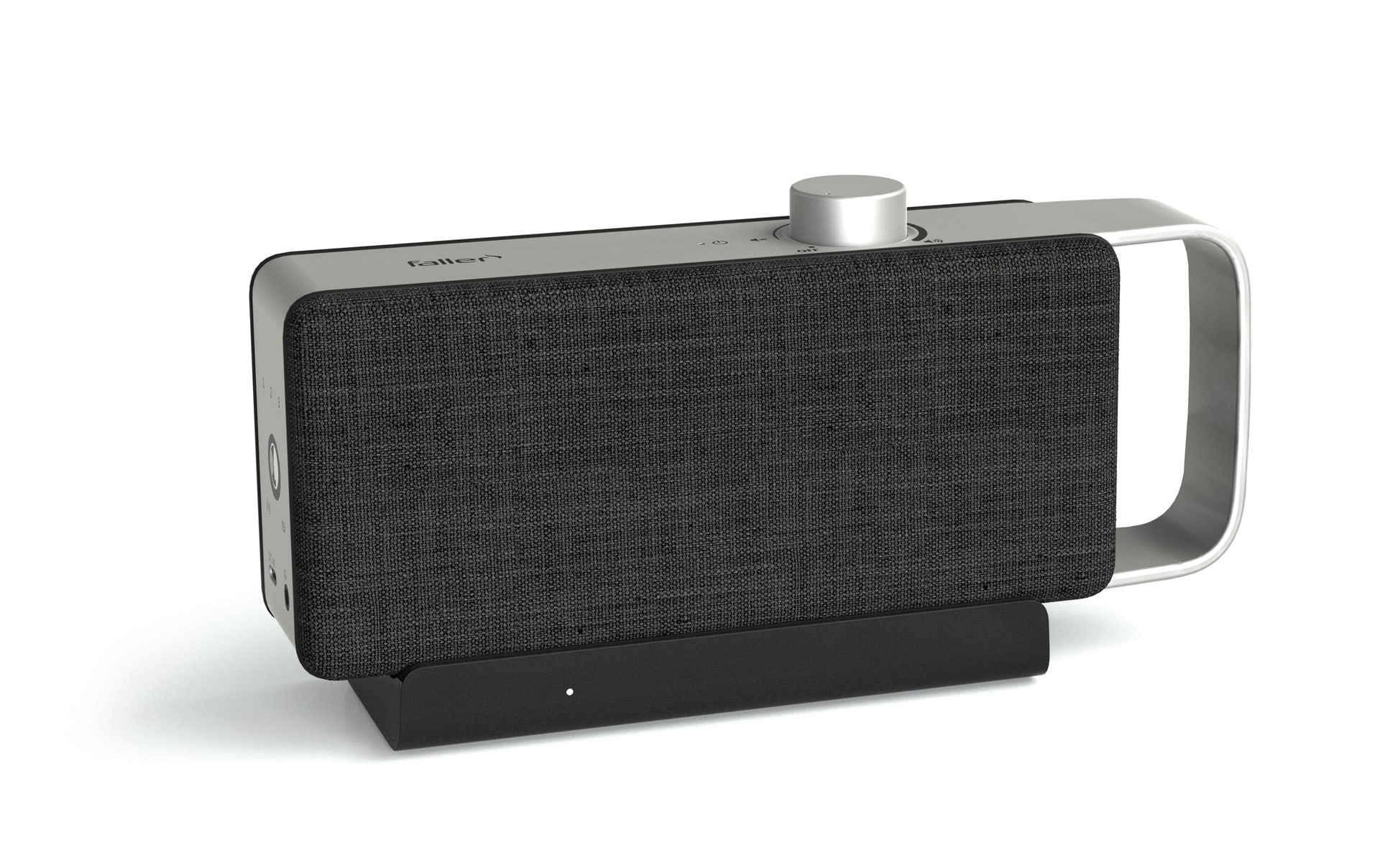
TV hearing amplifierssuch as the OSKAR from faller audio can also help to improve the quality of life for people with hearing problems.
The portable TV hearing aid was specially developed to improve understanding of the sound from the television, particularly speech. This allows those affected to watch TV at a normal volume and together with other people, friends, and family.

Taking the first step: An assessment of your hearing
If you or a loved one is experiencing symptoms of hearing loss and depression, the first step is to schedule an appointment with a hearing care professional or doctor. These professionals can assess your hearing and determine whether hearing aids are a suitable solution for you.
A hearing care professional will assist you in selecting and fitting the most suitable hearing aids, as well as providing long-term care and maintenance.
Recognizing depression and the path to treatment
Depression can often go undiagnosed, especially in older adults. It is important to recognize the symptoms and seek professional help. A psychiatrist or psychologist can help find the right treatment, which includes psychotherapy in addition to medication.
Symptoms of depression can include:
- Persistent sadness or low mood
- Loss of interest or pleasure in activities
- Difficulty sleeping or excessive sleepiness
- Changes in appetite or weight
- Feelings of worthlessness or excessive guilt
- Thoughts of death or suicide
Further articles

Healthy candy alternatives for seniors
For many people, craving sweets is part of everyday life. However, traditional sweets often contain large amounts of sugar and provide

Cooking together in old age
As we get older, our everyday lives change in many ways. The children have left home, our partner may be

Protein-rich nutrition in old age
As we age, our bodies change in many ways, and nutrition plays a crucial role in our health.