HÖRST
Hearing loss and occupation
August 1, 2025
6 minutes reading time

OSKAR
Portable TV voice amplifier
Advertisement
Table of contents
Dealing with hearing impairments in the workplace
Have you ever felt that the sounds and conversations around you sound muffled or distorted? Or that you have to strain to follow your colleagues at work? If so, you may be suffering from hearing loss. In this article, we will address the topic of "hearing loss and work" and explain how those affected can deal with it.
What is hearing loss?
Hearing lossrefers to the partial or complete loss of the ability to hear. It can be caused by various factors, includingaging,noise exposure,disease, injury, or genetic predisposition.
Hearing loss can manifest itself in different ways, such as a general difficulty in understanding speech and sounds, a feeling of ringing in the ears, or an inability to perceive soft sounds. Depending on the severity of the hearing loss,hearing aidsor other assistive listening devices can be used to improvecommunicationand quality of life for those affected. Regular hearing checks and timely access to audiological care are important for detecting hearing loss early and taking appropriate action.

Hearing loss in the workplace: an underestimated occupational disease
Hearing loss is not just a problem associated with old age. It is also a recognized occupational disease, particularly among occupational groups exposed to high levels of noise pollution.
The symptoms of hearing loss can have a negative impact on the quality of life of affected employees. In addition to the obvious difficulties in communicating and understanding instructions, hearing loss can also lead to social isolation and psychological stress. It is therefore important that employers take appropriate measures to ensure the protection of their employees' hearing in the workplace.
Noise pollution and noise-induced hearing loss
Noise-induced hearing loss is a form of hearing damage caused by prolonged exposure to noise in the workplace. Machinery, vehicles, music—all these noises can increase the noise level in decibels and increase the risk of hearing damage. Noise-induced hearing loss is one of the most common occupational diseases and can lead to permanent hearing loss.
Hearing protection in the workplace
Hearing protection is therefore essential to prevent further hearing damage.
It is important for companies to carry out noise measurements in order to determine the exact noise exposure in the workplace and to take appropriate protective measures. These may include, for example, sound barriers, soundproof cabins, or the use of quieter equipment and machines. There are also various types of hearing protection, such as earplugs or earmuffs, which reduce noise levels and protect your hearing.
In addition, regular hearing tests should be carried out for employees in order to detect possible hearing damage at an early stage and take appropriate measures. Raising awareness of the issue of noise pollution and promoting preventive measures help to protect the long-term health of employees.
How can I prevent hearing loss?
There are various ways to prevent hearing loss and protect your hearing health. One of the most important measures is to avoid loud noises and noise whenever possible. Prolonged and repeated exposure to noise can damage the sensitive sensory cells in the inner ear. It is therefore advisable to be aware of situations in which you are exposed to loud noises and to take protective measures if necessary.
The use of hearing protection devices such as earplugs or earmuffs is particularly important when working in noisy environments or in situations where noise levels are high. This protective equipment helps to reduce sound levels and protect the ear from excessive strain.
In addition, it is important to be mindful of your hearing health in everyday life. For example, you should set the volume of music or other audio sources to an appropriate level and avoid setting headphones too loud. A healthy lifestyle that includes protecting your hearing can help prevent hearing loss in the long term.
Support and resources for people with hearing loss
There are many resources and support services available for people with hearing loss. The workers' compensation insurance association, ENT doctors, and hearing care professionals can help you take the right steps.
Support from the employers' liability insurance association
Professional associations are institutions that look after the safety and health of employees. If you suffer from hearing loss due to your occupation, you can receive support from your professional association. These organizations offer specialized consulting services to help employees with hearing loss adapt their workplace and provide appropriate hearing protection devices.
By assessing the work environment and implementing targeted noise reduction measures, the employers' liability insurance association can help minimize the risk of further hearing damage and ensure a safe working environment. In addition, they can also provide information about rehabilitation and compensation options to help employees with hearing loss cope with the challenges they face.
Help from ENT doctors and hearing care professionals
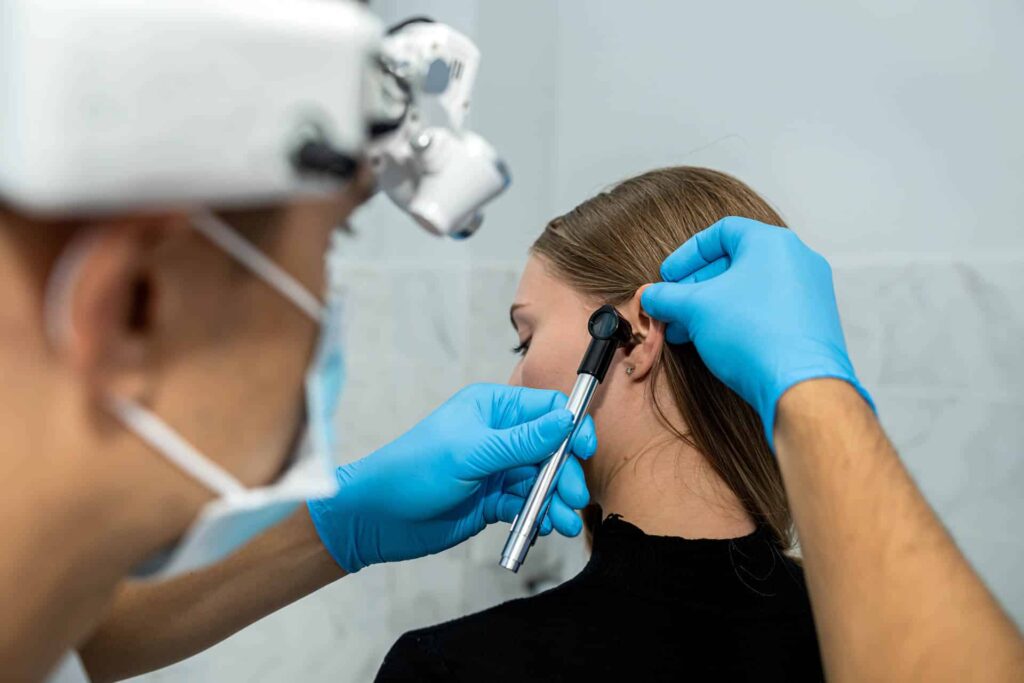
ENT doctors and audiologists are specialists who focus on diagnosing, treating, and supporting people with hearing loss. If you notice signs of hearing loss, it is advisable to make an appointment with an ENT doctor. These doctors can perform a comprehensive audiological examination to determine the degree and cause of your hearing loss. Based on the results, they can recommend treatment options, which may include fitting you with hearing aids.
Hearing care professionals are experts in hearing aids and hearing assistance devices. Following a medical diagnosis, a hearing care professional can select and fit the right hearing aids to help you restore or improve your hearing. They will also assist you in selecting hearing protection products and accessories. In addition, they often offer individual adjustments and regular check-ups to ensure that the hearing aids are working optimally and meet your specific needs.
Further articles

Healthy candy alternatives for seniors
For many people, craving sweets is part of everyday life. However, traditional sweets often contain large amounts of sugar and provide

Cooking together in old age
As we get older, our everyday lives change in many ways. The children have left home, our partner may be

Protein-rich nutrition in old age
As we age, our bodies change in many ways, and nutrition plays a crucial role in our health.