HÖRST
Sudden hearing loss: What to do in case of sudden hearing loss?
July 30, 2025
6 minutes reading time
OSKAR
Portable TV voice amplifier
Advertisement
Table of contents
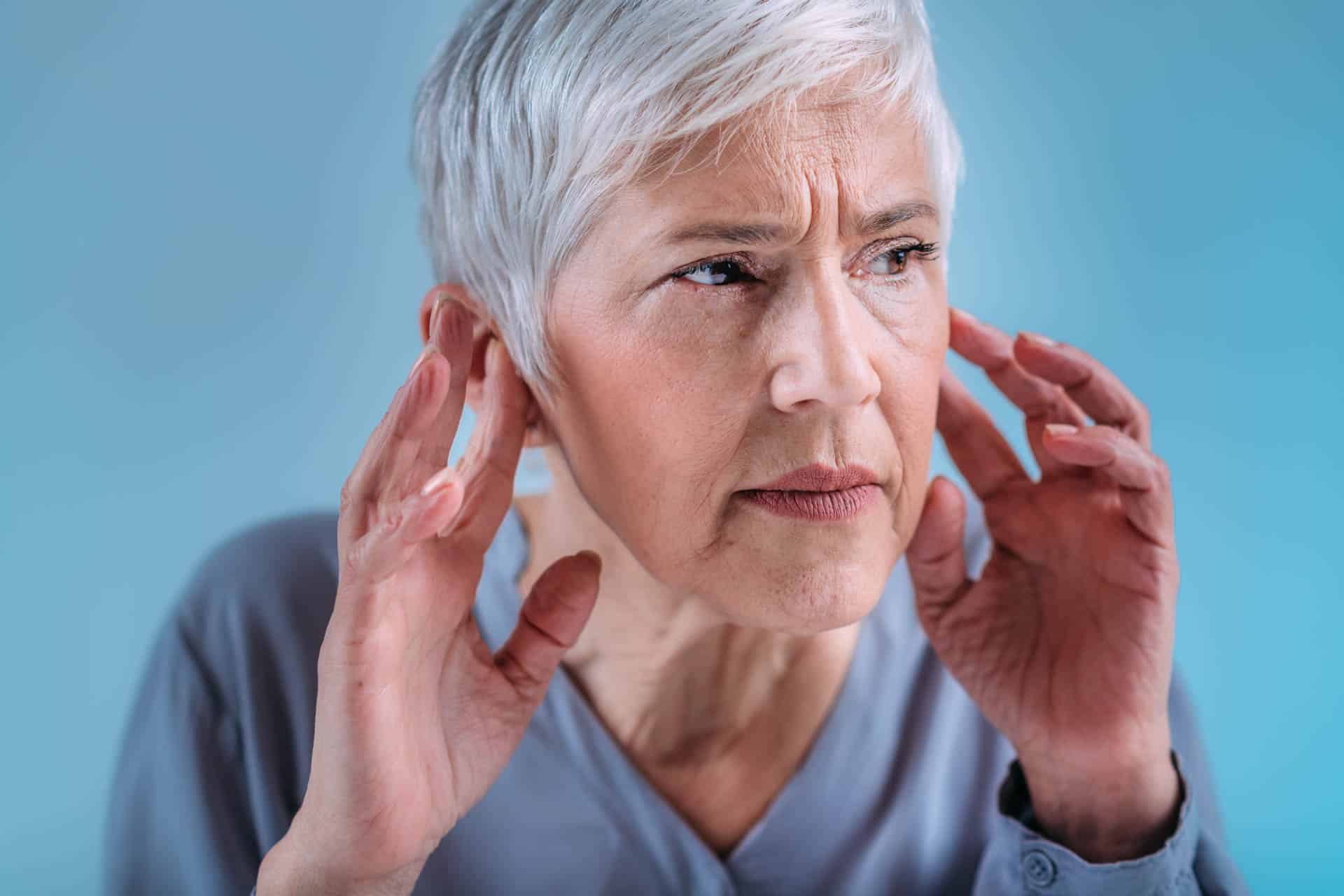
Ifyour hearingsuddenly deteriorates, if you unexpectedly experience hearing problems or evenhearing loss, sudden hearing loss may be the cause. Ringing in the ears or unpleasant pressure can be the first signs and should therefore always be taken seriously to prevent permanent damage to your hearing.
In the following, we will therefore take a closer look at this topic and clarify questions such as how sudden hearing loss occurs, what the causes of sudden hearing loss can be, and what you can do if you are affected.
What is sudden hearing loss?
Sudden hearing loss is the sudden onset of sensorineural hearing loss. It causes hearing problems (inner ear hearing loss) or hearing loss, usually without any obvious cause such as illness or noise. It is therefore also referred to as an ear infarction. In most cases, the problems occur on one side, i.e., in one ear. While some people hardly notice the sudden hearing loss, others have noticeable symptoms.
Recognizing sudden hearing loss: How can I tell if I have sudden hearing loss?
In many cases, sudden hearing loss occurs very suddenly. It comes unexpectedly and begins with a ringing in the ears (tinnitus). This is usually followed by hearing impairment or, in severe cases, hearing loss. Often, certain pitch ranges, i.e., either low, mid, or high tones, become more difficult to hear. A distinction is therefore made between low-frequency hearing loss, mid-frequency hearing loss, and high-frequency hearing loss.
Other possible symptoms of sudden hearing loss include:
- a dull feeling in the ear
- a feeling of ear congestion ("cotton wool in the ear")
- Voices, television, music, etc. sound strange
- Tinnitus or other noises in the ear
- Dizziness or balance problems
- Rare: accompanying earache
Sudden hearing loss can occur at any age, affecting both women and men equally. However, it is most common around the age of 50. Children very rarely suffer from sudden hearing loss.
For many people who experience sudden hearing loss, the symptoms subside after a few hours or days and disappear. Nevertheless, if you recognize the symptoms, you should consult an ear, nose, and throat doctor for further clarification.
What causes sudden hearing loss?
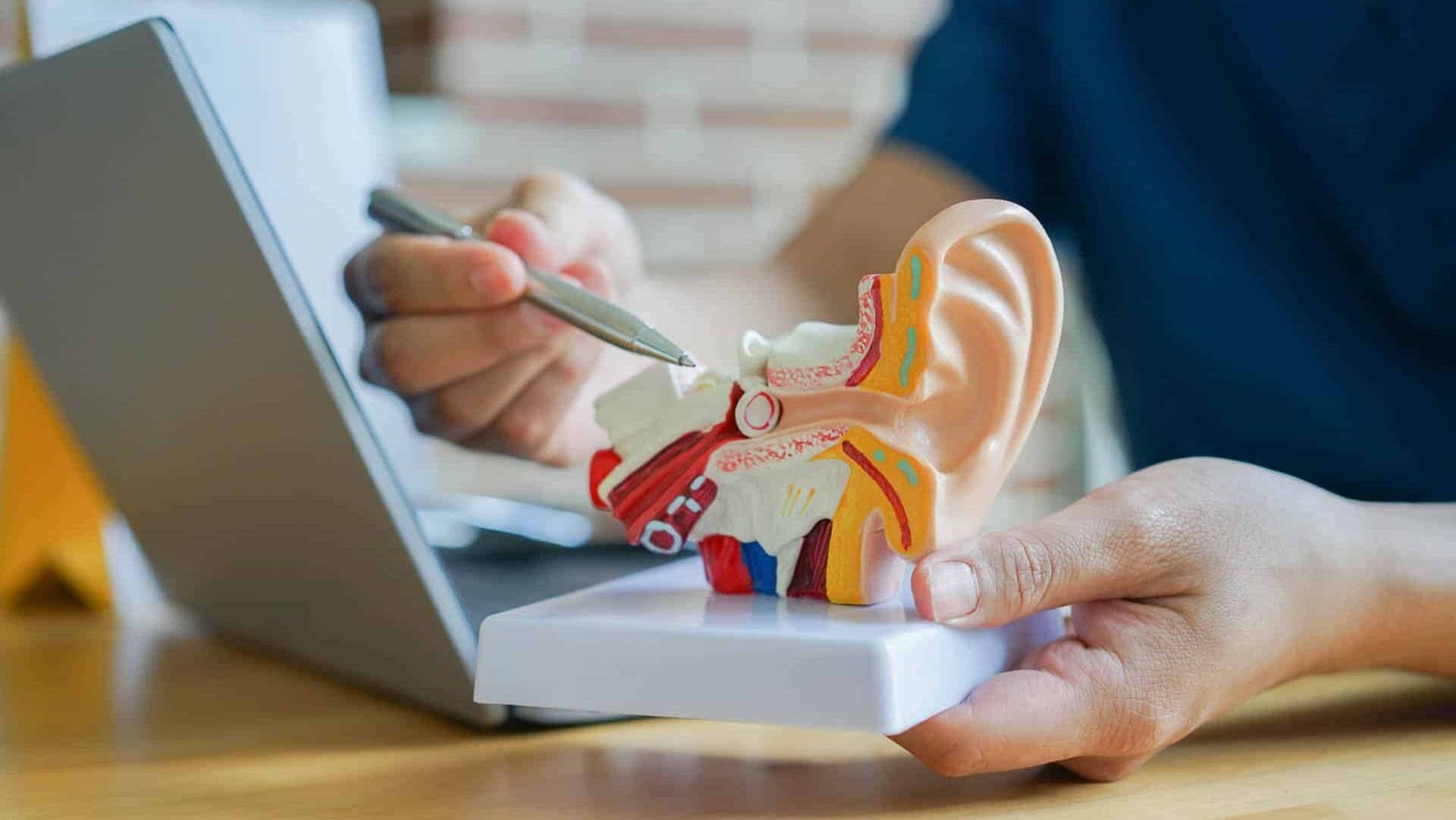
Sudden hearing loss is a form of sudden inner ear hearing impairment. The causes are often unclear. Factors that are considered possible triggers in medicine and research include stress, viral infections, and circulatory disorders in the inner ear. Other possible causes of sudden hearing loss include autoimmune diseases, conditions such as Ménière's disease (episodic vertigo), andnoise trauma.
Sudden hearing loss is not always the reason for a sudden deterioration in hearing. Earwax in the ear canal can also cause a muffled sound in the ear. An ear, nose, and throat doctor can easily determine the cause by performing an examination.
Sudden hearing loss diagnosis:
Sudden hearing loss is not a medical emergency, but you should consult a doctor if you experience the typical symptoms in order to receive a prompt diagnosis and appropriate treatment. This is important in order to prevent long-term damage such as hearing loss.
Through a series of tests and by ruling out other conditions, the ENT specialist can determine whether it is a case of sudden hearing loss.
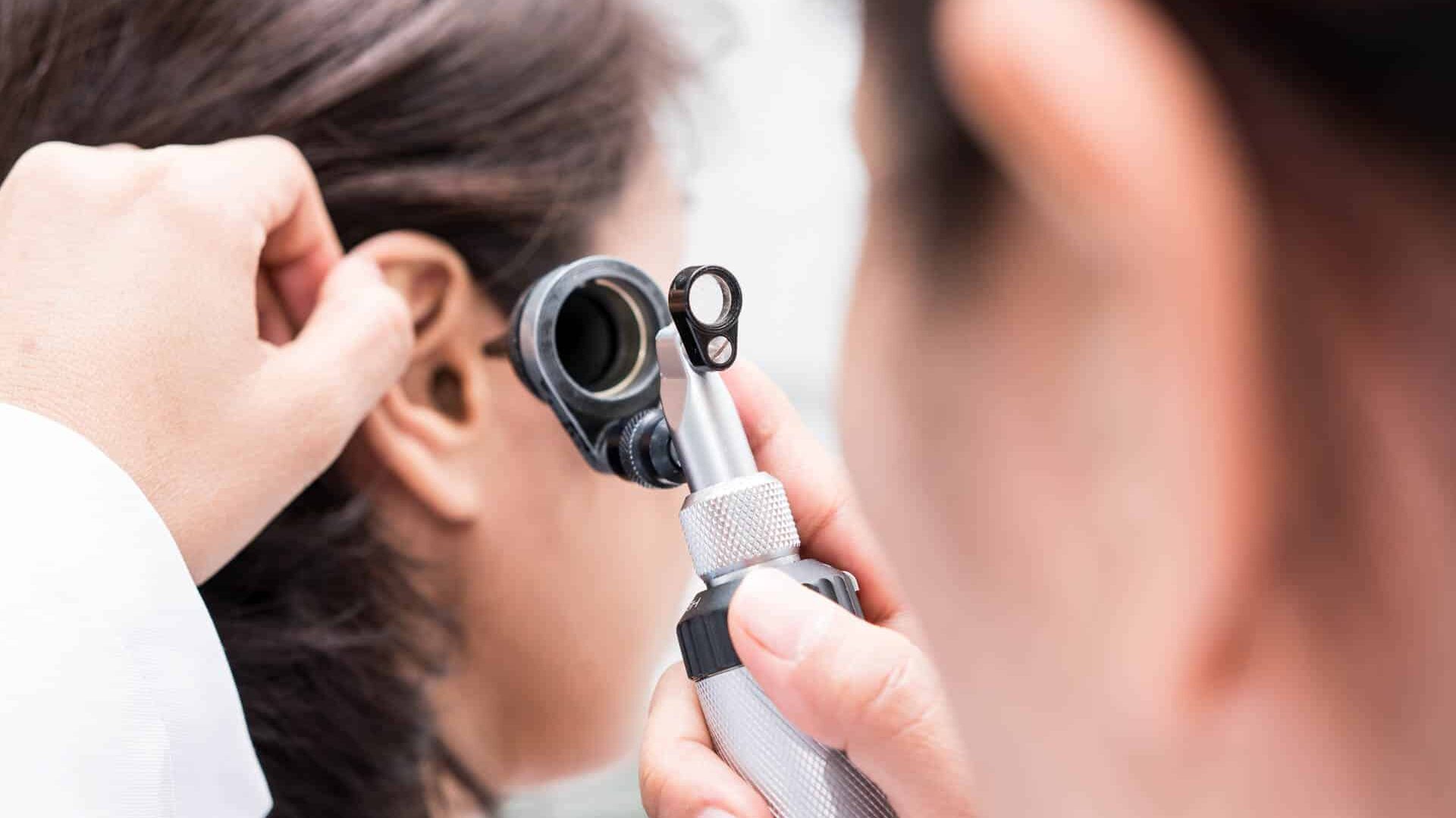
During the medical history, your doctor will ask you about symptoms, possible illnesses, and your lifestyle. This will be followed by a thorough examination of your ears. This allows other causes of hearing loss, such as earwax, to be ruled out.
An otoscopy or ear examination provides information about the health of your external auditory canal and eardrum. Tympanometry can also be helpful. This examination assesses the condition of your middle ear, specifically the mobility of the eardrum, as well as the tympanic cavity (tympanum) and the ossicles.
Hearing tests can be helpful in further investigations as part of the diagnosis of sudden hearing loss.
To rule out possible infections and inflammation as the cause of hearing loss, your doctor may take a blood sample for testing.
If hearing loss occurs suddenly and has no apparent cause, the diagnosis is usually sudden hearing loss.
How long does sudden hearing loss last?
The duration of sudden hearing loss and its symptoms can vary depending on the severity and cause.
In many cases, improvement occurs within 24 hours. The symptoms disappear on their own. However, complete recovery can take significantly longer, up to 14 days, provided you receive the right treatment. As with many other conditions, the same applies to sudden hearing loss: the sooner you see a doctor and start treatment, the better your chances of recovery and the shorter the duration of treatment.
How is sudden hearing loss treated?
The treatment of sudden hearing loss usually depends on the diagnosis made by an ENT doctor and the specific causes. The doctor decides which treatment method offers the best chances of recovery.
Treatment often involves high doses of glucocorticoids, which include cortisone. Cortisone tablets are intended to alleviate the symptoms of sudden hearing loss and support healing.
If there is no improvement in symptoms despite treatment and permanent hearing loss or inner ear hearing loss occurs, the use of hearing aids or electronic hearing prostheses such as cochlear implants is often necessary.
Preventing sudden hearing loss: Prevention
Even though sudden hearing loss cannot be directly prevented, there are a few recommendations that can help reduce the risk:
- Reduce stress in your everyday life: Stressis often diagnosed as the cause of sudden hearing loss. Therefore, make sure you get enough relaxation and breaks in your everyday life, as well as enough sleep. Regular exercise can also help. Your hearing will thank you for it!
- Avoid noise: Loudmusic, street noise, noise at work, etc. can damage your hearing. Hearing protection can help.
- Eat healthily: Ahealthy lifestyle and a healthy diet are the basis for a healthy body. This also applies to your ears.
- Get regular checkups:Regular checkups and hearing tests help to detect potential diseases and hearing problems at an early stage.
Further articles

Healthy candy alternatives for seniors
For many people, craving sweets is part of everyday life. However, traditional sweets often contain large amounts of sugar and provide

Cooking together in old age
As we get older, our everyday lives change in many ways. The children have left home, our partner may be

Protein-rich nutrition in old age
As we age, our bodies change in many ways, and nutrition plays a crucial role in our health.