HÖRST
Background music on the TV too loud
August 4, 2025
6 minutes reading time
OSKAR
Portable TV voice amplifier
Advertisement
Table of contents
When the music on TV gets too loud and drowns out the dialogue, it's not only annoying, it also detracts from the overall viewing experience. In this article, you'll learn why the volume sometimes gets out of balance, what technical causes are behind it, and how you can solve the problem so you can enjoy your favorite shows and movies without interruption again.
The causes: Why is the music too loud when watching television?
One reason for excessive noise often lies in the technology of the television set and the speakers used. Modern devices and home theater systems offer impressive soundscapes, but unfortunately they often cannot guarantee the same clarity in speech reproduction as they do with music. Noise differences can be particularly noticeable in more complex channels that mix music and speech. These differences are often caused by the way the sound is mixed, whether in a film, series, or program. Volume controls within the soundtrack (such as dynamic range or effect intensity) can play a role here.
The role of speakers and audio settings
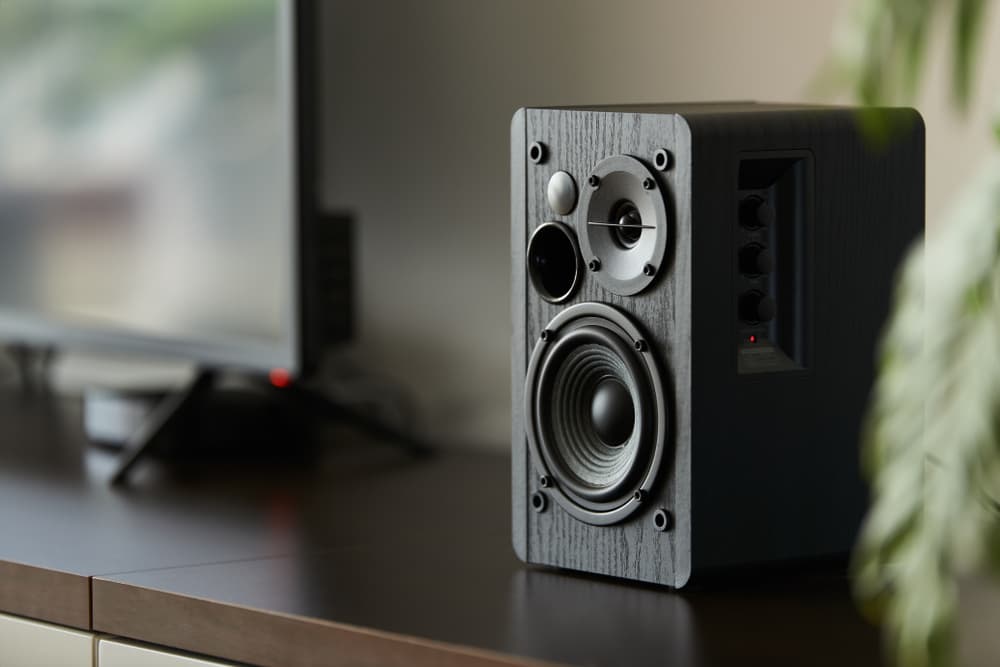
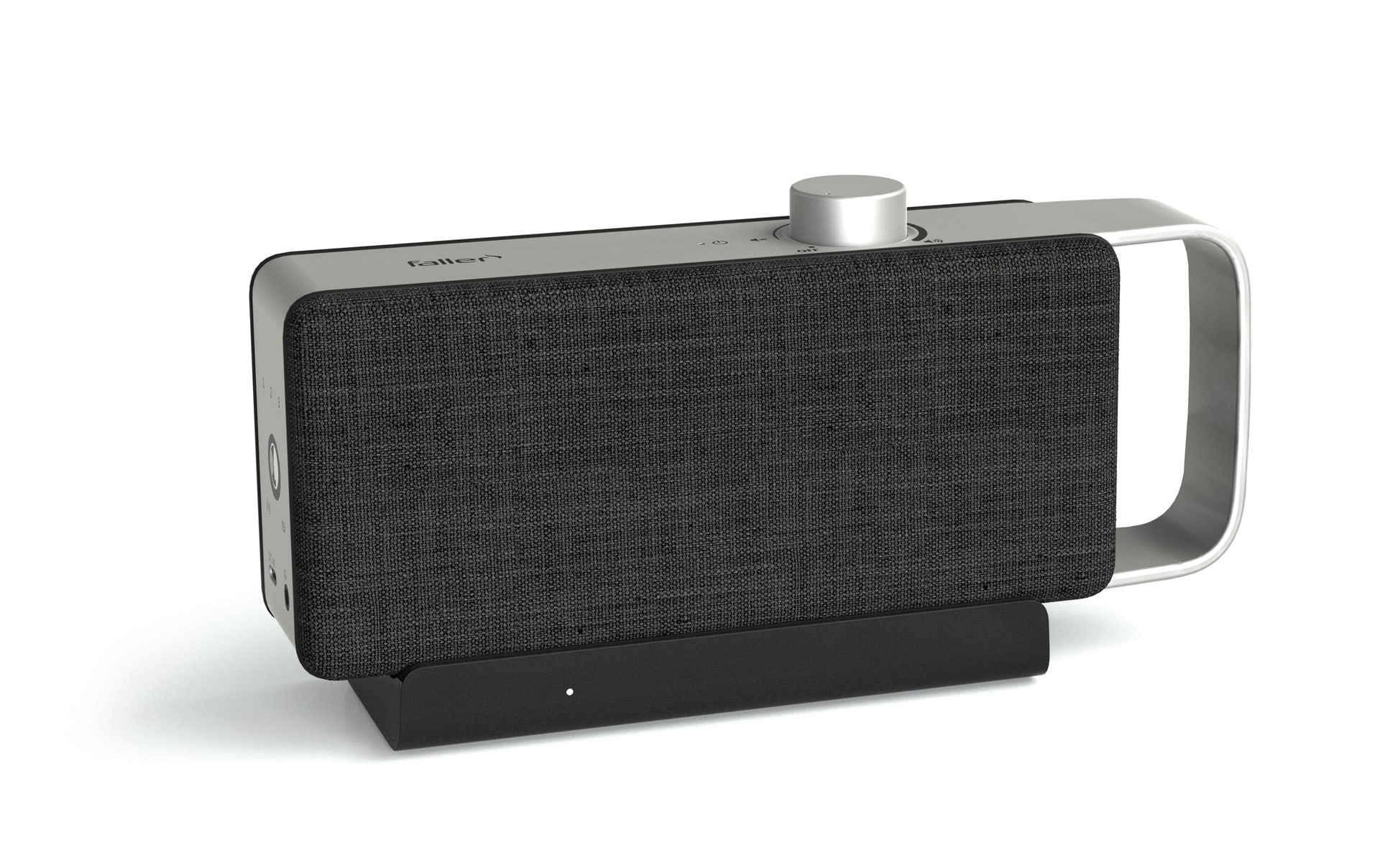
Another technical factor contributing to the problem of "music too loud" can be the type of speaker system used. TVs with built-in speakers are often used, but these are not always ideal for sound quality. Especially in loud scenes or action sequences where noise and music play a greater role, the noise can drown out the dialogue. External TV speakers, which are used to improve sound quality, can also cause this problem if they are not correctly optimized to the desired settings. A TV voice amplifier may also be the right choice to improve speech intelligibility.
The importance of sound mixing in film and television
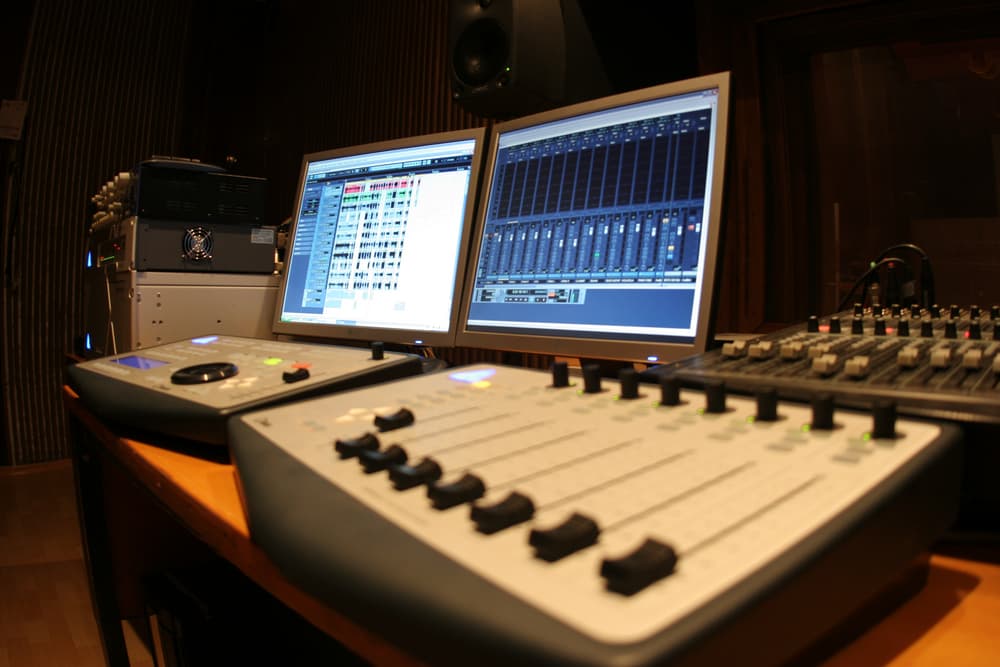
Another problem is the way sound is mixed in films and TV series. In dramatic scenes, a lot of emphasis is often placed on the music to increase the tension, while the dialogue recedes into the background. This can make the speech difficult to understand. The mix between sound effects and speech is not always optimally balanced, which impairs the intelligibility of the dialogue.
The effects of loud music
The biggest problem with music that is too loud is that it makes speech less intelligible. If the noise is so loud that it drowns out the dialogue, the TV viewing experience quickly becomes frustrating. Older viewers or people with hearing problems in particular may have difficulty understanding the content of the program or film. This not only leads to a negative TV experience, but can also cause further hearing problems as people try to turn up the volume even more, which in turn distorts the sound.
Poor speech intelligibility and its consequences
Another problem arises when the music in a film or program is too loud, but the dialogue remains barely audible. In such cases, viewers cannot fully follow the plot and thus lose the emotion and essence of the scene. This can lead to misunderstandings and an overall unsatisfactory experience, especially in the case of dialogues that are important to the plot. Not only is this a source of frustration, but it can also make the film seem less intense.
Solutions: What to do when the music is too loud?
The simplest solution to the problem of "music too loud" is to adjust the volume. Many modern televisions and home theater systems allow you to adjust the volume of music and speech separately. Make sure you set the speech volume so that it is clear and distinct, so that the dialogue can be easily understood even in scenes with loud music. If there are loud noises that are distracting, you can also use the remote control to switch between the volume settings for music and speech.
Using sound modes and external TV speaker settings
Many televisions and external TV speakers offer different sound modes that are optimized for different uses. If your music is too loud, it may help to adjust the sound mode so that dialogue is emphasized more. The speech mode often ensures that dialogue is clearer and more understandable, while noise and background sounds fade into the background.
The use of subtitles to improve comprehensibility
A simple but very effective solution is to use subtitles. Not only do they help improve comprehension, but they also make it easier to follow the plot when the music drowns out the dialogue. Subtitles are a valuable addition to most movies and series, allowing you to enhance your viewing experience without turning up the volume.
Adjusting the TV voice amplifier settings
If you use a TV voice amplifier, you should ensure that it is optimally adjusted. Many TV voice amplifiers have a speech clarity function that aims to make dialogue clearer and more understandable without completely muffling the music. Try out different settings to find out what works best for you and adjust the volume so that even quiet scenes are clearly understandable.

Why is the problem of music being too loud when watching television particularly important for older people?
For people with hearing loss or hearing impairment, the problem of loud music when watching television can be particularly serious. These individuals often find it more difficult to understand speech when loud music is playing, which significantly limits their television viewing experience. In such cases, it is even more important to adjust the volume correctly and use aids such as hearing aids or external TV speakers, which offer better sound quality and speech clarity.
The role of hearing aids and technical aids in improving sound quality
Hearing aids and special sound enhancement technology are a great help for people with hearing loss. They allow you to hear speech in films or TV series more clearly and distinctly, while noise and music are not drowned out as much. Some modern hearing aids even offer direct connection to televisions, allowing you to adjust the volume to suit your needs.
Further articles

Healthy candy alternatives for seniors
For many people, craving sweets is part of everyday life. However, traditional sweets often contain large amounts of sugar and provide

Cooking together in old age
As we get older, our everyday lives change in many ways. The children have left home, our partner may be

Protein-rich nutrition in old age
As we age, our bodies change in many ways, and nutrition plays a crucial role in our health.