HÖRST
Hearing loss in everyday life
October 13, 2025
13 minutes reading time

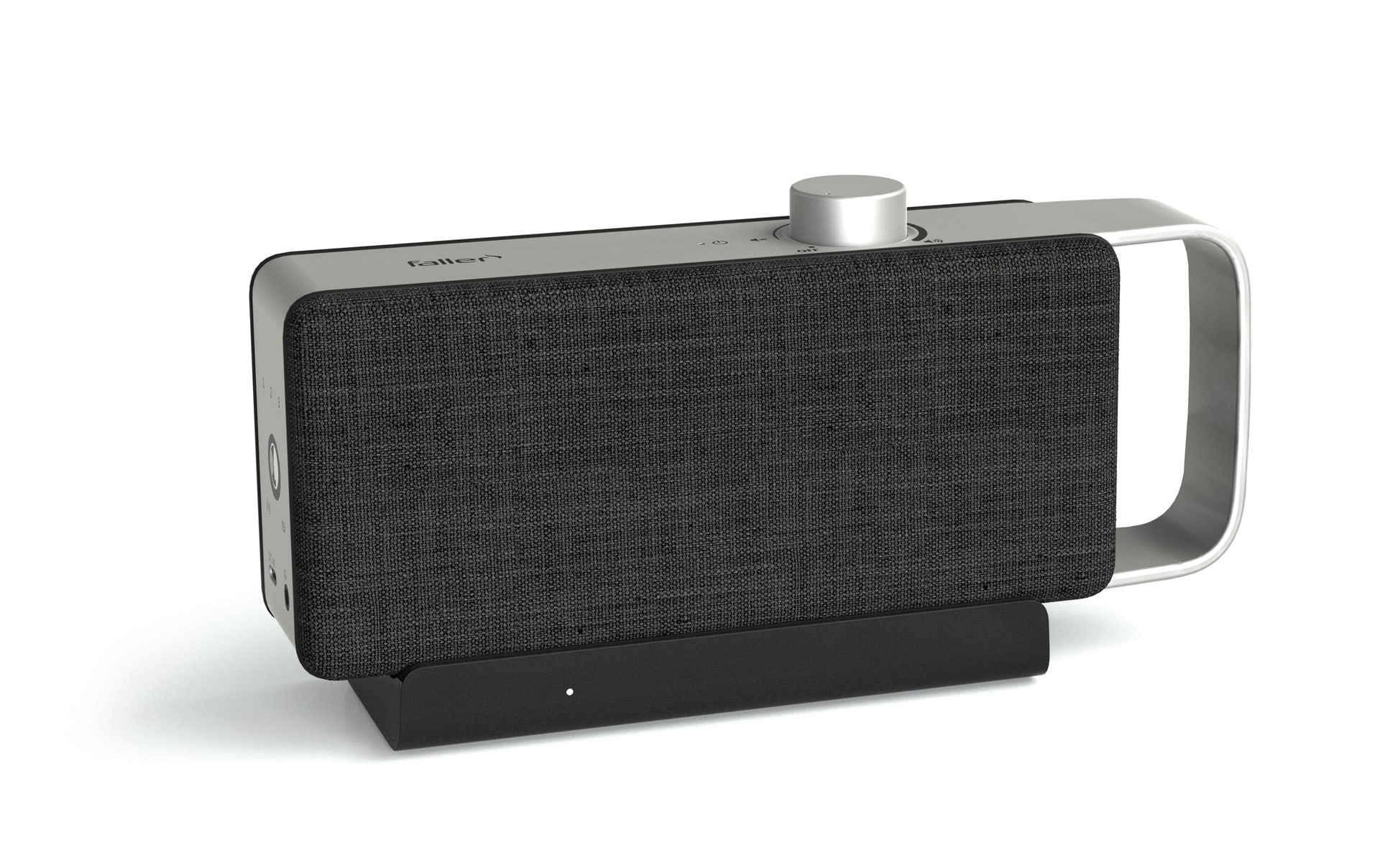
OSKAR
Portable TV voice amplifier
Advertisement
Table of contents
Millions of people in Germany live with hearing loss and face special challenges every day. From communication problems to social isolation and safety risks, the effects of hearing loss on everyday life are manifold. This guide shows how those affected and their families can successfully overcome these challenges.
The most important information in brief
- Hearing loss affects around 16 million people in Germany and can have various causes.
- Early signs include frequent requests, increased TV volume, and difficulty in noisy environments.
- The effects range from communication problems to psychological stress and social isolation.
- Practical strategies and tools can significantly improve quality of life.
- Family members play an important role in supporting people with hearing loss.
- Professional help from ENT doctors and hearing care professionals is essential for the right treatment.
What is hearing loss?
Hearing impairment refers to a functional disorder or partial to complete loss of hearing. While people with hearing impairment still have some residual hearing, deaf people hear little or nothing at all. The degree of hearing impairment is medically determined using audiometric procedures and classified according to the World Health Organization (WHO) classification. The WHO distinguishes between different degrees of severity: no hearing impairment up to 25 decibels of hearing loss, mild hearing loss between 26 and 40 decibels, moderate hearing loss between 41 and 60 decibels, severe hearing loss between 61 and 80 decibels, and profound hearing loss bordering on deafness from 81 decibels. This classification helps medical professionals determine the right treatment.Different types of hearing loss
Understanding the different types of hearing loss is important in order to better classify the individual challenges in everyday life. Medical professionals mainly distinguish between three main types.conductive hearing loss
Conductive hearing loss occurs when the transmission of sound from the outer ear to the inner ear is impaired. This can be caused by blockages due to earwax, middle ear infections, perforations of the eardrum, or damage to the ossicles. This type of hearing loss can often be treated medically or surgically.conductive hearing loss
Sensorineural hearing loss is caused by damage to the inner ear, auditory nerve, or auditory pathway. Common causes include aging, noise damage, infections, or genetic factors. This type of hearing loss is usually irreversible, but can be compensated for with hearing aids or cochlear implants.Combined hearing loss
Combined hearing loss involves both conductive and sensorineural components. This makes treatment more complex, as both aspects must be taken into account. In addition, there are special forms such as sensorineural hearing loss, where the problem lies in the brain and there are auditory processing and perception disorders, as well as rare conditions such as Usher syndrome or Meniere's disease.Recognizing hearing loss in everyday life
Early detection of hearing loss is crucial for successful treatment and maintaining quality of life. Often, family members notice the first signs of hearing loss before those affected themselves.Typical signs in affected individuals
Difficulties following conversations, especially in meetings, on the phone, or in noisy environments, are often the first warning signs. Those affected ask questions more frequently or ask for things to be repeated. They confuse similar-sounding words or give seemingly unrelated answers. A clear indication is turning up the volume of the TV, radio, or phone to a level that is uncomfortable for others. At the same time, those affected often perceive their own speech as louder. High frequencies such as birdsong, crickets chirping, or children screaming are no longer perceived. Other symptoms may include tinnitus or the perception of certain noises as unpleasantly loud. Those affected do not respond when spoken to from behind or outside their field of vision and show signs of fatigue, stress, or irritability after conversations.Observations by relatives
Friends and family are often the first to notice when a person's hearing habits change. People with hearing loss tend to turn their "good" ear toward the person they are talking to. They increasingly withdraw from social activities and conversations and have Difficulties with background noise, following the voices of several people at the same time. It is also noticeable when those affected pretend to understand and just nod or smile without really participating in the conversation. These observations should prompt a hearing test.Effects of hearing loss on everyday life
The consequences of hearing loss go far beyond simply not being able to hear and affect almost all areas of life. The constant effort required to understand what is being said places a considerable strain on both the body and the mind.Communication problems and social isolation
Misunderstandings due to incomplete language comprehension and misinterpretation of tone of voice characterize the everyday life of people with hearing loss. Communication becomes particularly challenging in noisy environments such as restaurants, family gatherings, or conference rooms. The loss of directional hearing makes it even more difficult to locate sound sources and filter out background noise. In cases of prelingual hearing loss, spoken language can seem like a foreign language, which limits language skills. These communication problems often lead to social withdrawal and isolation, as those affected avoid conversations and social contact.Physical strain
The constant effort of concentrated listening leads to physical and mental exhaustion due to the high energy consumption. Many affected individuals suffer from headaches and general fatigue after conversations or social activities. Dizziness and balance problems also frequently occur, as the balance organ in the inner ear is connected to the hearing organ. Paradoxically, many people with hearing loss develop sensitivity to noise (hyperacusis), in which loud noises are perceived as painful despite the hearing loss. Physiologically, the lack of stimulation causes the auditory nerve to respond less and less to acoustic stimuli, and the brain literally "unlearns" how to hear, which can progressively increase hearing loss.Psychological and social consequences
The psychological effects of hearing loss are often underestimated, but they are a significant factor in the quality of life of those affected. The difficulty in perceiving sounds, noises, and voices correctly leads to chronic stress and anxiety.Emotional stress
The feeling of missing important information or ignoring warning signs creates constant inner tension. Many affected individuals develop fears of social situations and withdraw, leading to feelings of exclusion and loneliness. The constant struggle to understand can lead to depression and irritability. Self-esteem suffers from perceived helplessness and dependence on others. Conflicts in family and work arise from misunderstandings and increased stress for everyone involved.Stigmatization and concealment
Many people with hearing loss conceal their hearing impairment for fear of stigmatization. They worry that they will be perceived as old or frail, which leads to delays in receiving the necessary treatment. This concealment exacerbates social problems and prevents them from receiving adequate support from those around them.Hearing loss in children
Hearing problems have particularly far-reaching consequences for children, as they impair language development, school performance, and social contacts. Early detection and intervention are particularly important here in order to avoid long-term developmental damage.Strategies for everyday life with hearing loss
Despite the challenges, there are many practical approaches to successfully managing everyday life with hearing loss. A combination of technical aids, communication strategies, and environmental adjustments can significantly improve quality of life.Optimization of communication
For successful communication, it is important that conversation partners speak slowly and clearly without shouting. Direct eye contact enables lip reading and the perception of nonverbal signals. Background noise should be reduced as much as possible by turning off the television or radio during conversations. Using simple, clear sentences and repeating important information in other words helps with understanding. Patience and empathy from everyone involved are essential.Technical aids and solutions
modern hearing aids now offer sophisticated noise filtering and speech enhancement features. They can automatically switch between different listening situations and reduce background noise. Additional technical aids such as light signaling systems for doorbells, vibrating alarm clocks, or special telephones for the hard of hearing can make everyday life much easier. For television, there are special hearing amplifiers and wireless transmission systems that transmit sound directly to the ear without disturbing others. Smartphone apps can function as hearing aids and assist with communication.Adaptation of the living environment
Consciously designing your living and working environment can make a significant contribution to coping with hearing loss. Sound-absorbing materials such as carpets, curtains, or special wall coverings reduce reverberation and improve acoustics. When choosing a seat in restaurants or at events, quiet areas should be preferred. Good lighting helps with lip reading and seeing facial expressions. The setup should be chosen so that conversations can happen in a quiet atmosphere.Coping with specific everyday situations
Different everyday situations require specific strategies and adjustments. With the right preparation, even challenging situations can be successfully mastered.Working life with hearing loss
People with hearing loss can encounter various barriers in their professional lives. Meetings, phone calls, and communication in noisy work environments pose particular challenges. Open communication with supervisors and colleagues about hearing loss can lead to meaningful workplace accommodations. Technical solutions such as FM systems for conference rooms, special telephones, or the use of video conferencing with subtitles can improve professional participation. Written summaries of important meetings and the option to ask questions by email provide additional security.Social activities and leisure time
Social activities do not have to be given up, but can still be enjoyed with the right strategy. When visiting restaurants, choose quiet seats away from the kitchen or busy areas. Making reservations during less busy times can reduce background noise. Theater visits or concerts can be made possible with inductive hearing systems or special headphone systems. Many cultural institutions now offer barrier-free services for people with hearing impairments.Road safety
The Road safety requires special attention in the case of people with hearing impairments. Warning signals such as horns, sirens, or engine noises may not be heard or may be heard too late. Increased visual awareness, more frequent glances in the mirrors, and avoiding distractions are therefore important. Modern vehicles with driver assistance systems and visual warning signals can offer additional safety. In cases of severe hearing loss, a driving aptitude test may be advisable.Support from family members
Family and friends play a central role in successfully coping with everyday life with hearing loss. Their understanding and support can make the difference between isolation and active participation.Practical support in everyday life
Family members can contribute significantly to improving the situation through conscious communication. This includes making sure the person is paying attention before speaking, using gestures and facial expressions to support verbal communication, and being patient when there are comprehension problems. Sharing aids such as special telephones or television amplifiers can make family life easier. Family members can act as interpreters for important appointments or assist with communication with doctors and authorities.Emotional support
In addition to practical help, emotional support is also very important. Avoiding impatience or frustration when misunderstandings arise and involving hard-of-hearing family members in conversations and activities helps to combat isolation. Relatives should learn about hearing loss and, if necessary, attend communication courses. Learning basic sign language can be a valuable addition in some families.Professional help and treatment options
Professional diagnosis and treatment are the cornerstone of successfully coping with hearing loss in everyday life. ENT doctors can determine the causes and recommend suitable therapies.Hearing aids and technical aids
Modern hearing aids are much more than simple amplifiers. They feature sophisticated algorithms for speech recognition, automatic adjustment to different listening situations, and wireless connectivity to other devices. Choosing the right hearing aid should be done in close consultation with a qualified hearing care professional. For severe hearing loss, cochlear implants may be an option. These devices, which are implanted directly into the inner ear, bypass damaged hair cells and stimulate the auditory nerve directly.Audio therapy and auditory training
Audiotherapy can help you make the most of your existing hearing ability and develop compensation strategies. Hearing training strengthens auditory perception and can make it easier to adjust to hearing aids. These therapies are particularly valuable in the initial period after diagnosis or the fitting of new hearing aids.Preventive measures and hearing health
Many forms of hearing loss can be prevented or slowed down through preventive measures. Protecting your hearing should be a priority throughout your life.Noise protection and hearing care
Regular hearing checkups enable early detection of hearing loss. People in noisy occupations or with a family history of hearing loss should have their hearing tested annually. Consistent use of hearing protection during noisy activities, whether at work, at concerts, or when doing DIY, can prevent noise-induced hearing loss. Limiting the volume when listening to music through headphones also helps to maintain hearing health.Healthy lifestyle
One healthy diet A diet rich in vitamins and minerals supports hearing health. Smoking and excessive alcohol consumption can damage your hearing and should be avoided. Regular physical activity promotes blood circulation, including in the inner ear. Stress can have a negative effect on your hearing, which is why relaxation techniques and stress management are important components of hearing health.Living positively with hearing loss
Hearing loss does not mean the end of a fulfilling life. With the right strategies, aids, and support from their social environment, those affected can continue to participate actively in life and pursue their goals.Self-confidence and acceptance
Being open about hearing loss is often the first step toward a better quality of life. Instead of hiding their hearing impairment, those affected can promote understanding among those around them by communicating honestly about their needs. Self-help groups and counseling centers offer valuable support in communicating with other affected individuals and developing coping strategies. Online communities enable contact with like-minded people and access to the latest information about new treatment options.Discover new possibilities
Hearing loss can also open up new perspectives. Many affected individuals develop heightened awareness of other senses and discover new hobbies or interests. Learning sign language can provide access to a special community and culture. Technological developments are constantly opening up new possibilities for people with hearing impairments. From smartphone-based hearing aids to AI-supported communication aids, the future offers reason for optimism. Coping with hearing loss in everyday life requires time, patience, and the right support. However, with a positive attitude, the right aids, and an understanding environment, those affected can lead fulfilling and active lives. The first step is always to seek professional advice from an ENT doctor or hearing care professional to find the best solution for each individual.Further articles

Healthy candy alternatives for seniors
For many people, craving sweets is part of everyday life. However, traditional sweets often contain large amounts of sugar and provide

Cooking together in old age
As we get older, our everyday lives change in many ways. The children have left home, our partner may be

Protein-rich nutrition in old age
As we age, our bodies change in many ways, and nutrition plays a crucial role in our health.