HÖRST
Senior citizens' television
August 4, 2025
7 minutes reading time

OSKAR
Portable TV voice amplifier
Advertisement
Table of contents
Watching television remains one of the favorite pastimes of senior citizens today. But for older people in particular, it is not only their favorite form of entertainment, but also an important part of their daily lives as a source of information.
As they get older, seniors face increasing challenges, and this also applies to television. In this article, you will learn about the problems seniors have with television, what a senior TV is, and what solutions and practical aids can make watching TV easier for older people.
These are the problems seniors have when watching television
It is no secret that physical abilities, mobility, motor skills, and general health often decline with age. Rather, it is a natural development.
When it comes to television, two things often become a problem for seniors:age-related hearing loss andimpaired vision. These impairments can quickly spoil the enjoyment of watching TV if you suddenly can't hear the sound or dialogue on TV anymore or can't see the images properly.
age-related hearing loss
Age-related hearing loss, also known by the technical term presbycusis, is a hearing impairment that occurs not as a result of disease, but due to the natural aging process. Changes in the ear mean that, as they get older, those affected find it increasingly difficult to hear certain frequencies or, for example, to understand speech against background noise. This makes watching television particularly difficult for seniors, as important acoustic information can be lost.
presbyopia
The situation is very similar with age-related vision impairment. Many people experience a decline in their vision as they get older. This is also referred to as "presbyopia." Presbyopia is also a natural development and not a disease. Those affected are no longer able to see close objects as clearly. In addition, some eye diseases become more common with age.
Whether it's age-related hearing loss or presbyopia, the consequences can be particularly frustrating when watching television. Fortunately, there are now a variety of aids, programs, and special TVs for seniors that offer features such assubtitles, enlarged images, and more, ensuring that seniors can continue to enjoy their favorite shows. We would like to introduce a few of them to you below.
TVs for seniors: What you should look out for
Special TVs for seniors offer various features or functions designed to make watching TV easier for older people.
Particularly important factors include:
Easy operation:
This applies to both the TV and the remote control. Large buttons, clear menus with large font sizes, and an intuitive user interface are particularly beneficial for people with visual impairments.
Good image quality:
A clear, high-contrast image and the option to enlarge it if necessary make watching television easier. The right screen size, resolution, and distance from the television can help improve the viewing experience. An optimally adjusted field of vision can help prevent eye strain.
Good sound quality with clear speech:
Most televisions today already offer excellent sound quality. However, for people with hearing problems, "good sound" can mean different things, for example if they have trouble understanding speech on television because the background noise is too loud. Some modern televisions for seniors therefore offer special hearing settings, for example forclear speech.
A headphone jack:
Some televisions for seniors have a headphone jack and also offer the option of connecting headphones without turning off the TV sound. The volume of the headphones and TV can then be adjusted individually, allowing several people with different volume requirements to watch TV at the same time.
Many manufacturers of modern televisions have already recognized these requirements and developed their devices accordingly.
But a new, expensive television set is not always necessary. Instead, there are now a variety of innovative aids available that can make watching television easier for seniors and improve their viewing experience. We will introduce a few of them below.

These aids make television easier for seniors
TV hearing amplifier:
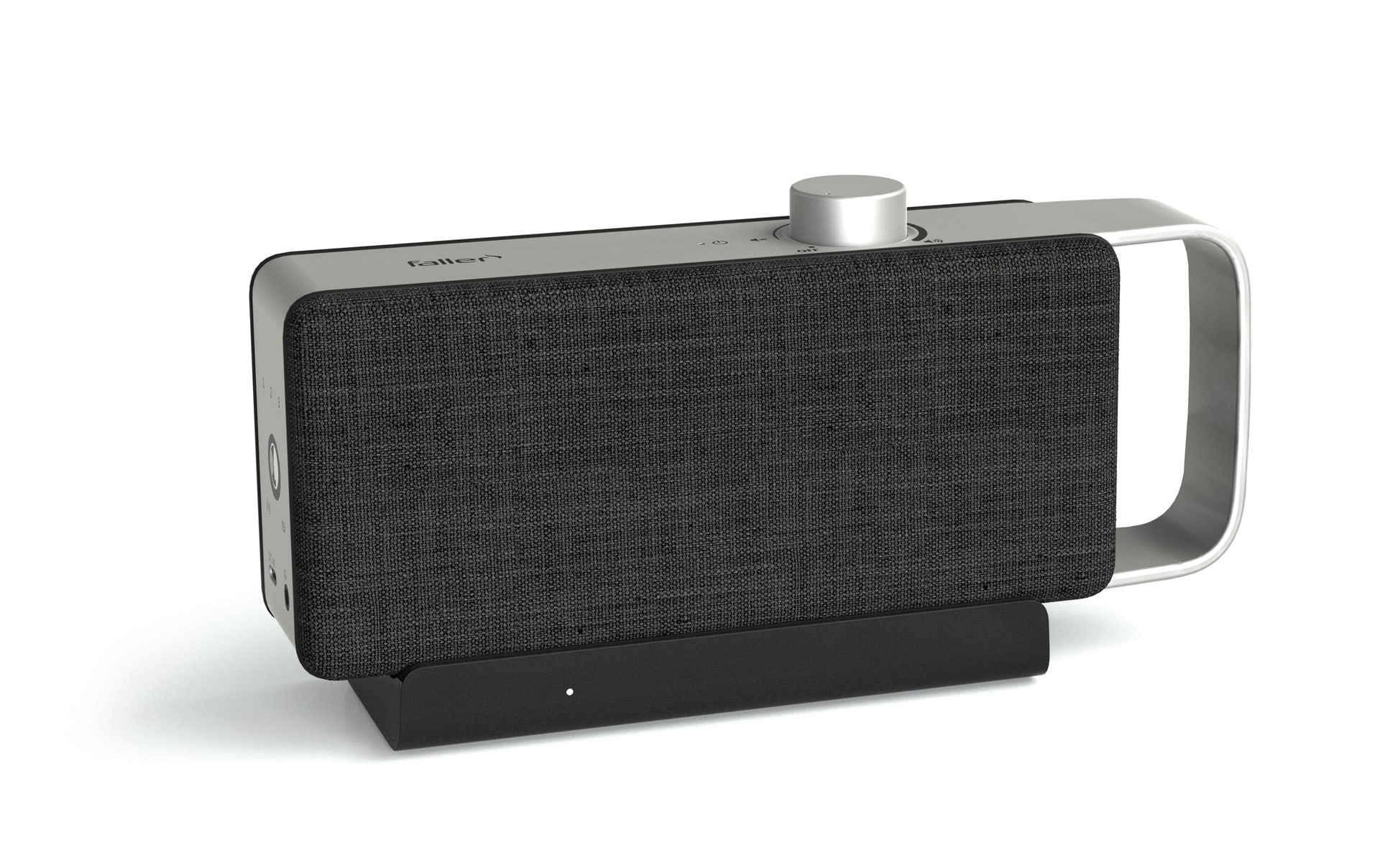
TheOSKAR TV sound amplifier fromfaller audio offers an innovative solution, especially for seniors who have difficulty understanding speech on television. Unlike conventional soundbars, this portable TV speaker features special speech optimization that emphasizes speech and reduces background noise. It is also very easy to use and connect.
Remote controls for seniors:
People with limited motor skills and vision often have difficulty finding and pressing the right buttons on conventional TV remote controls. Special remote controls for seniors with large buttons and large labels offer a practical solution to this problem. These universal remote controls can usually be easily connected to your TV, regardless of the manufacturer.
Headphones for TVs:
There are various wireless TV headphones for seniors designed to help older people and those with hearing impairments hear the TV sound better. A popular option is chin rest headphones, which are usually connected to the TV wirelessly. The name chin rest headphones comes from their typical shape.
Subtitles on television:
Many broadcasters and streaming services now offer a subtitles function. Subtitles can be activated via teletext or digital video broadcasting, for example. People with hearing impairments in particular benefit from these technologies.
TV glasses:
In addition to classic reading glasses, there are also special TV glasses for seniors and people with visual impairments. They enlarge the TV picture. Good TV glasses offer diopter compensation from -3 to +3, which can be adjusted independently on the right and left. However, TV glasses require some practice and getting used to.
TV magnifiers:
TV magnifiers are easier to use. These are placed in front of the television and enlarge the TV picture by up to 50 percent. However, due to their size, they are not very flexible. There are also small TV magnifiers available for enlarging the display of cell phones and tablets.
Tips: What seniors should pay attention to when watching television
As they get older, watching television can become a challenge for seniors. To help you enjoy your evening in front of the TV, we have summarized a few tips for you below.
Use the right TV set
Modern TVs for seniors offer various settings that improve your understanding of the TV sound, as well as features to enhance the picture quality.
Create the perfect TV environment
Various factors are crucial in enabling you to recognize and understand your television well:
The correct distance from the sofa to the device
The recommended distance is the diagonal measurement of the TV screen in centimeters multiplied by a factor of 1.5. For a 65-inch TV, the diagonal measurement is approximately 165 cm. The ideal distance would therefore be approximately 248 cm.
The correct sitting position
Not only the distance, but also the position of the television and your sitting position are crucial. This allows you to reduce strain on your eyes and ears, as well as your neck, when watching television.
The right light
Both the lighting in the room and the brightness of the TV play a role in the quality of your viewing experience. With the right settings, you can avoid annoying reflections and protect your eyes.
The right room acoustics
Soft surfaces such as carpets and curtains, but also furniture, can absorb sound and reduce echoes. This makes the sound clearer and easier to understand.
Use technical aids
Technical developments in recent years have produced numerous innovations. In the field of television in particular, there are now a number of helpful devices that allow you to adjust the picture and sound to suit your individual needs—such as the OSKAR TV sound amplifier from faller audio with speech optimization.
Further articles

Healthy candy alternatives for seniors
For many people, craving sweets is part of everyday life. However, traditional sweets often contain large amounts of sugar and provide

Cooking together in old age
As we get older, our everyday lives change in many ways. The children have left home, our partner may be

Protein-rich nutrition in old age
As we age, our bodies change in many ways, and nutrition plays a crucial role in our health.